
Vaccines You Need for a Safari in Kenya (and Which Ones You Can Skip)
Planning a safari in Kenya takes more planning and preparation than many other trips might require. Before you get to all the beautiful landscapes, big game animals, and once-in-a-lifetime moments, you’re going to need to consider vaccines.
Before my own safari, I did quite a bit of research on my own and asked around because the suggested list felt so extensive that I genuinely wondered whether I absolutely needed all of those vaccines. What I found is that some vaccines are worth it, some depend on a few factors, and a few are easy skips for most travelers. For the standard vaccines such as MMR, Hepatitis A & B, and Tetanus, I was able to go to my local Kroger, while for other vaccines like Yellow Fever and Typhoid medication, I found a speciality travel clinic.
Here, I’m breaking down what I personally got, how that list compares to what the Centers for Disease Control and Prevention (CDC) recommends for Kenya, and why certain vaccines are more about your exact itinerary than general suggestions.
A Quick Note on “Required” vs. “Recommended”
Most vaccines for Kenya are recommended, not legally required for entry if you’re traveling directly from the U.S. Having said that, border rules can change this. A good example is yellow fever, which may not be required to enter Kenya from the U.S., but it can become required depending on where you travel next, especially neighboring countries like Tanzania.
The Vaccines I Got (and Why)
Hepatitis A & B
CDC status: Recommended for most travelers to Kenya
Verdict: Get it
Hepatitis A is linked to food and water, and Hepatitis B can be transmitted through medical care, dental work, or unexpected emergencies. Even outside of travel, these are solid adult vaccines to have up to date even at home, and this vaccine is generally 100% covered by health insurance, so why not get it?
Tdap (Tetanus)
CDC status: Routine adult vaccine—be up to date
Verdict: Get it
Safaris involve outdoor activities, uneven terrain, and occasional scrapes and bruises, which I ended up with and couldn’t necessarily pinpoint how I got them. This isn’t a “Kenya-specific” shot. It’s one you want current before any travel and in your daily life. This vaccine was also covered by insurance.
MMR (Measles, Mumps, Rubella)
CDC status: Travelers should be fully vaccinated
Verdict: Get it
Measles outbreaks still happen globally, including in areas travelers pass through, airports included. This one falls into the “why risk it?” category, and it is also is usually 100% covered by insurance.
Polio
CDC status: Be up to date on routine vaccines
Verdict: Get it / confirm status
Many adults received polio vaccines as children but don’t remember. I was one of the adults who did not remember, and it wasn’t in my childhood record, so I got it to be on the safe side. If you’ve already gotten it, then sometimes a booster might be recommended depending on your history and travel plans.
Typhoid
CDC status: Recommended for most travelers, especially those visiting rural areas
Verdict: Strongly consider
Even on luxury safaris, you’re still eating food prepared outside your usual environment. The typhoid vaccine adds a layer of protection that’s worth it for many safari itineraries. I do recognize that this is a vaccine that is often not covered by insurance, so I would say to strongly consider it if you have the extra money. If not, I would not be overly fearful about not having it.
Yellow Fever
CDC status: Recommended for most travelers to Kenya, with regional exceptions
Verdict: It depends—but I got it
Yellow fever is not required if you’re traveling directly from the U.S. to Kenya. However, it may be required if you enter another country after Kenya, especially Tanzania, because of cross-border rules.
My itinerary did not involve multiple countries, but I got it because I didn’t want to gamble with any entry issues whatsoever. This will not be covered by insurance, and you most likely will not be able to get it at a doctor’s office or pharmacy. This may require finding a travel clinic in your area that offers speciality vaccines.
The “It Depends” Category
Malaria pills
CDC status: Recommended for many parts of Kenya, including several safari regions
Verdict: Optional depending on location
My tour guide in Kenya shared that malaria risk was low in the specific region we visited, and that’s true for some high-altitude or specific areas.
However, the CDC still recommends malaria prophylaxis for many safari destinations. If you’re visiting multiple parks or lower-altitude regions, then you will probably want to have these pills. This decision should be made with your exact parks and elevations in mind.
Antibiotic for traveler’s diarrhea (not a vaccine, but important)
CDC status: Sometimes prescribed for severe cases
Verdict: Get it just in case
I didn’t end up needing mine, but several people in my group did. If you have a sensitive stomach or will be far from medical care, having an emergency antibiotic can save your trip. If you don’t prefer to go through your physician for an antibiotic prescription, then I would at least recommend an over the counter option like Imodium.
The Easy Skip for Most People
Chikungunya vaccine
CDC status: Generally not recommended for most travelers
Verdict: Skip it
I got this vaccine, but it is very expensive and typically reserved for people at higher risk, during outbreaks, or for long-term stays. I definitely could have skipped it, because for a standard safari itinerary, the CDC does not generally recommend it. Bug spray and protective clothing are probably sufficient.
So…What’s Actually Necessary?
Feel free to save this CDC-Aligned Safari Vaccine Checklist to go by when you consult with your physician, tour company/guide, or phamacist.
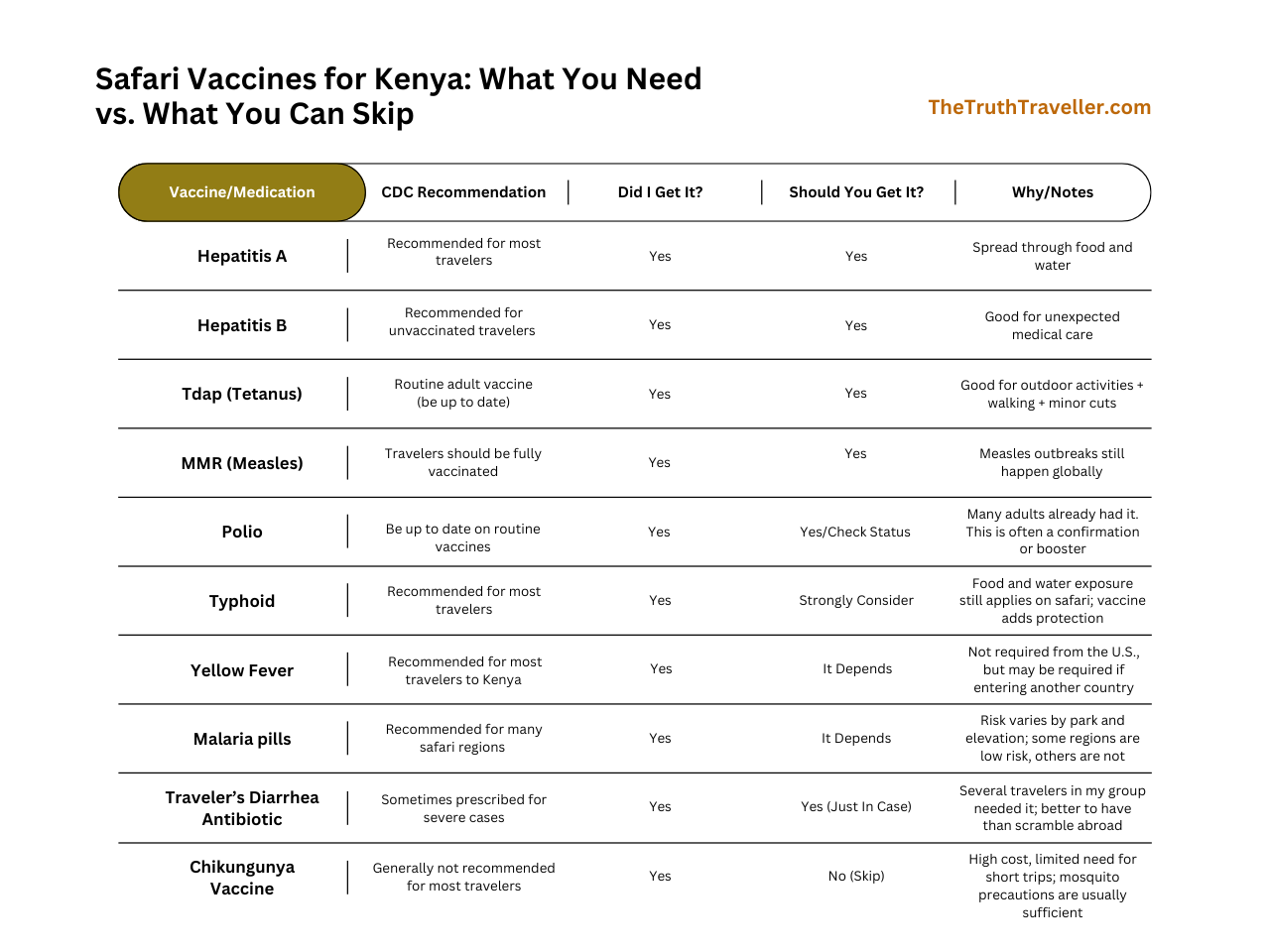
Final Thoughts
Safari prep doesn’t need to be fear-based or excessive, and in my experience, I was upsold by travel clinics in some cases who defaulted to suggesting “everything,” when I probably could have saved money or put it toward other trip expenses. When in doubt, check CDC guidance and be sure to ask questions about your exact itinerary to trip and tour coordinators.

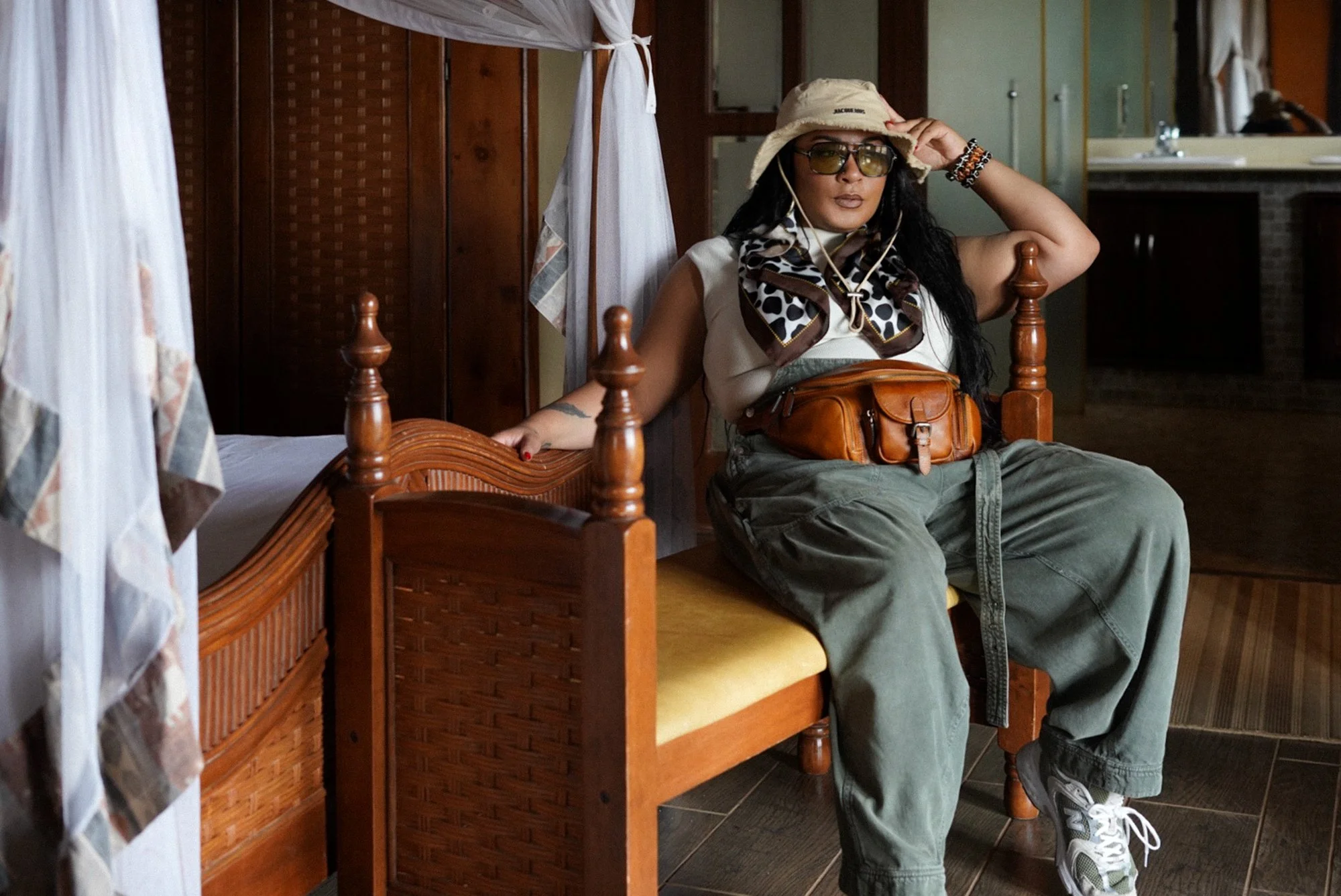
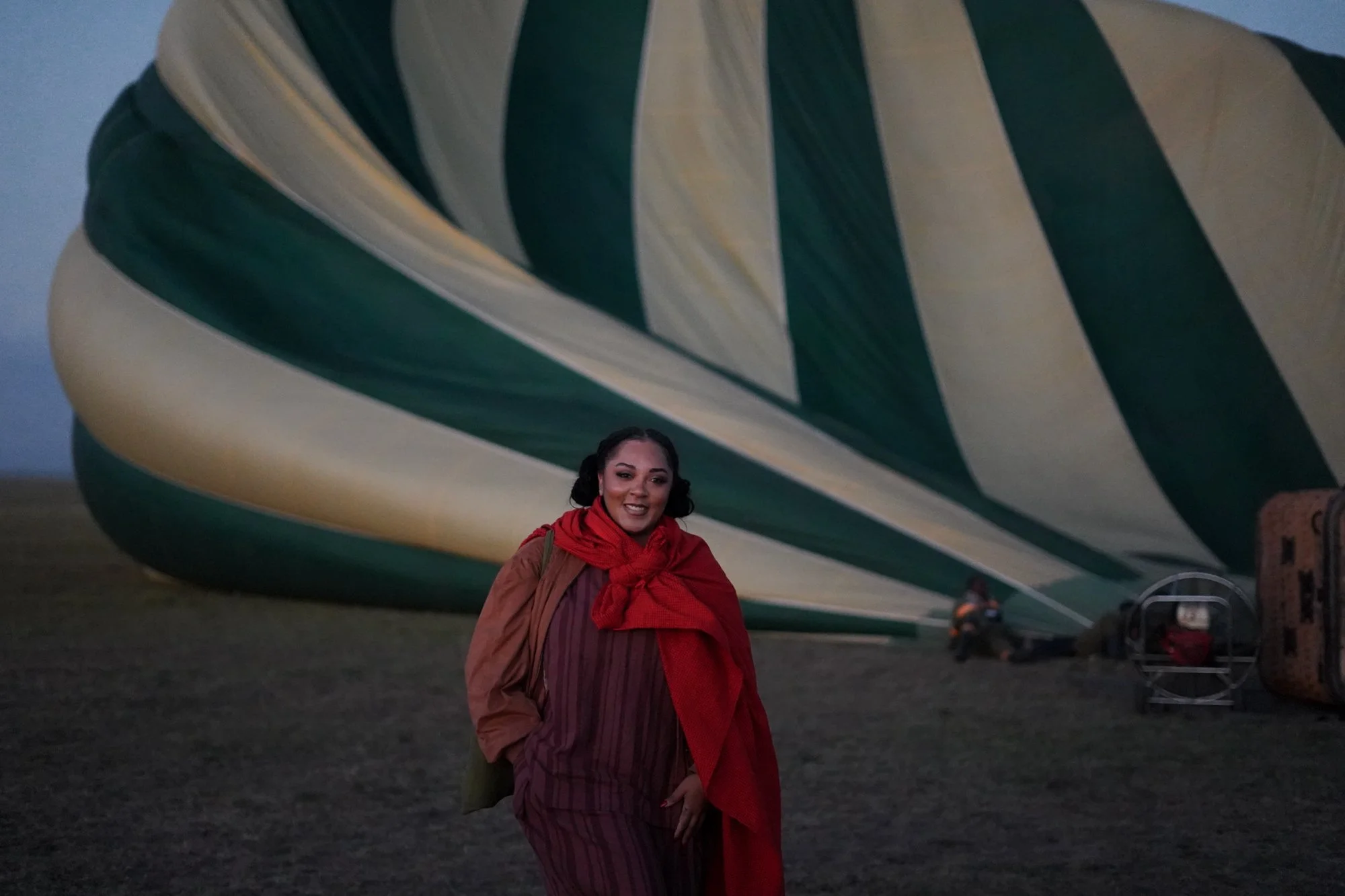
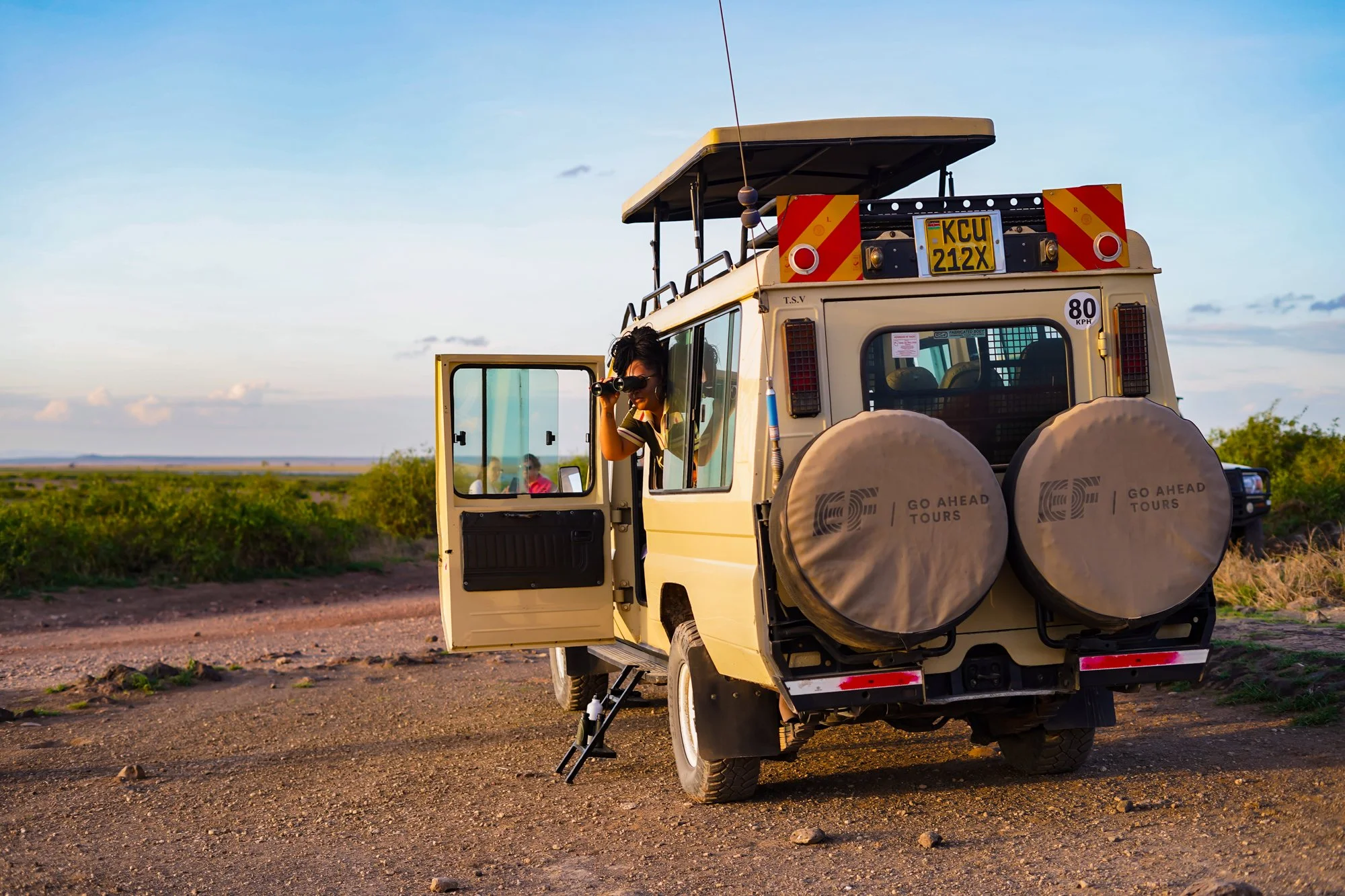

If you’re trying to figure out what to wear on safari, the answer is probably less than you think. I packed one pair of pants, changed my tops, used laundry services at every camp, and still felt put together in every photo. Here’s exactly what I wore on safari and the packing list I’d use again.