
What to Expect at Amboseli National Park: Wildlife, Weather, and Best Times to Visit
Coming from Virginia where I’m used to seeing squirrels, robins and deer, it was truly a surreal experience to enter Amboseli Natural Park and within the first few feet encounter zebras and elephants. The land stretches out as far as the eye can see, and the entire scene is backdropped by Mt. Kilimanjaro, the highest peak in Africa. It’s peaceful, but certainly bold. For diversity, we embarked on both early morning and afternoon to evening game drives. Going at any time, it’s fun and the best kind of surprise to see what you can see. The wildlife is quite used to human activity and it would even seem like they are posing at times, which allows you to focus and get spectacular shots.
The Perfect Time to Visit (And Yes, Timing Matters)
I went during November, one of the most ideal windows, as it’s the dry season. It was a bit dusty, but the skies stayed clear and there wasn’t a drop of rain in sight. This time of year pulls the animals out into the open, which makes game viewing feel effortless.
One of the things about this time of year specifically is that there were animal babies. Everywhere.
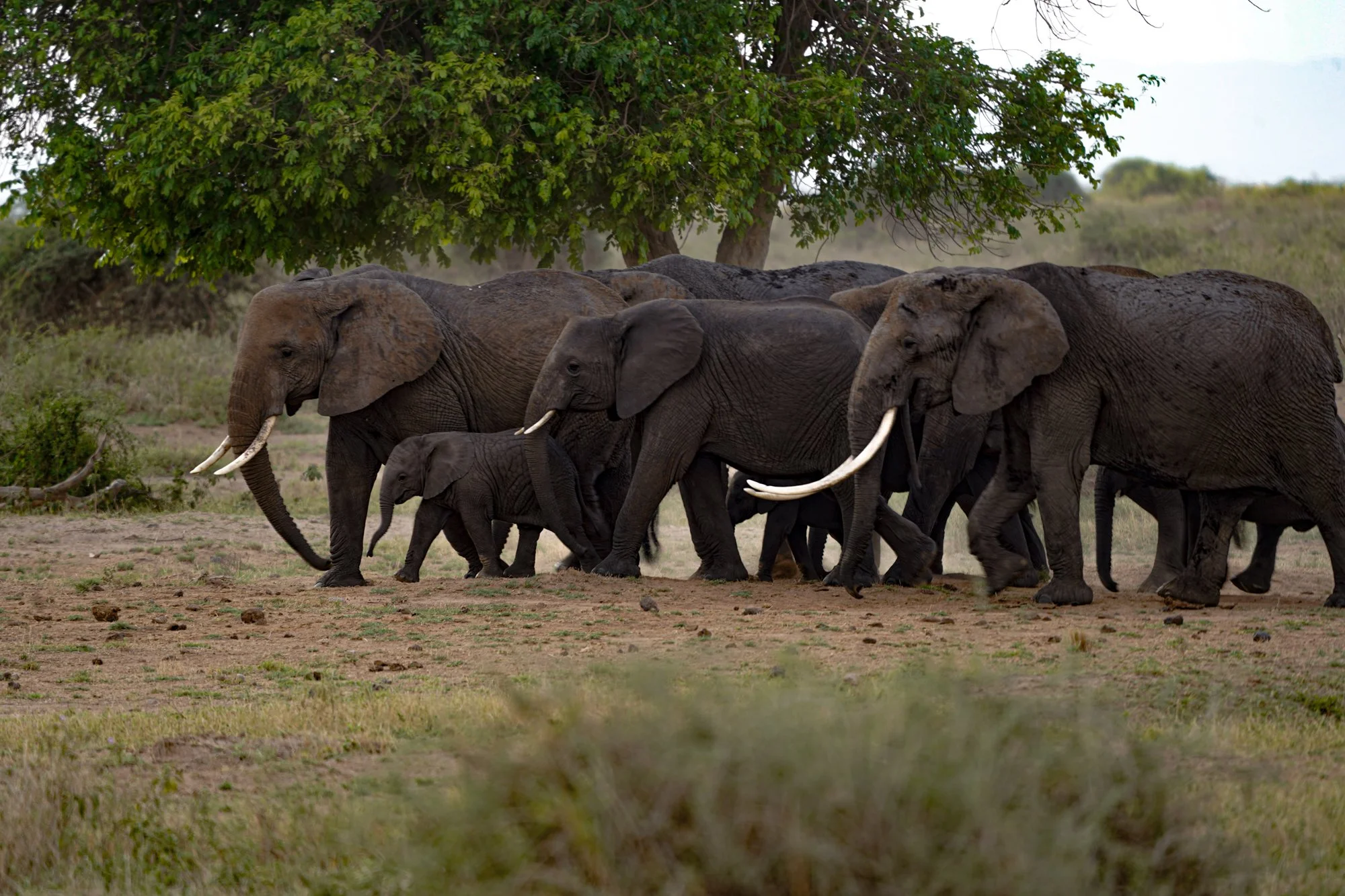
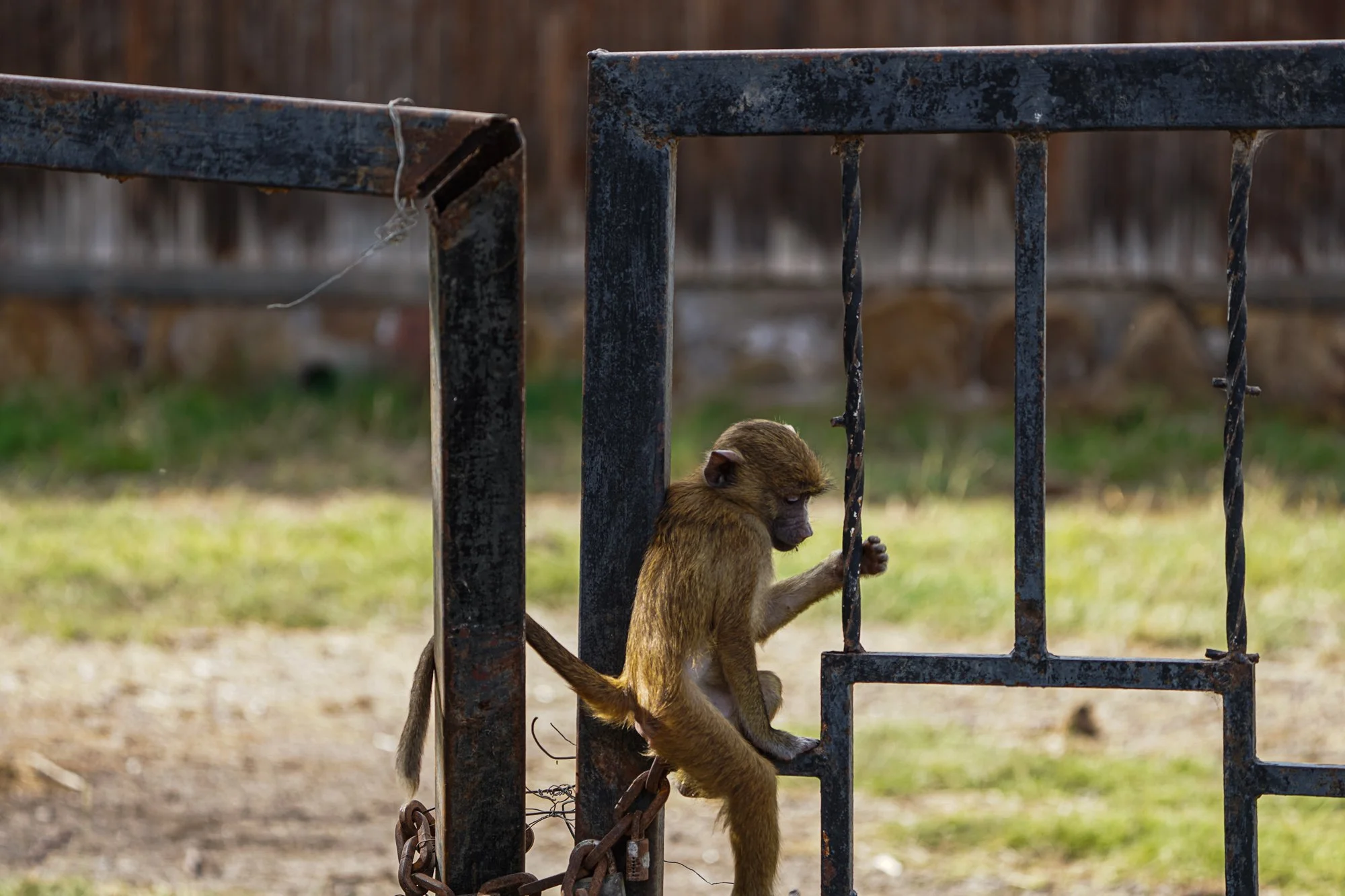
Baby elephants hustling to keep up with their elders. Baby zebras with the zoomies. Baby baboons discovering flexibility in their arms. Watching the wildlife is truly a one-of-a-kind experience, but seeing the animals brought a special kind of joy to our game drives.
The Wildlife I Saw
People often head to safari hoping to see the Big Five, which includes:
African Elephant
African Lion
Leopard
Cape Buffalo
Rhinoceros
Amboseli gives you a great shot at seeing at least three out of the five, elephants, lions, and buffalo. Big cats, especially leopards, can show up, but they’re elusive, so it’s a pretty big deal to spot any of them. Rhinos are no longer found in Amboseli, so if you’re set on seeing all of the Big Five you’ll likely have to visit other parks like Maasai Mara or Lake Nakuru.
Elephants
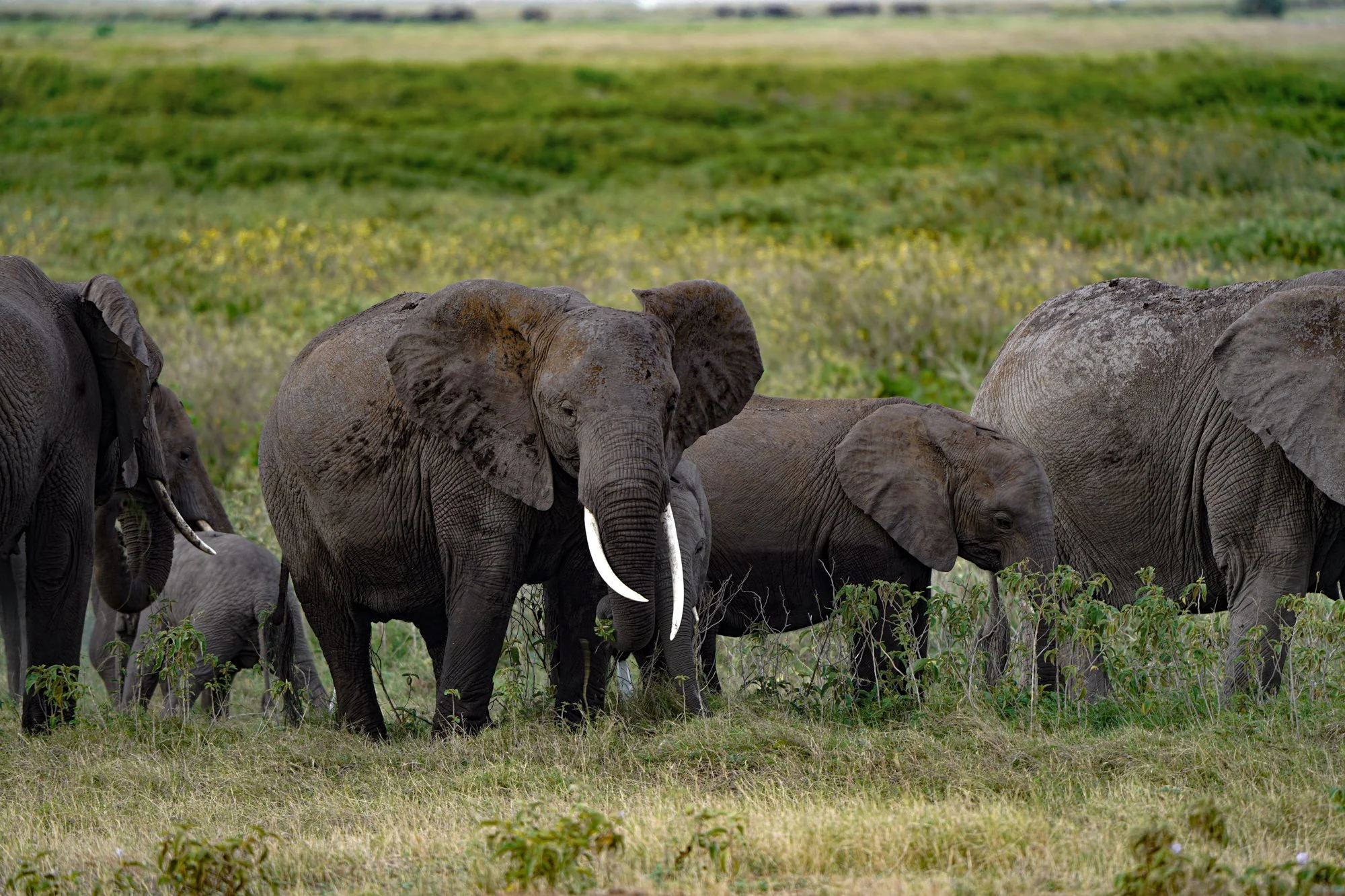
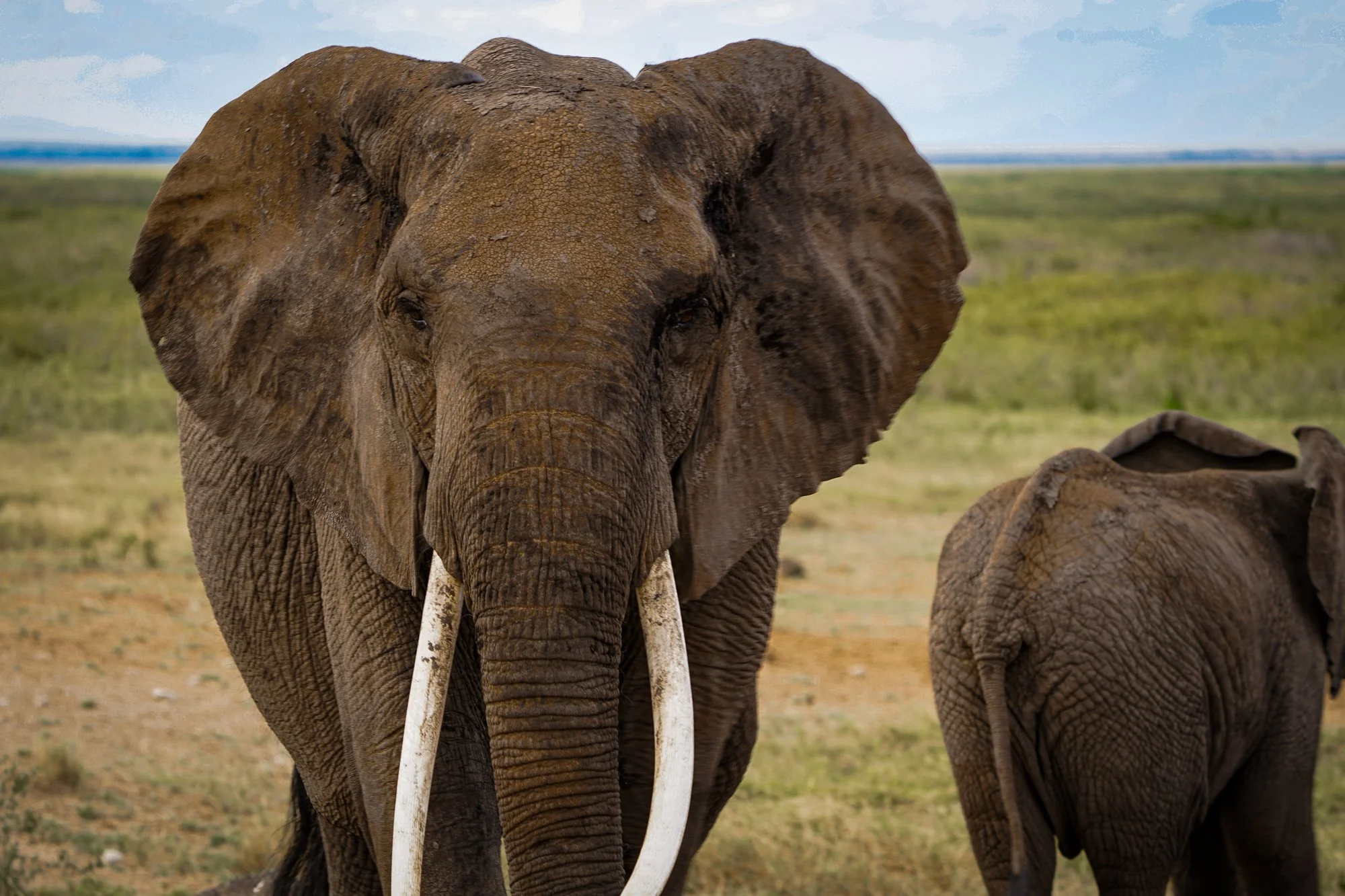
Amboseli is the place to see elephants. In fact, we encountered a large herd almost immediately on our very first game drive. There are several families or herds in the park, so elephants are one of the big five that you absolutely cannot miss. This park is famous for having some of Africa’s largest and largest-tusked elephants, and seeing them up close is emotional in a way I wasn’t prepared for, especially because these are my favorite animals.
African Lions
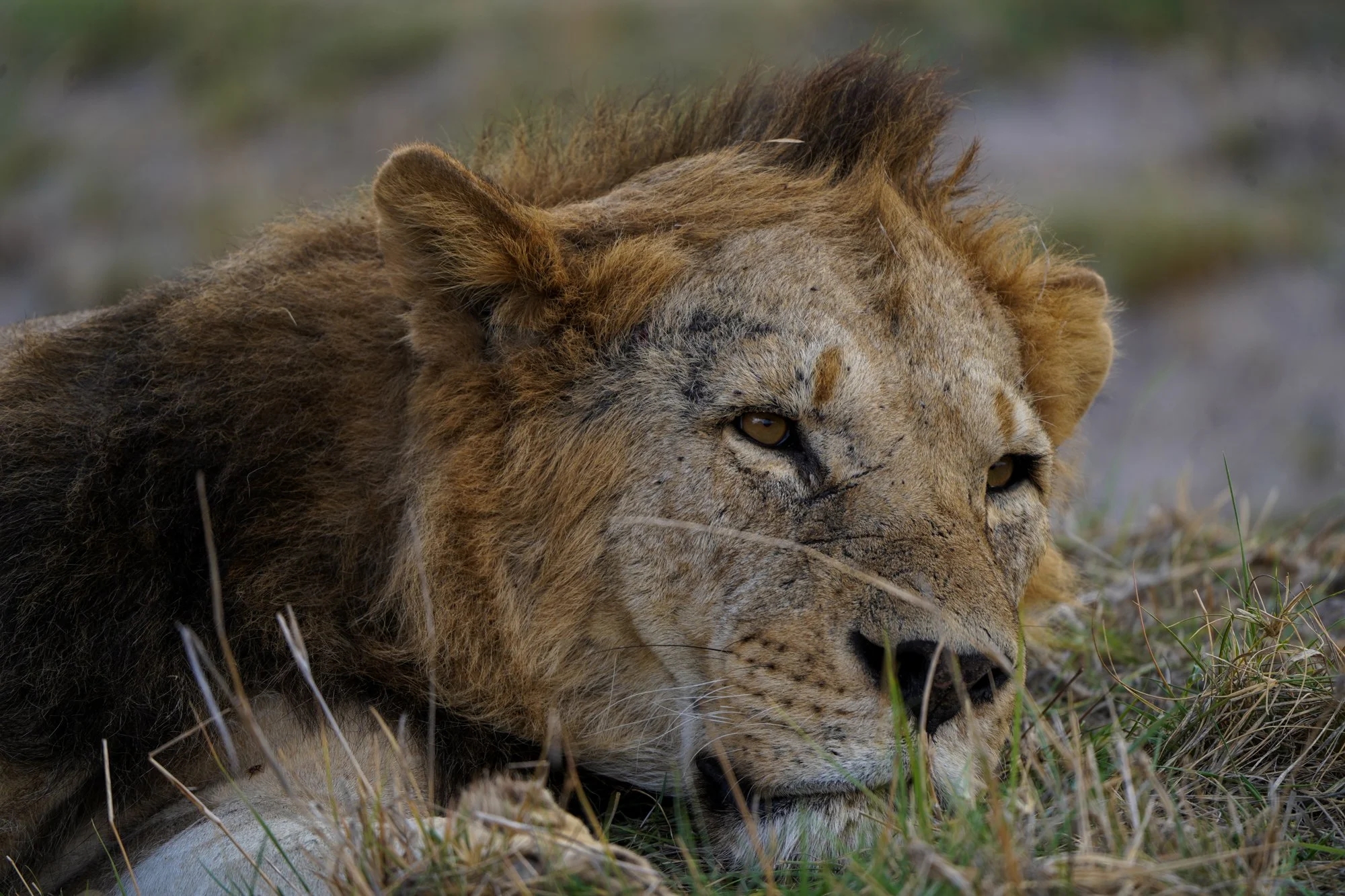
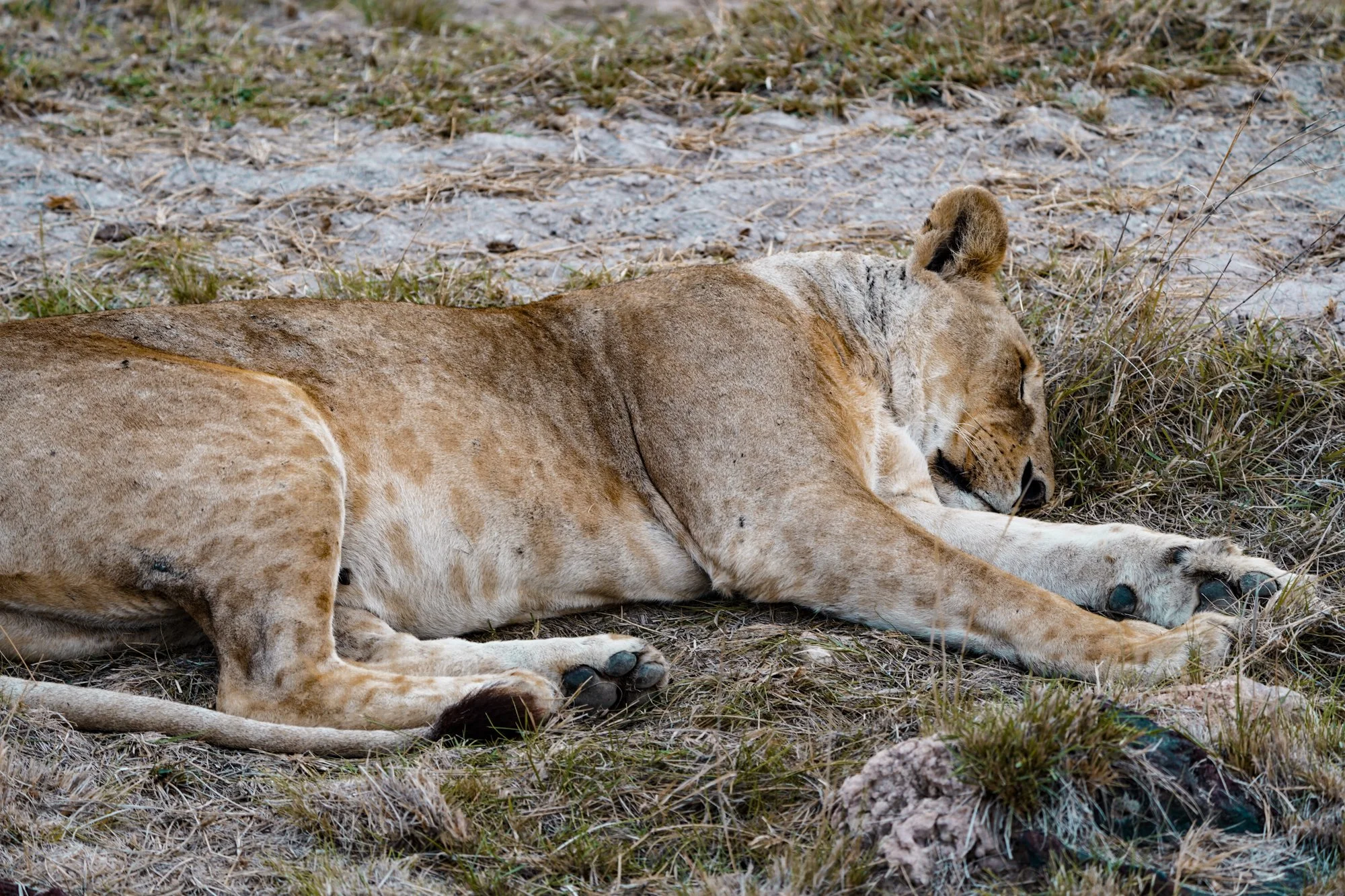
One of the most thrilling parts of game drives is that your guide will get a call over the radio and suddenly you’re rushing to new location within the park, but you’re never sure what you’re racing to see. The first time this happened, we discovered that we were racing to see lions, two males and two females. Lions are part of the big five, and Amboseli gives you a real shot at spotting them without having to work too hard for it.
It was very obviously their nap time, which I imagine lasts for hours, so the most we saw them do was roll over and lift their heads for a few seconds every now then. Mostly, we had the opportunity to be insanely close to them where we could capture them simply stretched across the grass.
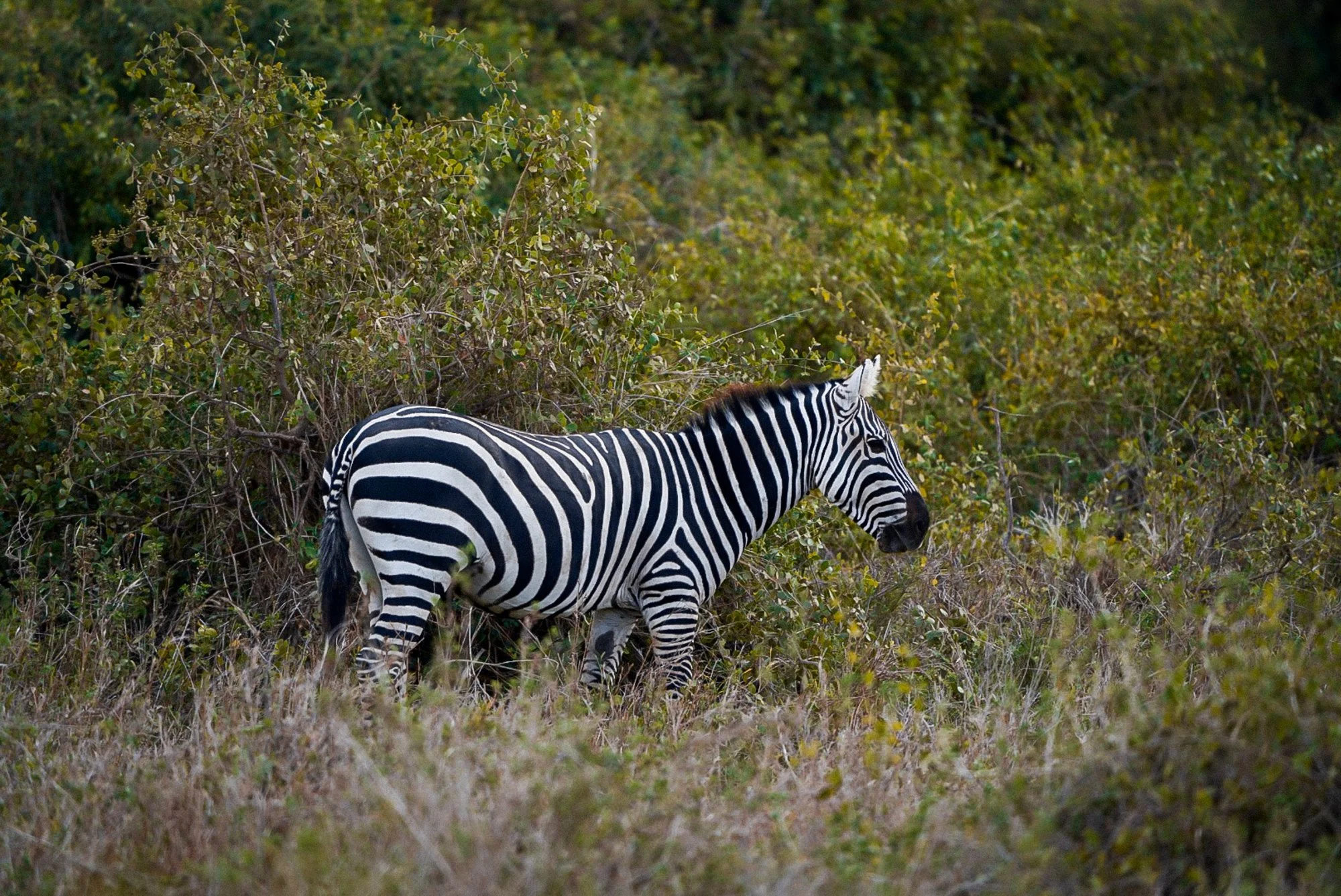
Plains Zebras
Zebras are incredibly photogenic, and though we saw them many times over, I never got tired of capturing them. This photo is actually the very first photo I took in Amboseli, as this zebra was the first animal we saw. The dry season meant huge herds crossing the plains together and spotting many babies, but it also wasn’t unusual to see them standing alone like this one was.
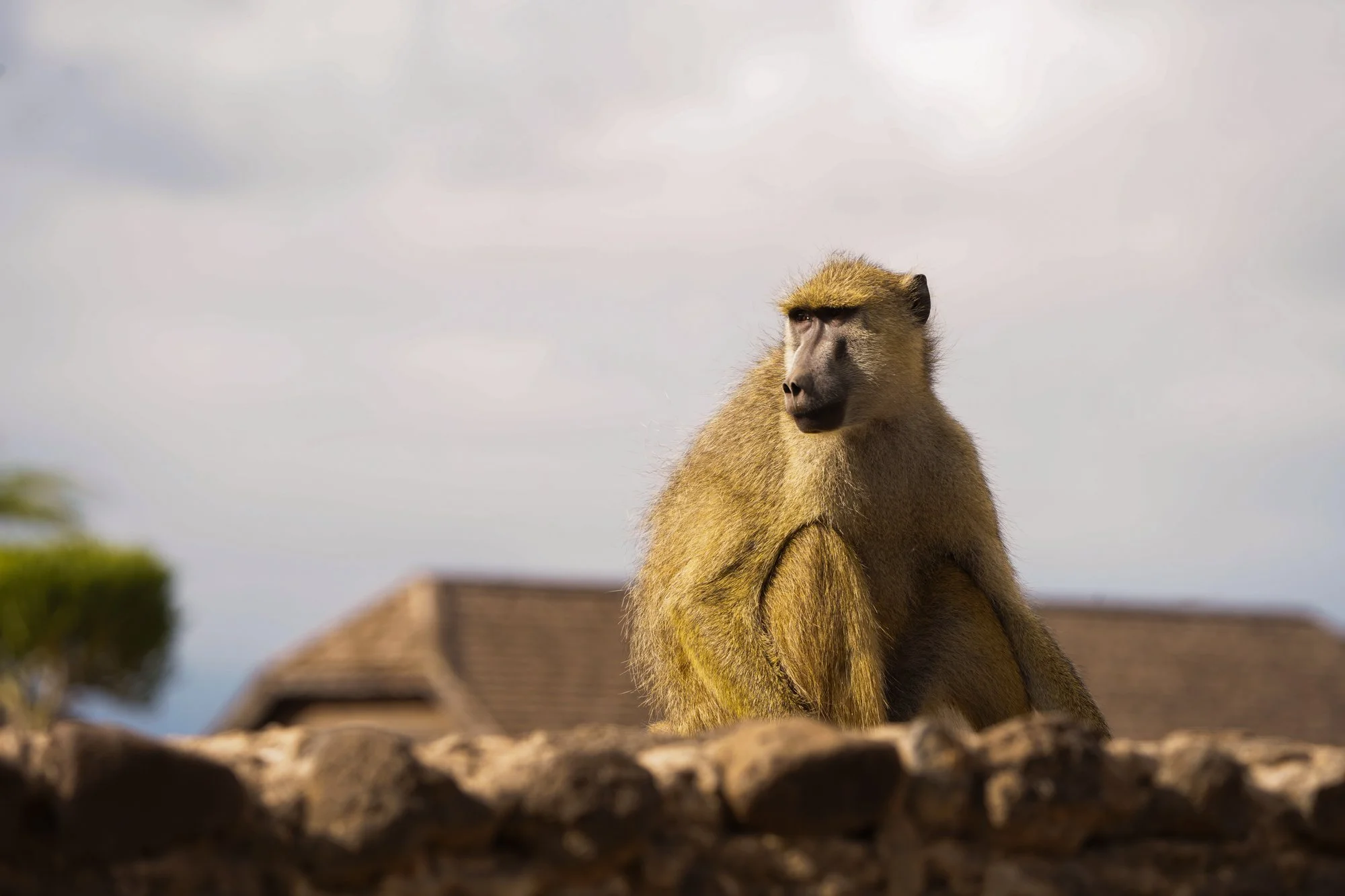
Yellow Baboon
The baboons in Amboseli were very busy, almost as though they had an itinerary of their own. Inhabiting an abandoned lodge, we caught glimpses of them grooming each other, babies chasing one another, and some seemingly patrolling. Either way, they’re very fun to watch with all their dynamic movement and unique color.
Birds
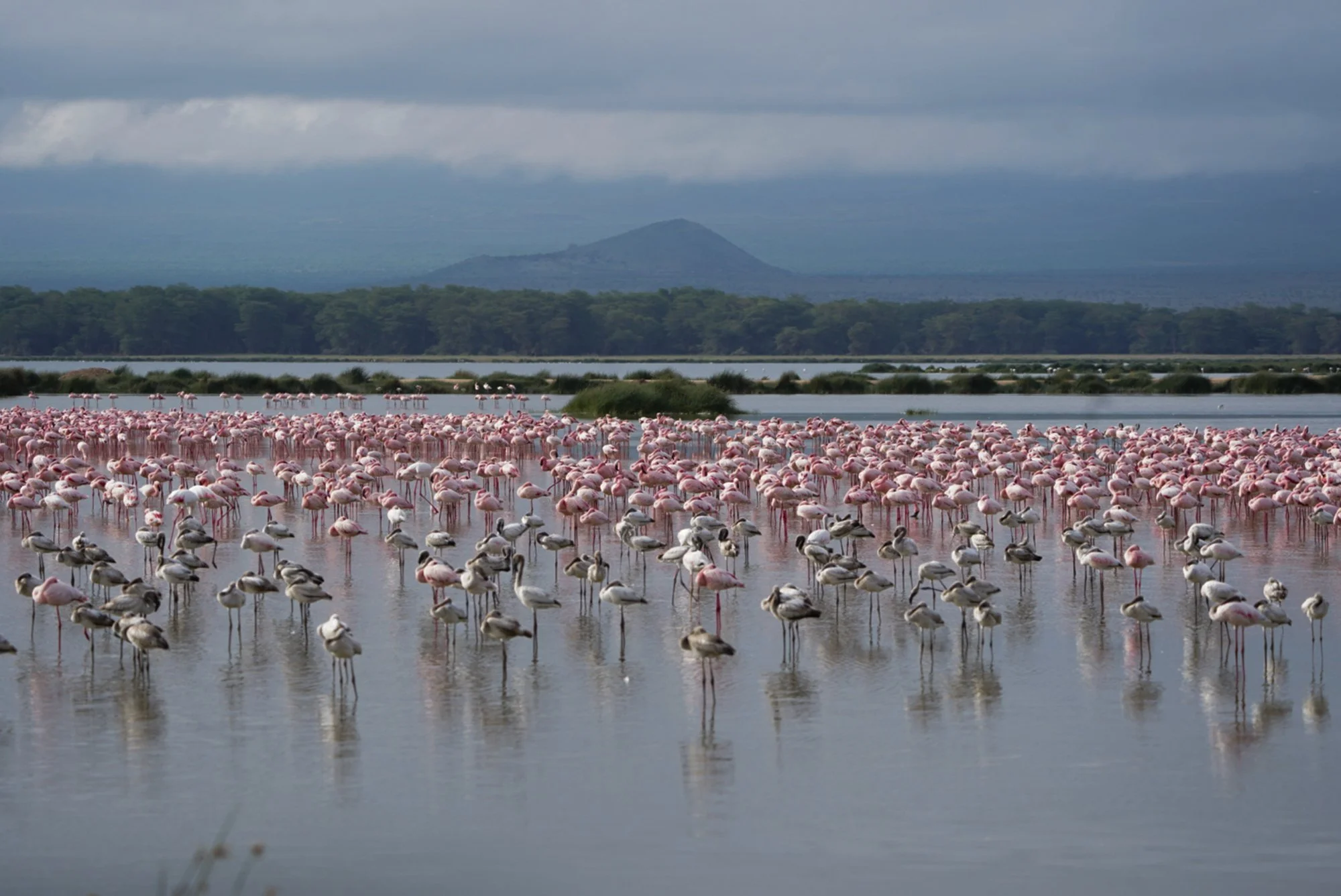
Flamingos
Depending on water levels, flamingos gather in the thousands, which you can see here. Of all the images I was able to capture on this trip, this one is a favorite, as I can’t believe I witnessed this with my own eyes. I spend a lot of time watching animal documentaries, and surely I’ve see flamingos on National Geographic, but it’s another thing to capture them myself.
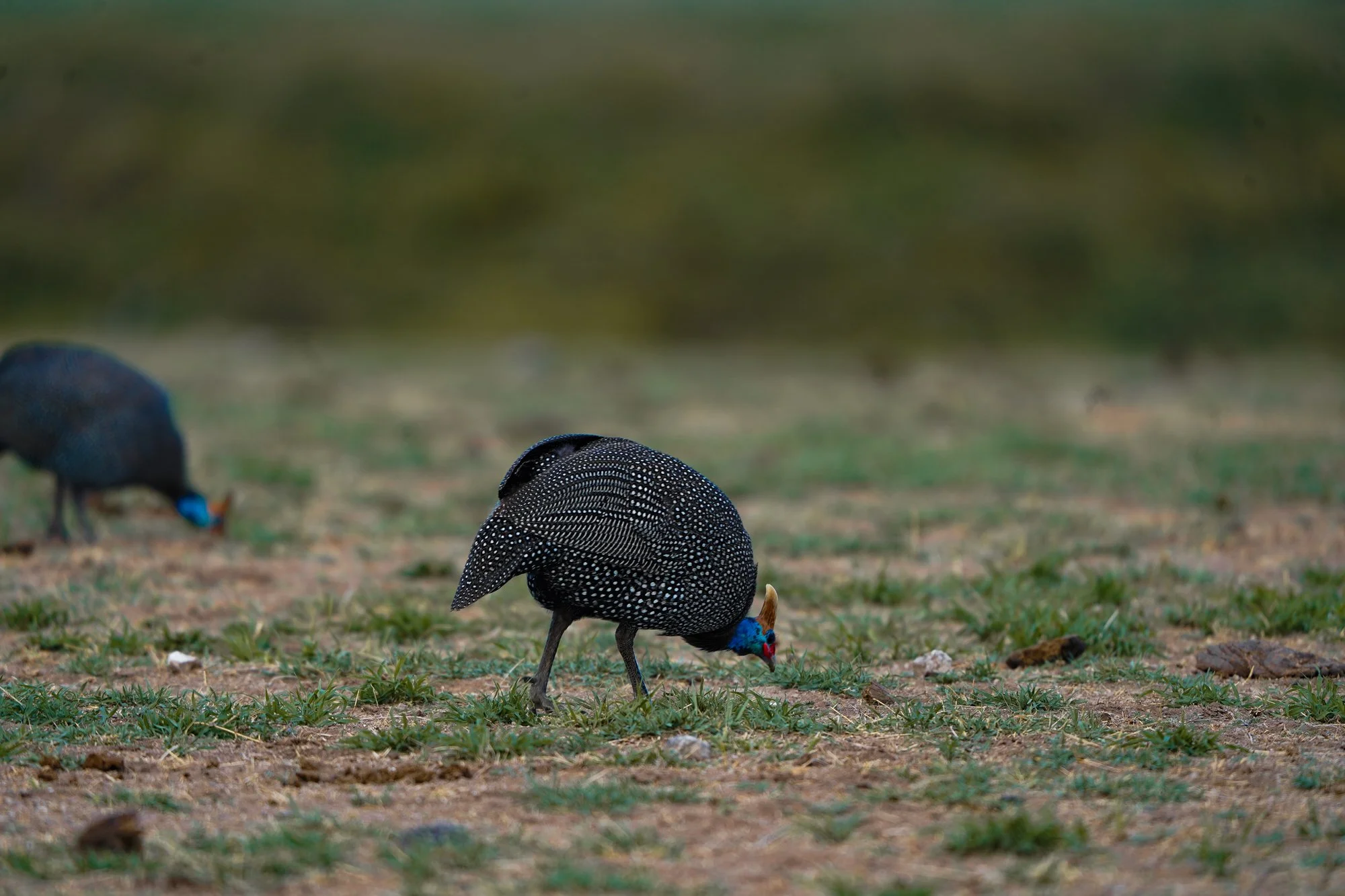
Helmeted Guineafowl
I’m not sure if you can describe a bird as cute, but polka-dot bodies and bright blue heads are a good recipe for a cute bird. We saw plenty of these gathered in groups throughout the park.
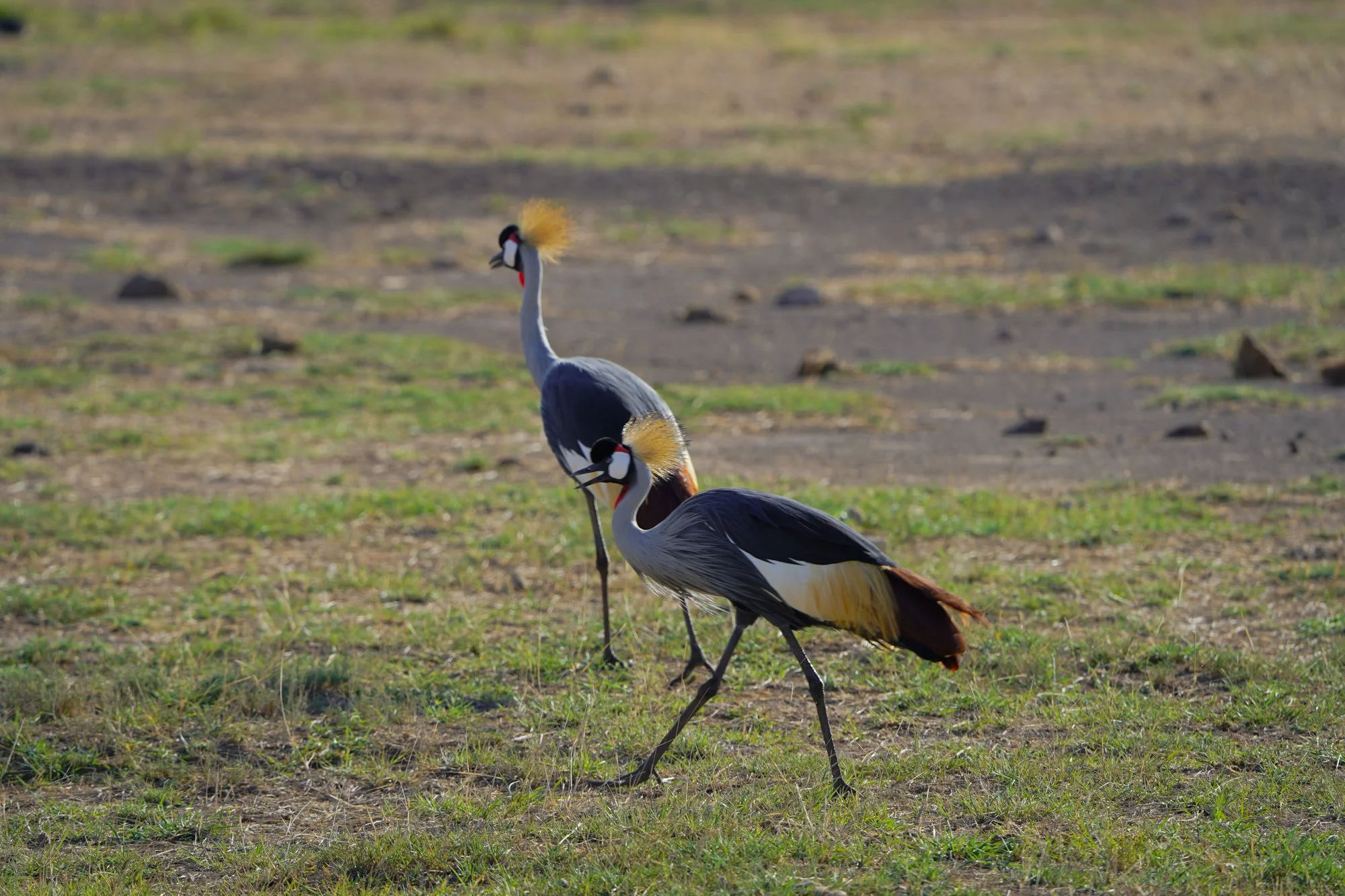
Grey Crowned Crane
We came across this specific kind of crane many times, and they are rather stunning.
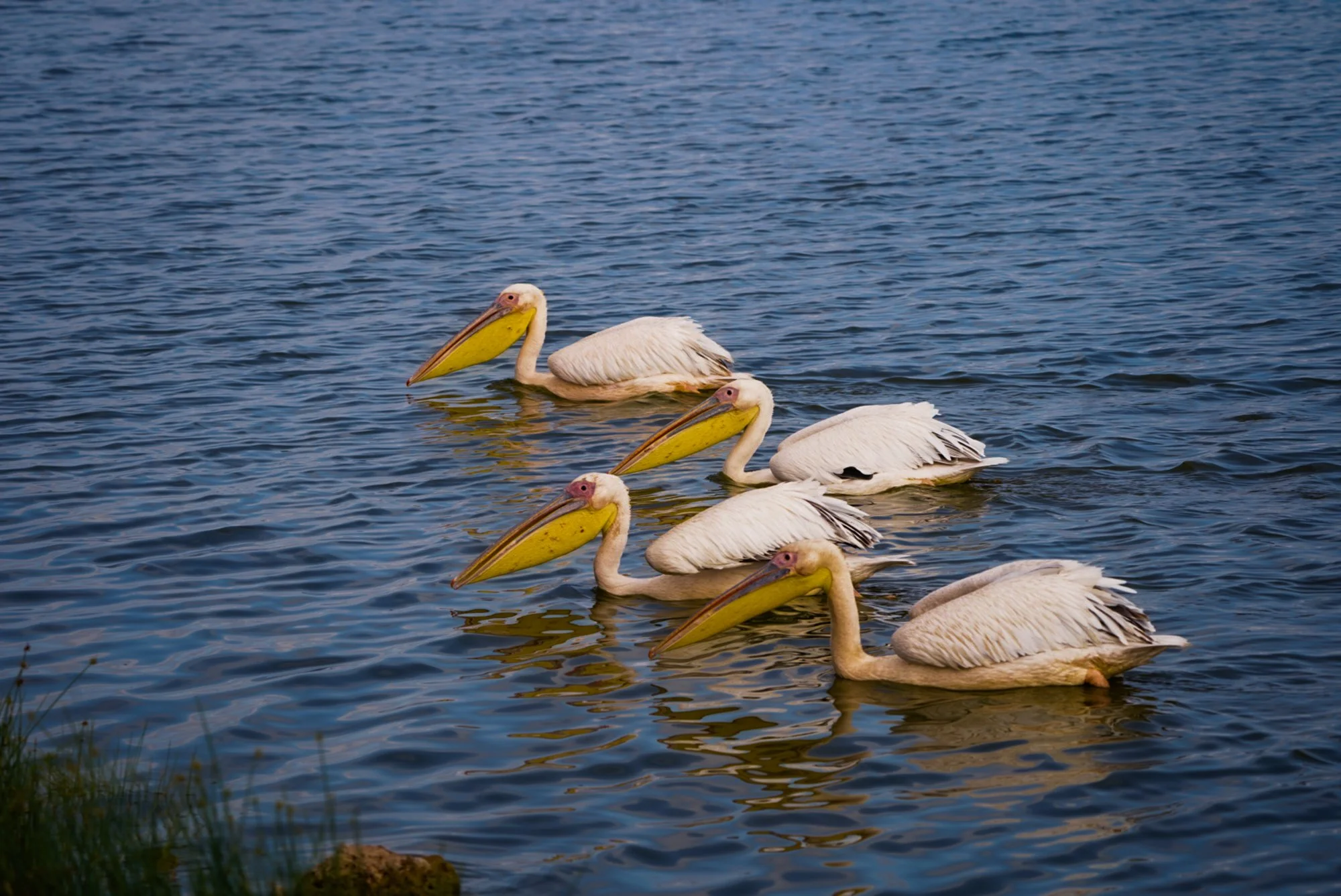
Great White Pelicans
Just after I captured this photo, we witnessed them dip in a very synchronized way to fish, which i’m sure you can imagine is pretty cool.
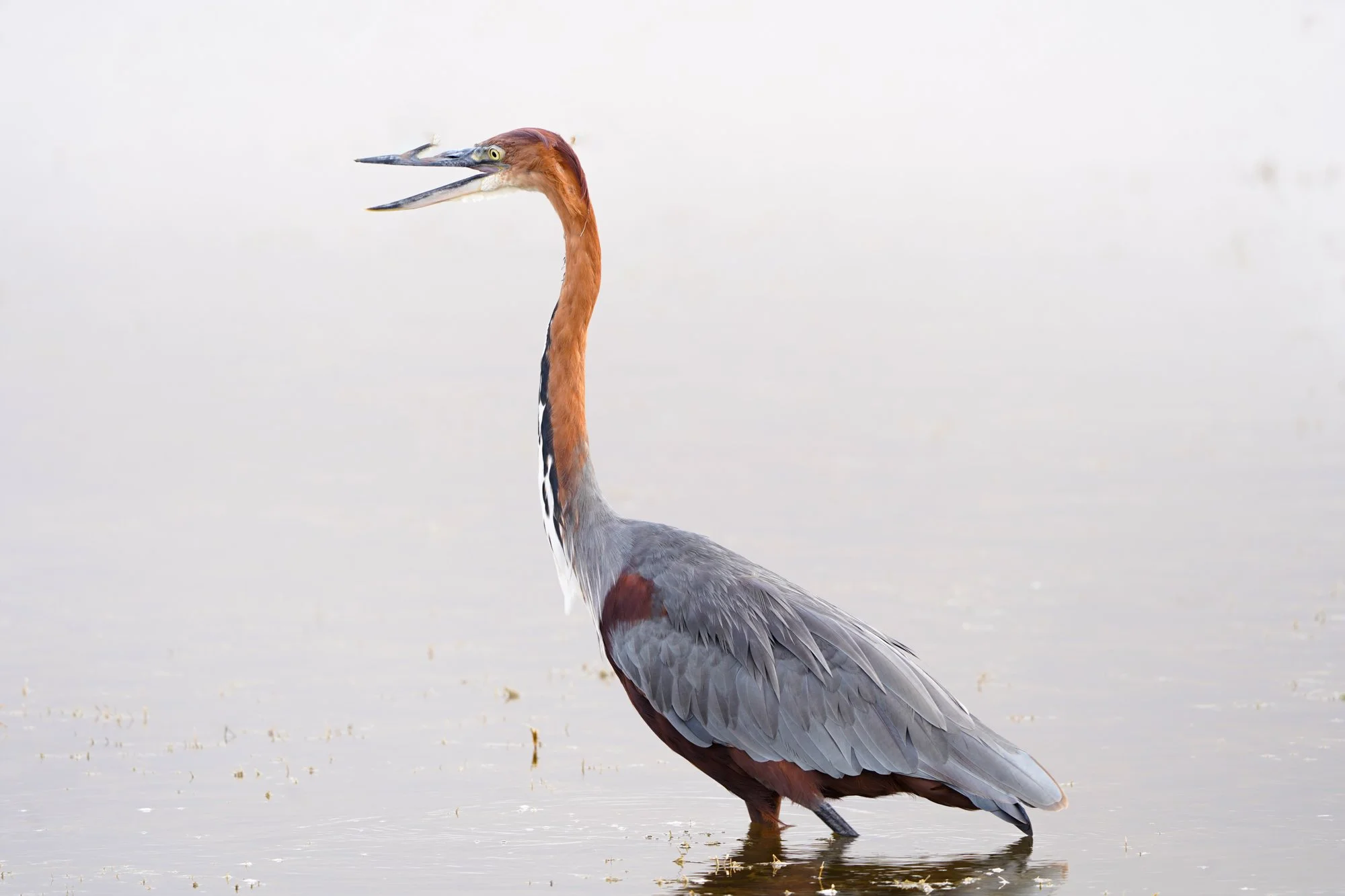
Goliath Heron
Tall, auburn-necked, and regal. They stand alone in shallow water like they know they’re the moment.
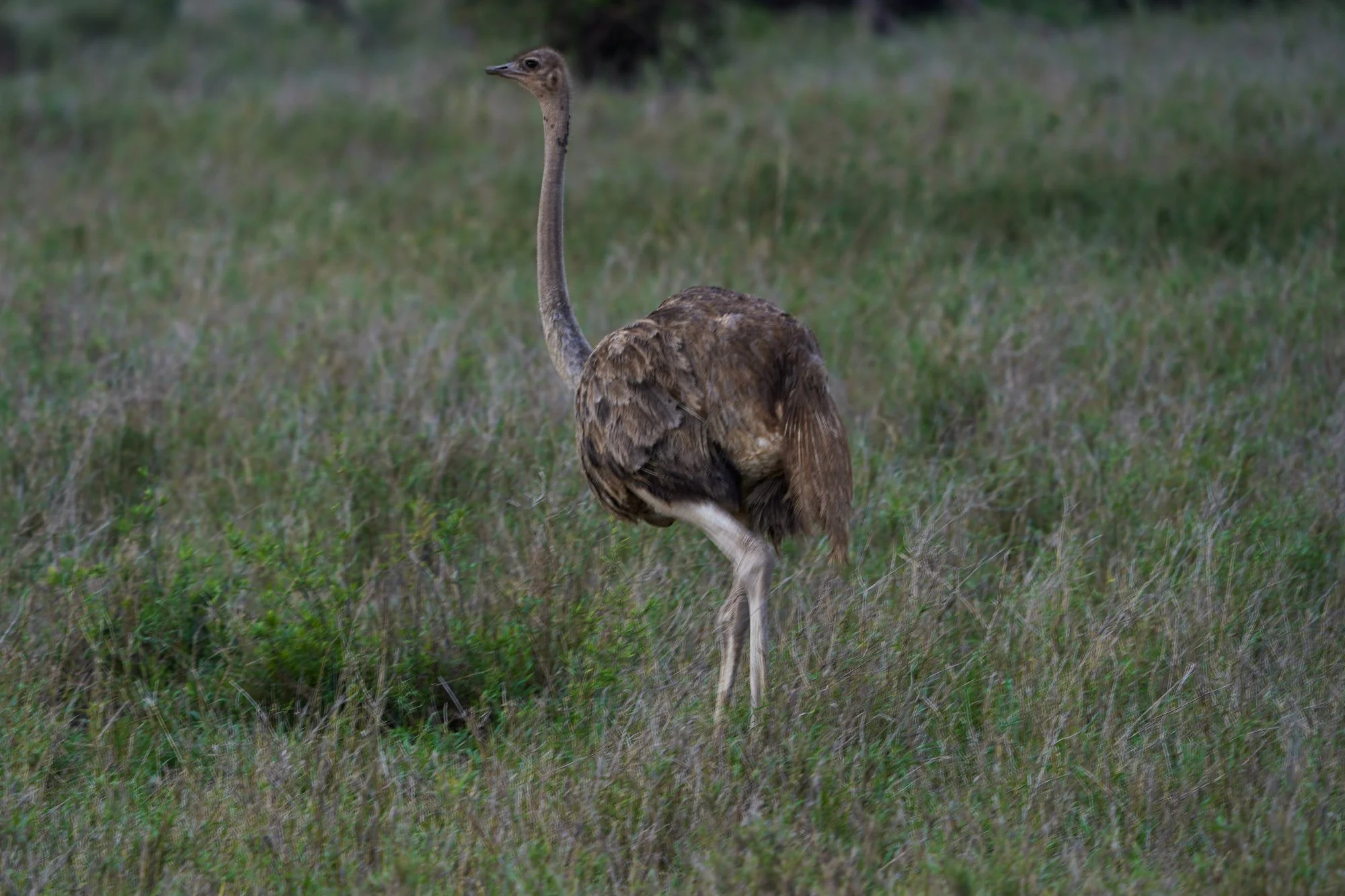
Maasai Ostrich
I knew ostriches were tall, but seeing them in person truly puts it in perspective, as they’re dramatically larger than I ever thought they were. The males have deep black feathers, while the females are a dusty gray and brown, so as you can see, this is a female.
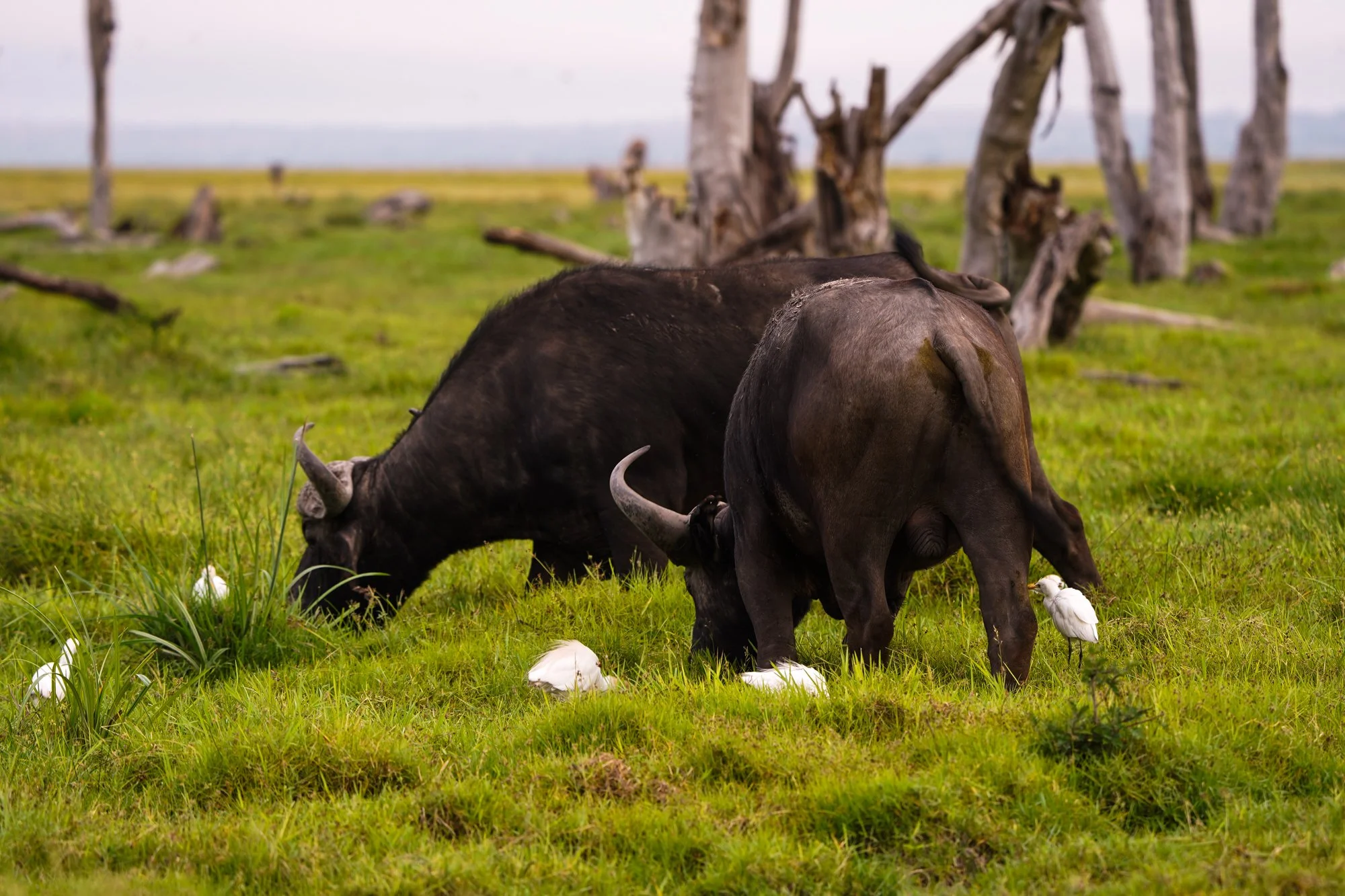
Cape Buffalo
Another member of the Big Five, the buffalo move in big, slow herds. We often saw several males together. They’re impressive in size and presence, but these animals are responsible for the most deaths in sub-Saharan Africa, so I was happy to keep my distance from them.
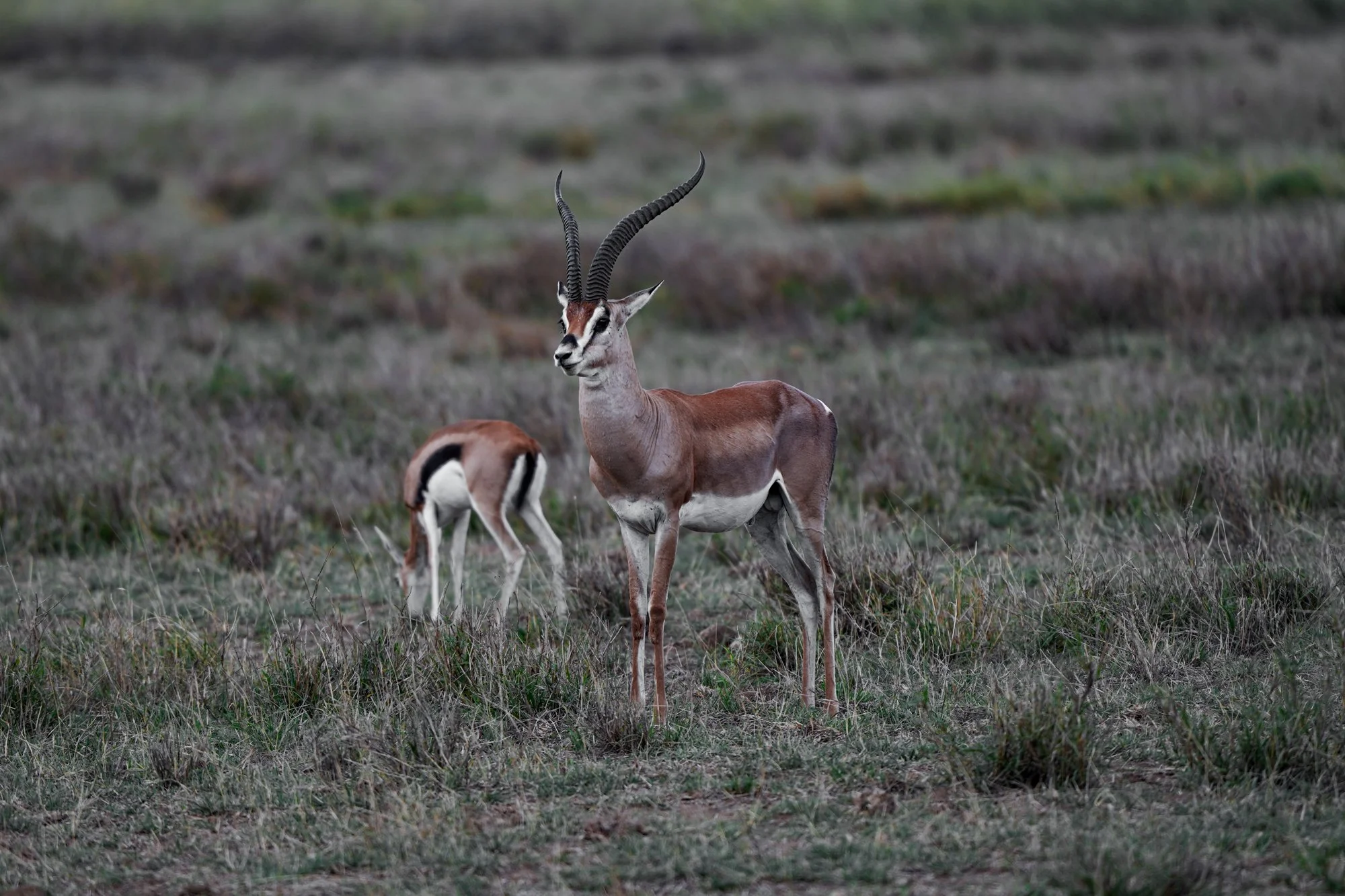
Thomson's Gazelle
Of all the animals, you will likely see these the most. Also known as “Tommies,” they are small, sleek and delicate looking.
Jackal
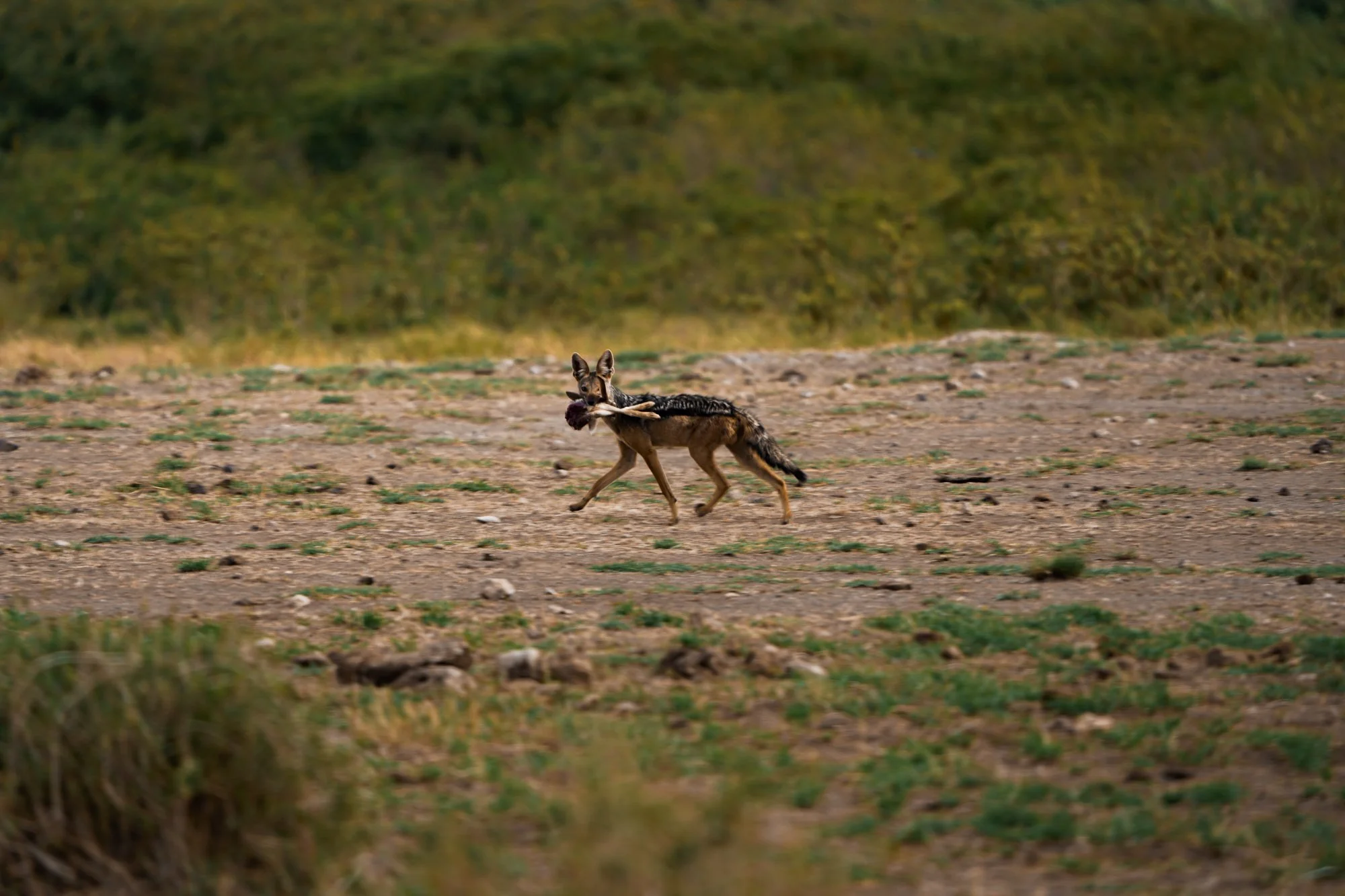
Jackals are primarily nocturnal, so this was the only time we saw one. It was moving very quickly, and as you can see, holding something in its mouth, so it was truly a wonder that I captured this photo of our singular jackal spotting.
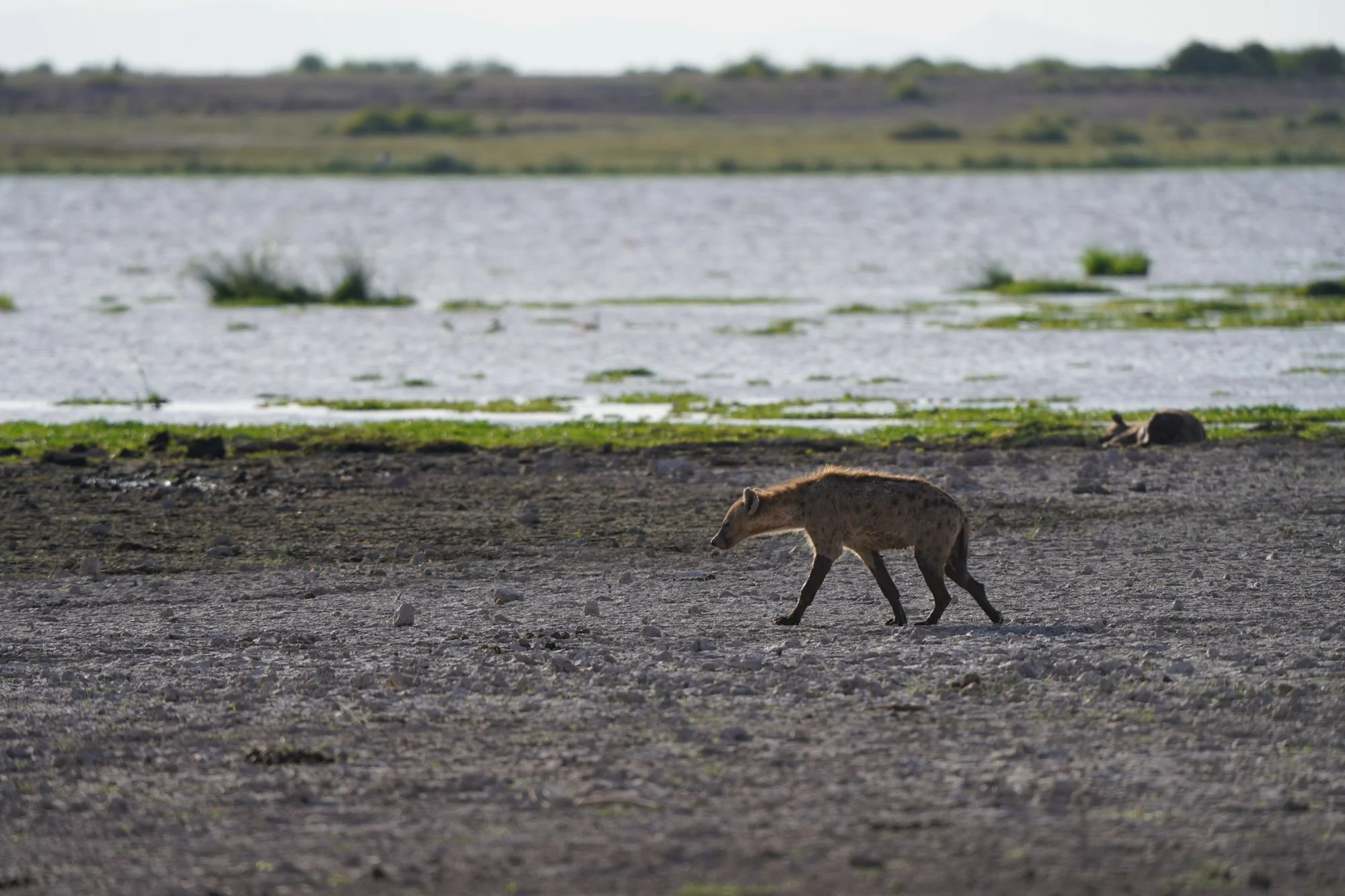
Hyena
Other Animals Commonly Seen in Amboseli
So as you can see, Amboseli is known for a wide range of wildlife, including those we didn’t see here such as cheetahs, giraffes, hippos, wildebeest, and servals. What you see is truly up in the air and a mixed bag dependent on factors like the weather, the season, the time of day, how fast your guide drives and more. Even if you don’t spot every single animal, the diversity is incredible and there’s always something new just around the corner to capture.
My Final Thoughts on Amboseli
There is true satisfaction in seeing these animals move freely in their home the way they’re meant to as opposed to a zoo. Going during the dry season made everything clearer and closer and truly a grand, once in a lifetime opportunity to witness the beauty of nature.
Watch the Video

I’m still figuring out how to turn The Truth Traveller into a sustainable business, so I’m sharing what that process actually looks like. Here’s how I’m monetizing my travel blog, including the affiliate platform that has generated more than $14,000 in travel bookings through my content.