
Where We Belong: On Returning to Africa as a Daughter of the Diaspora
I had never been to Kenya before. I had never been to Africa. But when I arrived, it felt strangely familiar.
There was a particular moment after I was greeted by my host that we stood on the curb at the airport waiting for my taxi to arrive. She shared a few common Swahili words with me that I might hear while in Kenya, and the memory came flooding back of the children’s book Jambo Means Hello by Muriel Feelings. It had been gifted to me as child, and I loved it because, even as a child, I always loved words.
I’ve lived many lives and had vast experiences, so I’m keen to identify full circle moments whenever they surface. That children’s book being my earliest introduction to anything related to Africa then Kenya being the first country I visited on the continent felt like the most fulfilling full circle moment.
The familiarity I felt upon arrival may have been partially related to the connection made between the book and where I now stood, but I also understand that recognition as something deeper.
Unsurprisingly, tears began to form, and for the rest of the trip, they welled intermittently, because this was home. Several times I thought to myself:
This is where we belong.
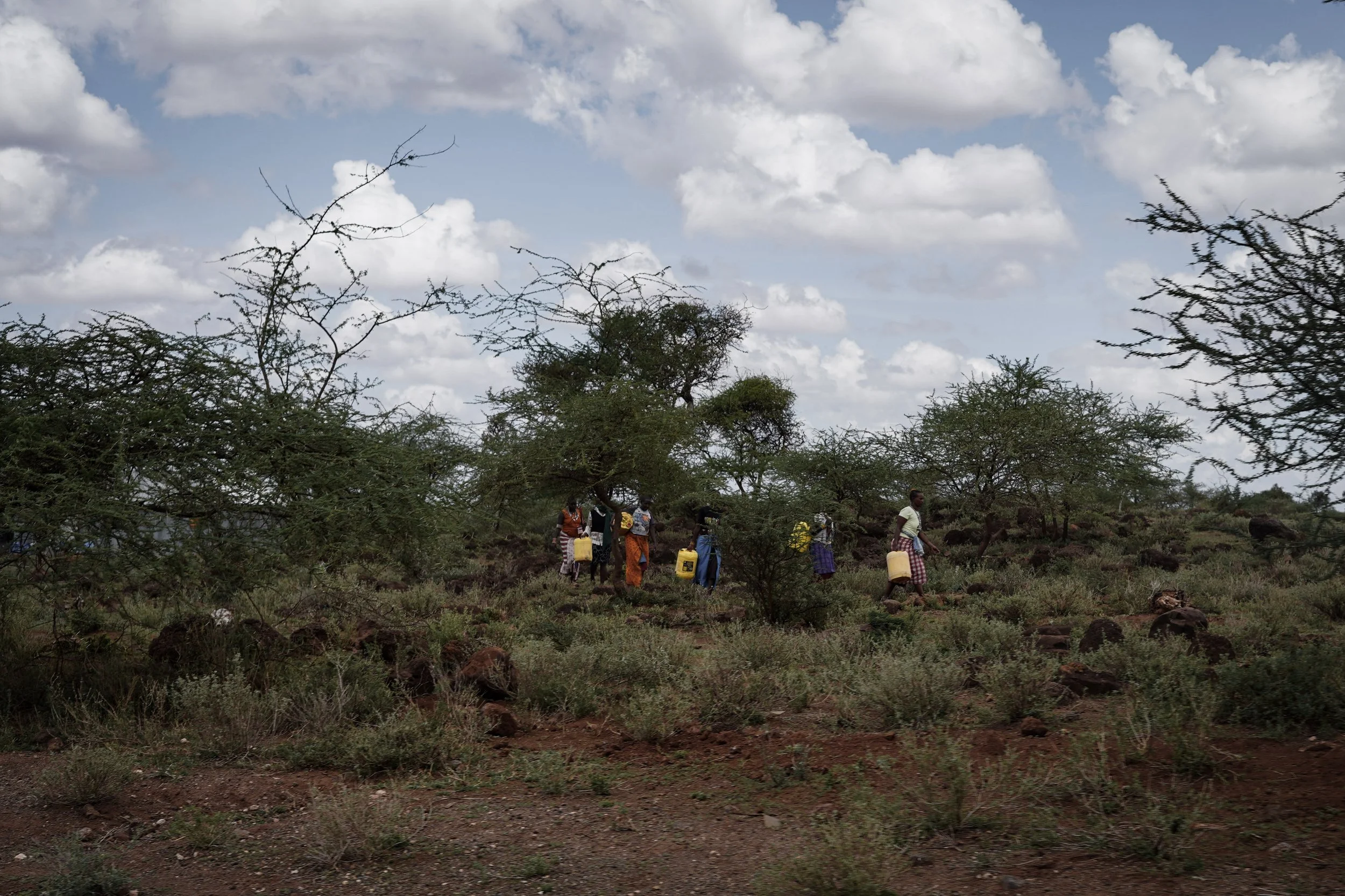
As a Black woman born and raised in America, my trip to Kenya highlighted the fact that my life, like many other Black American lives, has been shaped by disconnection. Black Americans have certainly cultivated a culture of our own in the United States with many practices, traditions, ways of speaking, dancing, and more that mirror that of our motherland.
But what I could not stop thinking about was all the moments outside of that. The moments we have to inhabit and navigate the spaces, environments, and systems outside of our culture.
Teams meetings.
Processed food.
Hustle culture and productivity as proof of worth.
We have spent years learning to navigate systems that were never built with us in mind. These systems reward speed, individualism, and a “by any mean’s necessary” mindset over community and, most importantly, humanity.
Many times in Kenya, I stood on my ancestors’ land and observed the contrast between my current home and my ancestral home.
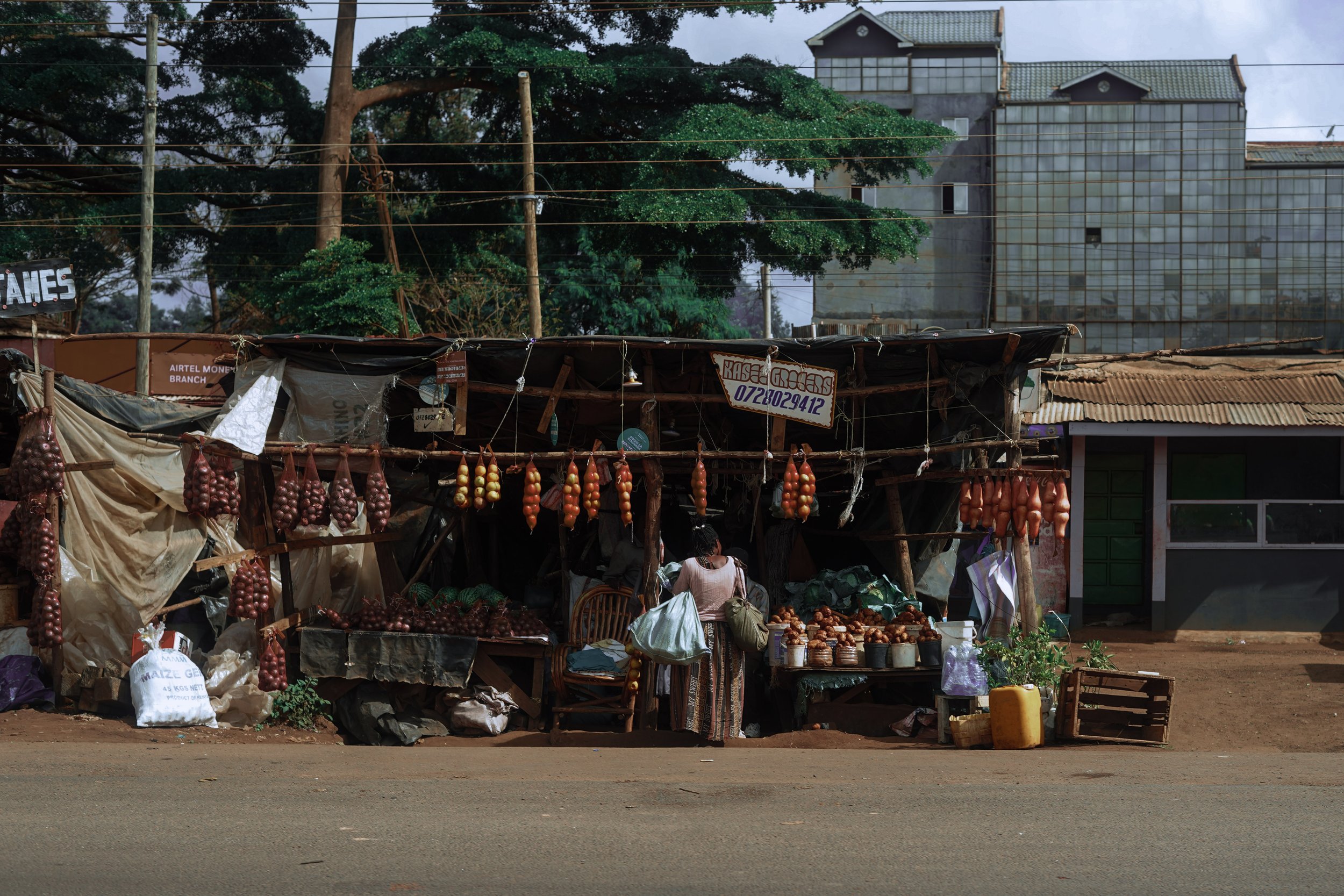
How did we go from vast and abundant land, slow paced living, and togetherness to a life where we rush and are busy for the sake of busy only to barely survive?
We were removed. We were displaced. And generations later, Black people carry an ache we cannot always name. A longing for something. When I arrived in Kenya, I just just been laid off from my job three weeks prior, and for the first time in a long time, I felt held by a place. Kenya, the land reflected to me the grief of injustice we experience in America.
Having just left a place I knew was not meant for me, I needed the comforting experience of a place with my name on it and with people who are more like me than not.
I listened to my guide speak about the land not as property, but as inheritance and responsibility. I saw a healthy and loving relationship with animals. I witnessed creative liberty that benefited the individual and the community. In these moments and others, I was profoundly inspired and felt greater responsibility to just be. Naturally, I’m a fast mover in almost every regard. Kenya was the revolution I needed to slow down. To allow life to come to me. To think as much about others as I think of myself.
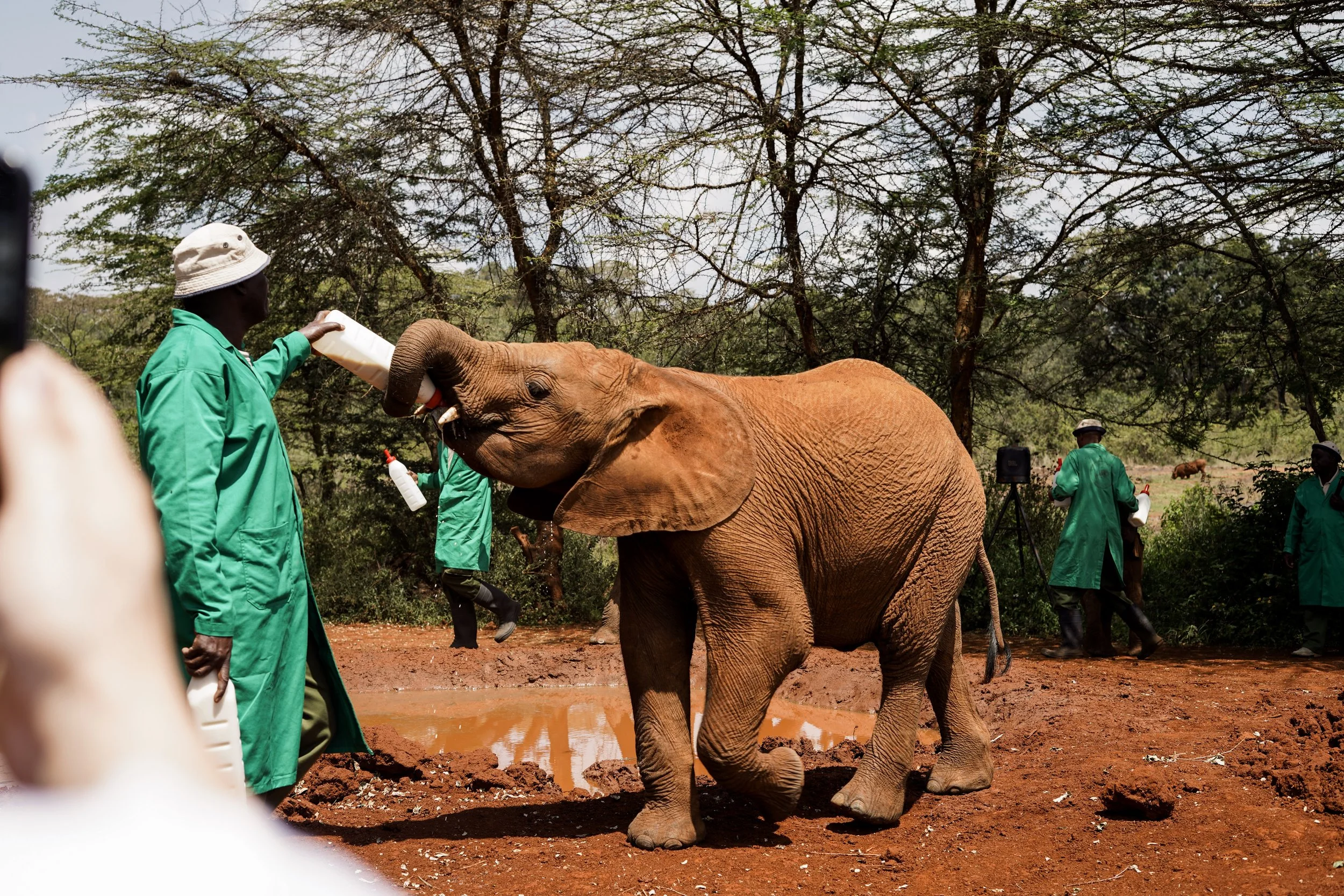
My time in the motherland made me realize that belonging is not always about where you were born. Sometimes it is about where you exhale. Where you can find pure air to breathe.
In America, Black people navigate a landscape shaped by capitalism, racial hierarchy, and performance. We learn to code-switch. To compress ourselves. To succeed inside structures that demand us to shape shift.
In Kenya, I did not feel the need to compress. I was not made to feel smaller. No one looked surprised by my existence. No one questioned my presence. I was not an anomaly. I was just—there. The simplicity of that felt radical.
A trip to the motherland cannot erase history or undo trauma. It cannot soothe centuries of displacement, but it can offer something powerful: perspective.
Our lineage did not begin in struggle.
Our story did not start with survival.
There was land. There was community. There was language. There was innovation, ownership, interconnectivity, governance, art, spirituality. There was fullness.
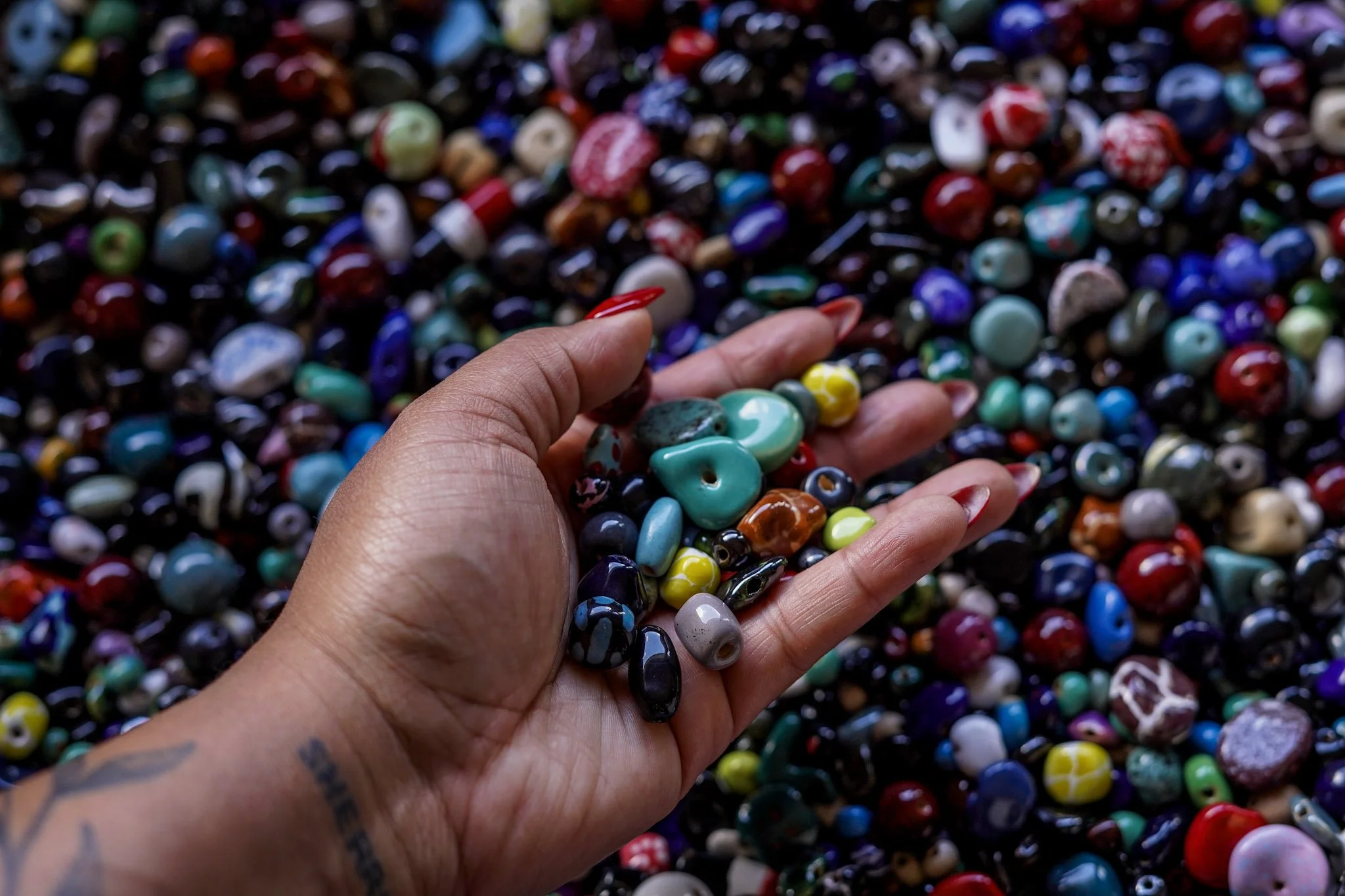
Traveling to the motherland for the first time can be a vacation, but it can also be a confrontation. It can be a wonderfully joyful experience that also has heavy moments. It can make you proud and cause you to grieve at once. In Kenya, I was compelled to embrace this dichotomy.
Time in our ancestral home should make you question your own world.
Standing on Kenyan soil, I understood that the cost of our displacement has been disconnection. The disconnection, though, does not have to be permanent.
We can visit. We can learn. We can reconnect.
Travel to our original home can recalibrate our internal compass. It can remind us that our identity is larger than the borders that contain us.
When I returned home, I did not feel like I was leaving something behind. I felt like I was carrying something forward. I was ignited to live at a steadier pace and to breathe deeper breaths.
Kenya did not give me something new but rather returned something that was already mine.
Having just been laid off, I had prayed that when I landed in Kenya, I would find the answers to questions I had been holding on to for quite some time.
I’m not sure what answers I was expecting, but what I got was that, even when I did not have the job or financial security I once did, I was not at all lost. Since I’ve been back home, God gently reminds me of this often. To other children of the diaspora, this message is for you too.
We are not lost.
We are not wandering.
We belong.
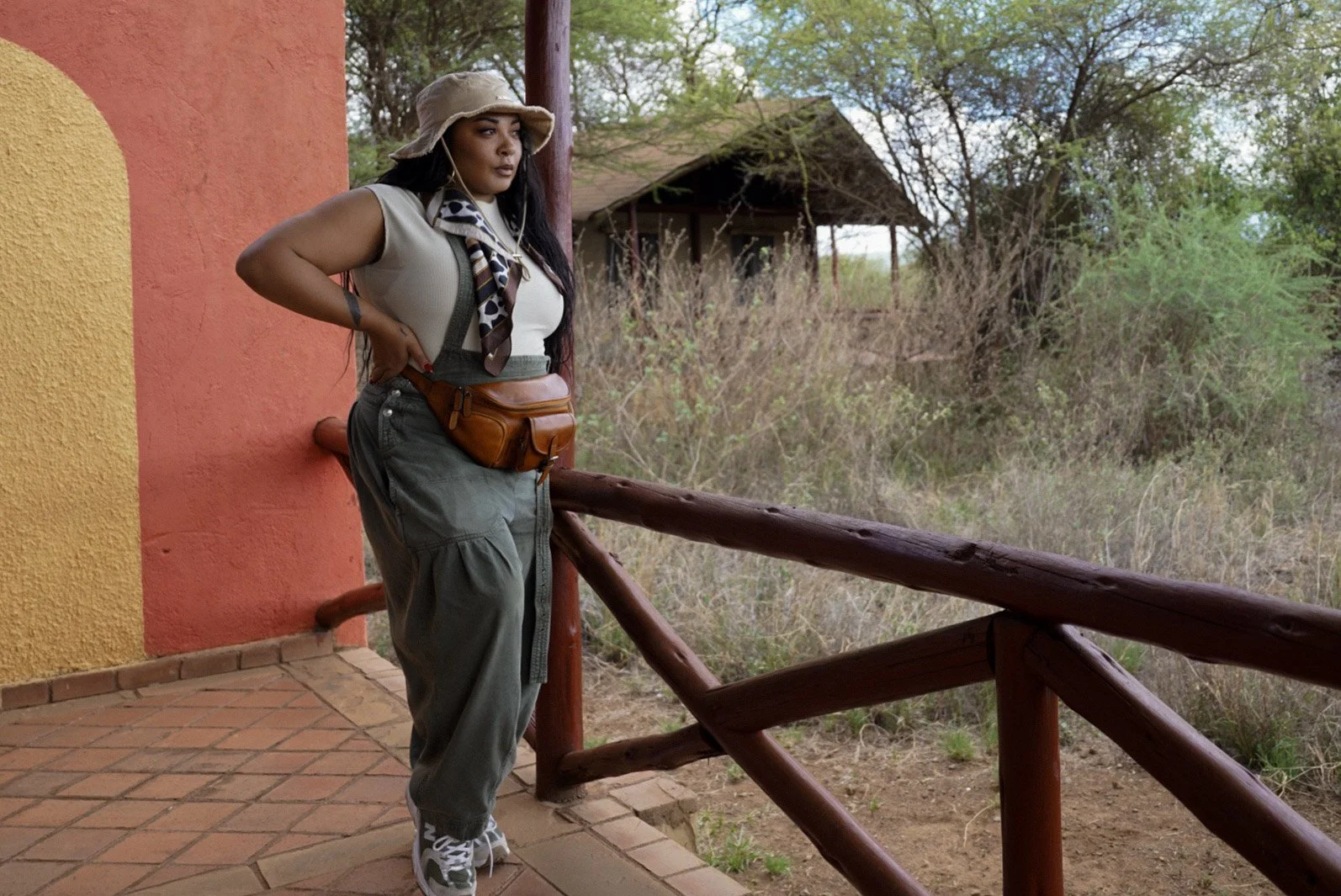
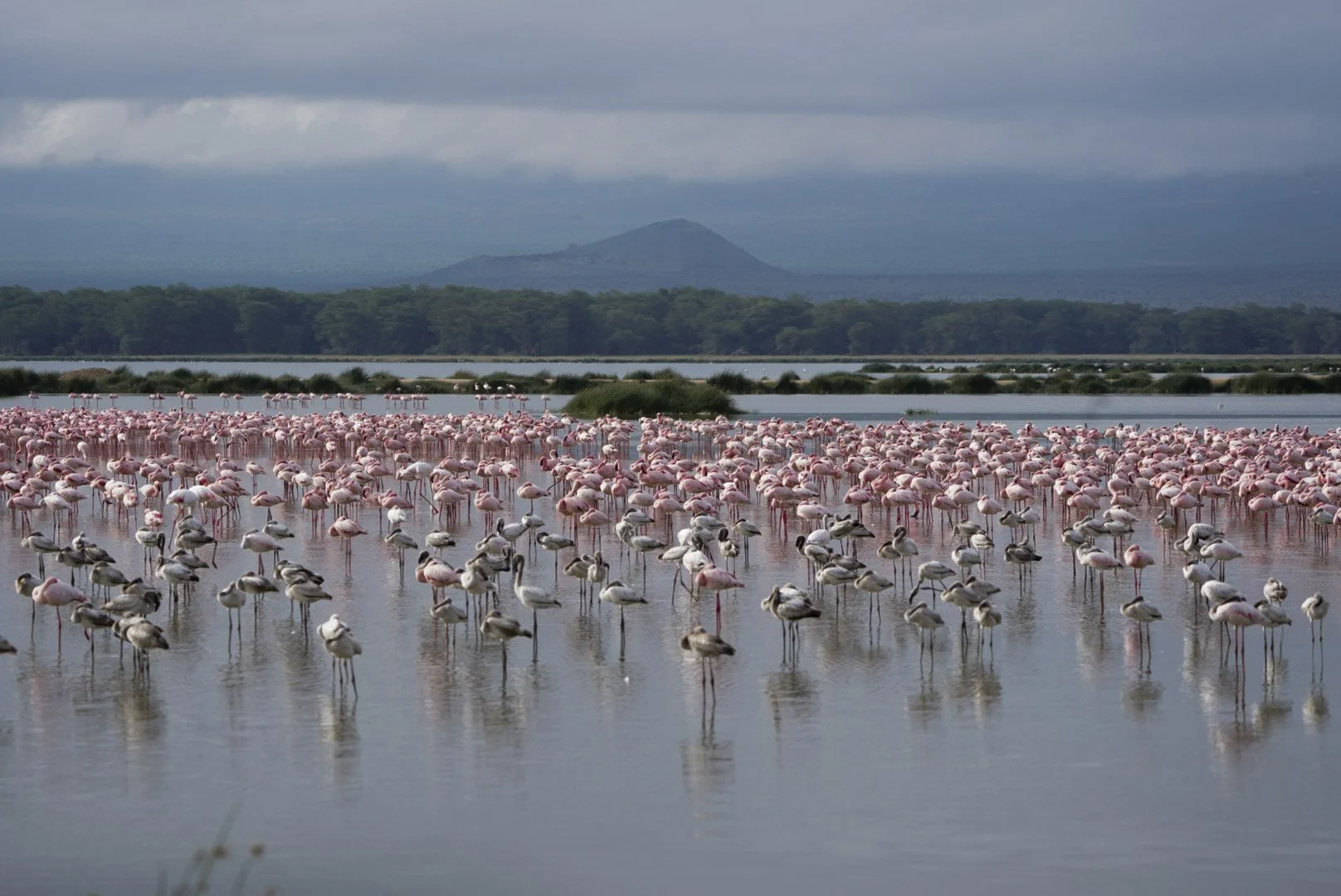

Everyone tells you to book a Kenya safari between June and October. I went in November instead and spent two weeks across the Maasai Mara, Amboseli, and the Great Rift Valley Lake System. It rained exactly twice, both times overnight. What I got instead was green landscapes, thinner crowds, and newborn wildlife everywhere I looked.