
10 Things You’ll Be Glad You Packed for Your Kenya Safari
Packing for a safari isn’t hard, but it is strategic. On safari, there are early mornings, long commutes, dusty roads, blazing sun, and unexpected moments where you might need things you may not have thought of unless you were warned beforehand. After spending time in the Maasai Mara, Amboseli, and beyond, here are ten things you’ll be grateful you brought along.
1. Toilet Paper
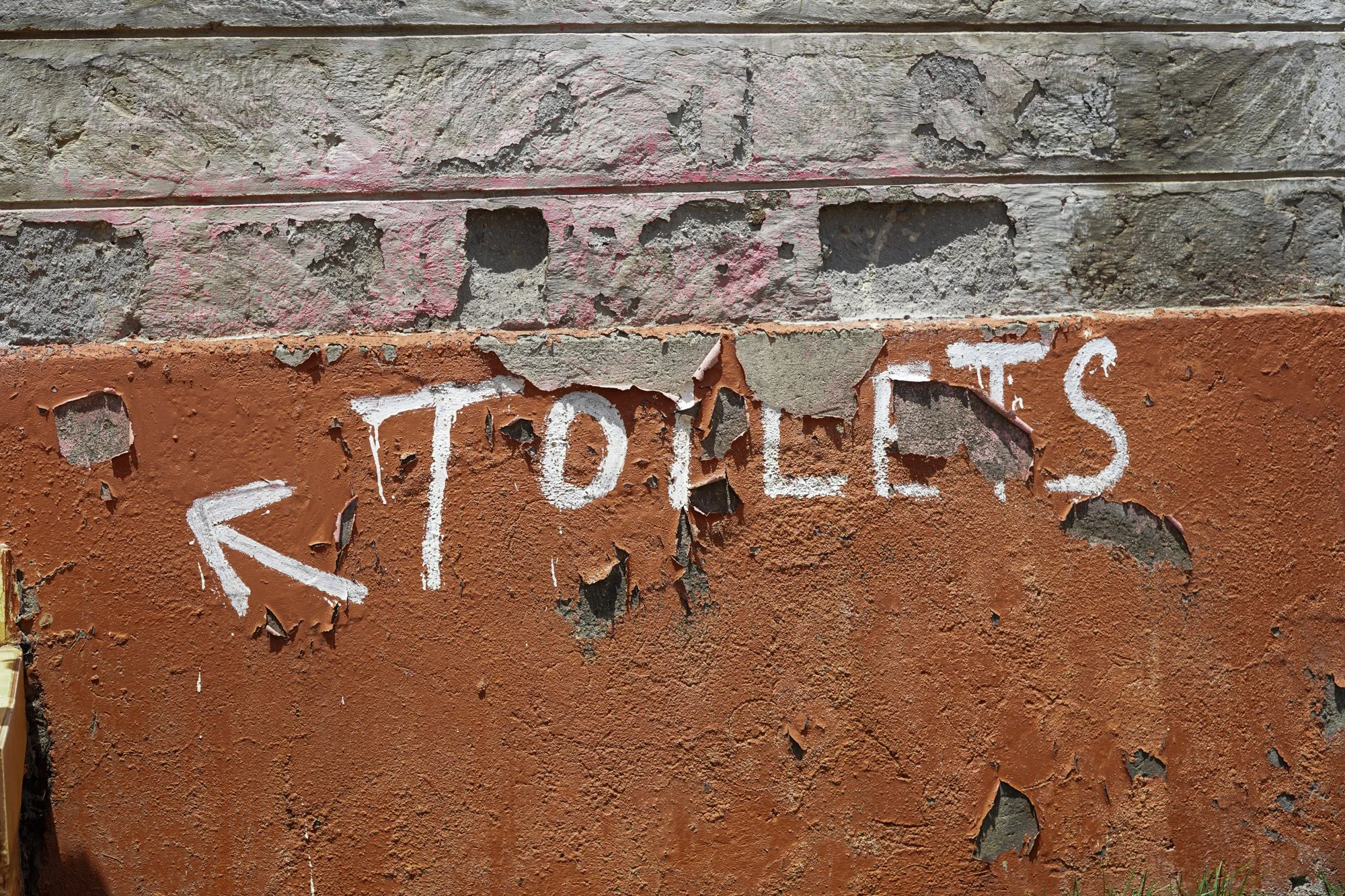
Truthfully, bathroom breaks on safari are not always glamorous. You’ll often stop at curio shops and even roadside outhouses that are simply a hole in the ground and/or don’t have toilet paper at all. A travel-size roll or even the leftover roll from whatever hotel you last left will suffice to tuck in your bag to avoid any surprises. This is one of those items you hope you don’t need, but I, in fact, did, so I’m recommending it to you. For just $4, I purchased this two-roll pack of coreless portable toilet tissue that was more than enough for a 10-day trip.
2. Hand Sanitizer & Wet Wipes
Hand sanitizer is great for your hands before you eat or after you touch animals or open doors, but wet wipes were something I didn’t take that I absolutely needed. On safari, there is dust everywhere, so wet wipes are best for wiping down your phone, camera, etc.
3. The Right Camera Equipment
You don’t have to be a professional photographer, but I do believe for such a unique and luxurious experience, your phone camera won’t cut it. I would recommend a nice beginner or intermediate camera with a good zoom lens. If you’re not going to dump footage every day, then I would also suggest extra memory cards and even extra batteries. My curated collection houses all the equipment I think you might need.
4. Mosquito Repellent
Mosquitos will find you anywhere, but in Kenya they are most active at night. There was mosquito netting around the bed almost everywhere we stayed, but I would also recommend wearing a bit of repellent to avoid bites as much as you can, especially for outdoor dinners and sleeping. I didn’t necessarily want to use a spray, so I chose Murphy’s Naturals that is a salve you can rub in select spots. Though it can be hot at night, you can also sleep in long, lightweight pajamas to help mitigate mosquito bites.
5. Cash
This is not necessarily surprising, because you should have a bit of cash on every trip you take, but for Kenya specifically, many of the ATMS that dispensed US dollars were not working. Most places accepted card, but there were a handful of places like the Maasai village where you need cash to make purchases so you’ll want to bring some along from your home country.
6. Eye Protection
Sunglasses or clear protective glasses will save your eyes from wind, sand, and debris, especially on game drives because you’ll likely be keeping the jeep windows open, but also during long commutes. You’ll likely be able to see the animals better without sunglasses, but between animal sightings, you’ll also want to put them on because the sun can be very bright staring across wide-open savannahs for hours.
7. Fanny Pack or Essentials Bag
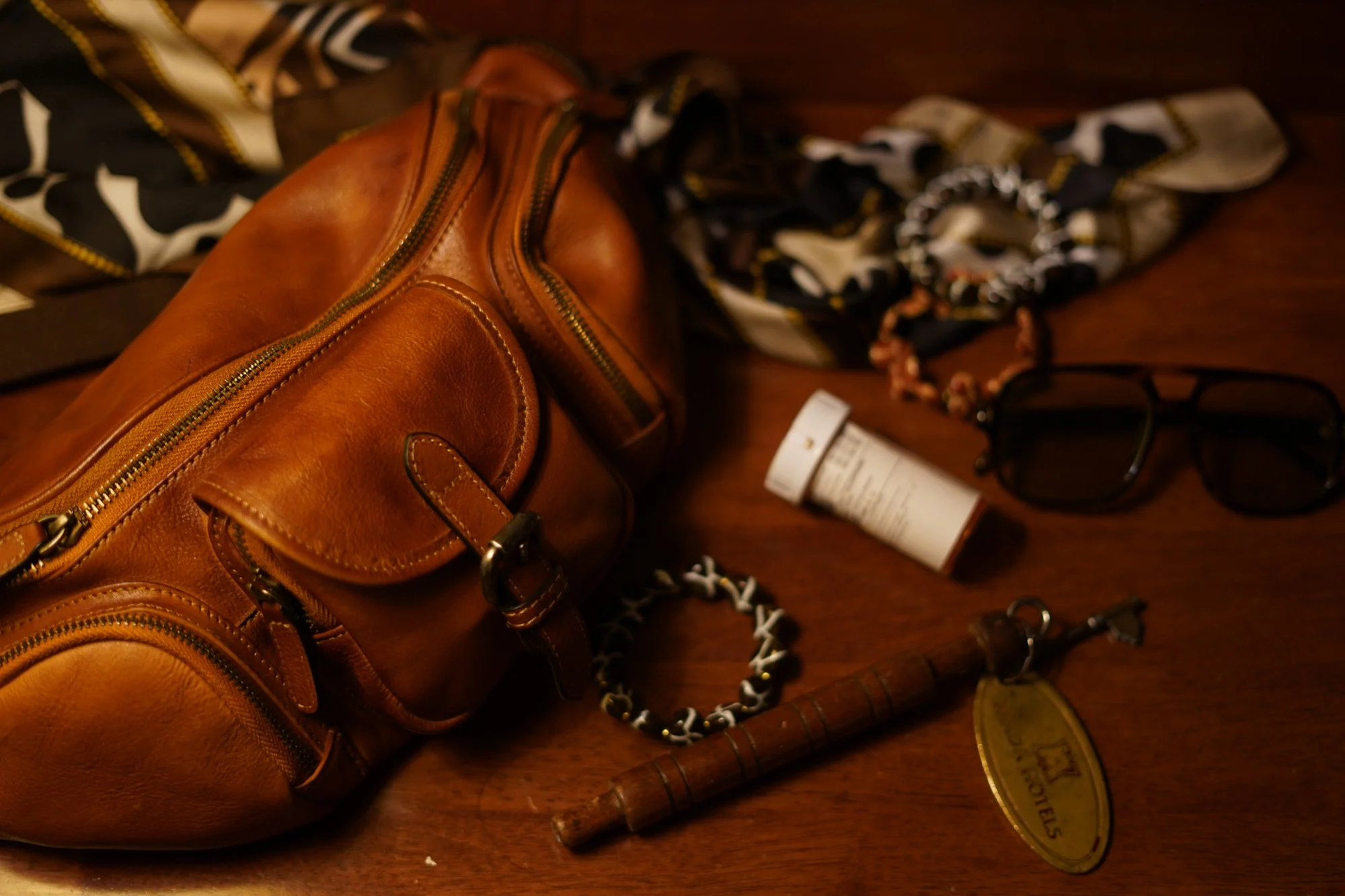
When you’re climbing in and out of safari vehicles, you need your essentials in one place. You’ll obviously have your luggage, which is no more than maybe a backpack and a smaller bag, but these are normally not accessible during your drives. A fanny pack keeps your passport, tissues, sunscreen, lip balm, cash and anything you may regularly need accessible.
8. Flashlight
Safari camps get dark at night, especially after the generator shuts down. The sun sets at 6:30pm daily, and you’ll have to walk back to your tent after dinner plus you’ll often be rising and heading out before the sun is up. Everywhere we stayed, there was staff available to walk us to our rooms at night and to collect us from our rooms in the mornings, but on the chance you have to leave your room in the middle of the night or at some other time that staff is not available, then you’ll want to have a flashlight or headlamp. Try this one for just $8.
9. Portable Power Bank
Between photos and videos, your phone’s battery will tap out at some point. Game drives can be two hours long or more and commutes can be between five and six hours long. Camps have adequate charging available once you are in your tent or room, but during the day, a portable power bank ensures your devices stay alive, which is especially important if you don’t bring a camera and you’re using your phone for photography.
10. A Blanket or Light Covering
We spent a good amount of time sleeping on our commutes, and if you’re like me, a blanket can help you sleep a bit better, even in a safari truck. You’ll also be moving around pretty early in the morning when it’s still chilly, so a light blanket is nice to have until you experience some warmth from the sun around midday.

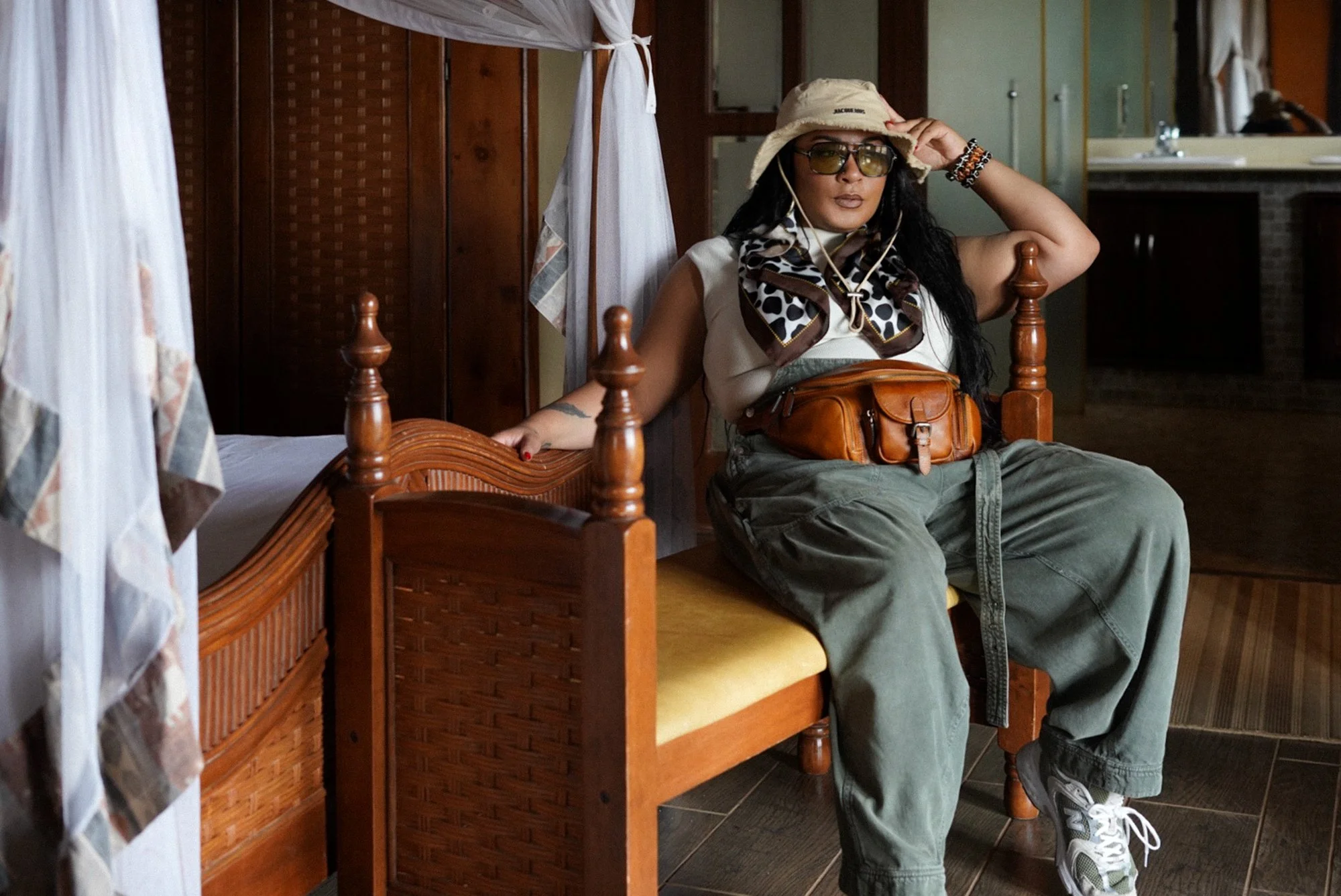
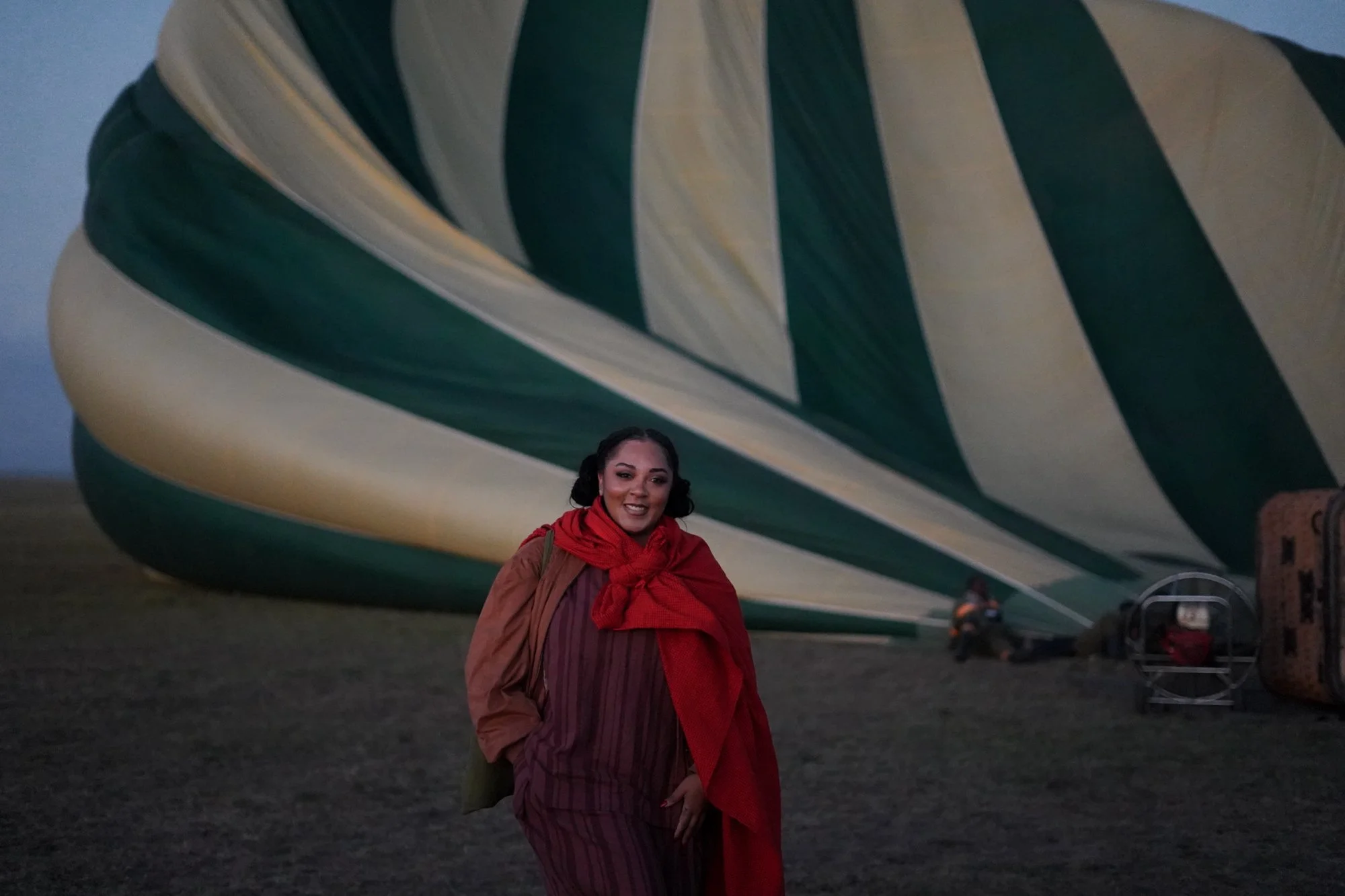
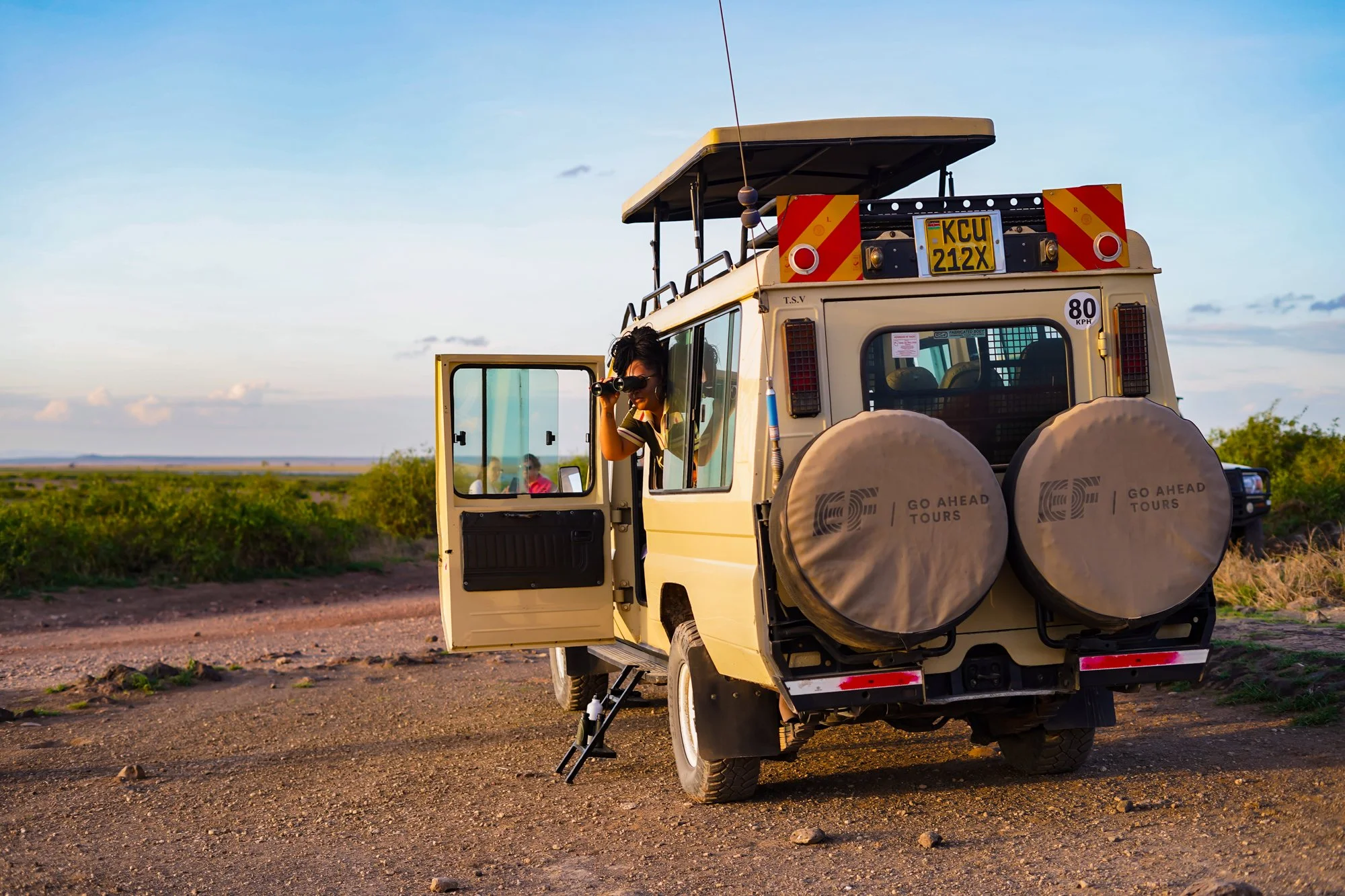

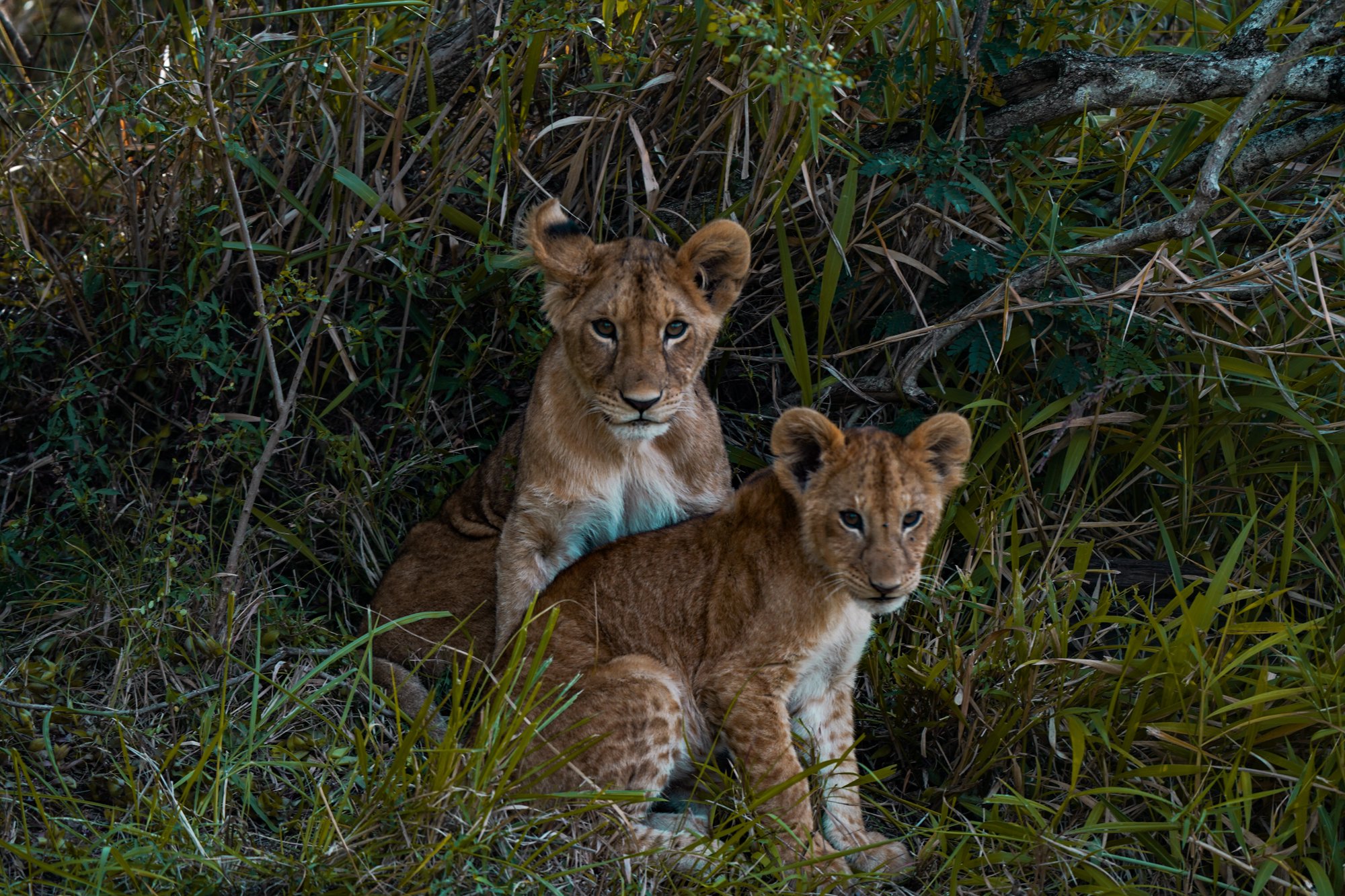
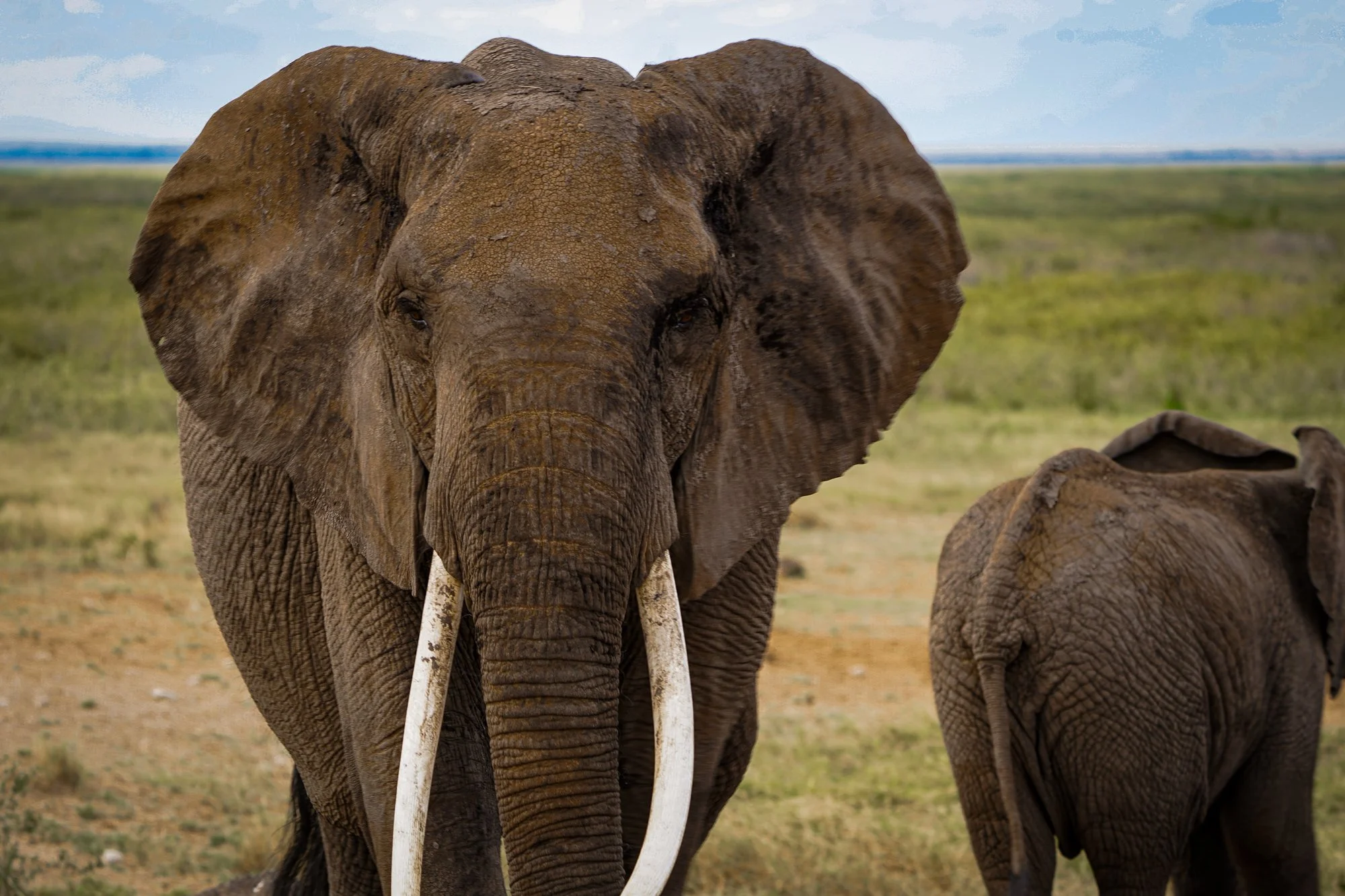

If you’re trying to figure out what to wear on safari, the answer is probably less than you think. I packed one pair of pants, changed my tops, used laundry services at every camp, and still felt put together in every photo. Here’s exactly what I wore on safari and the packing list I’d use again.