
Travel Jamaica
Land of Wood and Water
Destination Overview
Montego Bay is one of Jamaica’s most recognizable cities, known for its turquoise water and easy access to resorts. Montego Bay is a natural starting point for iconic experiences like rafting down the Martha Brae River, where bamboo rafts glide through lush scenery just outside the city. Beyond the beaches, I learned while there that Jamaica’s national colors tell their own story: black represents the strength and resilience of the people, gold reflects the island’s natural wealth and sunlight, and green symbolizes the land’s rich vegetation and hope for the future. These elements ground Montego Bay not just as a vacation destination, but as a place shaped by enduring cultural pride.
Before You Go
Best Time to Visit
The best time to visit Jamaica is typically December through April when the weather is warm, sunny, and slightly less humid. This is also peak tourism season, so expect higher hotel prices and larger crowds.
Hurricane season runs from June through November, with the highest storm risk usually falling between August and October. I traveled during storm season and quickly learned how fast tropical weather can shift. If you travel during this time, flexibility is important and travel insurance is worth considering.
Currency + Language
The official currency is the Jamaican Dollar (JMD), but U.S. dollars are accepted in many tourist areas. English is the official language, alongside Jamaican Patois, which I personally love to listen to, even if I don’t always understand it.
Getting Around
Many travelers use private drivers, hotel transportation, or organized excursions to get around the island.
Explore More

Watch the Vlog
A tropical storm changed my plans in Jamaica, but that just became part of the story. This vlog captures a slower few days in Montego Bay. Quiet moments at the resort. Coastal views. Local food.
It’s less of a “perfect itinerary” and more of a real look at what travel can feel like when you surrender to the moment instead of trying to control your outcome.
Food in Jamaica
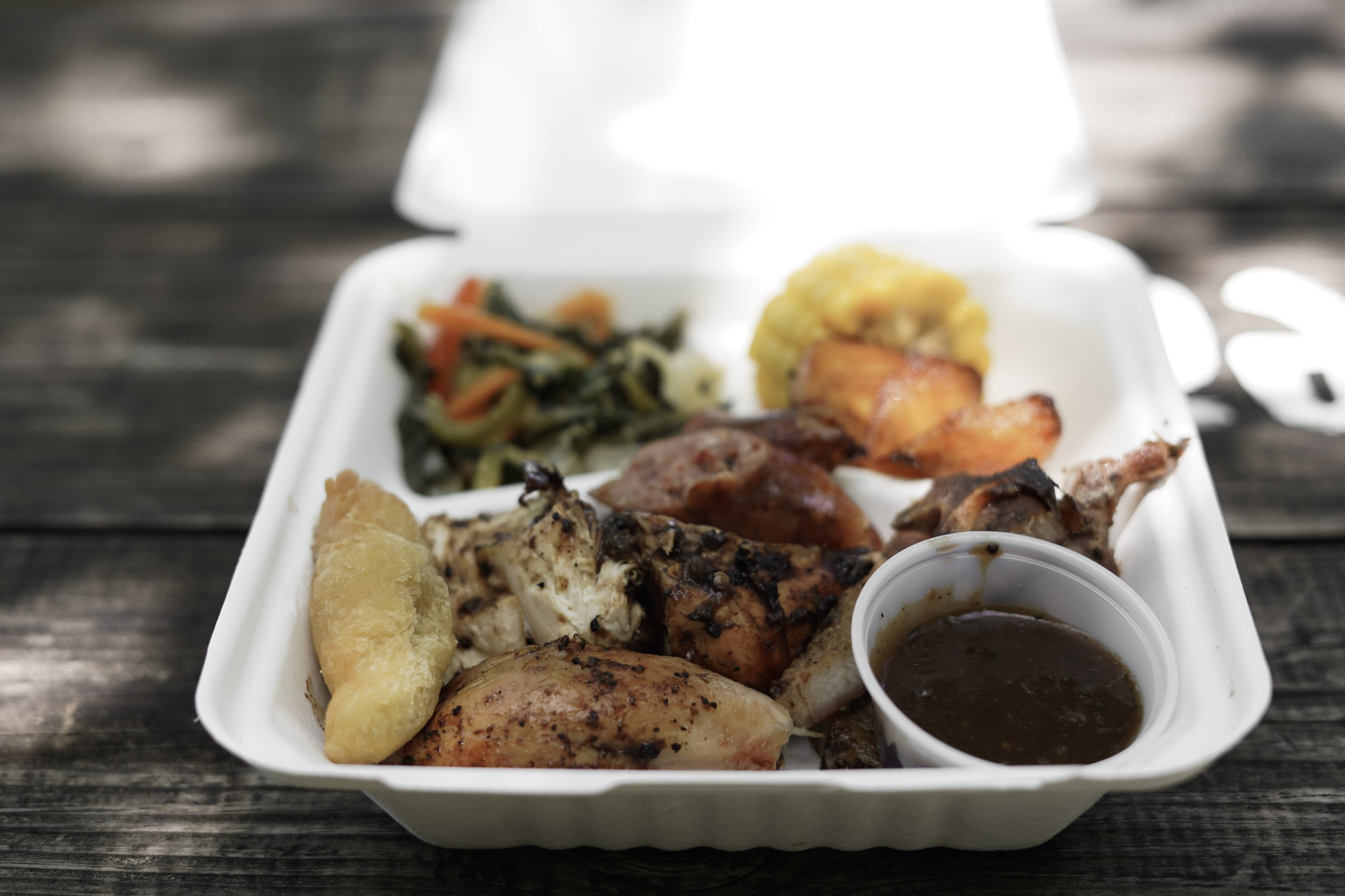
Jamaican cuisine reflects African, Indigenous, Indian, Chinese, and European influences, creating some of the boldest flavors you’ll ever taste. We all know jerk chicken right? Here are some other foods to try:
Jerk chicken
Curry goat
Ackee and saltfish
Rice and peas
Fried plantains
Jamaican patties
Festival bread
Fresh tropical fruit juices
Meals often feel communal and unhurried—on island time—but that’s something I’ve actually come to love about the Caribbean.
Shop Local
One of my favorite parts of traveling is bringing home items that feel connected to the place and the people I met there.
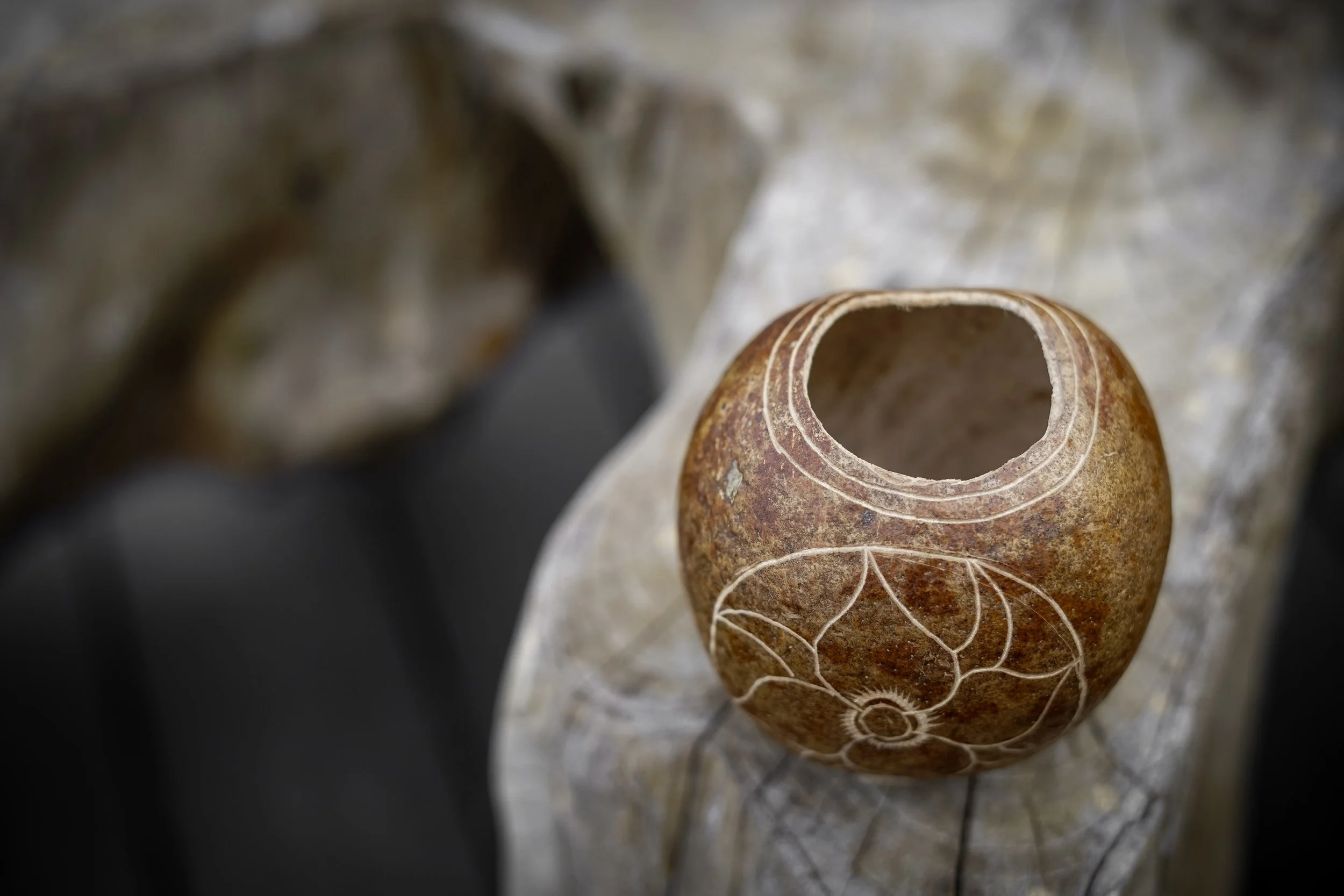
During my rafting tour on the Martha Brae River, my raft captain Damien showed me a handmade carved cup he created himself, and I bought it, no questions asked. It’s still one of my favorite travel purchases because I’ll always remember the artisan behind it.
I also picked up handmade wooden bowls, carved turtle figurines, dolls, and a leather wallet from local vendors during my trip. Supporting local artisans while traveling allows your money to stay within the community while also preserving craftsmanship and cultural traditions that mass tourism often overlooks.
Jamaica is a breathtaking country, and while there, I learned so much about the culture including the flag's symbolism, the origins of jerk food, of which I had my fill, and of course I heard the music of the great Bob Marley.