
8 Life Lessons I Didn’t Expect to Learn on Safari
I, of course, expected to see wild animals and be in awe. I expected bumpy jeeps rides and early mornings because I had done enough research to know safari basics.
I did not expect a safari to be such a reflective experience.
A safari slows you down and you can’t know what will come to you from moment to moment. You’re driving unhurriedly through vast land and a good amount of that time is just—waiting.
It’s not the nervous or anxious kind of waiting. It’s the excited and anticipatory kind. You know you’ll get a glimpse of something, but you don’t know what, where or when.
During the time I waited, a few lessons came to mind.
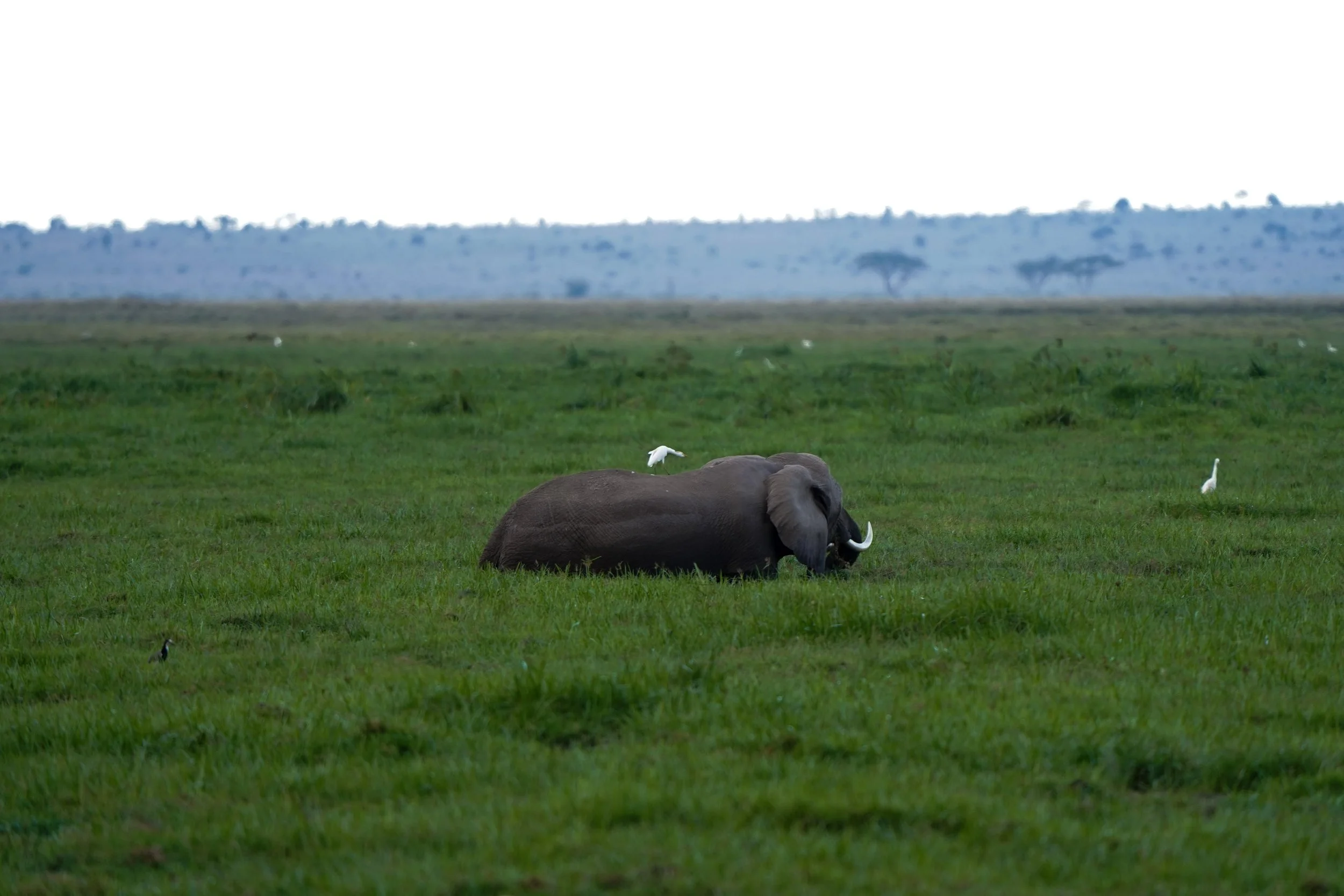
1. The Best Moments Require Patience
There were moments when we drove 15 or 20 minutes without seeing much of anything. Maybe a few birds and a lot of dust.
Even when you know an animal might be nearby, you wait. You watch and you are mostly still. Sometimes you arrive to a site where an animal has been spotted and there’s already a semicircle of vehicles blocking the view.
This isn’t the moment to get frustrated. When you think you can’t wait any longer, wait some more.
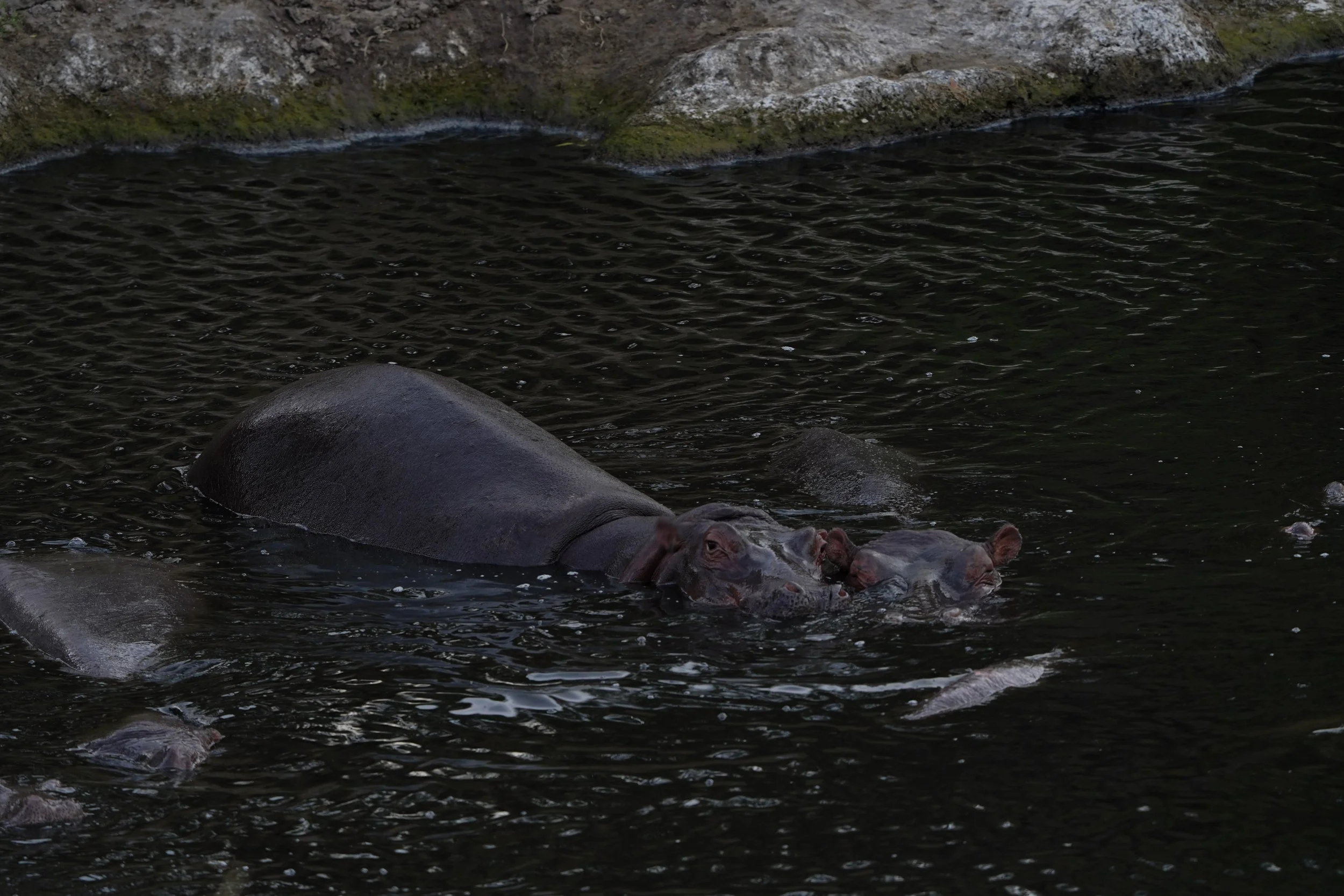
Suddenly, you see four lion cubs hidden in the bush or a leopard scaling a tree or a bloat of hippos emerging from the water.
The moment always comes, it just may not be when you expect.
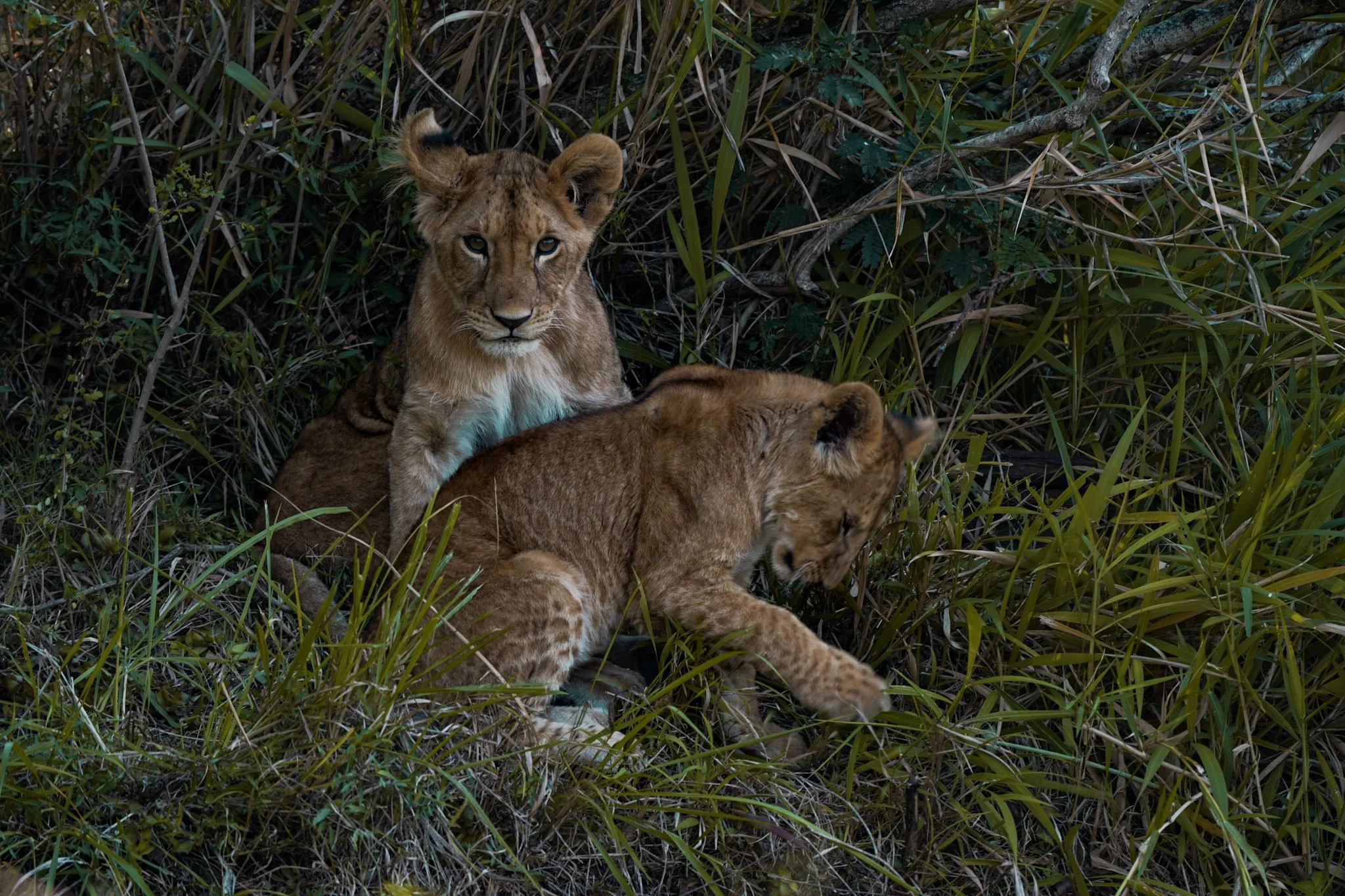
2. Seize Opportunity While It’s Available
Some animals are elusive or very well camouflaged. You simply have to be prepared to shoot at all times.
You stay ready so you don’t have to get ready.
Life is the same way, yes? A posting. An invitation. An idea. The window opens, but it also can close.
You want to be able to say you didn’t hesitate and ultimately, that you got the shot.
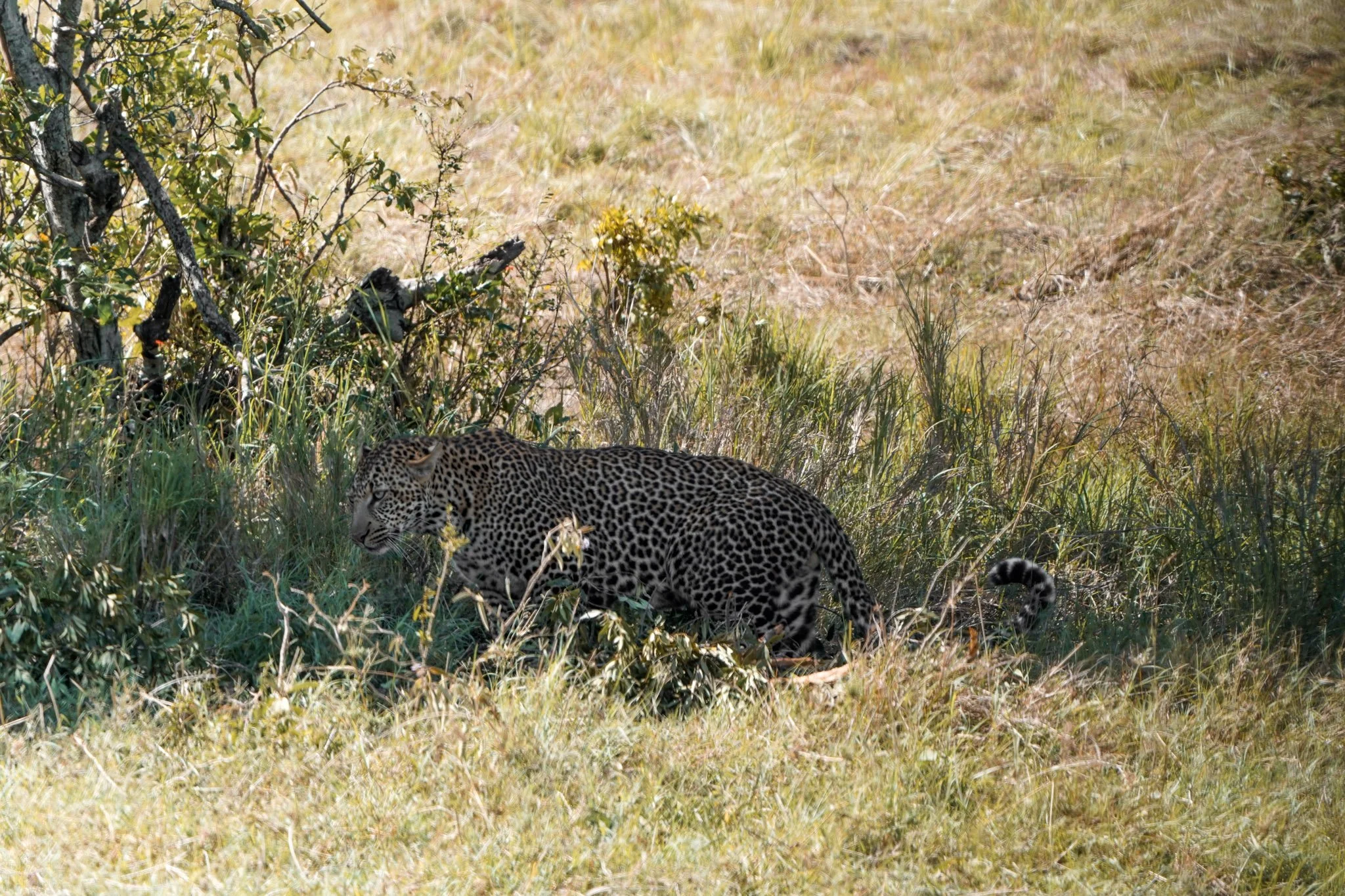
3. Trust Is the Foundation of Community
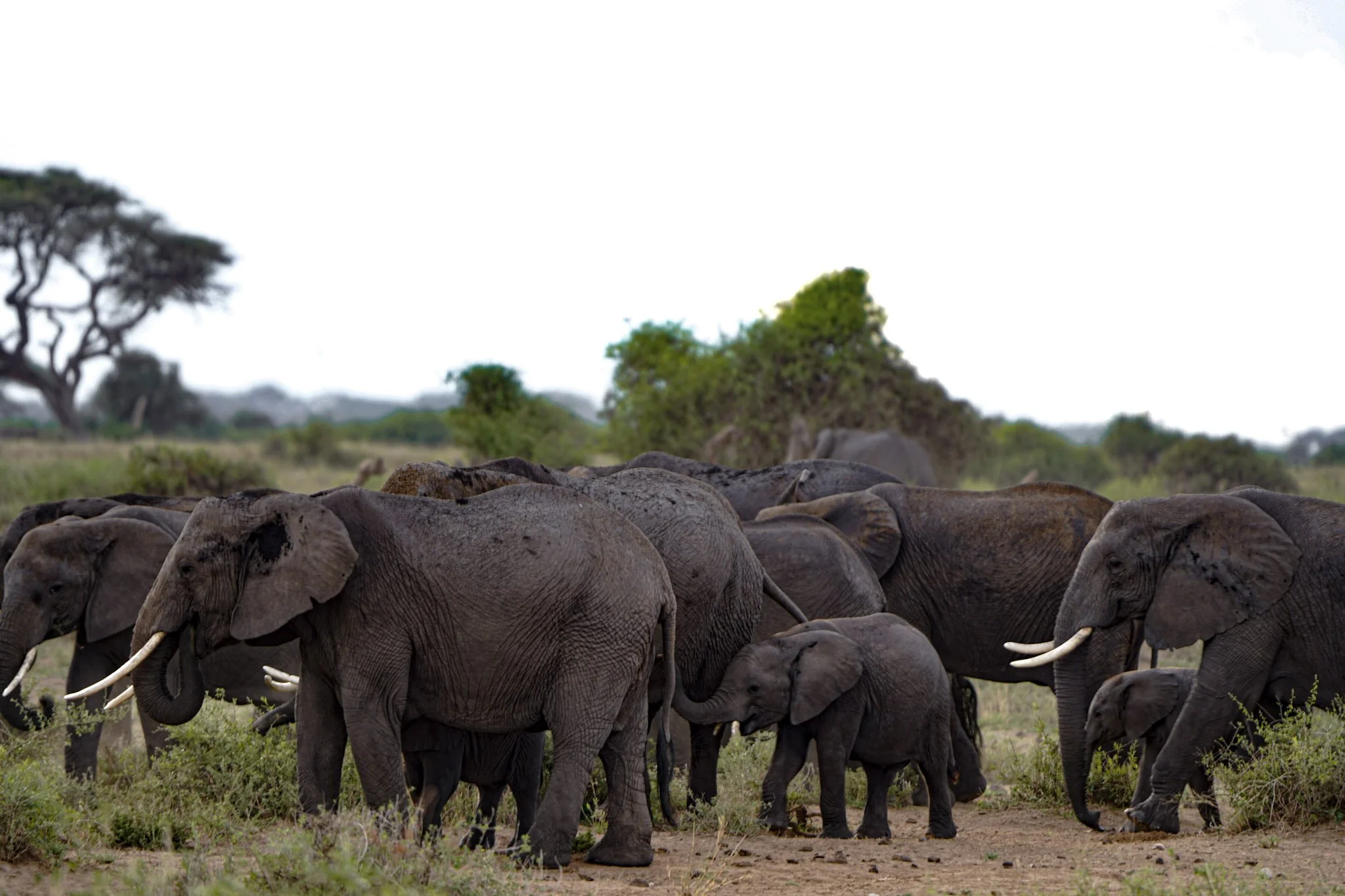
Watching elephants cross the road may have been one of the most interesting moments I experienced because they’re my favorite animal but also because you could see them processing in real time.
We know them to be very smart and instinctive animals, so when it was time to cross between a sea of safari jeeps, the matriarch stepped first, testing the path. Calves stayed protected in the center. One brought up the rear, watchful and alert. There was clearly an understood system and no one broke rank or moved alone.
They trusted leadership and each other. Community works when everyone understands their role and believes they will be protected inside it.
4. Sometimes Silence Is Necessary
It’s not that you can’t talk, but it’s probably best not to, and if you do, do so quietly.
I love the sound of nature, so I’m immediately in listening mode when I’m outdoors.
In the silence, you hear things you would otherwise miss. You can hear the animals communicating amongst each other, the sound of another jeep approaching, the wind rippling through the leaves or a nearby body of water.
Life at home can be so noisy, but moments of silence sharpen our perception and allow us to hear our own thoughts. Silence gives you a moment to sense and process what maybe coming before it’s directly in your grasp or view.
5. Beauty Is Everywhere If You’re Willing to Look
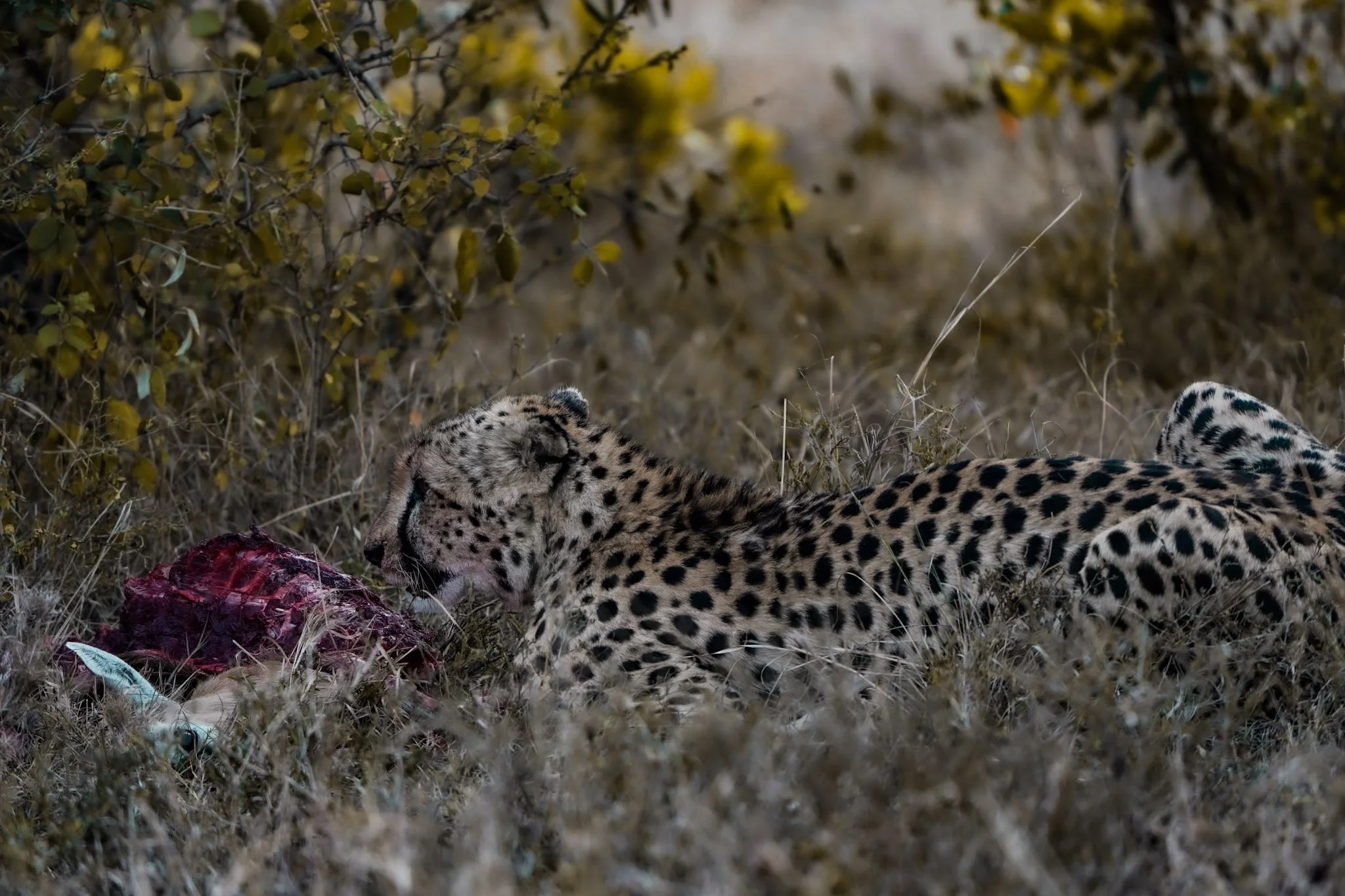
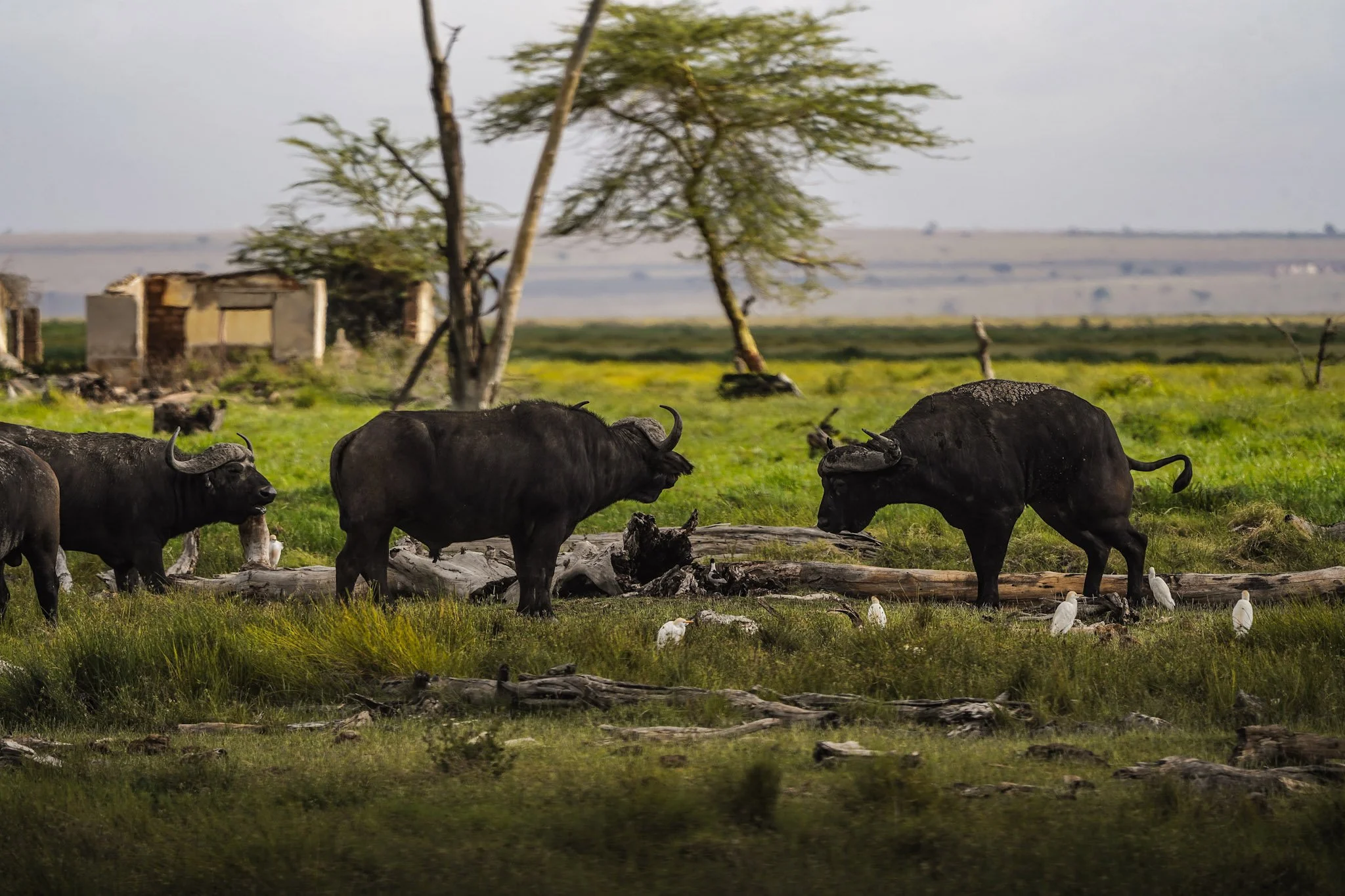
You show up excited for the big 5—lion, leopard, rhinoceros, elephant, and Cape buffalo. I don’t even know many people that are excited for the buffalos, if i’m being honest. You don’t see them on anyone’s vision board and you certainly don’t hear people topping their list with secretary birds or impala.
Up close, though, every animal is really quite beautiful. They each have distinctive qualities that make you appreciate them at the very least.
You realize the animals you want to see are generally on list because that’s what has been shown to us and deemed highly important or beautiful, but there is something about being able to witness other lesser celebrated animals in their natural habitat.
6. You Can Admire Something and Keep a Healthy Distance
Wildlife is breathtaking, but it is also very much still wild. Getting too close is dangerous.
Respect and healthy distance keeps everyone safe.
That lesson is rather transferable to human life.
There are people and environments that can be admired without direct access. You can appreciate something and still recognize it’s not safe for you.
Boundaries are important, friends.
7. You Are Not in Control and That’s the Point
You can’t make demands on safari. Not of the land, the weather, the animals, or your guide. Nothing on safari responds to urgency.
Whatever illusion of control you may have, you will have to get over quickly, and if you embrace that, it can be freeing.
I, historically, have been famous for trying to orchestrate things, but the more varied travel experiences I have, the more I recognize the importance of presence and paying attention to what is actually in front of me.
8. Awe Is a Reset
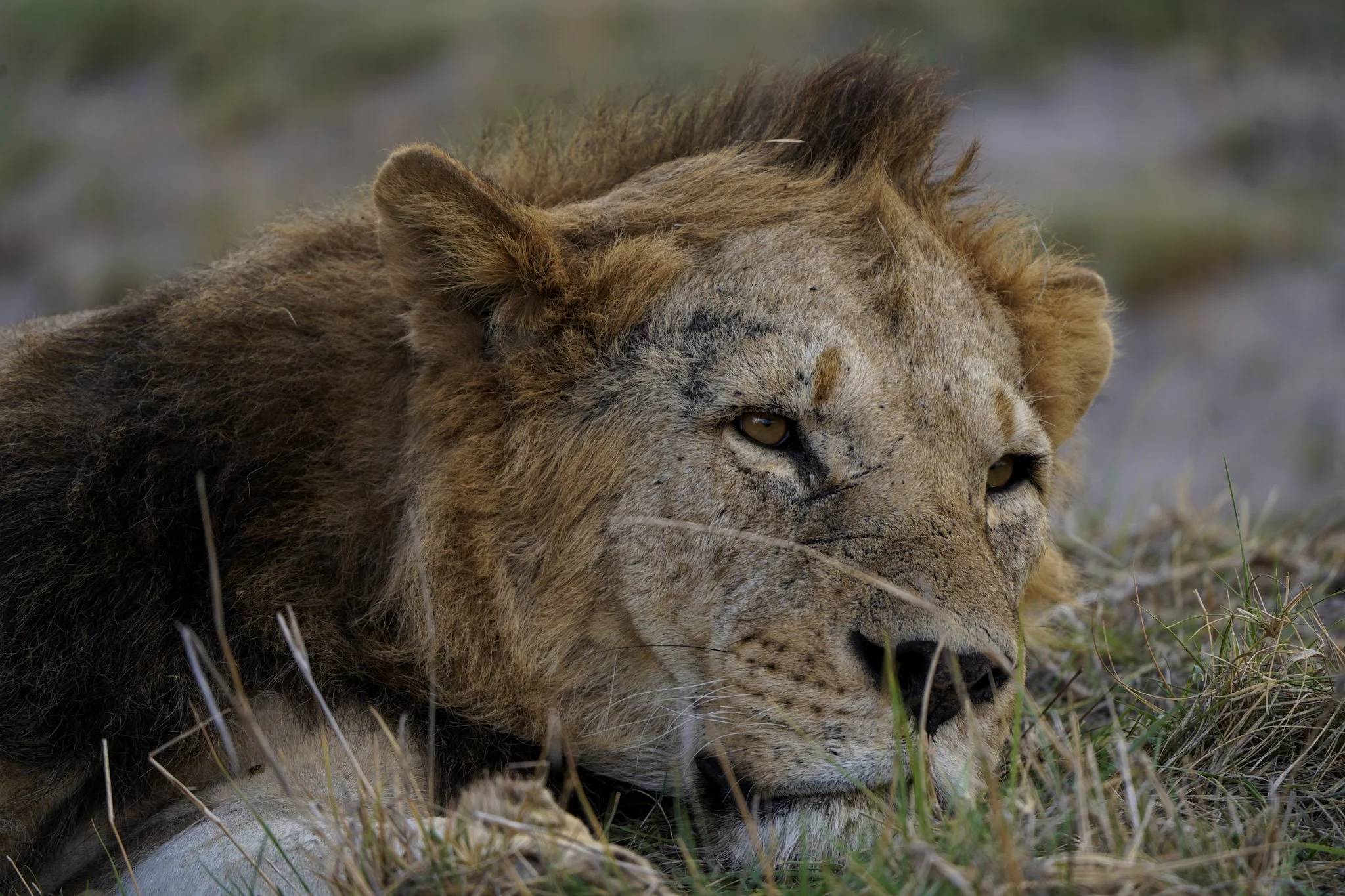
A safari, for me, was truly a dream come true. I spent half of the time in disbelief that I was even there and then the rest of the time excited about being fully immersed in this new environment.
I wasn’t getting emails. I had nothing to be anxious about. The days were long but extremely rewarding. And maybe most importantly, there was no urgency for anything. Since I am in the practice of slowing down, this was liberating.
Being on safari reminded me that the world is vast. I am both significant and also not the center of everything, which is a very sobering and grounding thought to have.
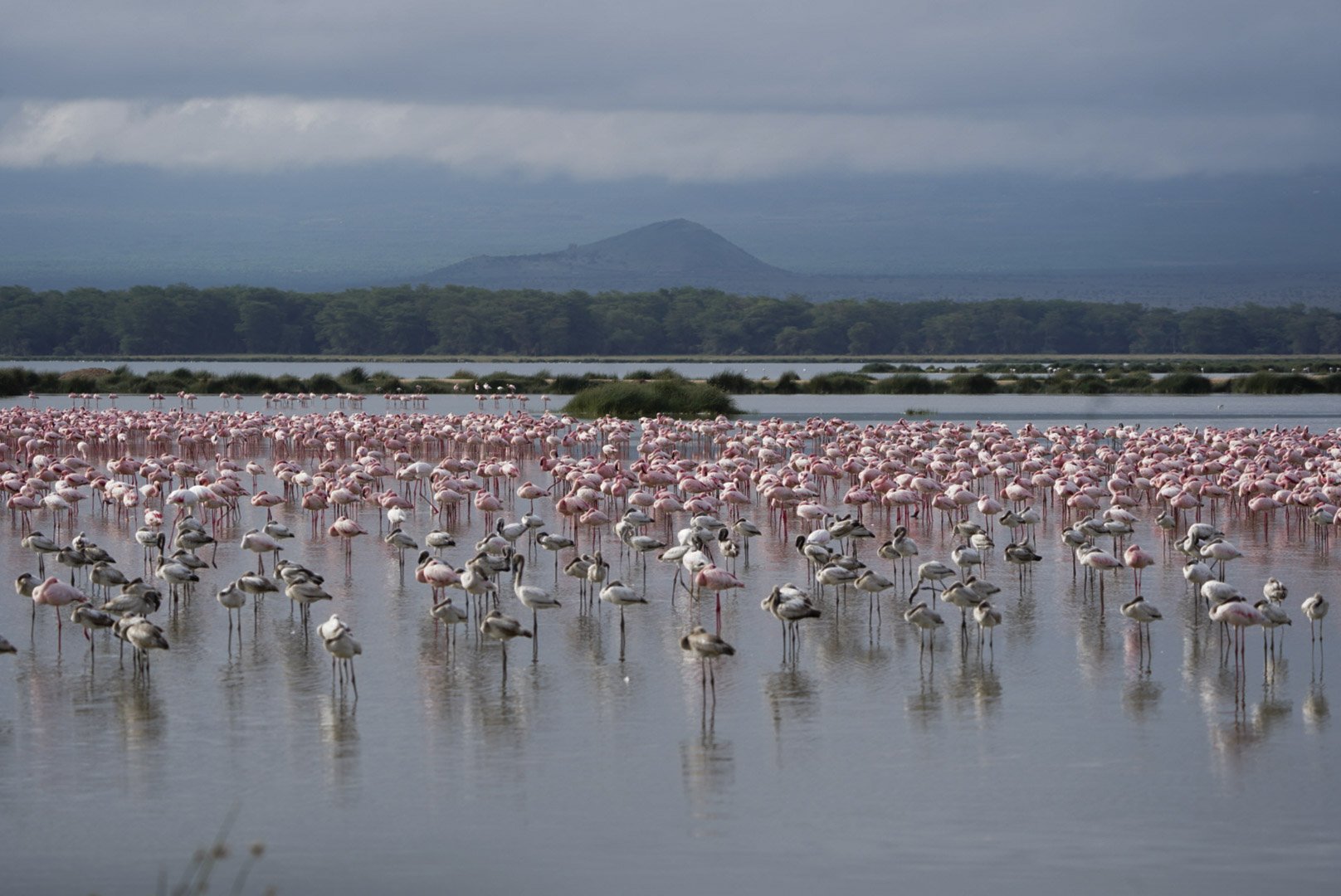


Everyone tells you to book a Kenya safari between June and October. I went in November instead and spent two weeks across the Maasai Mara, Amboseli, and the Great Rift Valley Lake System. It rained exactly twice, both times overnight. What I got instead was green landscapes, thinner crowds, and newborn wildlife everywhere I looked.