
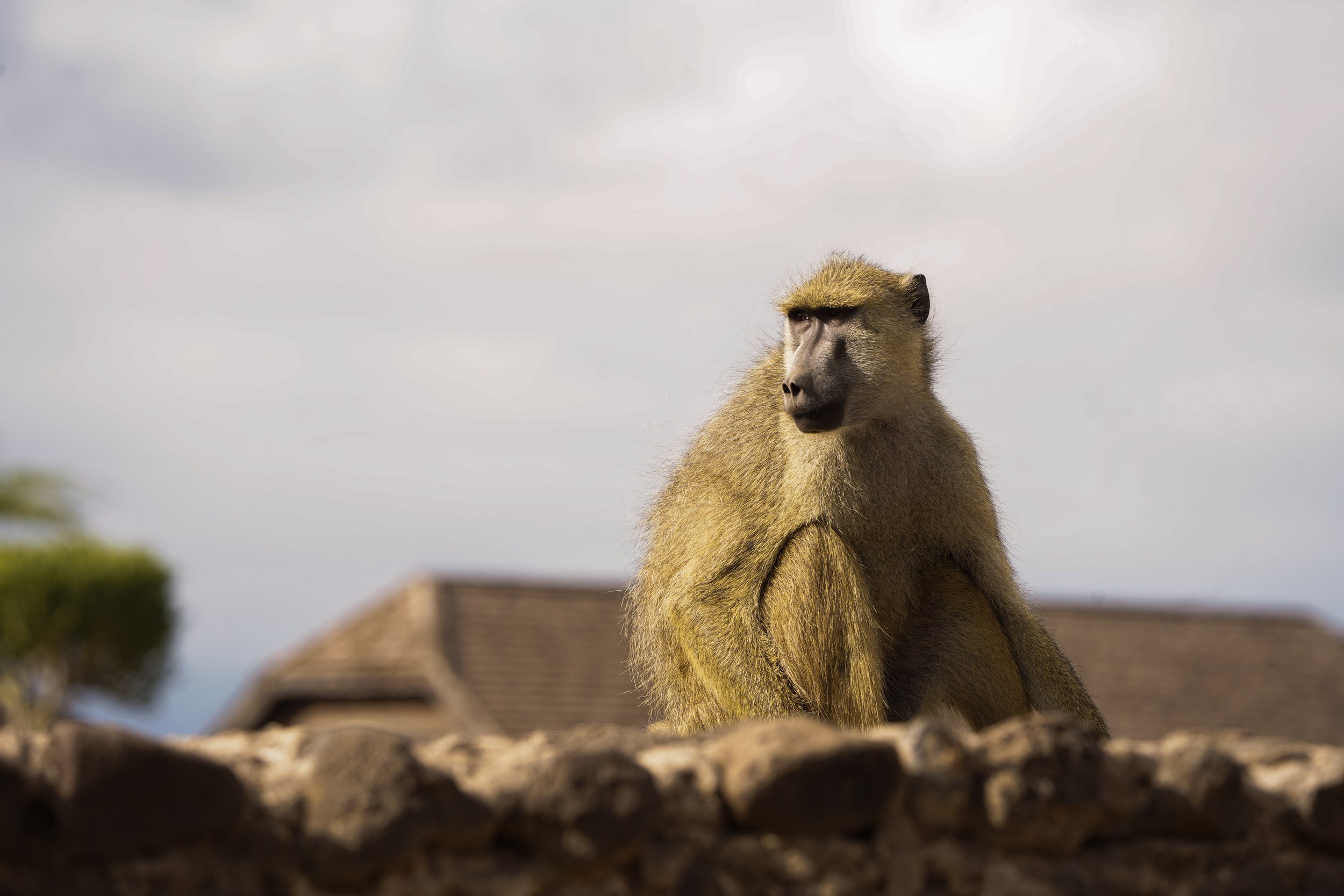
Travel Kenya
The Pride of Africa
Destination Overview
The name Kenya is drawn from Kirinyaga, “the place of whiteness,” a reference to the snow-capped peak of Mount Kenya. Amboseli means “salty dust” in Maa. Mara means “spotted,” describing the acacia-dotted plains you seen in most safari photos. Flying into Nairobi (late at night, might I add), you feel the energy of a capital that bridges modern Africa with history. The city, just like its people, is vibrant, proud, and welcoming.
This was a luxury experience, no question, with curated lodges, incredible tour guides, several sunrise and afternoon game drives, and cinematic moments that at times felt truly unreal. It was also the kind of trip that felt worth it for me, especially if you have not been “home” to the motherland before. Kenya gives you beauty and it gives you meaning. It gives you grounding. Having just been laid off three weeks before my trip to Kenya, I needed to experience familiarity and an exhale.
This page is a guide to everything I experienced, including where I stayed, what I saw, what moved me, and how I prepared for the trip of a lifetime. If you’re planning a safari, considering a trip to Kenya, or just curious about what it feels like to return to the continent in this way, let this be your starting place.
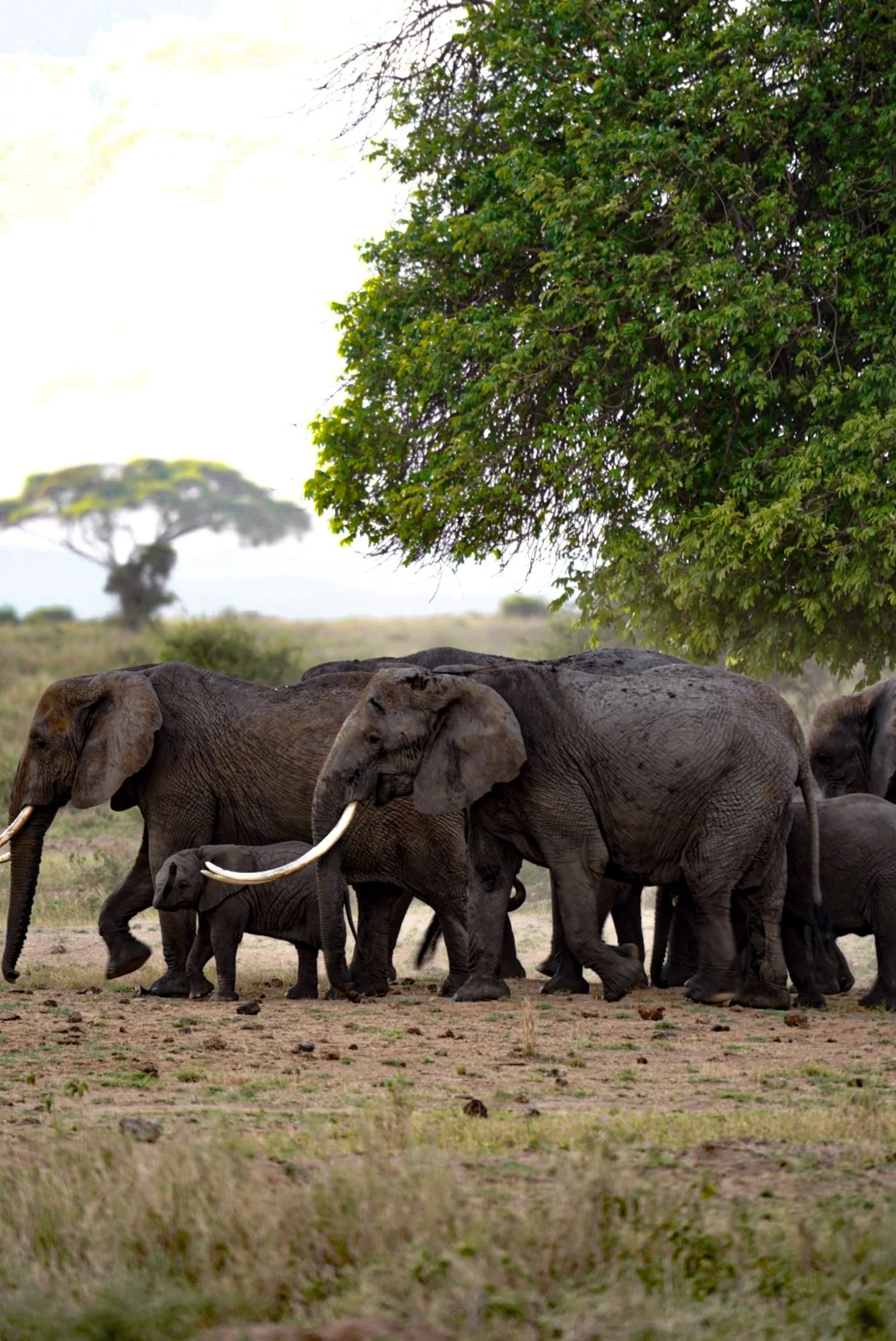
Before You Go
Best Time to Visit
The dry season is June to October when there are clear skies, easy wildlife viewing, cooler temperatures, and little rain. I would also recommend November.
Currency
The Kenyan Shilling (KES) is the official currency; however, most safari camps, restaurants and even curio shops accept card. You’ll want to keep some cash for tips, markets, and small shops off the beaten path.
Language
English is the official language and Swahili is the national language. You’ll hear phrases like jambo (hello), asante (thank you), and karibu (you’re welcome) everywhere.
Typical Safari Costs
Like any destination, Kenya safaris vary depending on comfort level and travel style, but here are realistic ranges:
Mid-range safari: $350–$600 per person per day
Luxury safari: $700–$1,500+ per person per day
My personal trip was closer to $15,000 in total, which included lodging, flights, meals, luggage and wardrobe requirements, shopping and equipment.
Where to Stay: Lodges & Camps
-
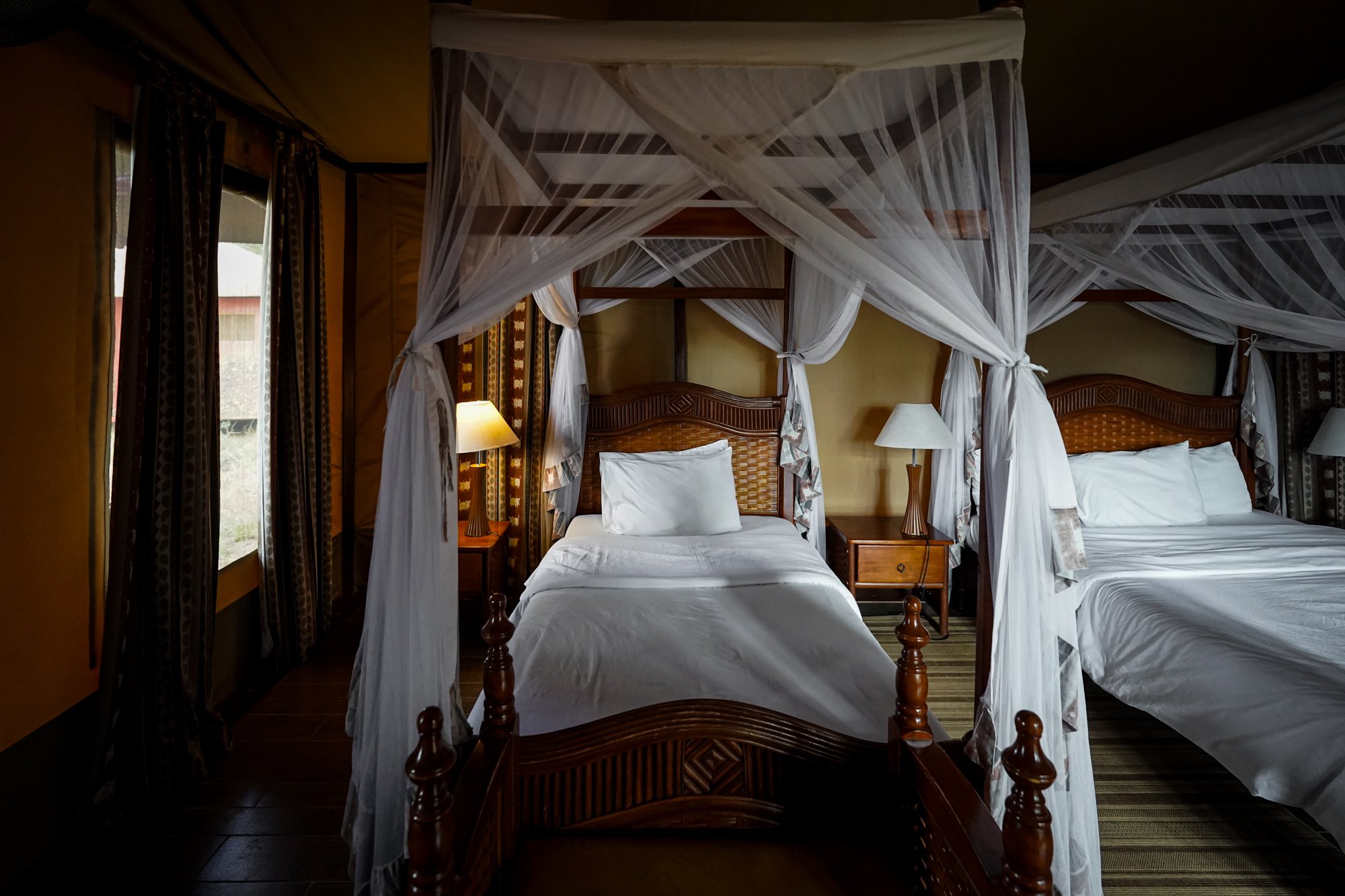
Kilima Safari Camp
Here, you get clear views of Kilimanjaro directly from your tent on a good day and warm and attentive staff. Early mornings are quiet except soft sounds of animals on the property. In the evenings, you can hang out by firelight with other travelers. Send your laundry out each morning, which is convenient for the limited amount you’re able to pack for safari, and enjoy delicious buffet meals that have options for everyone.
-
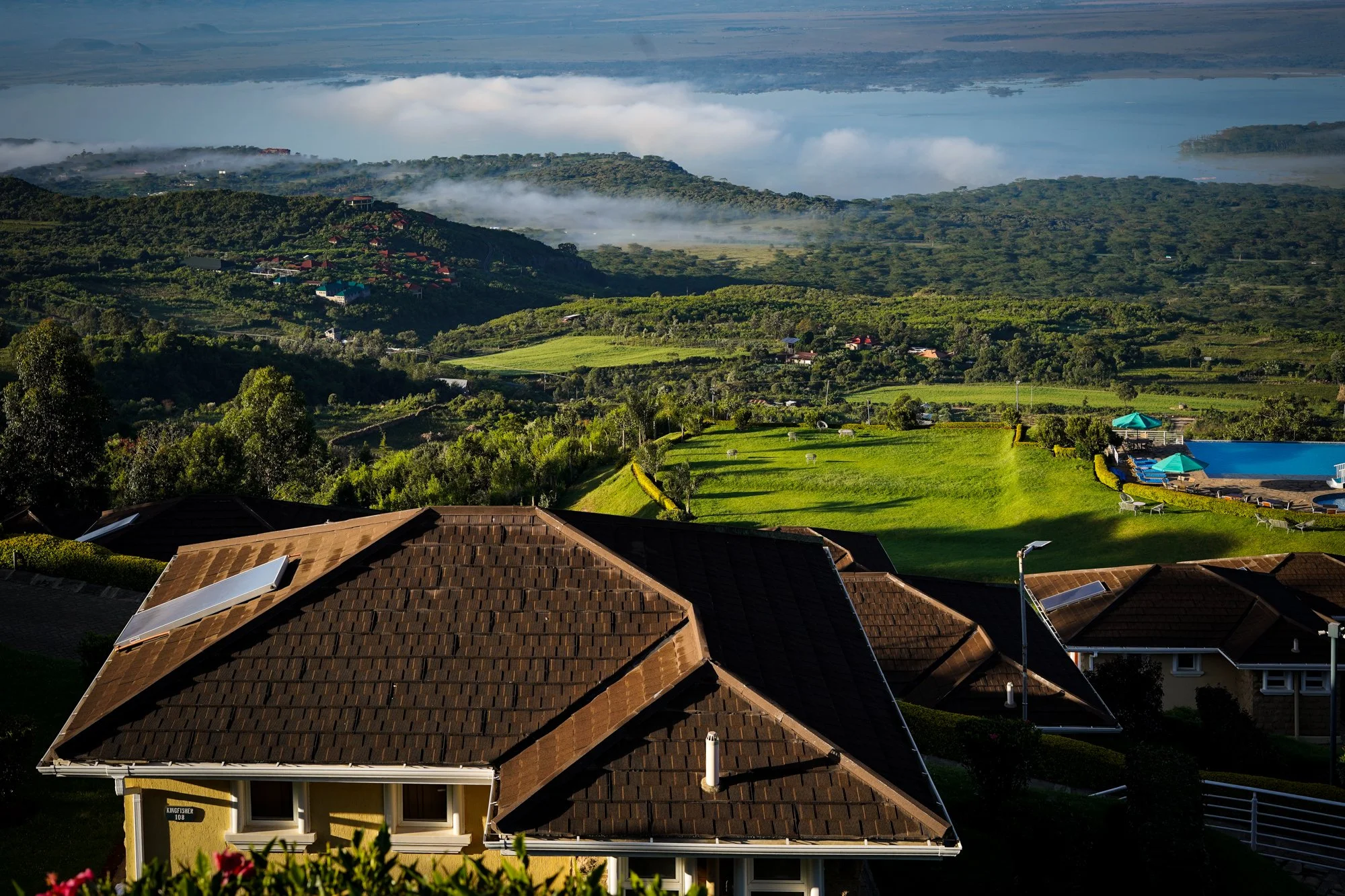
Lake Elementaita Mountain Lodge
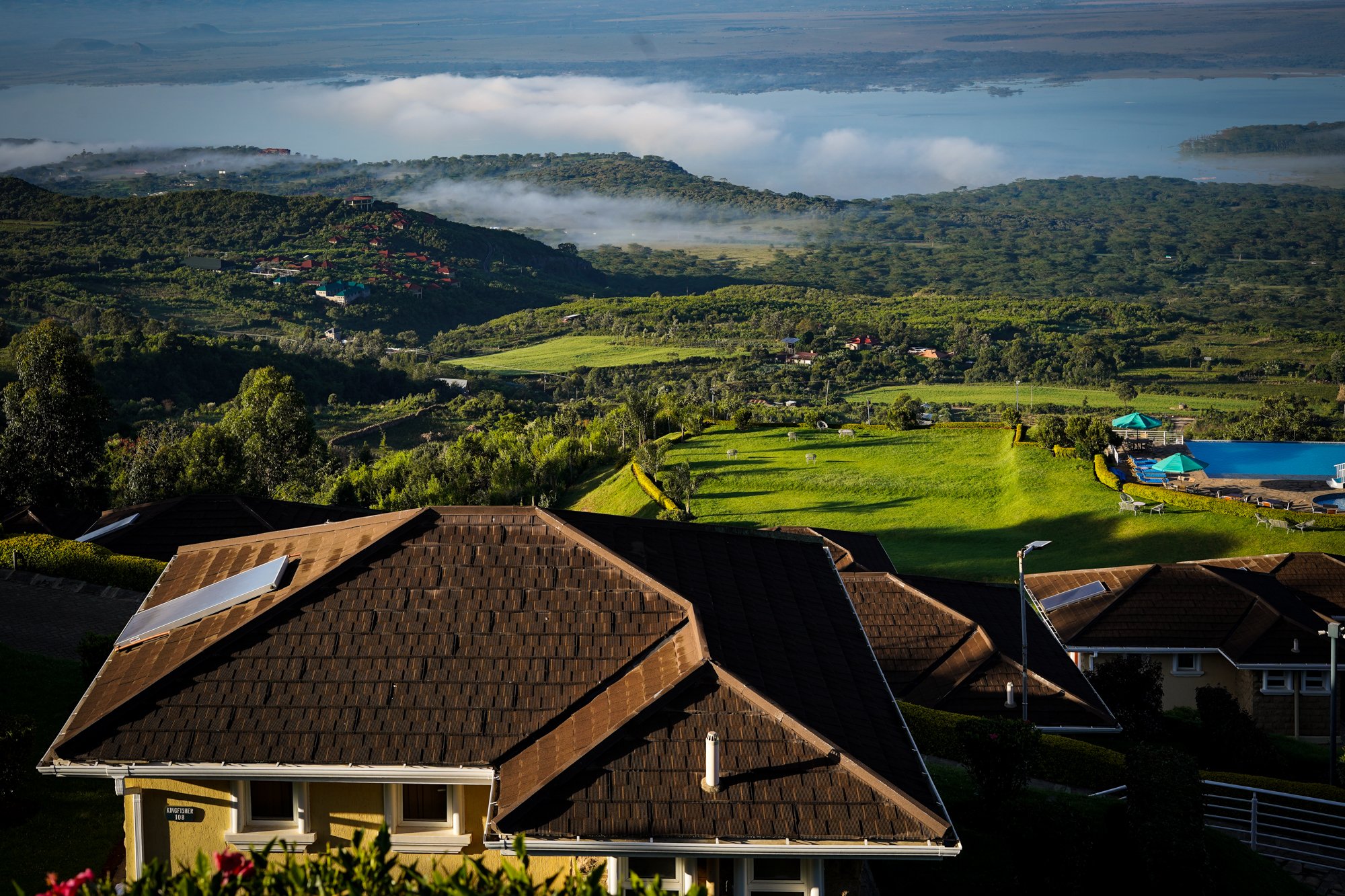
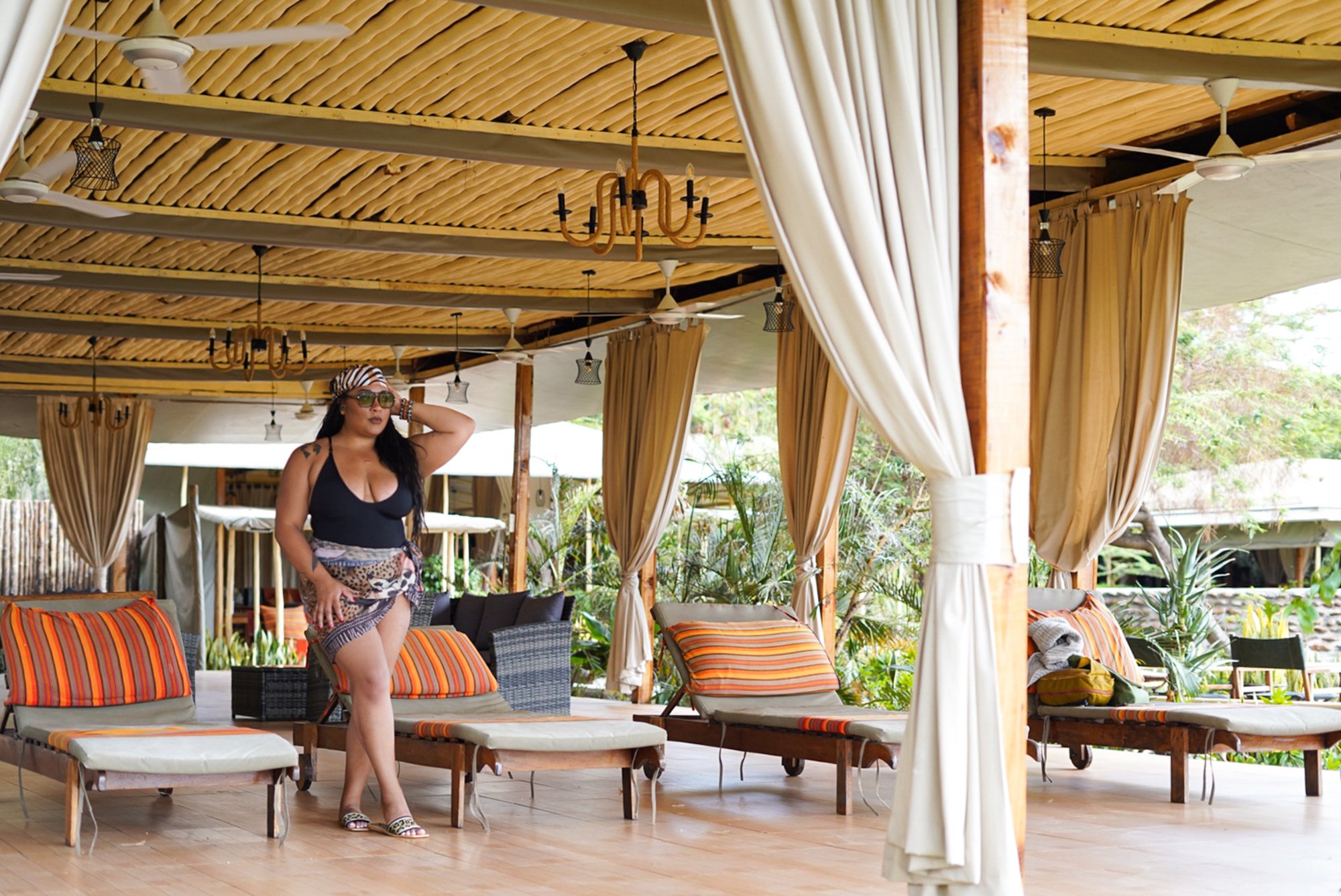
You’ll take a rather rocky ride up the mountain to reveal incredible views high above the lake. This lodge feels like a retreat with wide decks, a peaceful rose garden, spa and pool opportunities, and a real sense of quiet and calm experiencing the fresh air near the lake. This was a nice midpoint stop traveling between Amboseli and Maasai Mara.
-
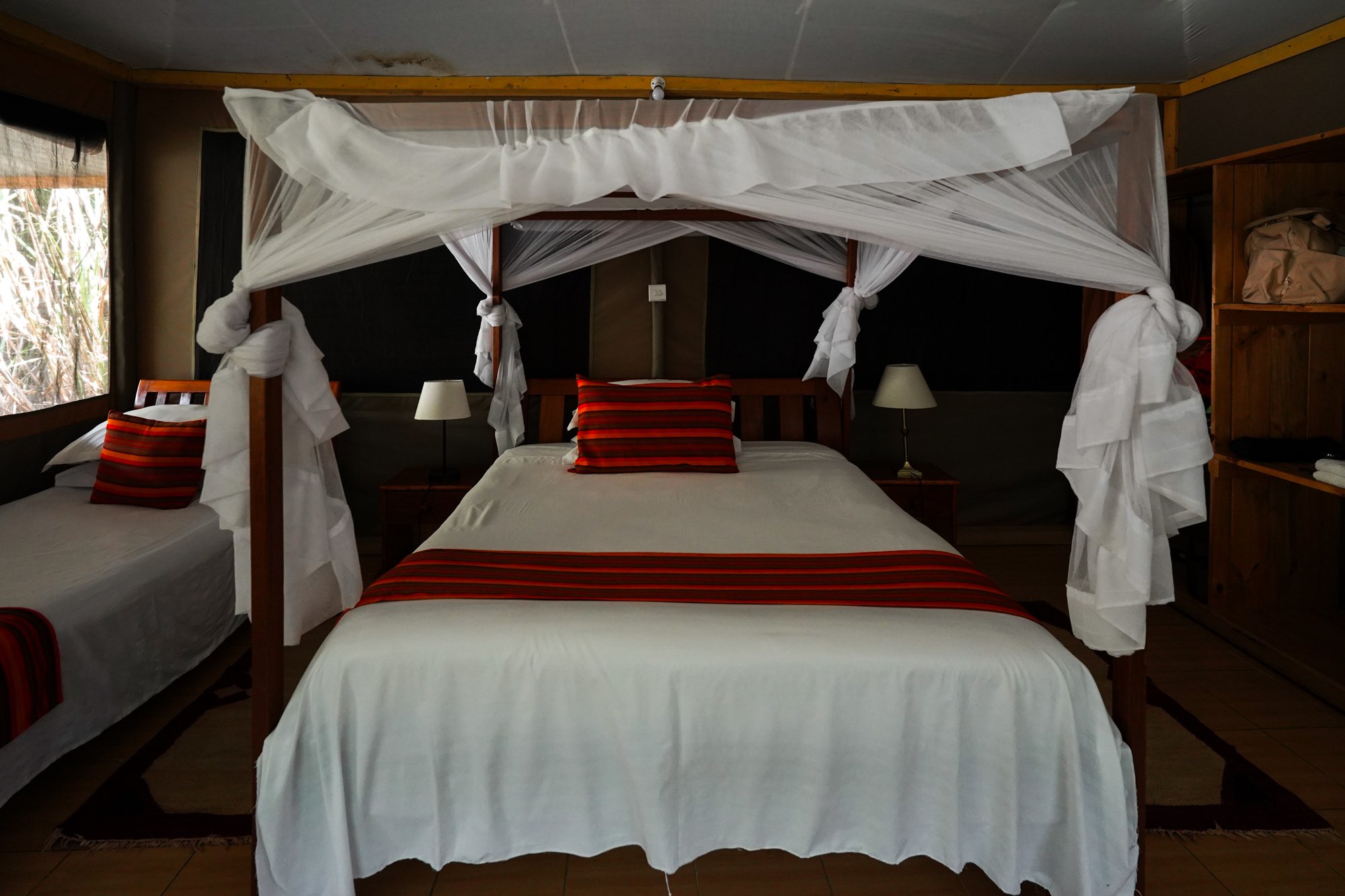
Zebra Plains Mara Camp
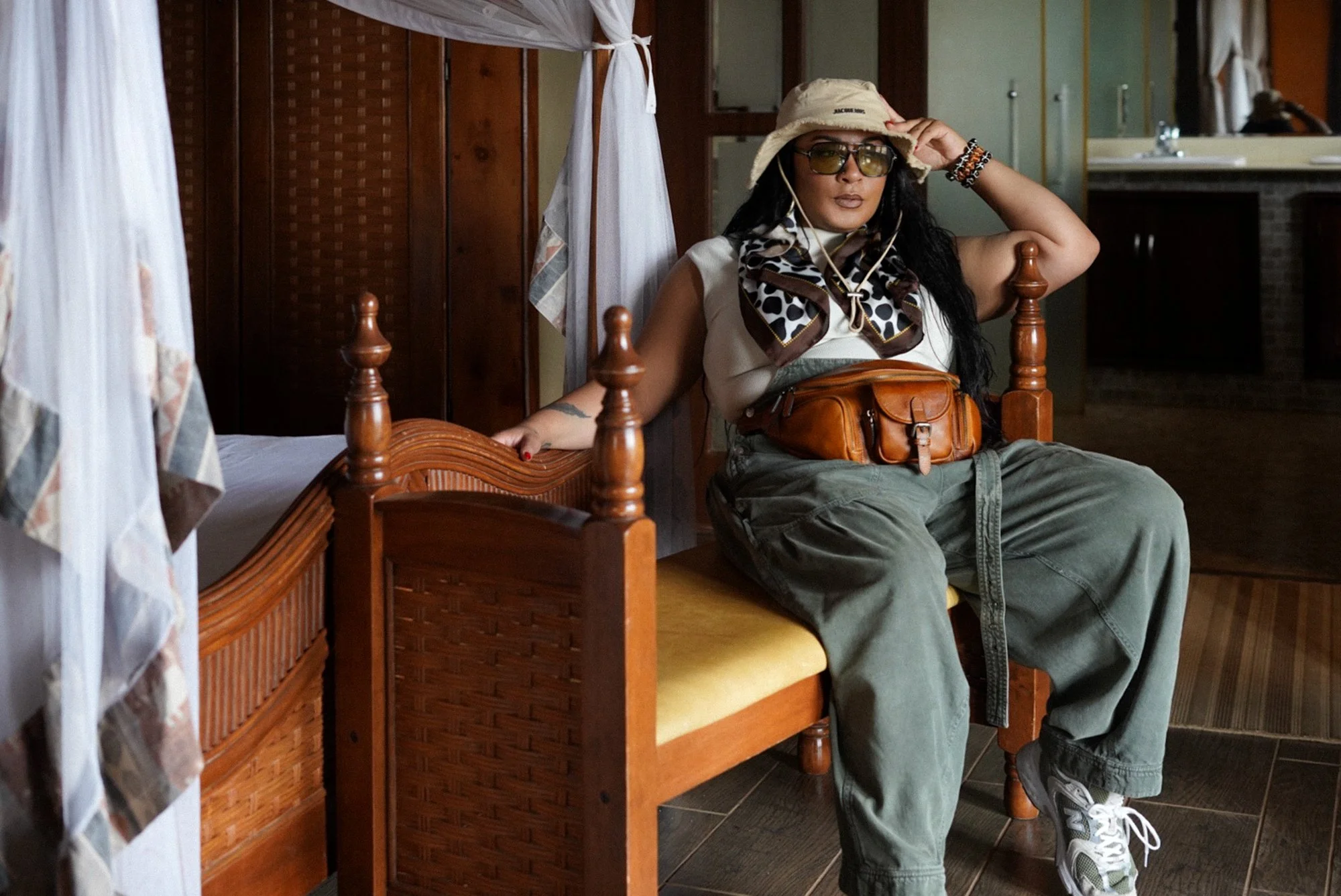
This is a boutique luxury-tent experience that may have been my personal favorite. Think beautiful tents, attentive service, and incredible food. Being here feels intimate but elevated. There are no animals within the camp, so you’re able to enjoy a safe and peaceful experience close to nature without sacrificing comfort. You’ll also love the pool, lounge areas and bar.
Things To Do Across Kenya
-
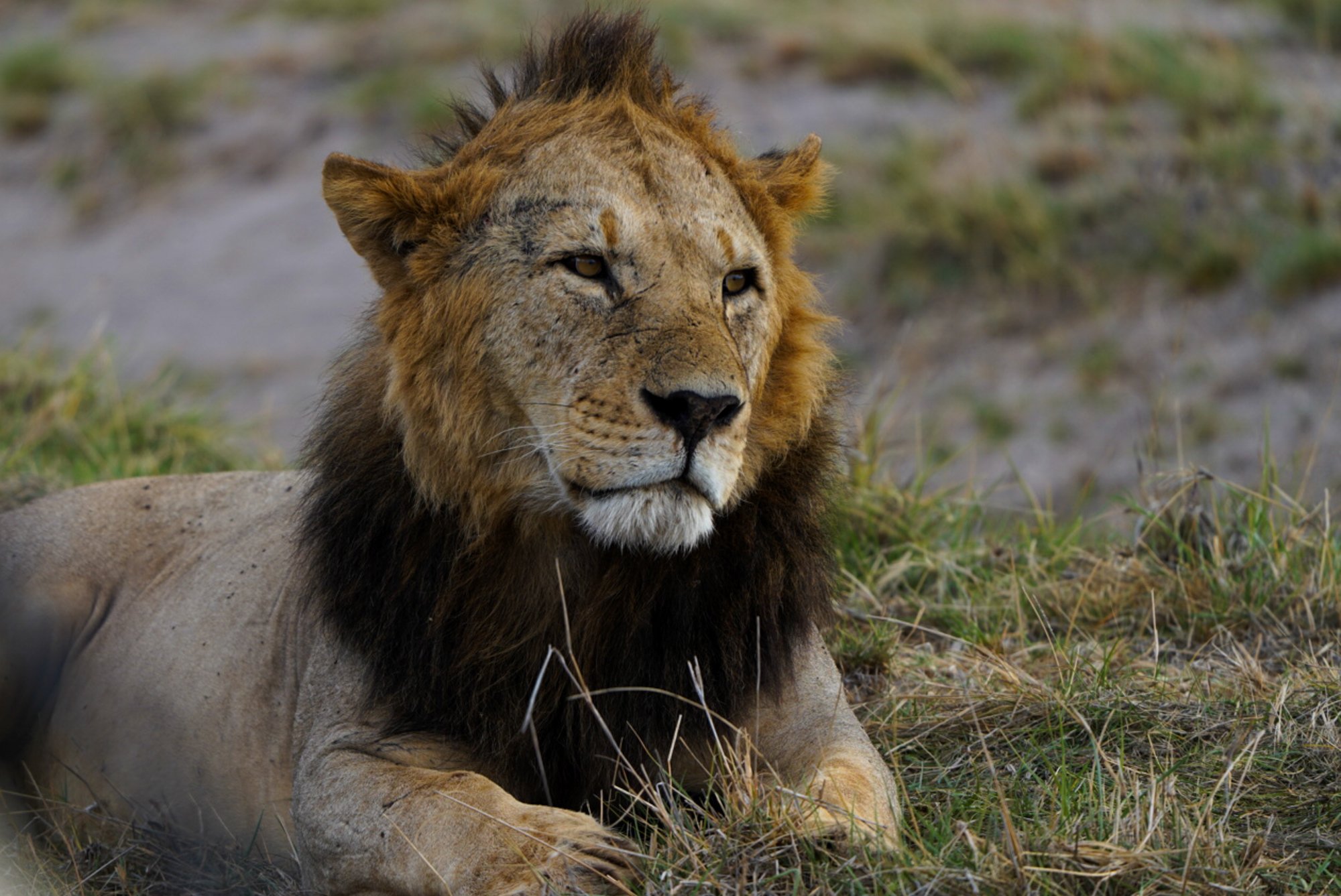
Amboseli National Park
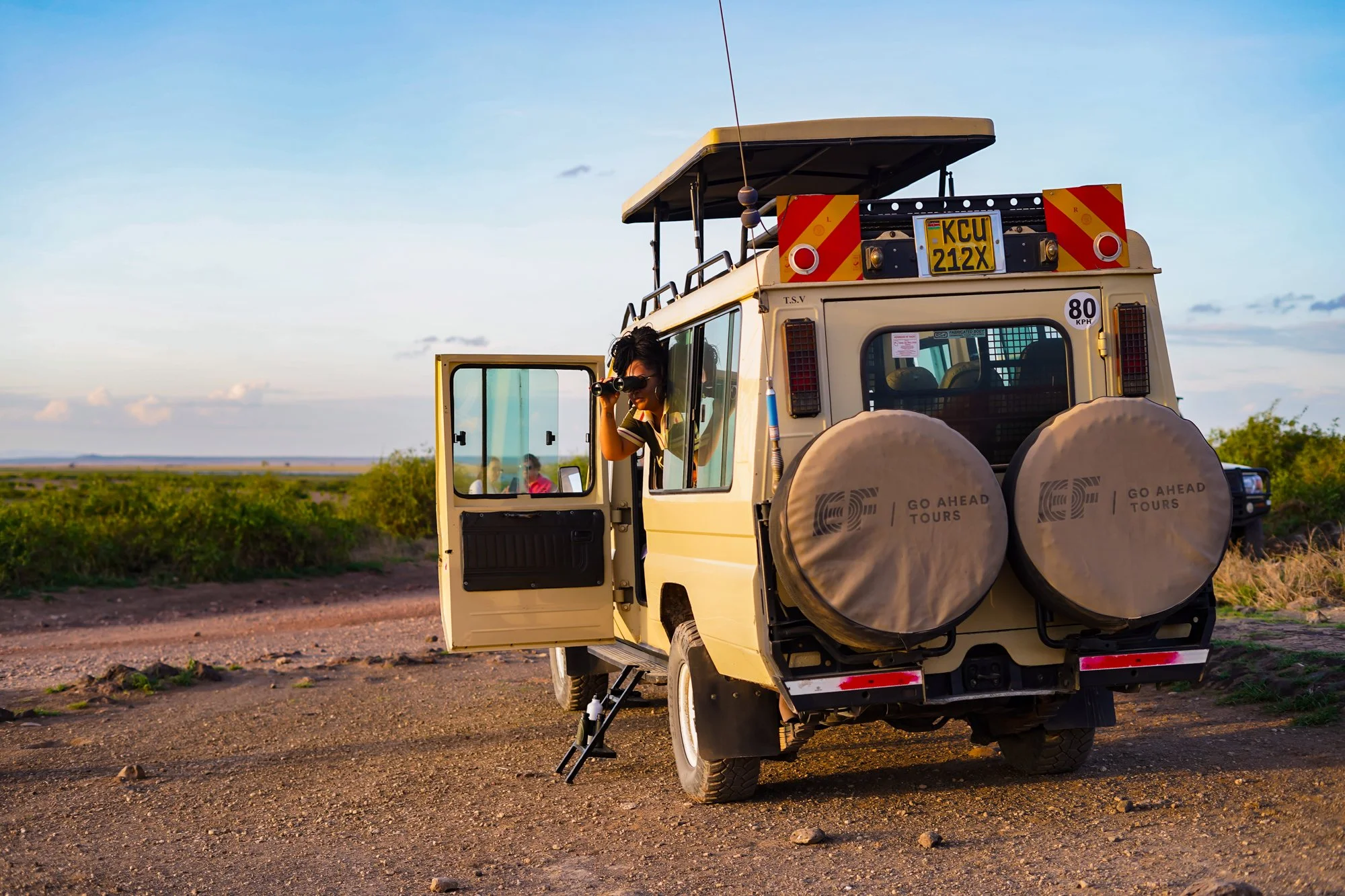
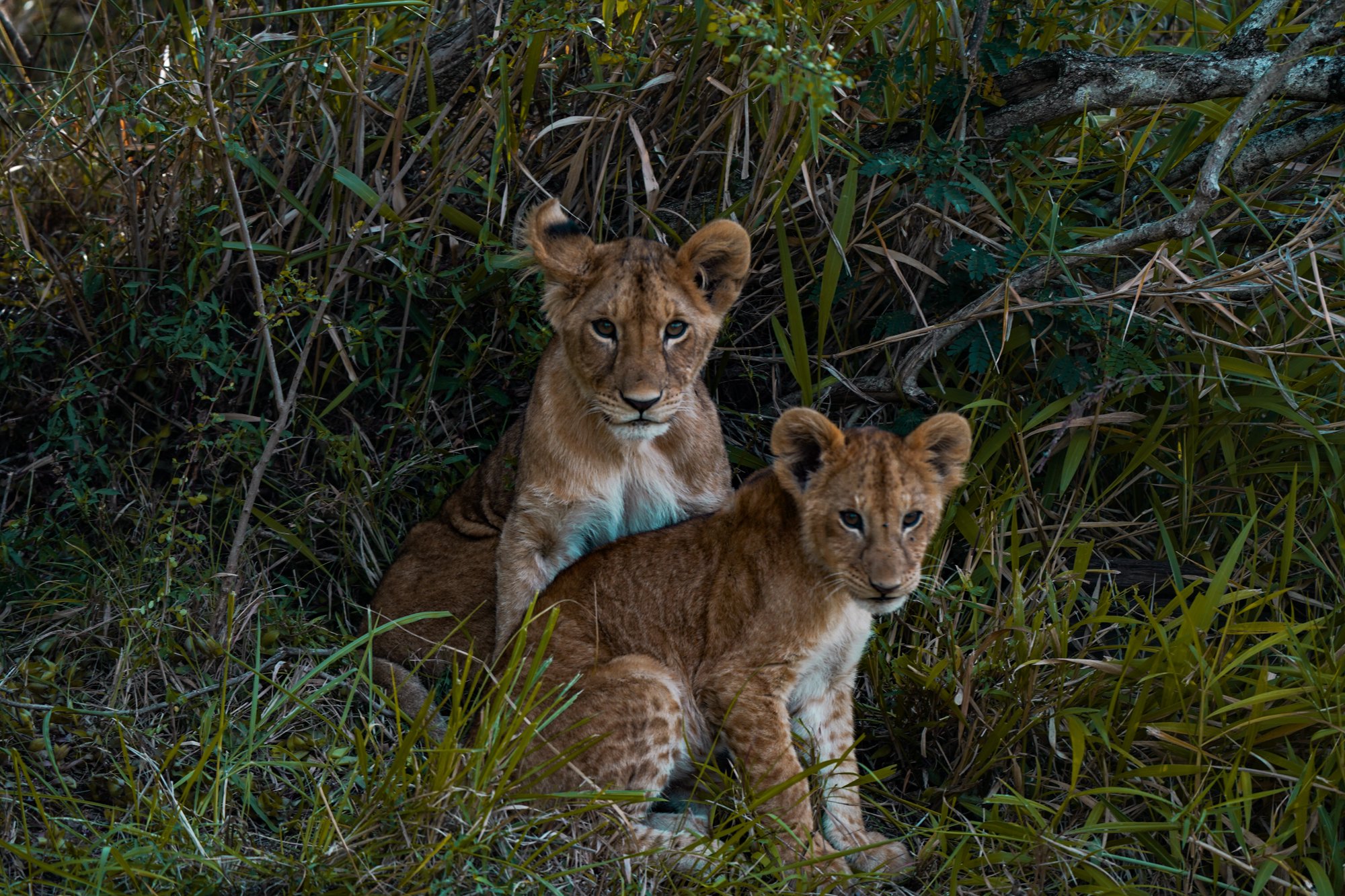
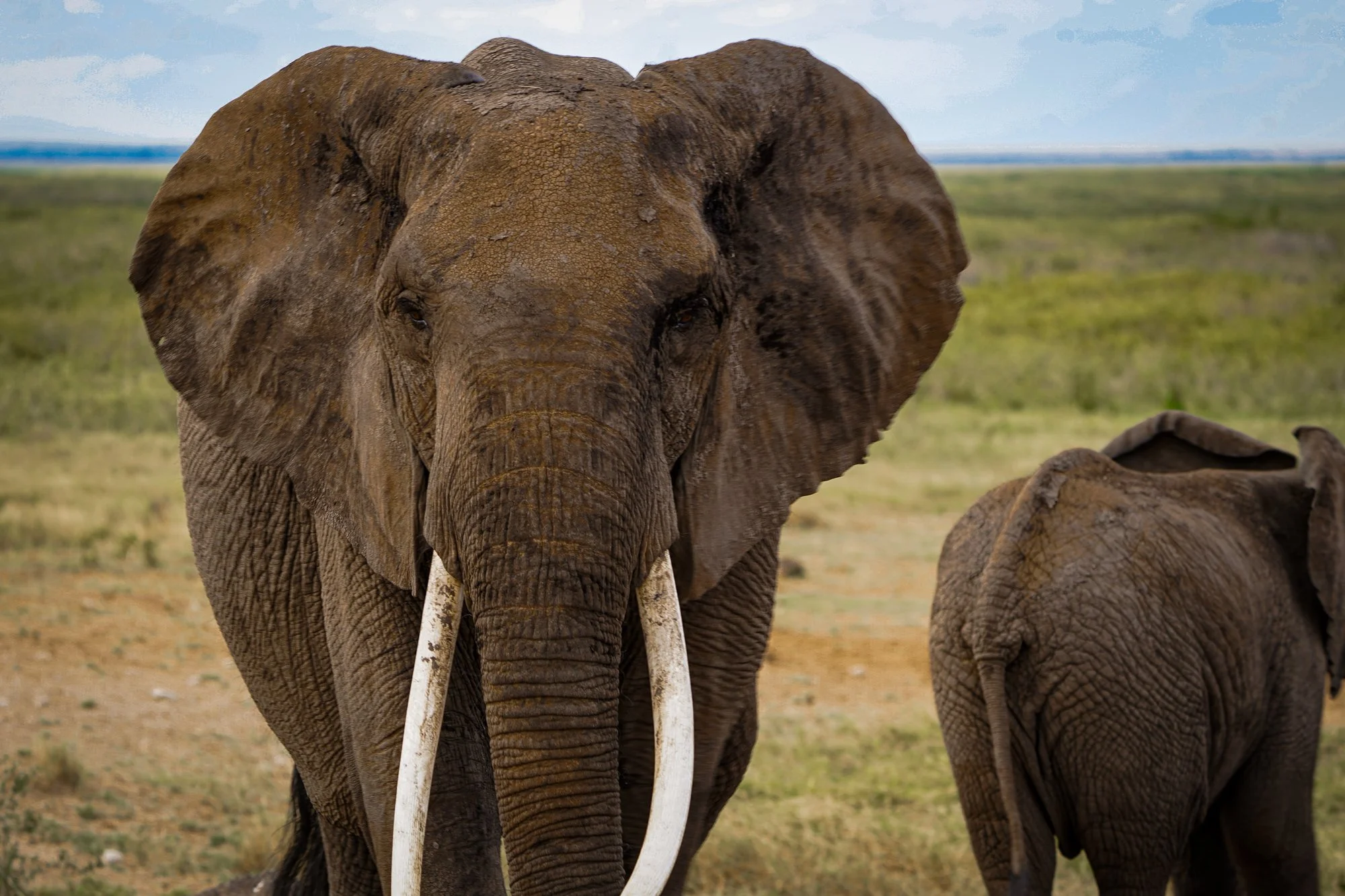
Amboseli is where you get the classic scenes we often see of safaris with herds walking against the backdrop of Mount Kilimanjaro and lions lounging on the plains. The park is wide open, easy to explore with a guide, and you’ll capture all the best wildlife photos up close and personal.
-
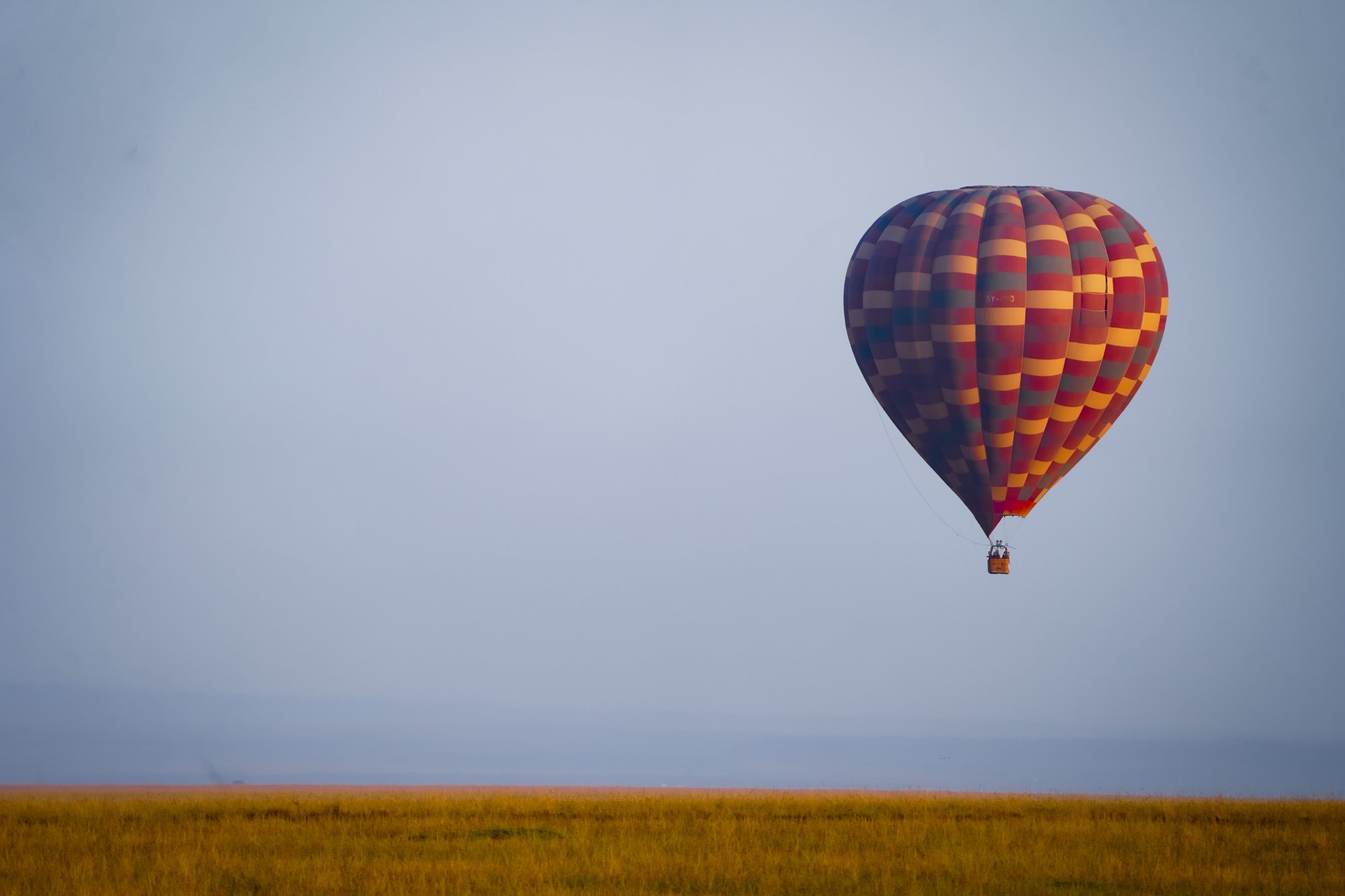
Hot Air Balloon Ride
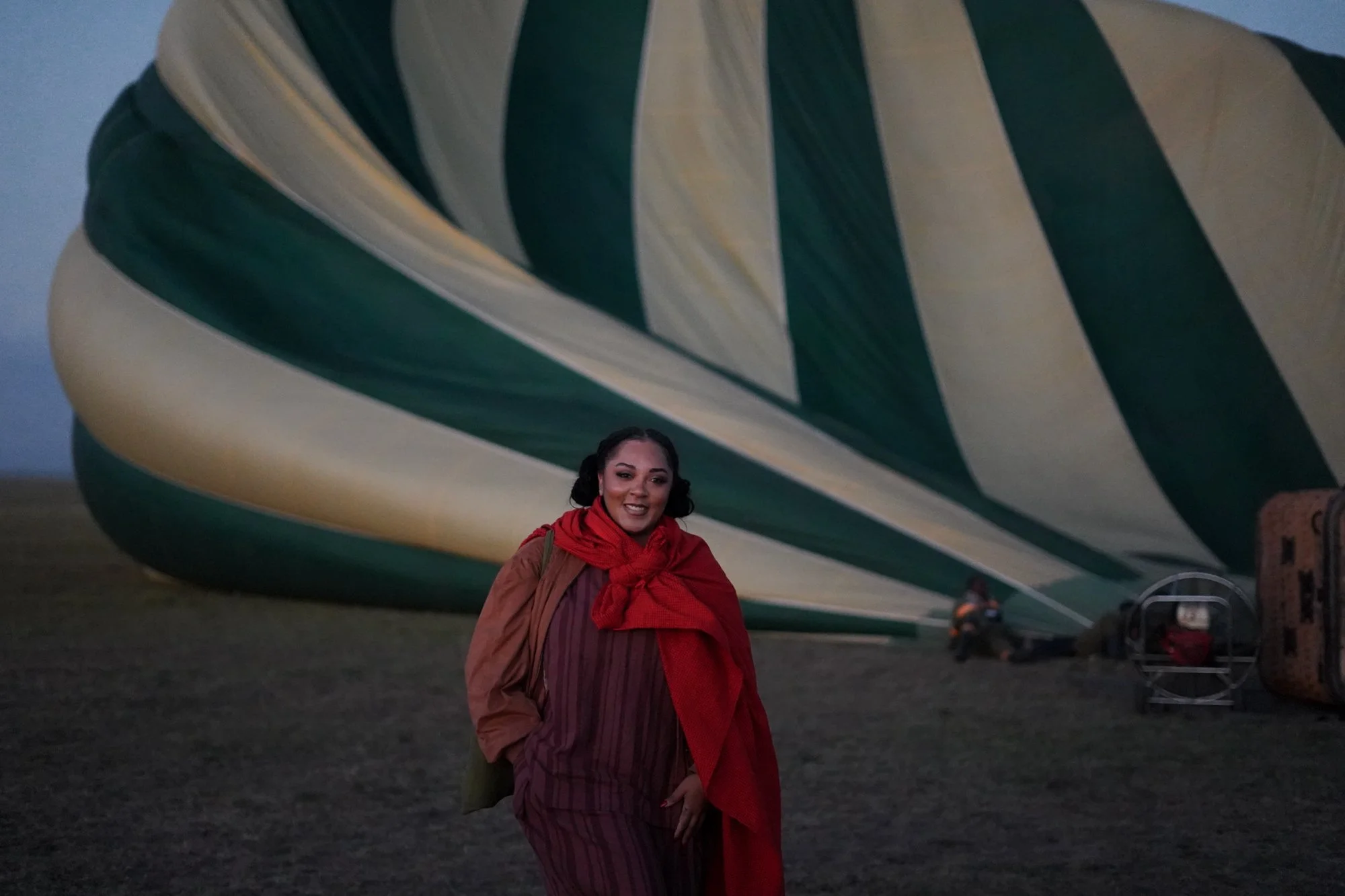
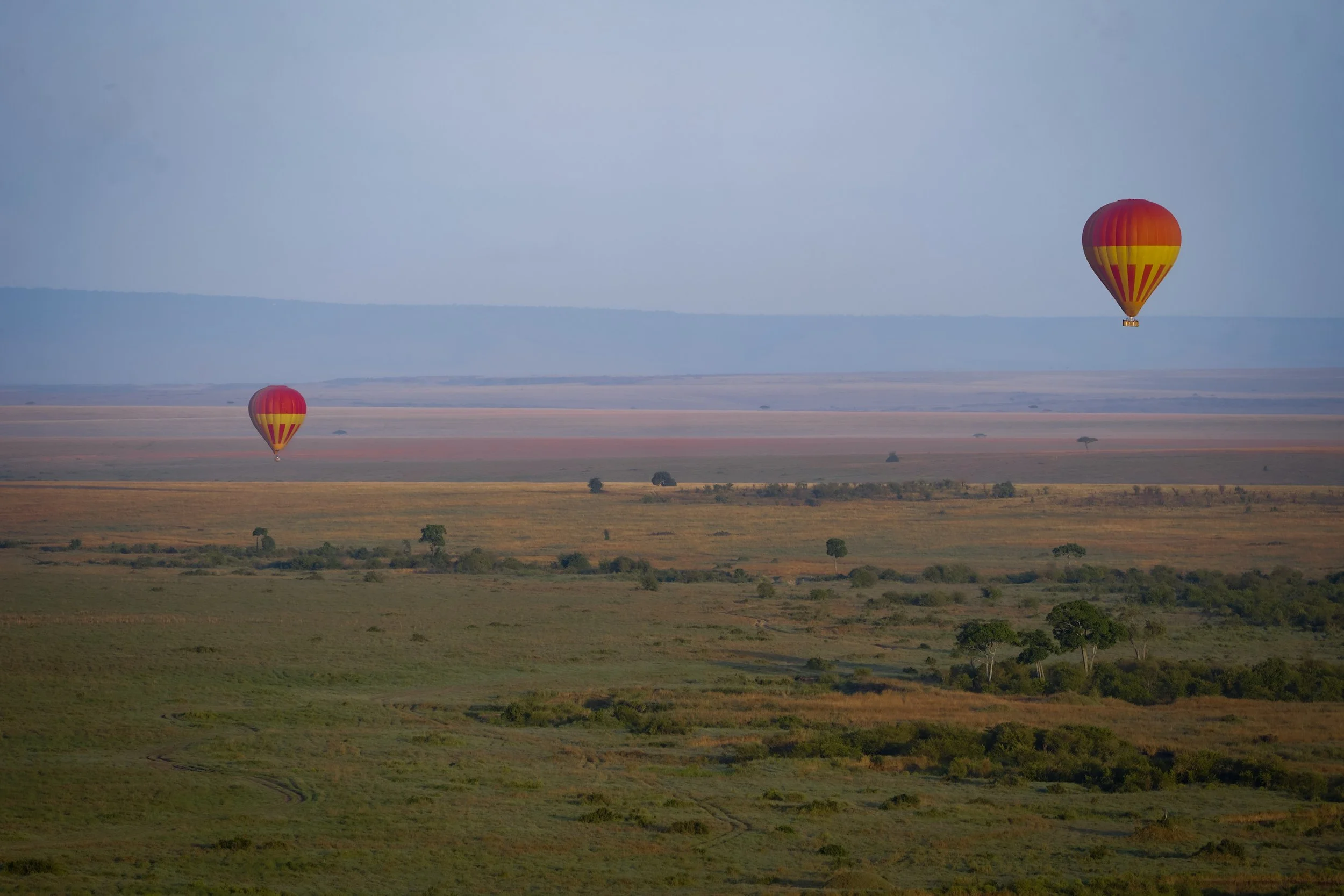
This is the most dreamlike way to see the Mara. You lift off before sunrise and float over the plains, seeing prides of lions, herds of elephants and busy warthogs beginning their day. You land with a champagne breakfast in the middle of the reserve, which is truly a surreal experience.
-
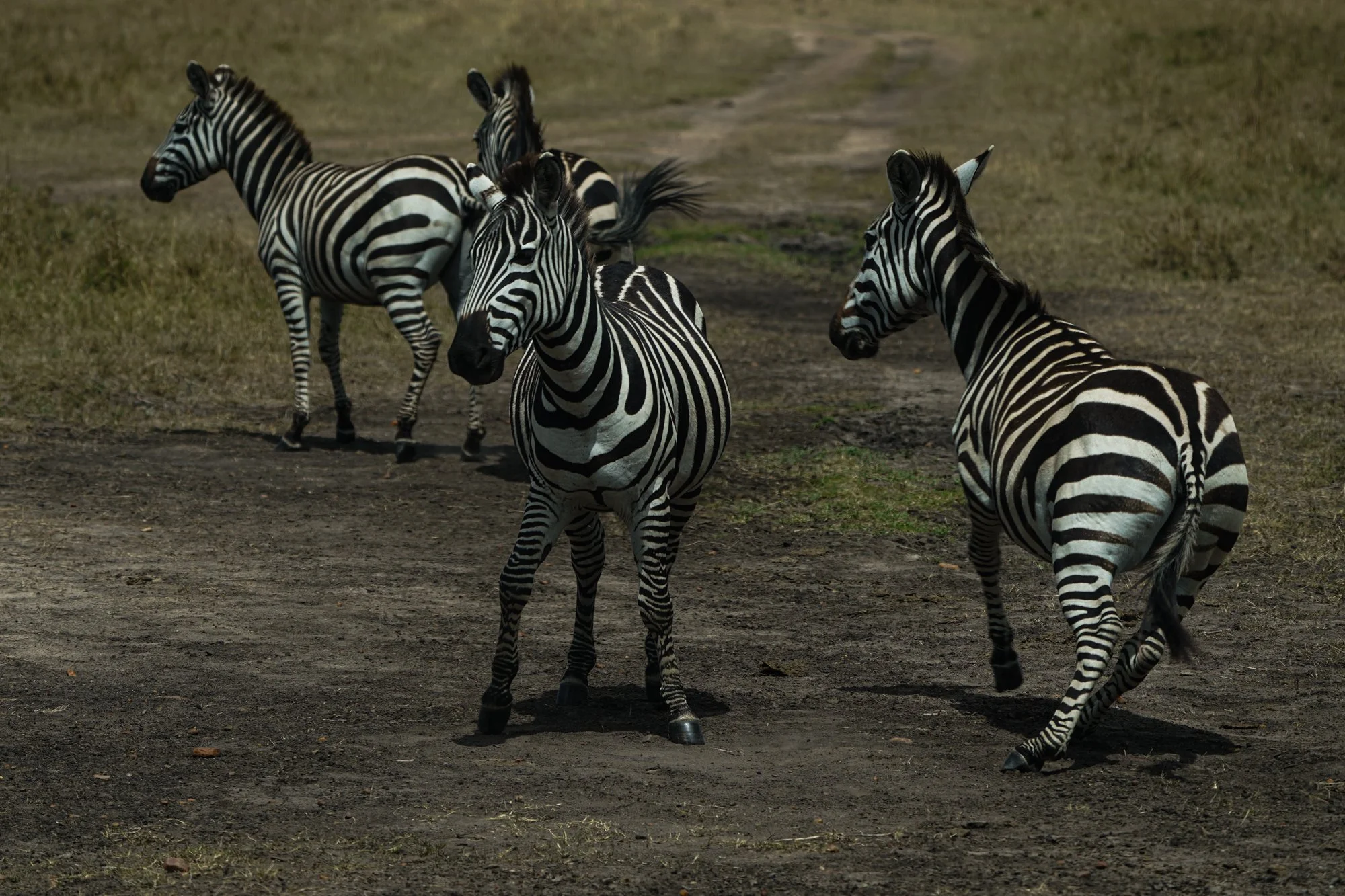
Maasai Mara National Reserve
Maasai Mara gives you sweeping grasslands and sightings of some of the more elusive animals. The game drives here were quiet but dynamic in that you never know the next wildlife surprise you’re racing toward.
-
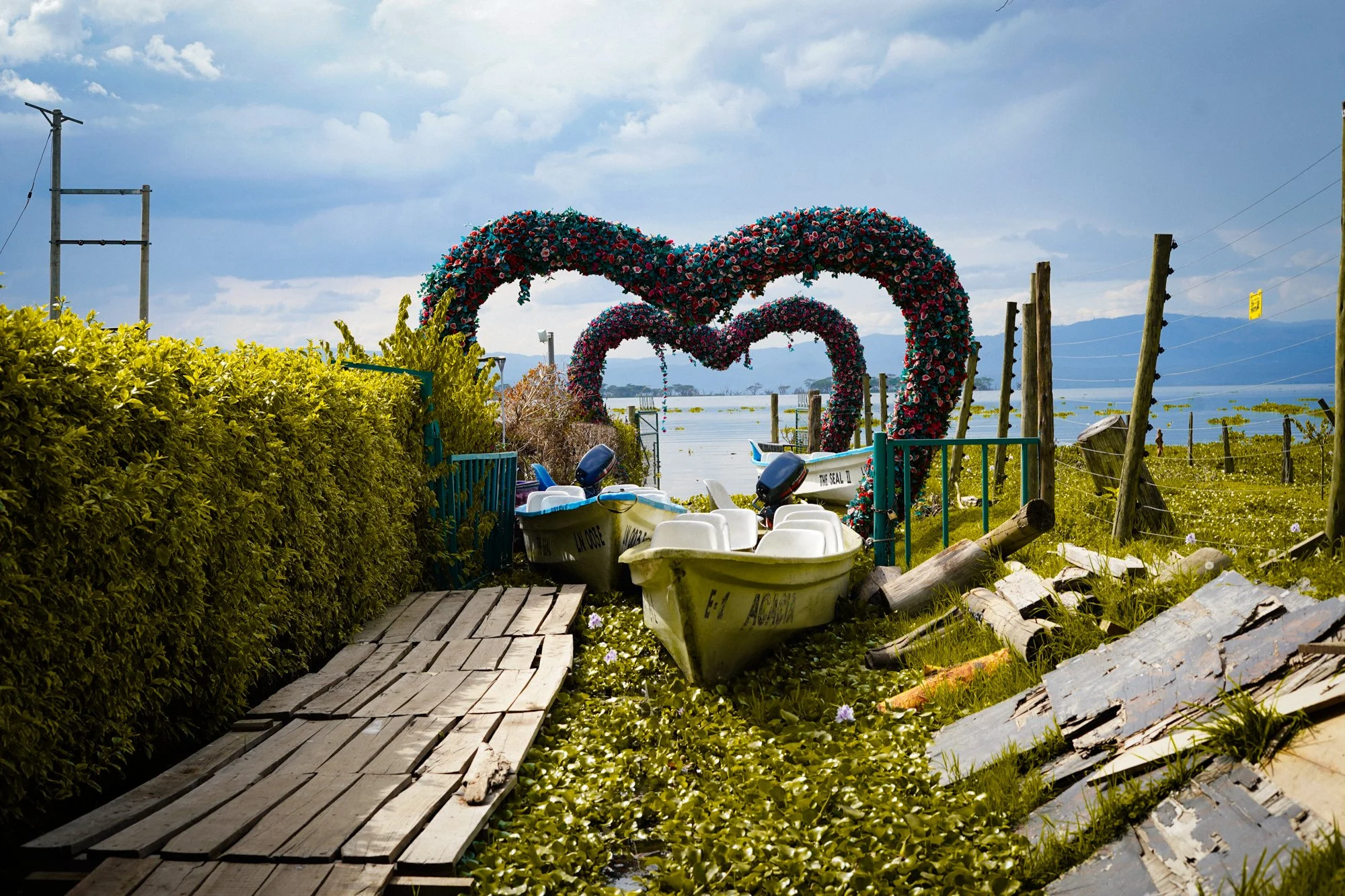
Lake Naivasha Boat Ride
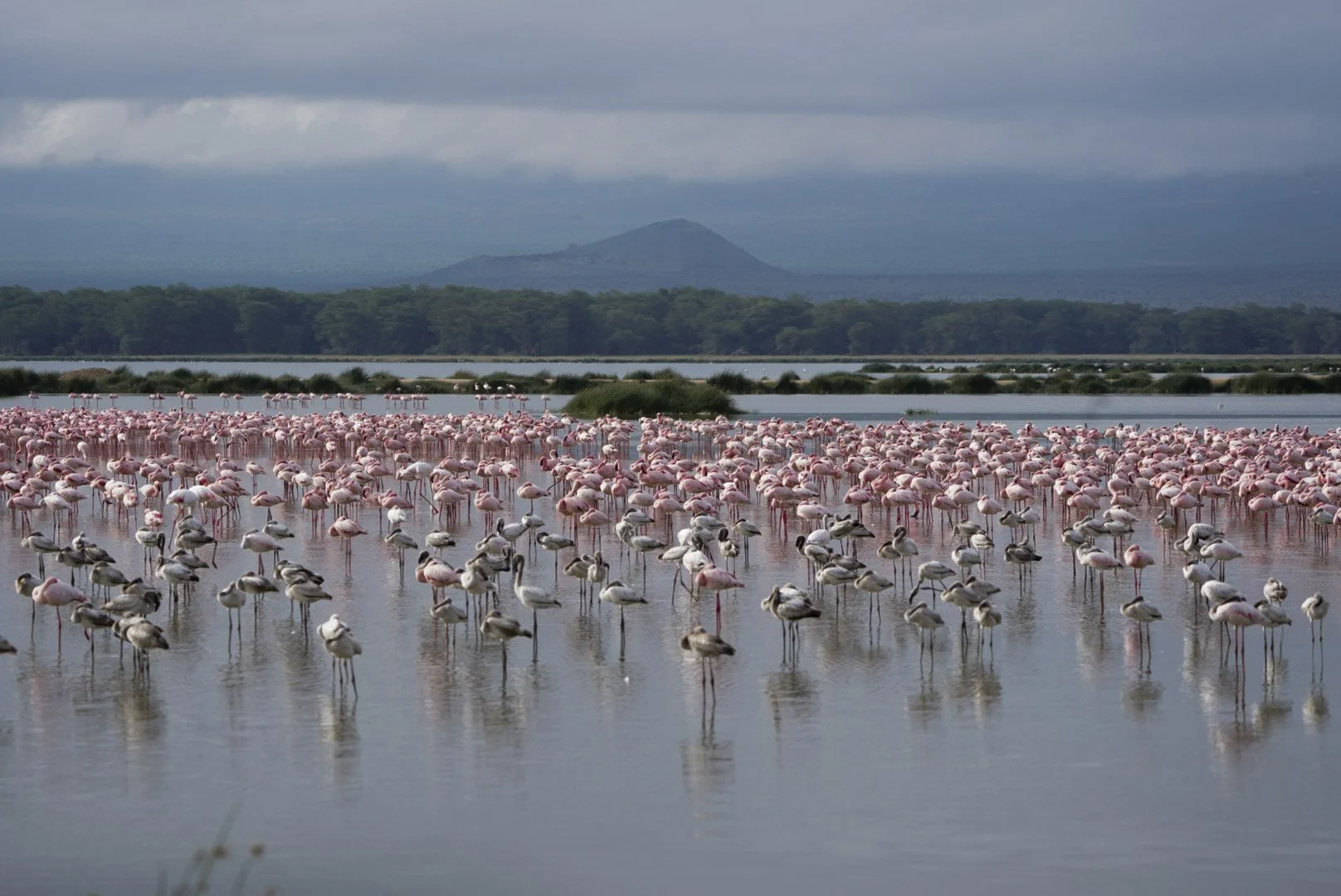
This is a peaceful stretch of freshwater where you’ll be insanely close to hippos and you’ll have an opportunity to see anything from eagles to giraffes to gazelles everywhere. It’s a quieter side of Kenya that gives you a slight reprieve from the high energy safari days.
-
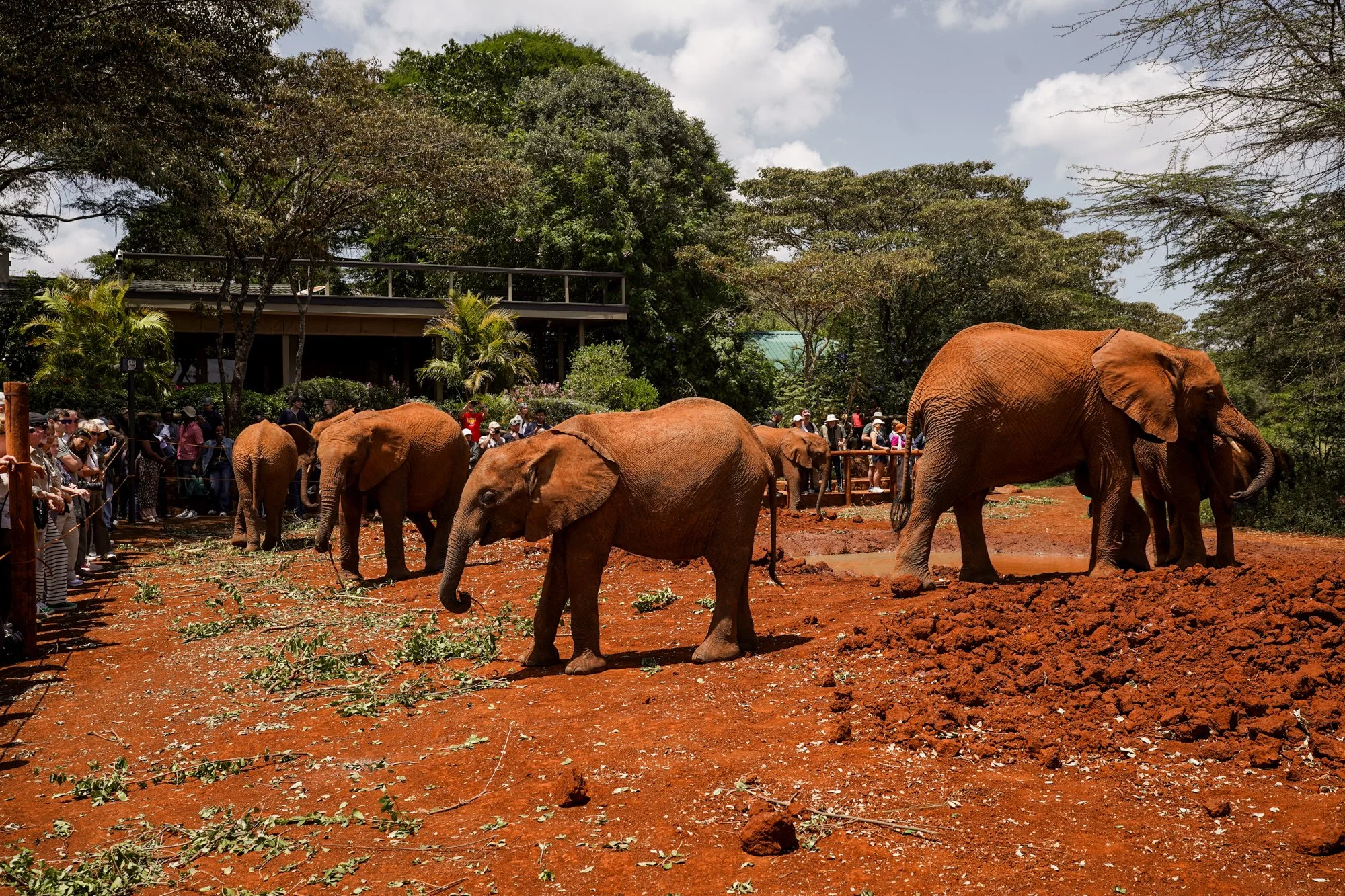
Sheldrick Wildlife Trust
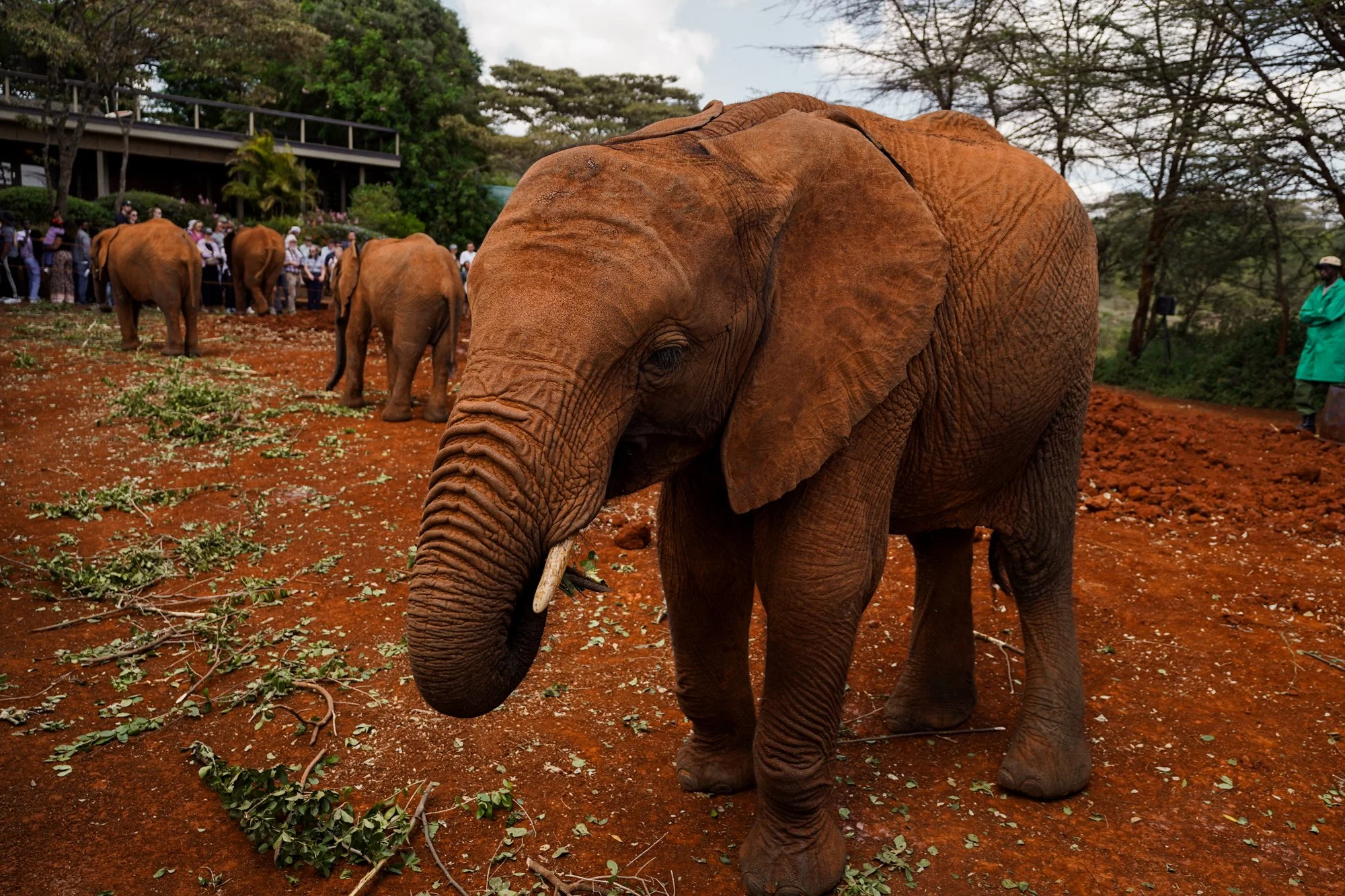
I had been following Sheldrick on social media for years, so this was a wonderful opportunity to learn in person about the sanctuary where orphaned elephants are raised with true care and expertise. You’ll watch the babies run out for their feedings and get to know more about each of their stories and personalities.
-
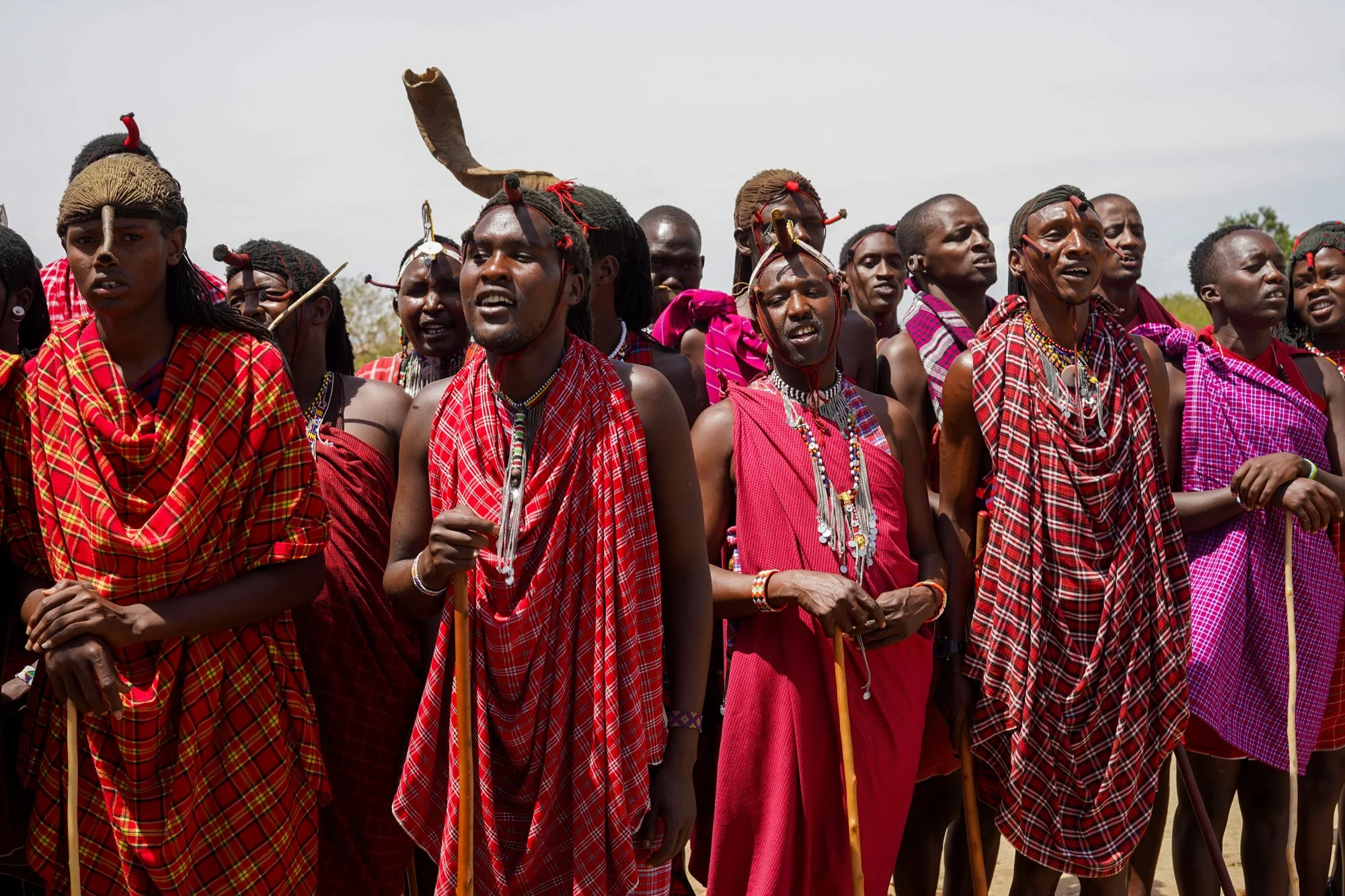
Maasai Village Experiences
This experience gives you an intimate look into Maasai culture. You’re welcomed into community with songs, stories and demonstrations that give you a chance to witness tradition with respect and curiosity as shared humanity.
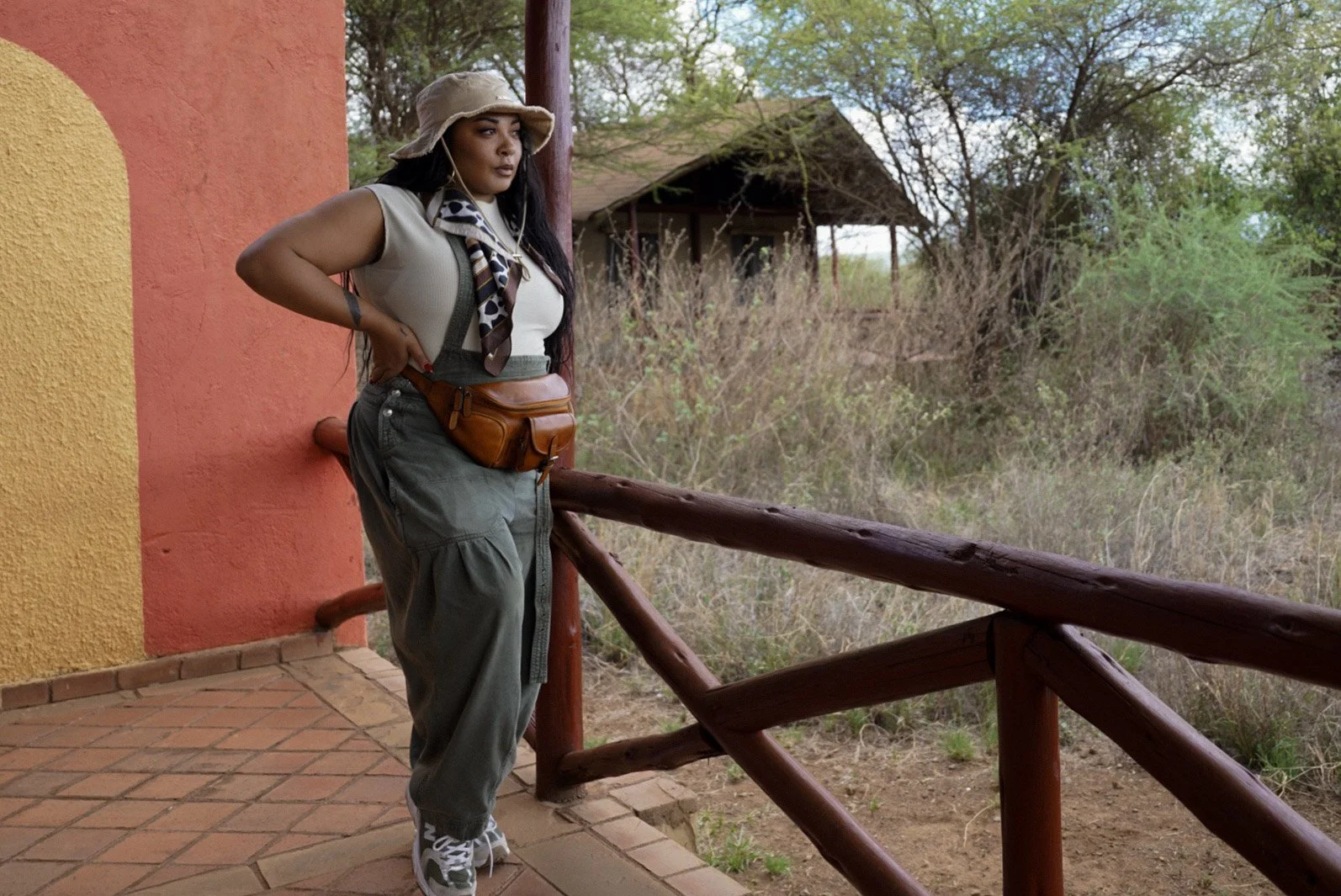
The Kenya Blog Collection
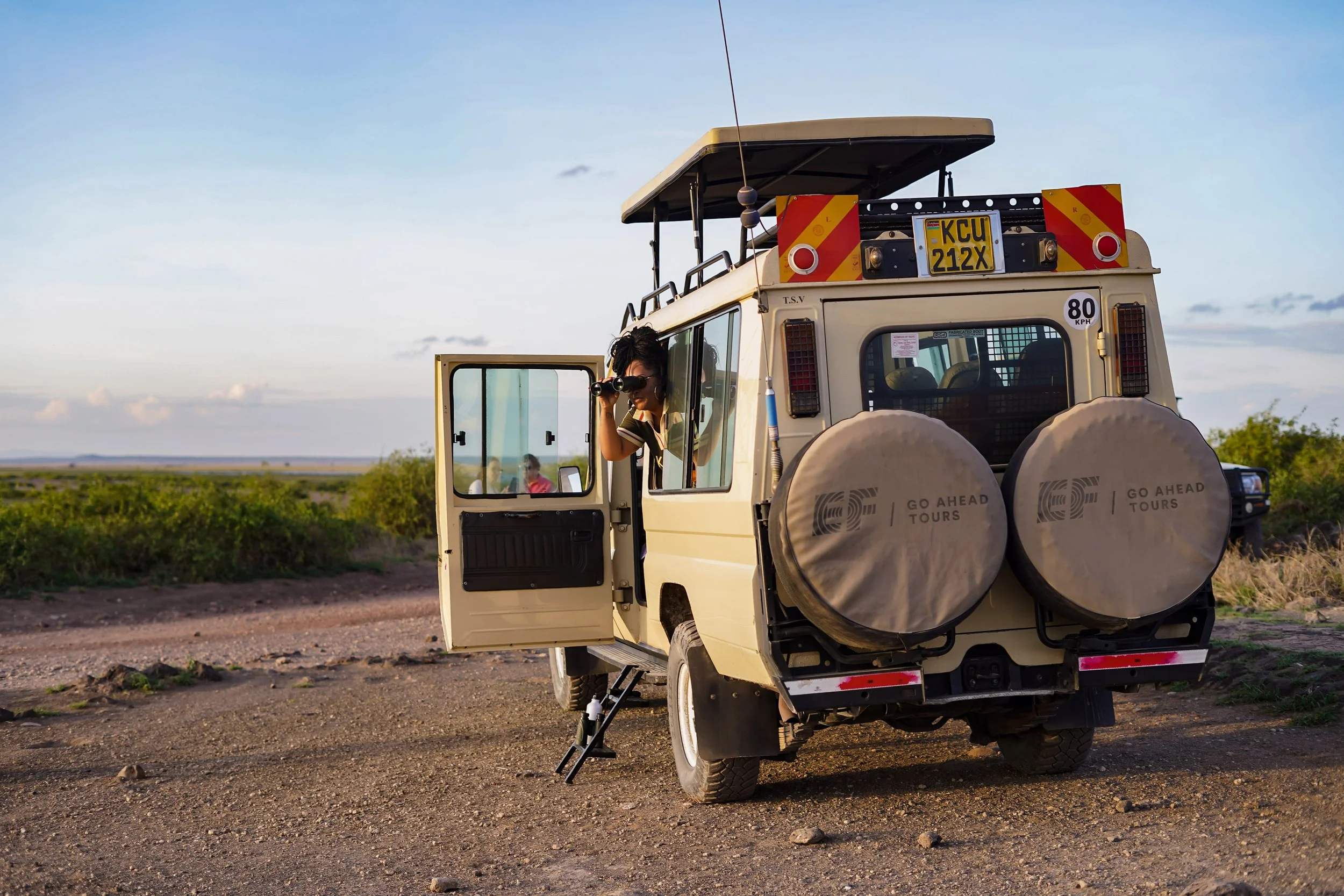
For Black Women Traveling Kenya
I’ve always wanted to go home—to the motherland, I mean. I thought I would end up in West Africa first, but a group tour led me to Kenya. Although it was a new destination, arriving in Kenya felt like stepping into a space where my presence just made sense. Everywhere I went I was welcomed with familiarity, which I can’t say was unexpected. Black people are known to make everywhere feel like home. Kenyan people are friendly, warm and they’ve truly never met a stranger.
There was no point in the entire trip where I felt unsafe or out of place. Not in the city, not on the road, not in the national parks. With vetted drivers and guides, I could really relax into my time there and focus on making memories and capturing unforgettable moments. Kenya made that possible.
I experienced a deeply emotional feeling of returning to a land that held some part of me, even if I’d never been there before. It was like an internal click and a recognition that this is where we, as in Black people, were meant to be. In open air. Living off the land. Free.
I brought pieces of Kenya home with me in every way I could through photos, through the handcrafted goods I picked up from local artisans, through the small moments in my mind that I will never forget. What stayed with me the most was a sense of belonging and a reminder that travel can feel like homecoming when we’re intentional about the places we go. As Black women, we deserve to be welcomed everywhere with love, ease and a sense of home wherever we might land.
FAQs
-
Ten days felt like a good amount of time. Within those days, I was able to experience Nairobi, Amboseli, Lake Elementaita, and the Maasai Mara without rushing. Anything shorter than this would have meant not enough time for multiple game drives and driving nonstop.
-
Each park gives you something different. Amboseli is unmatched for elephants and Mount Kilimanjaro views, while the Maasai Mara showed us all of the big cats plus other diverse wildlife, open plains, and a classic safari feel. If you absolutely had to choose just one, I would go with Maasai Mara.
-
Absolutely. I was a solo traveler within a group of solo travelers. Nearly every part of a safari trip is guided, so most of your logistics are handled for you, and you’ll meet very kind people everywhere.
-
Yes. Kenya is just like any other destination I recommend in the sense that you need to use common sense, stay on the beaten path and practice awareness anywhere you are. Most people are warm, welcoming, and create a comfortable environment for Black women traveling solo. With vetted guides and reputable safari operators, I felt safe everywhere, including Nairobi, which has an elevated crime rate. Overall, people were friendly, respectful, and genuinely happy to share their country.
-
U.S. travelers need an online eVisa before arrival. Mine was approved in less than 24 hours about a month before my trip. As for shots: yellow fever vaccination may be required depending on where you’re coming from, and it’s recommended to be up to date on routine vaccines. I ended up getting 8 or 9 shots that were not all necessary, but I would rather be safe than sorry.
-
You can expect comfort and warm service everywhere. They really cater to traveler’s needs so you’ll find delicious food readily available, great laundry service at most places, tea/coffee service, daily game drives, and safe, peaceful nights surrounded by nature.
-
Cards are accepted at most hotels and lodges. Cash (Kenyan Shillings or US dollars) is helpful for tips, small markets, and local shops. ATMs are easy to find in Nairobi; however, several travelers in my group experienced difficulty getting money out. I would recommend arriving with all the cash you plan to spend. I took about $800 in cash with me for 10 days and had about $200 left at the end of the trip, since I was able to use my card most everywhere.
-
A long lens will change your photos completely. Something in the 200–600mm range lets you capture wildlife perfectly. You can shoot with shorter lenses or just a phone, but for the shots you really want, long glass makes all the difference if you can afford to upgrade your equipment.
Let the Journey Continue
Staying connected in Kenya is especially helpful if you’re moving between Nairobi, safari lodges and airports. An eSIM gives you access to mobile data without needing to swap SIM cards or hunt for a phone shop after landing. Install it before your trip so you can use maps, messaging, ride apps, tour confirmations, and WhatsApp as soon as you arrive.
Everyone tells you to book a Kenya safari between June and October. I went in November instead and spent two weeks across the Maasai Mara, Amboseli, and the Great Rift Valley Lake System. It rained exactly twice, both times overnight. What I got instead was green landscapes, thinner crowds, and newborn wildlife everywhere I looked.