
My Safari Photography Setup: What Worked, What Didn’t
Shooting in Kenya was unlike anything I’ve ever photographed. I’m an experienced shooter, but wildlife is fast and unpredictable, so shooting animals is its own discipline. Add in the weight of a 200–600mm lens and the pressure of wanting to capture moments you know you may never experience again, and suddenly you have a lot to think about in terms of what you take with you.
Before my trip, I spent weeks thinking about what to bring, and after ten days in Kenya, across Nairobi, Amboseli, Lake Elementaita, and the Maasai Mara, I know exactly what worked, what didn’t, and what I would do differently next time.
Here’s everything I packed and how I used it.
My Camera Body: Sony a7III
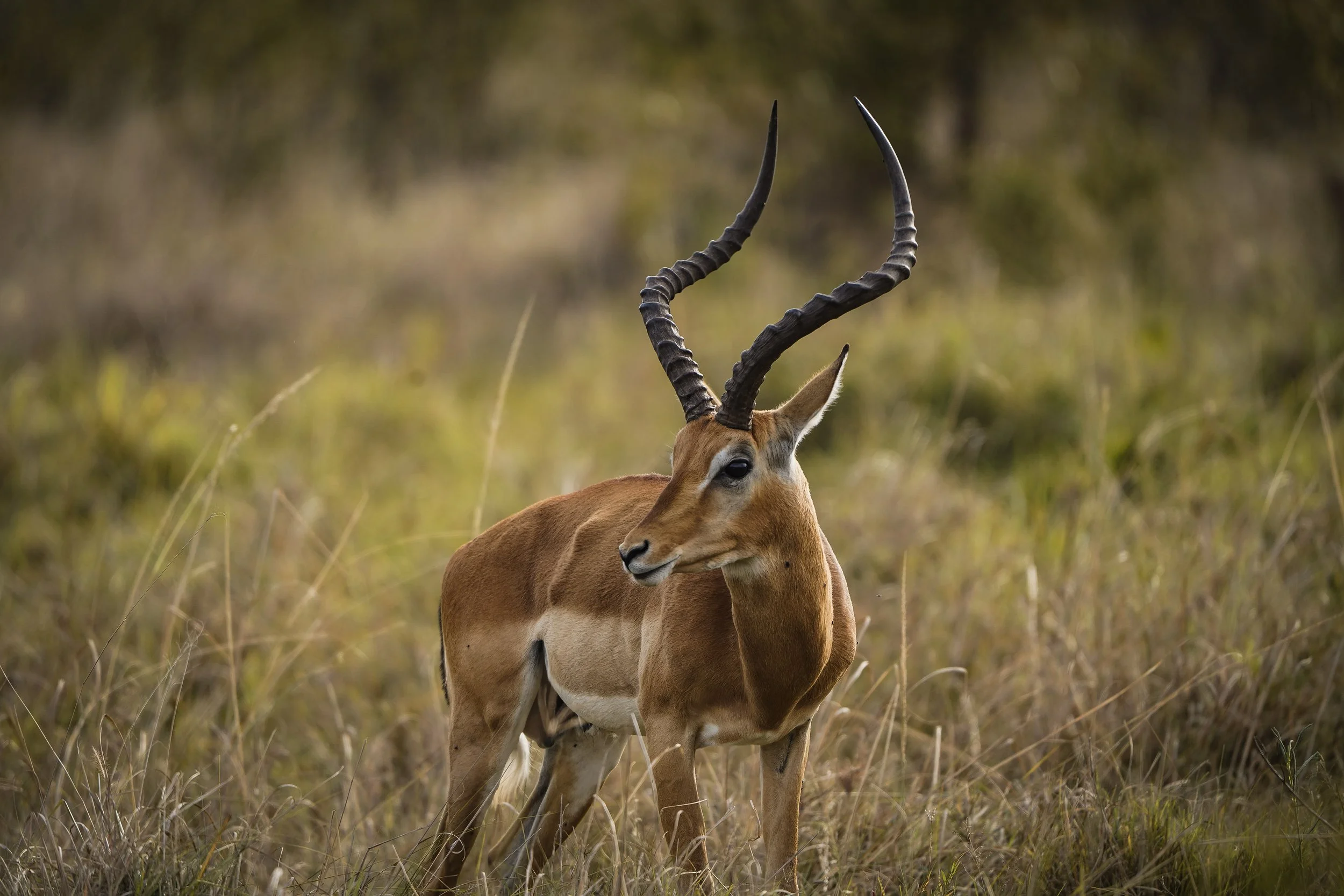
The Sony a7III has been my workhorse for almost six years, and as always, it performed beautifully. Autofocus was the best route this time because you don’t have time for manual, the colors were clean, and shutter speed held up well even with wildlife in motion. I didn’t feel limited once, not even while shooting from a moving vehicle.
Sony FE 200–600mm f/5.6–6.3 G OSS: The Wildlife Lens
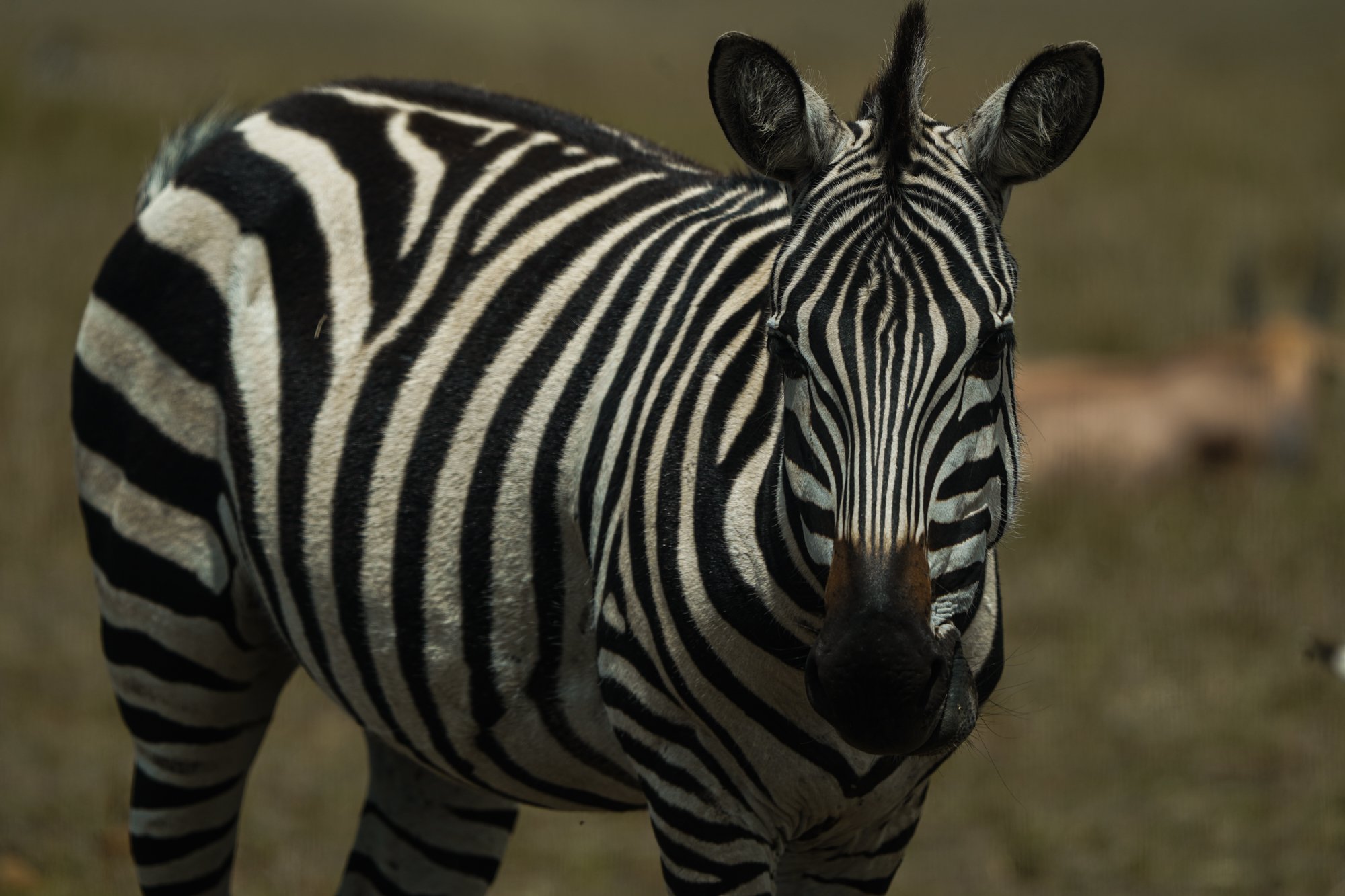
This was my first time shooting with a lens this size, and in hindsight, I definitely should have practiced more before the trip. The weight and length mean you need more arm strength and stability than you think and how you angle your arms, hands and really your whole body is different than if you’re shooting with a smaller lens. Once I got into a rhythm, though, this lens changed everything.
How I Used It
Every wildlife shot
Every game drive
Video clips when I needed tight, stable footage of animals
What Worked
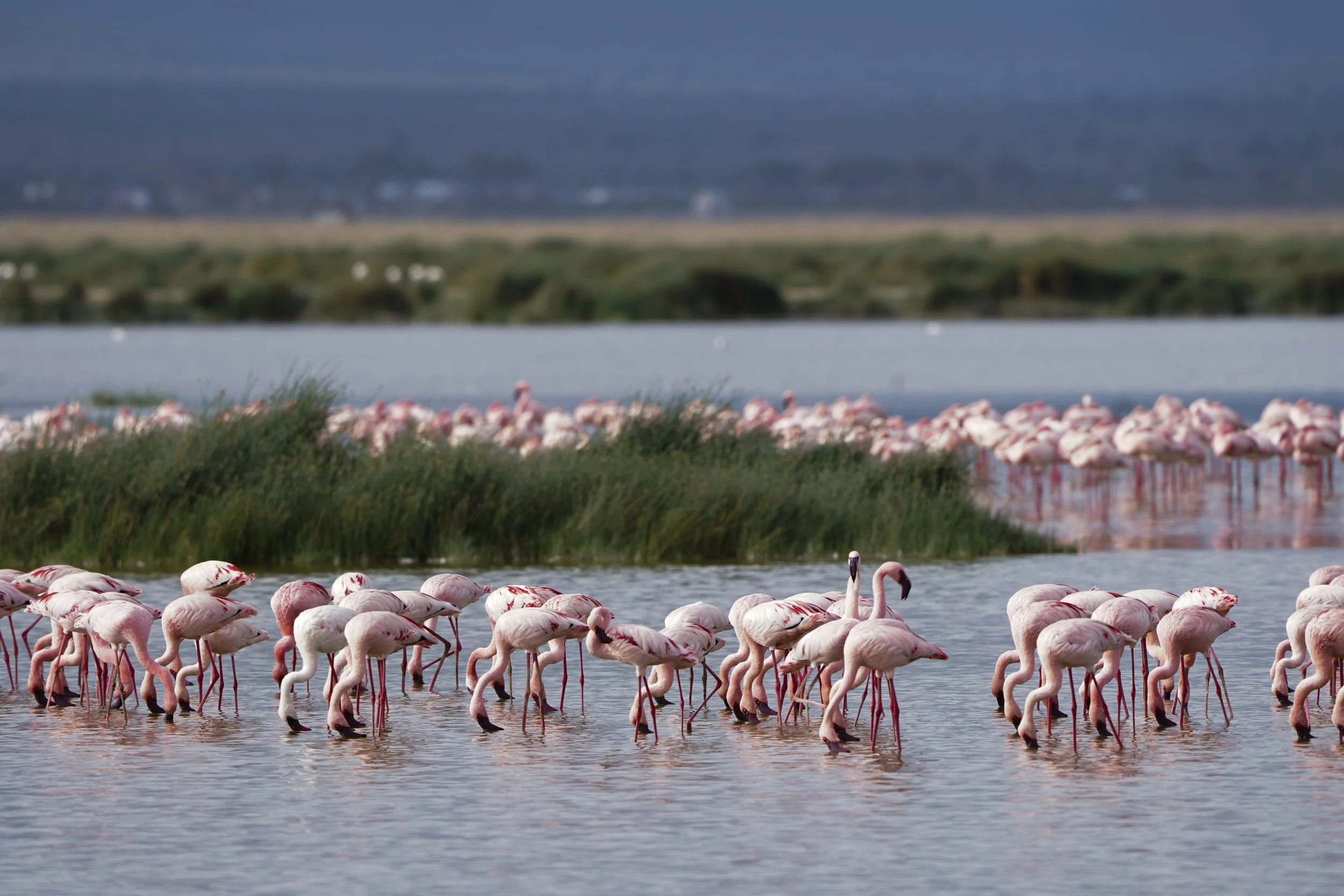
The reach is incredible, and you feel like you’re right in the animals’ space.
Autofocus was very reliable, even with fast movement.
Image stabilization helped a lot when shooting handheld or bracing against the safari vehicle.
What Didn’t
It’s heavy, and you’ll know it by the end of your trip.
Getting it out of the vehicle window quickly takes practice.
Finding fast-moving subjects through a long focal length has a learning curve.
Bottom Line
If you want National Geographic–level wildlife shots, bring a long lens. Yes, it’s big. Yes, it takes practice. But it is absolutely worth it.
Sony 50mm f/1.8: The Intimate Storytelling Lens
My 50mm is always useful, and this is the one lens I will always take everywhere. They don’t call it nifty fifty for no reason.
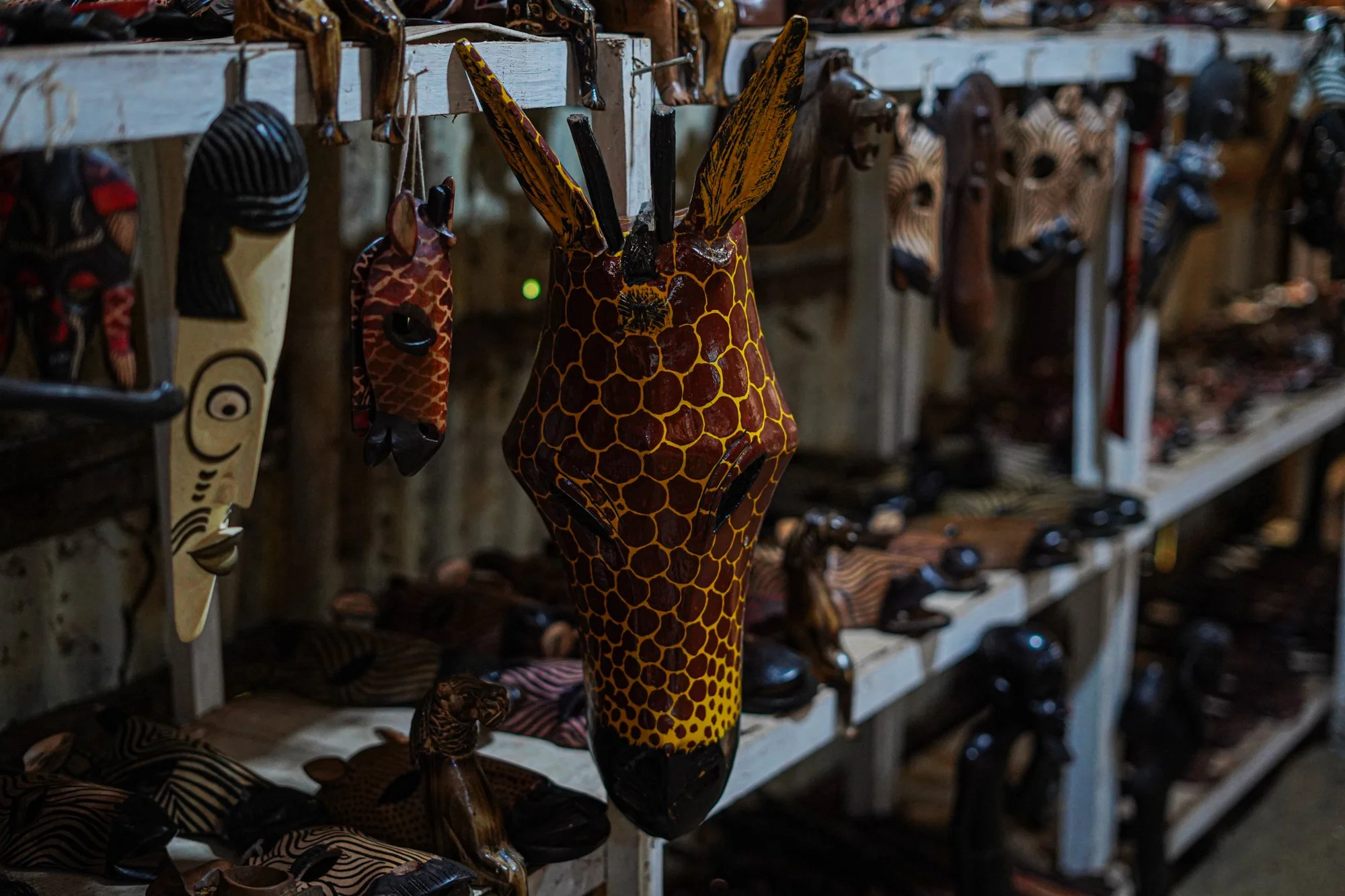
How I Used It
Curio markets
The beadwork co-op visit
Sheldrick Wildlife Trust (close-ups of the elephants)
Portrait-style moments
Textures, details, and small scenes
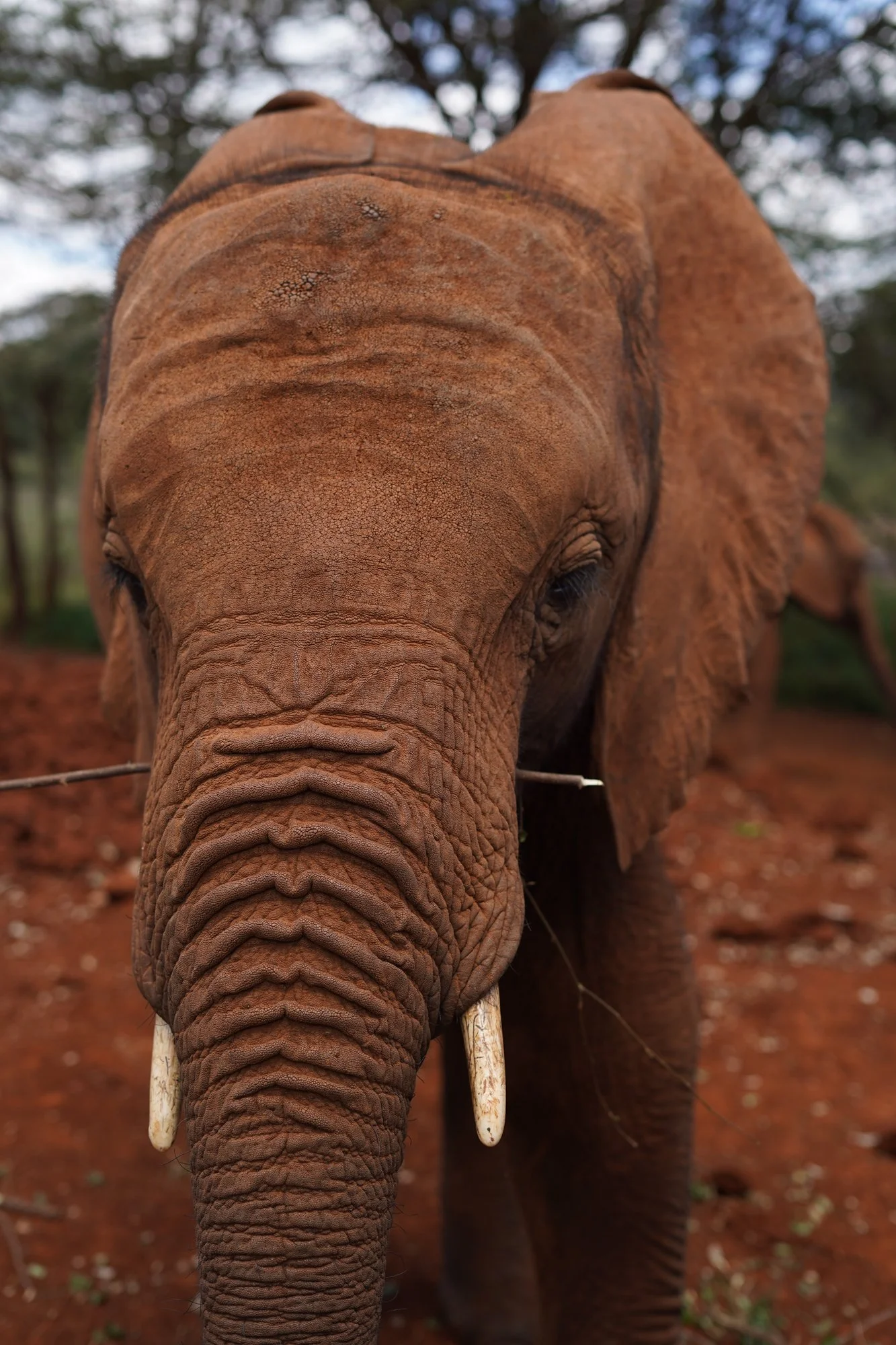
Highlights
Clean depth of field
Natural, warm portraits
Intimacy that balances the wide-open safari shots
If you want to capture culture, people, and details, pack the 50mm.
Sony 16–35mm f/4: The Least Used but Still Necessary Lens
I didn’t reach for this lens often, but when I did, it was useful.
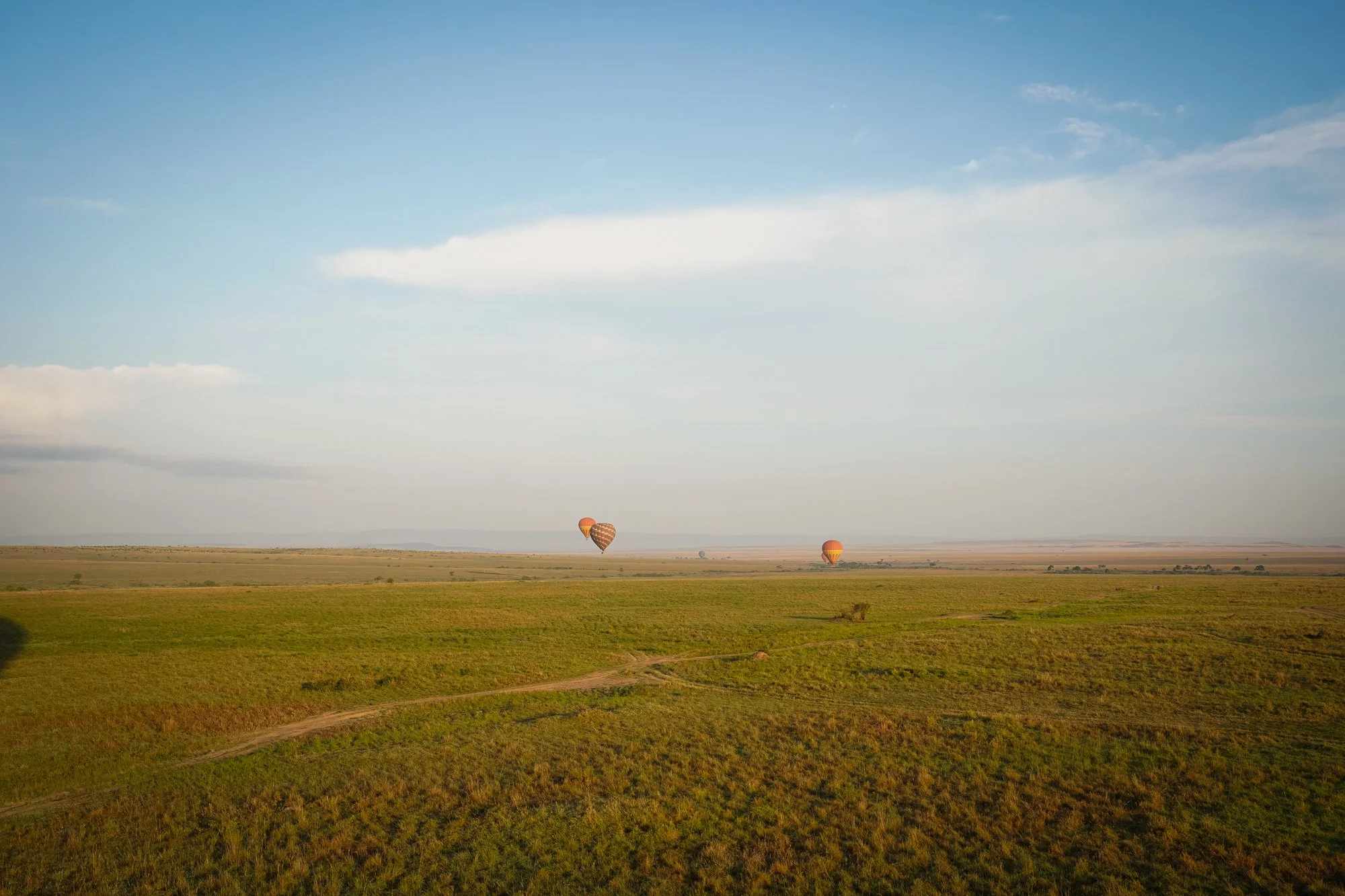
How I Used It
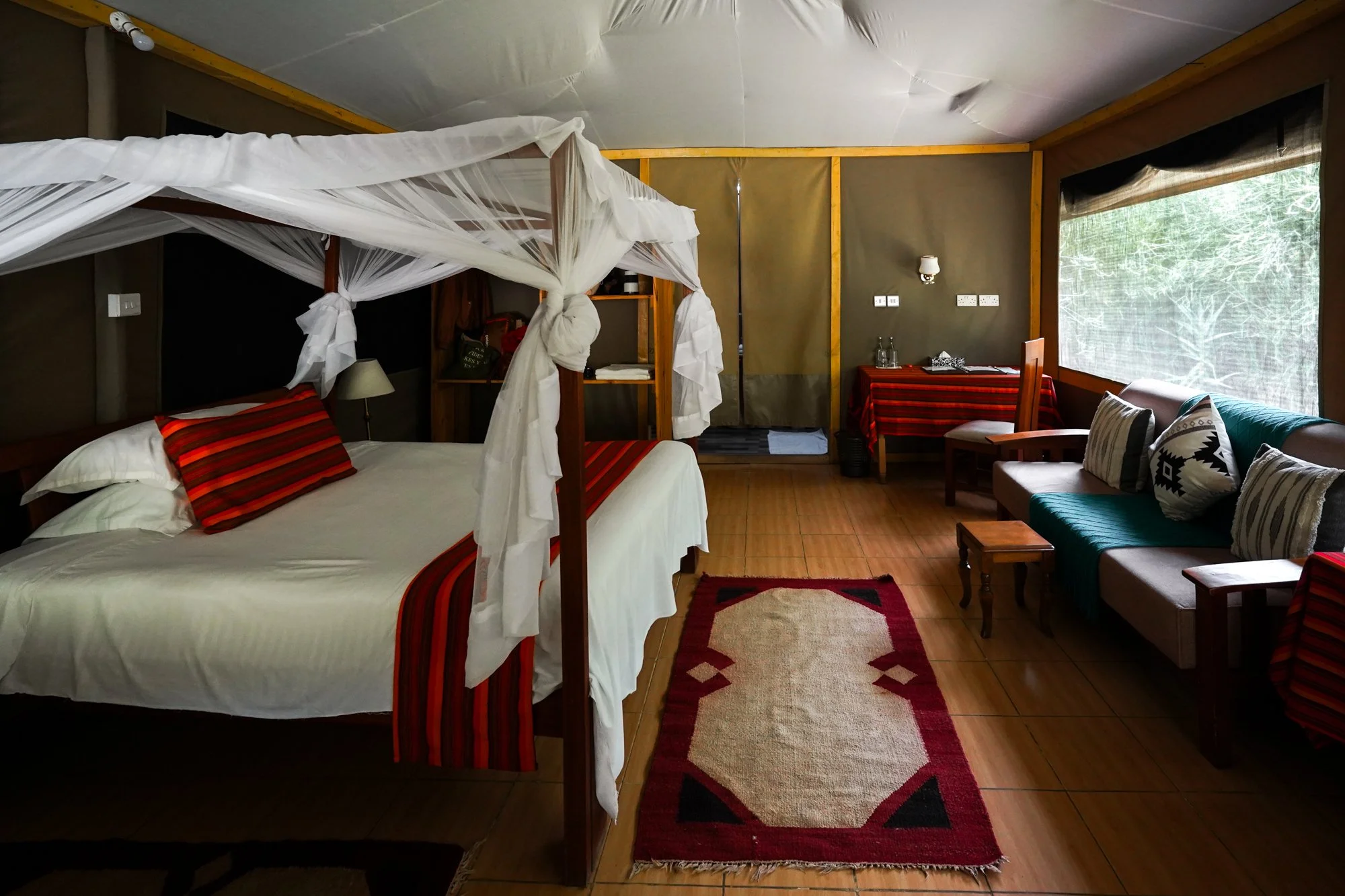
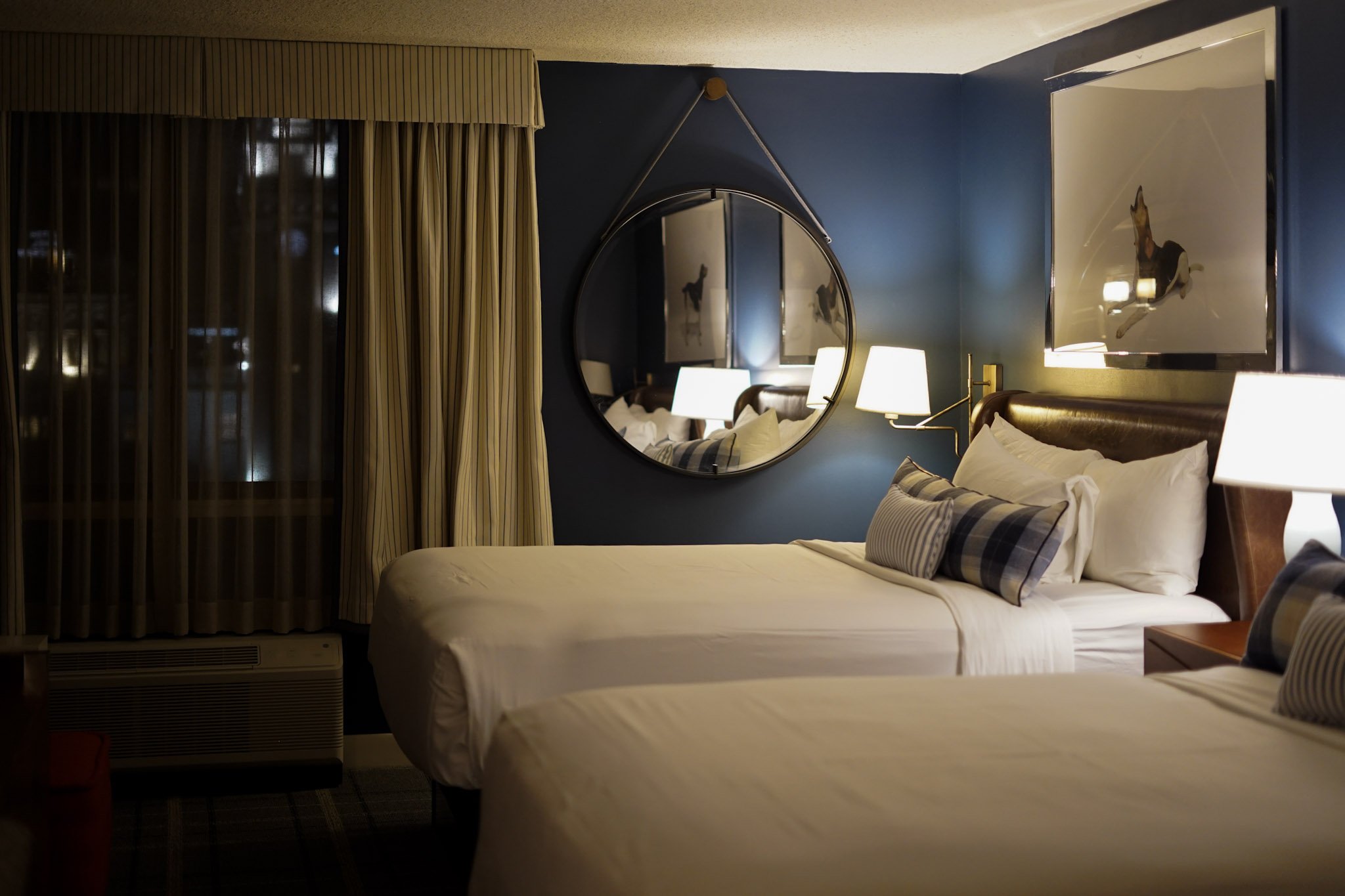
Accommodations (rooms, lodge exteriors, pool areas)
Wide landscapes where longer lenses felt too tight
Atmospheric video clips
Scenes where I wanted a bit of context like the views from the hot air balloon ride
The 16–35 will never be your safari MVP, but it fills some gaps that the other lenses can’t touch.
Memory Cards & Batteries: Why I Didn’t Need Extras
I packed six extra memory cards and two extra batteries, neither of which I ended up needing.
Why?
I dumped footage every single night onto a hard drive.
Every lodge and camp had outlets for charging (as long as you have a converter).
My Sony a7III battery lasted all day; I consistently ended with ~30% left.
A single 128GB card held more than enough photos and video for one day.
I don’t regret packing extras though, because peace of mind is worth it, and I would not have wanted to miss anything.
What I Regret Not Bringing
If I could go back in time, I’d pack:
A lens cleaner
A few microfiber cloths
Safari dust is real. Wind + dirt + constant lens switching is a recipe for smudges, which I did end up with in some of my video footage. It’s no big deal, but if I could have avoided it, then I would have.
Bring cleaners. You will need them.
Using My Phone: A Backup, Not a Go-To
I did shoot on my phone occasionally, especially quick videos, but for a trip like this, your camera is doing the real work.
There’s a noticeable difference in dynamic range, clarity, zoom, and processing. And when an elephant is ten feet away or a lion is in a tree, you really don’t have time for a phone to figure things out.
Use your phone for fun selfies or quick vlog like videos. Use your camera for memories.
Tips For You
1. Practice with your longest lens before you go. Even ten minutes in your backyard shooting birds or squirrels or maybe even people in the distance helps.
2. Keep your shutter speed high. Wildlife moves fast, even when it looks still.
3. Burst mode is your friend. Animals are constantly moving, so burst mode will help you choose the right photo out of a few photos in a group.
4. Brace your lens on the jeep. Use door frames, railings, seat backs as stabilizers.
5. Don’t overpack lenses. Nifty 50 goes with me everywhere, but I probably could have left the 16-35mm at home or replaced it with the 24-70mm for when I didn’t want to use the big boy 200-600mm. Take whatever makes you feel confident to get the shot though.
6. Communicate with your driver. Tell your driver the shots you’re trying to get. They’ll move the truck around for you or stop if you see something you’d like to try to shoot. They’re used to this and can even help you get the right angles and moments for your shots.
7. Keep your camera ON during game drives. I’m normally the kind of person that turns my camera off between shots, but for game drives you absolutely need to keep the camera on. The animals are moving, hidden, elusive, and all the things, so you need to be ready when it’s time to shoot.
Final Thoughts
My safari photography setup actually felt perfect in the grand scheme of things because there was nothing I wanted to shoot that I didn’t capture. It worked beautifully for my first time shooting wildlife at this scale. The combination of the Sony a7III and the 200–600mm lens gave me clean, sharp images from some of the most unforgettable moments of my life. The 50mm and 16–35mm filled in the rest for culture, detail, landscape, atmosphere.
If you’re planning a safari, bring the gear that lets you feel confident, but don’t obsess. You’ll encounter all the moments you want to see. You just have to be ready.
I’m still figuring out how to turn The Truth Traveller into a sustainable business, so I’m sharing what that process actually looks like. Here’s how I’m monetizing my travel blog, including the affiliate platform that has generated more than $14,000 in travel bookings through my content.