
Inside the Sheldrick Wildlife Trust: A First-Timer’s Guide to Kenya’s Iconic Elephant Sanctuary
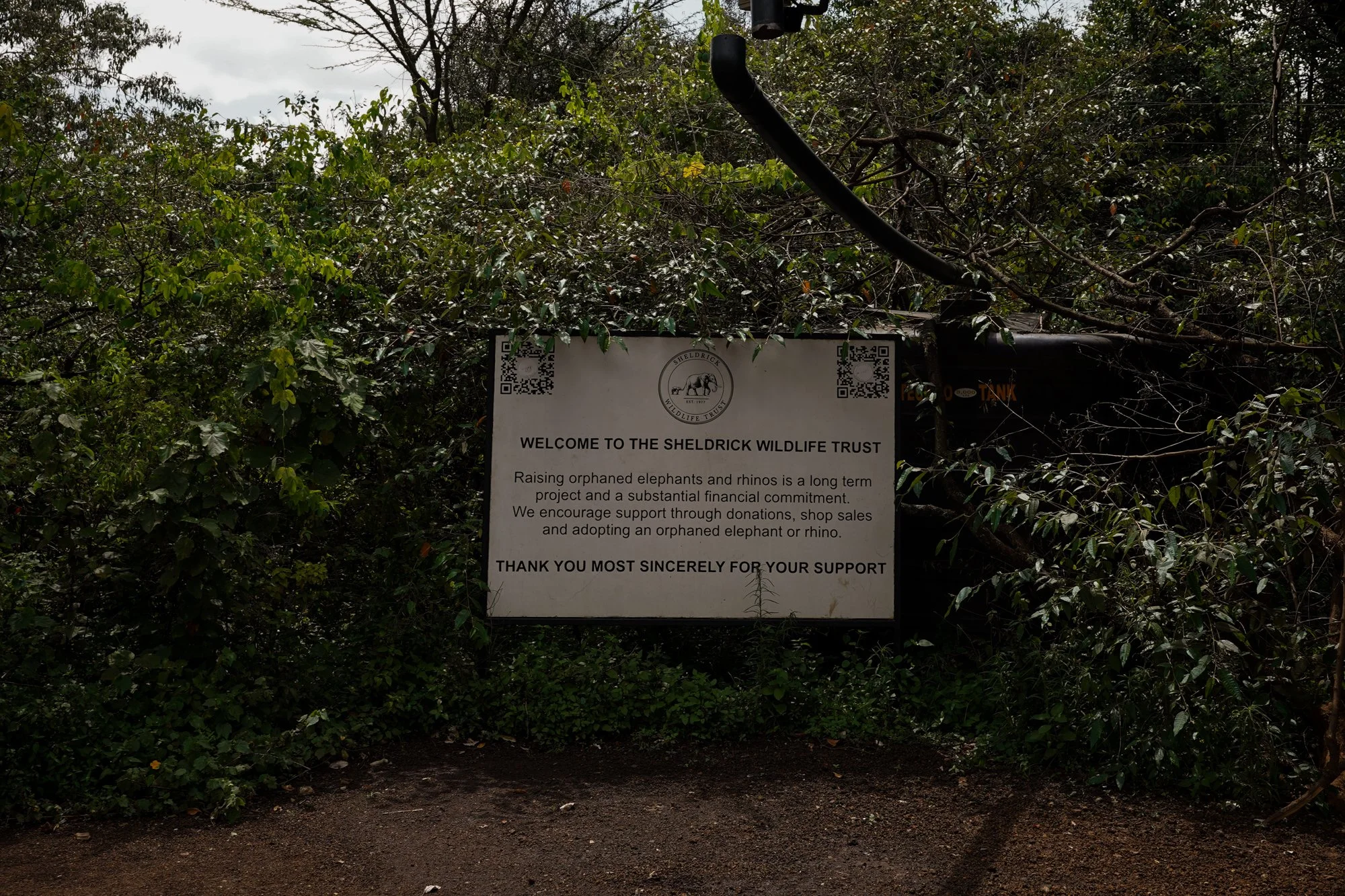
I’ve followed the Sheldrick Wildlife Trust on social media for years. Elephants are my favorite animal and seeing orphaned elephants with redeeming rescue stories always warmed my heart. I always hoped to make it there one day, but certainly not this year. Kenya wasn’t even on my 2025 bingo card, and SWT definitely wasn’t. So when I saw it on my itinerary, it was a beautiful surprise and certainly one of those travel moments that stays with you.
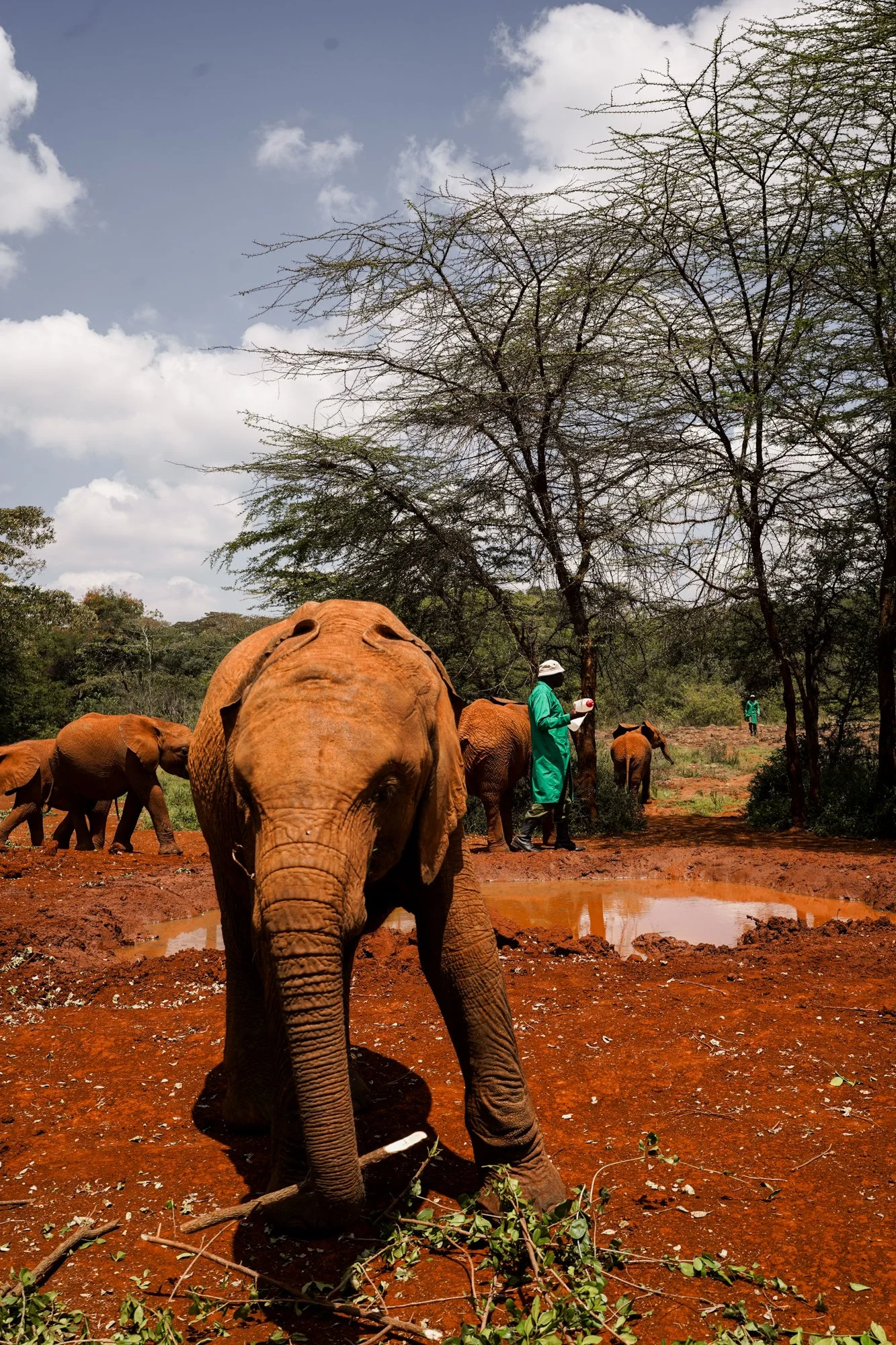
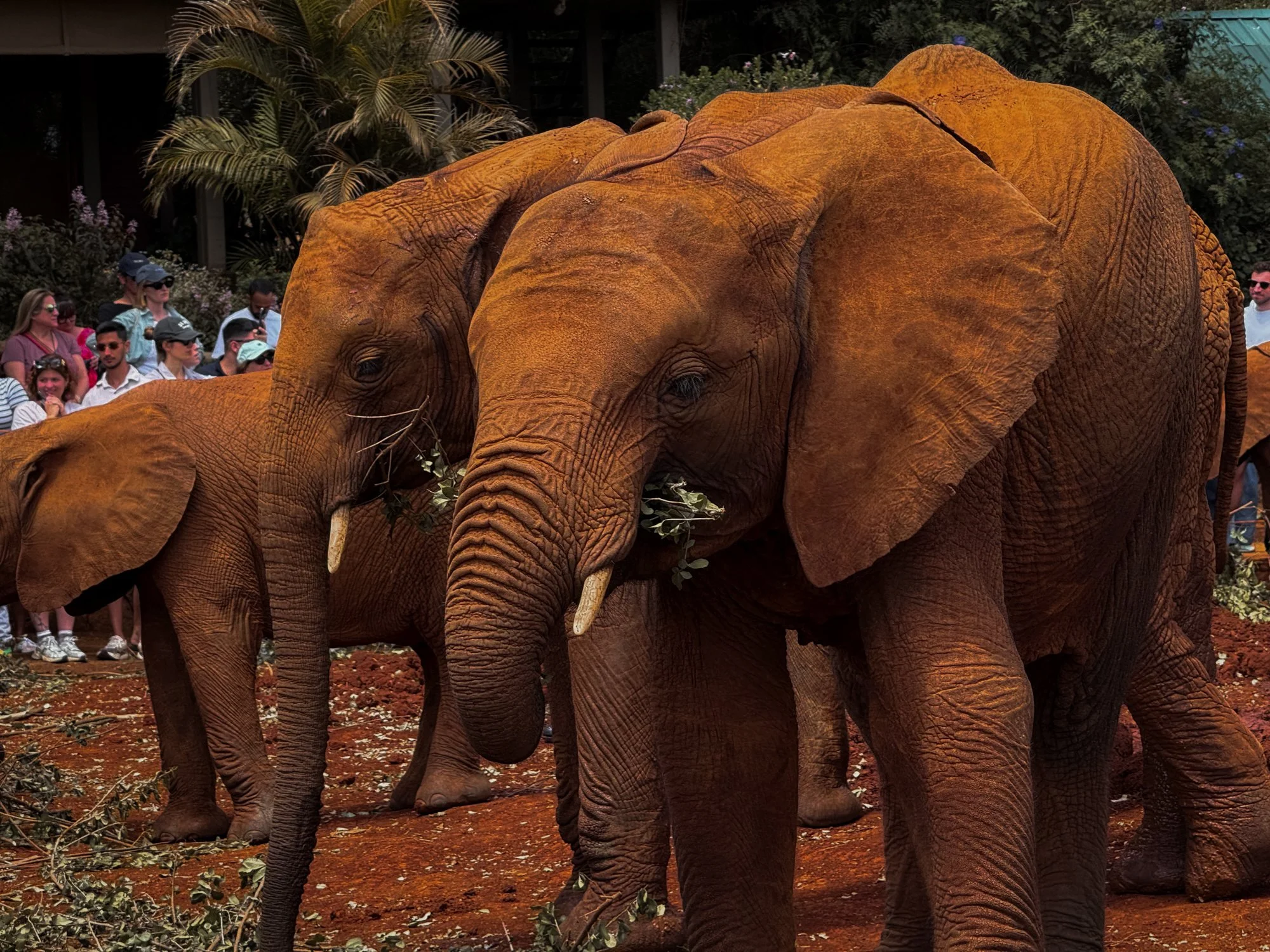
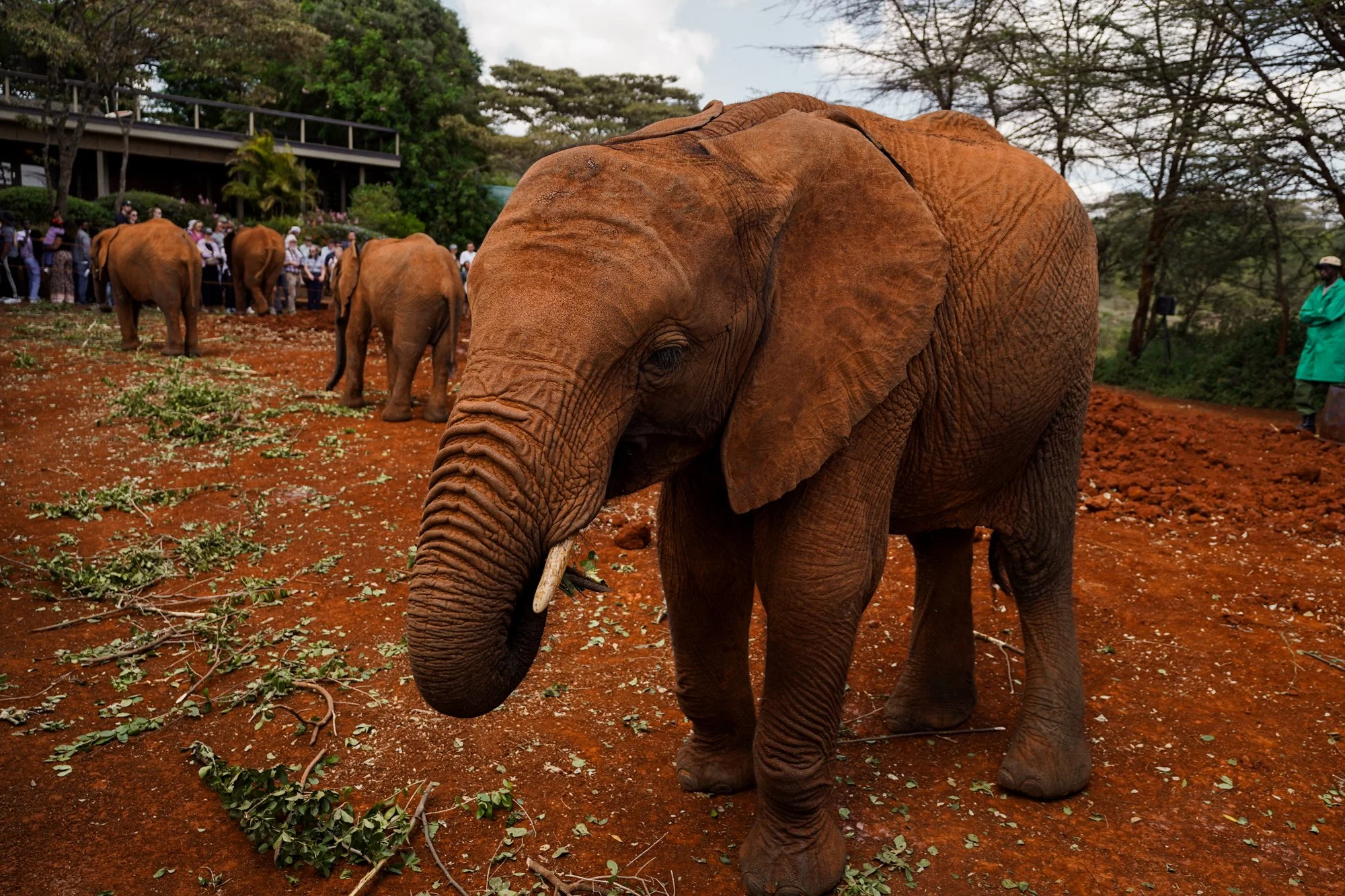
The sanctuary sits on quiet and peaceful grounds, and as you walk the path to the presentation area, you get a peak at the stables where the elephants sleep. You gather around in anticipation, and then they appear, coming out (in a single file line, might I add) for feeding and playtime. It’s a grand entrance because of their size but also because as large as they are, you can tell they are still babies.

A Brief History of the Trust
Founded in 1977 by Dr. Dame Daphne Sheldrick in honor of her late husband, David Sheldrick, the Trust is one of the world’s leading wildlife conservation organizations. It started with a single purpose: rescue, rehabilitate, and release orphaned elephants back into the wild. Over the years, that mission expanded into anti-poaching units, habitat protection, community education, veterinary field teams, and long-term ecosystem preservation.
What makes the Trust’s work so aligned with Kenya’s national conservation strategy is its emphasis on restoration, meaning they don ‘t just aim to protect individual animals, but their goal is always to sustain whole landscapes. Kenya’s long-term plan recognizes that wildlife survival depends on community involvement, healthy rangelands, and protecting migration corridors. SWT sits right in that pocket, doing hands-on work that actually shapes the future of these species.
The Experience
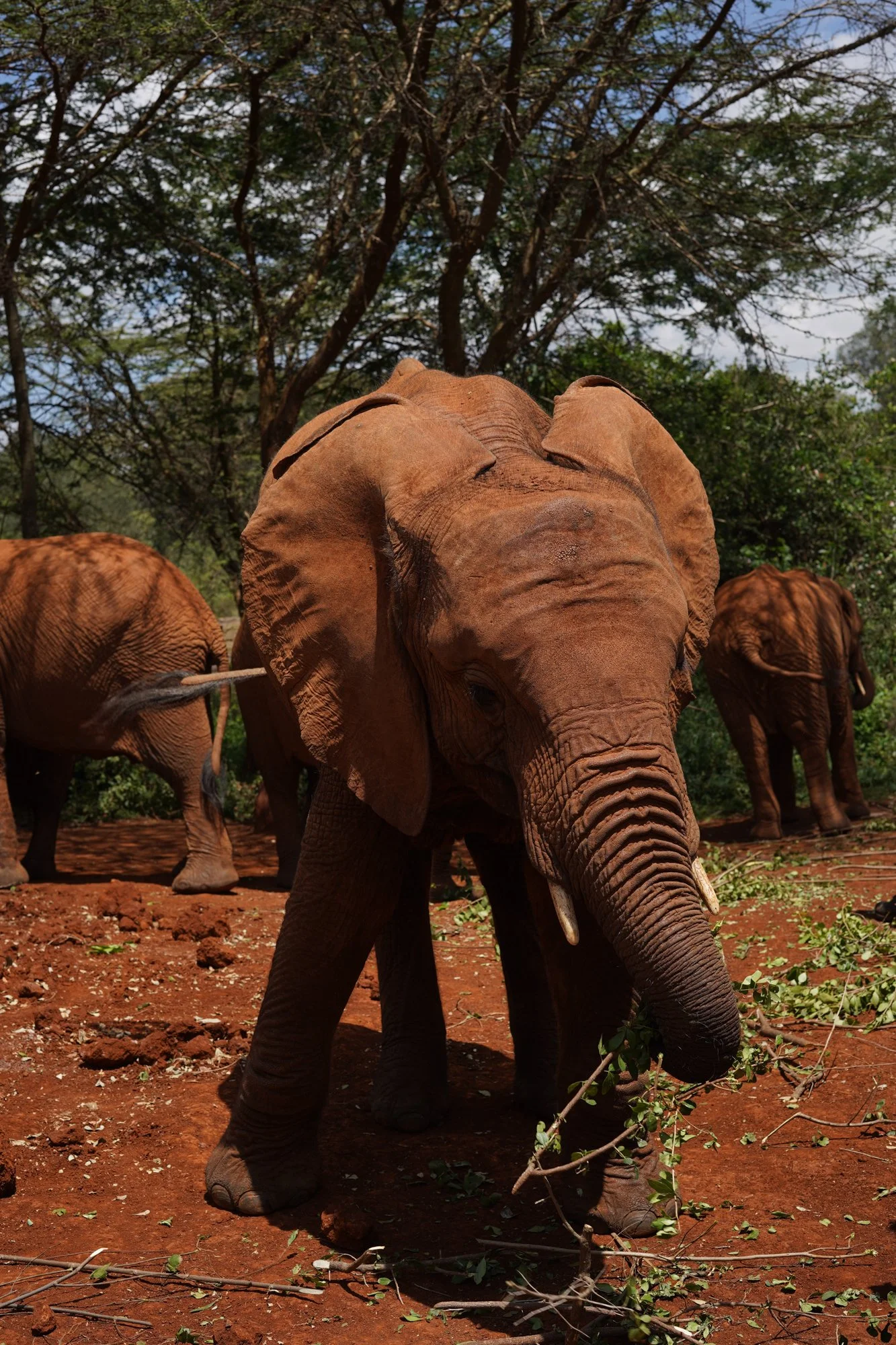
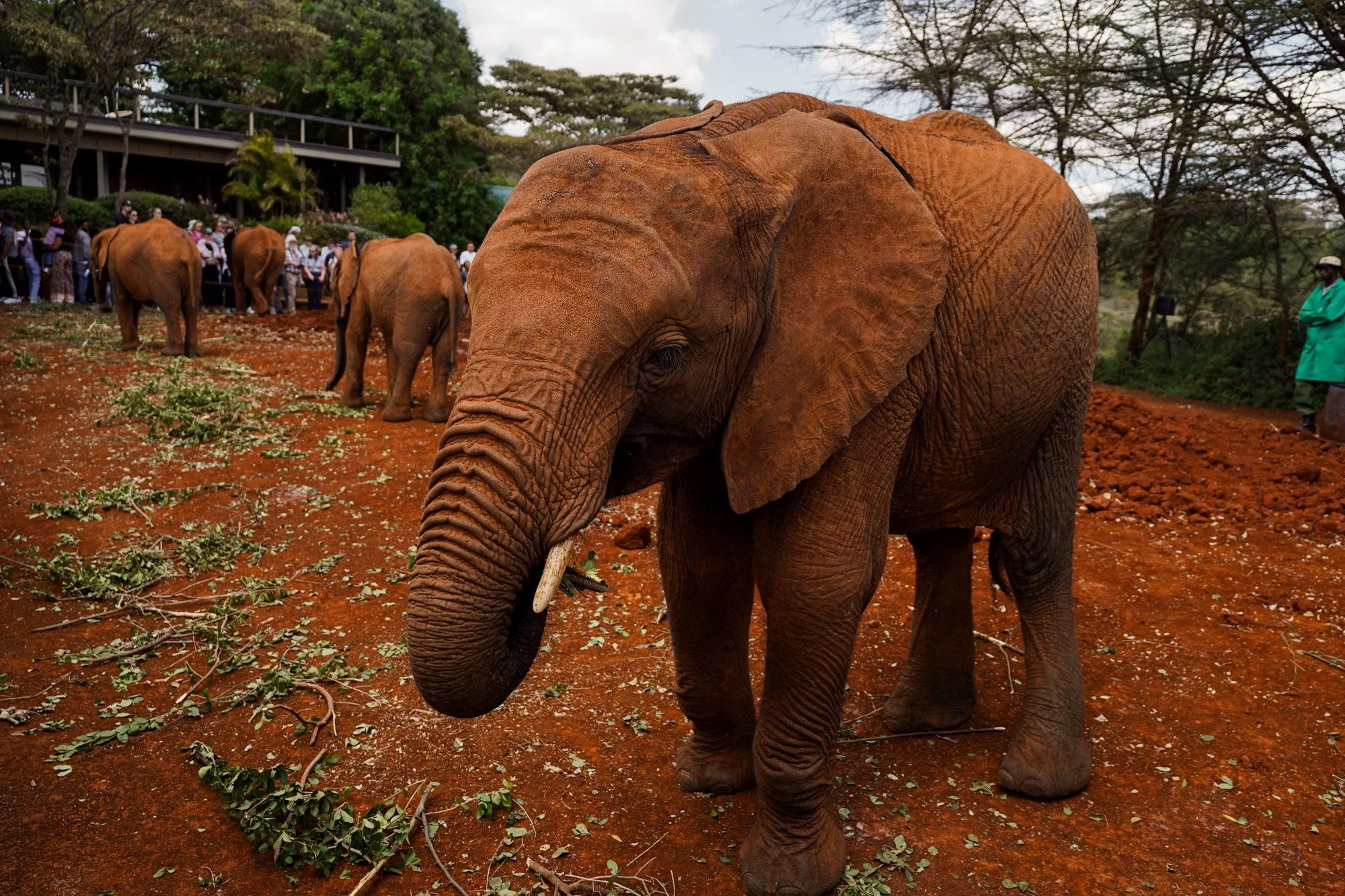
Seeing these elephants on a screen is one thing; seeing them a few feet away is something else entirely. We were allowed to gently touch them, and it’s impossible not to be humbled by how gentle they are. There’s no rushing and no loud talking. Visitors are encourages to match the elephants’ calm energy.
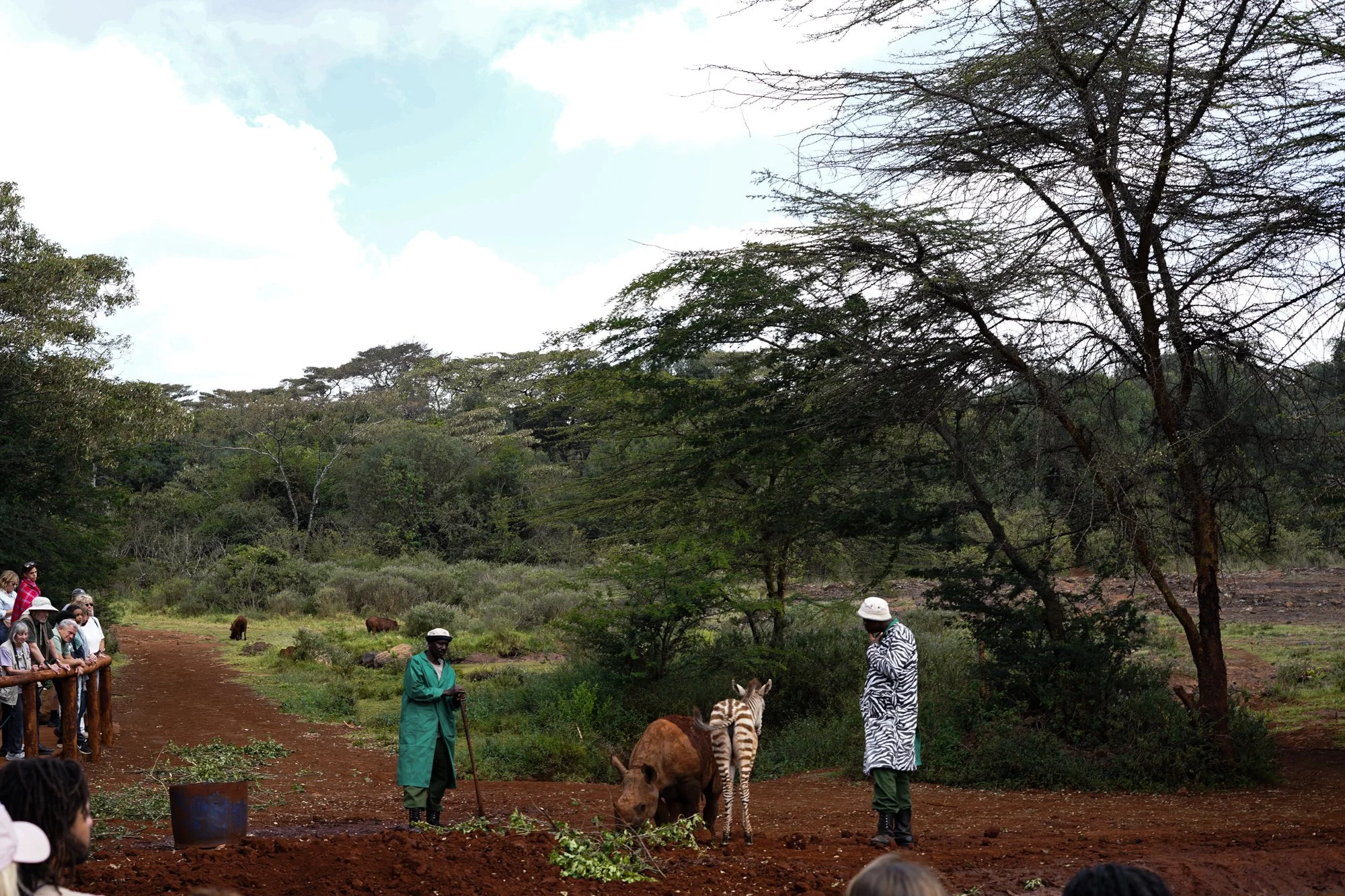
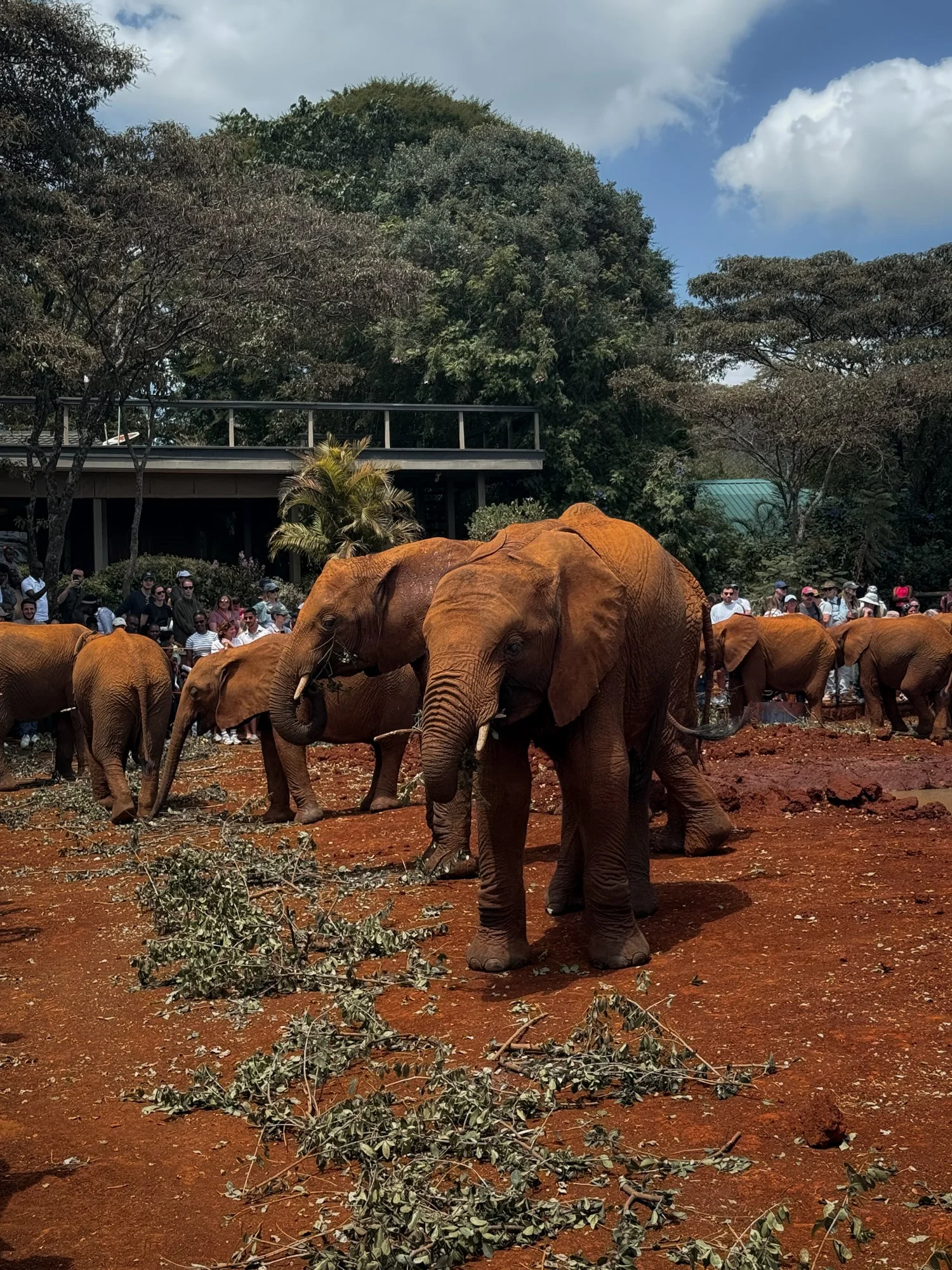
During the feeding, the manager shares each elephant’s name and story, including how they arrived, their personality quirks, and the friendships they’ve formed in the herd. When I visited, the sanctuary was home to fifteen elephants, plus a zebra and two rhinos who had been rescued and were under care. In the same way we can see that domestic dogs or cats have their own personalities, it’s very obvious to see that the elephants do as well. There were some solely focused on eating, others turning the water bucket over, some trumpeting when they finished a bottle, and others nudging their friends for gentle play.

What Happens After the Presentation
Once the feeding and storytelling are over, you’re guided to a small outdoor shop that has all sorts of elephant-related items such as carved elephant figurines, art prints, pillow covers, mugs. There are small pieces that make beautiful souvenirs and larger items you might use to decorate your hope. They all serve a purpose. Proceeds from the shop support the Trust’s conservation efforts, so you are leaving with something meaningful.
Plan Your Visit
Tickets and Entry
The Sheldrick Wildlife Trust offers a structured, timed experience, usually doing a single morning public feeding session each day. Tickets must be reserved in advance, and they do sell out quickly, especially during high season. Entry fees support the elephants’ care, rehabilitation efforts, and the Trust’s broader conservation programs.
Best Time to Visit
If you’re already in Nairobi, scheduling SWT at the beginning or end of your trip works beautifully. Mornings are cooler, the elephants are most active, and the light is great for photos. In terms of seasons, Kenya’s dry months, roughly June to October and late December to February, tend to be the most popular for travel overall, but SWT offers a lovely experience year-round.
How Much Time You’ll Need
Plan for about 1.5 to 2 hours total. The feeding and storytelling portion takes up most of that, with time afterward to browse the shop or take a few final photos.
What to Wear
Comfortable clothing and closed-toe shoes are ideal. The sanctuary grounds are dusty, and you’ll be standing for most of the presentation.
Photography Tips
You’ll be close enough that a phone or standard lens captures beautiful shots. Silence your shutter if possible to help maintain the calm atmosphere.
Etiquette and Interaction
This is a sanctuary first, tourist activity second. You should keep your voice low and follow the keepers’ instructions carefully. If touching is allowed during your session, use only a gentle hand and avoid sudden movements.
Getting There
The sanctuary is located within Nairobi National Park, about a 25–35 minute drive from central Nairobi depending on traffic. Most hotels can help arrange transportation, or you can book a private driver or tour operator who includes the visit as part of a Nairobi highlights day.
Why Sheldrick Wildlife Trust Stayed With Me
Leaving the sanctuary, I felt both grateful and in awe. I had admired Sheldrick Wildlife Trust from afar for so long, but seeing the work up close really put it into fuller focus.
Kenya’s landscapes, its wildlife, and its people are all about preservation and respect. SWT is just one very significant part of a larger commitment to conservation, which is quite powerful. Visiting SWT was a grounding experience because it revealed that there are still people and concerted efforts to restore and offer kindness to nature.
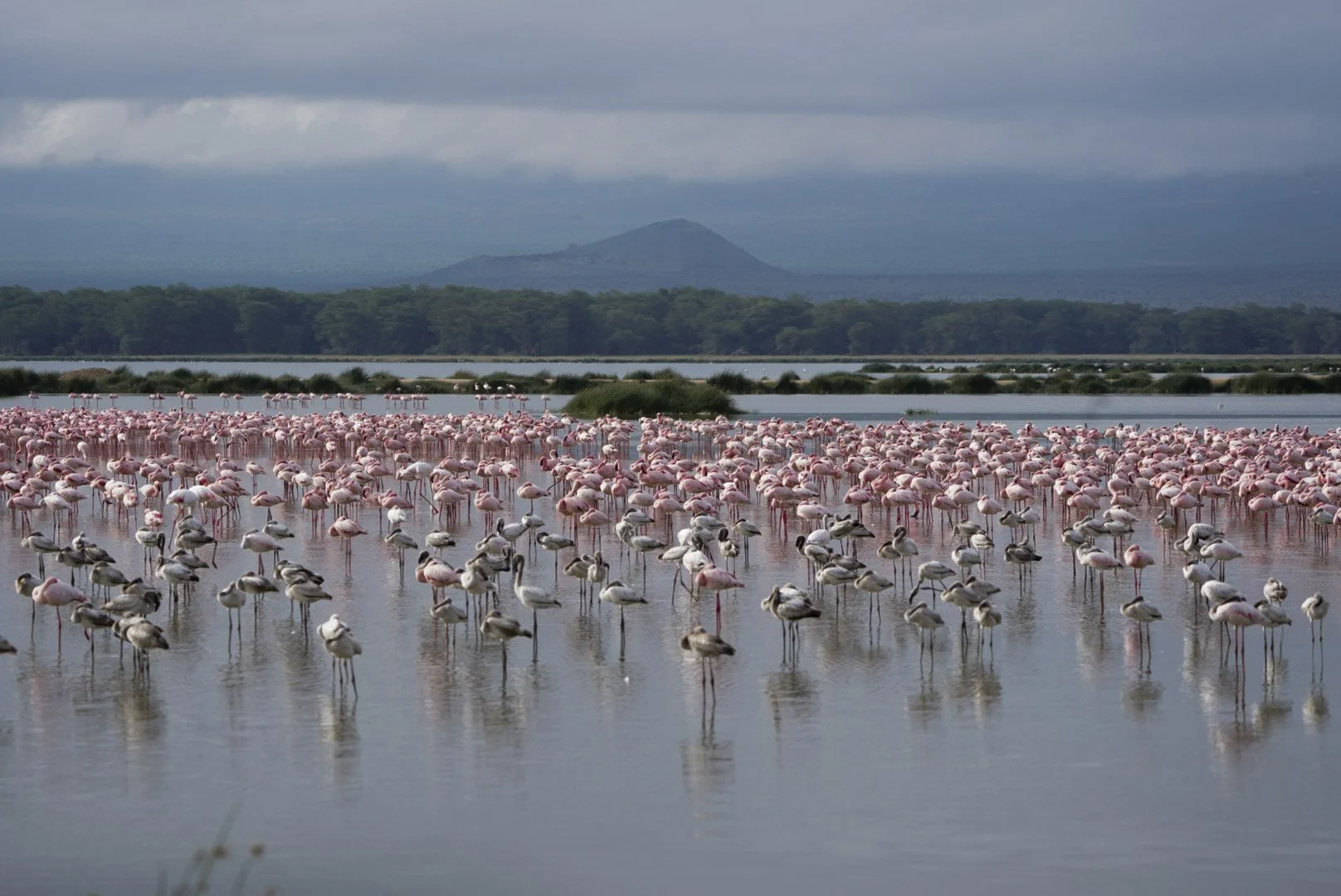
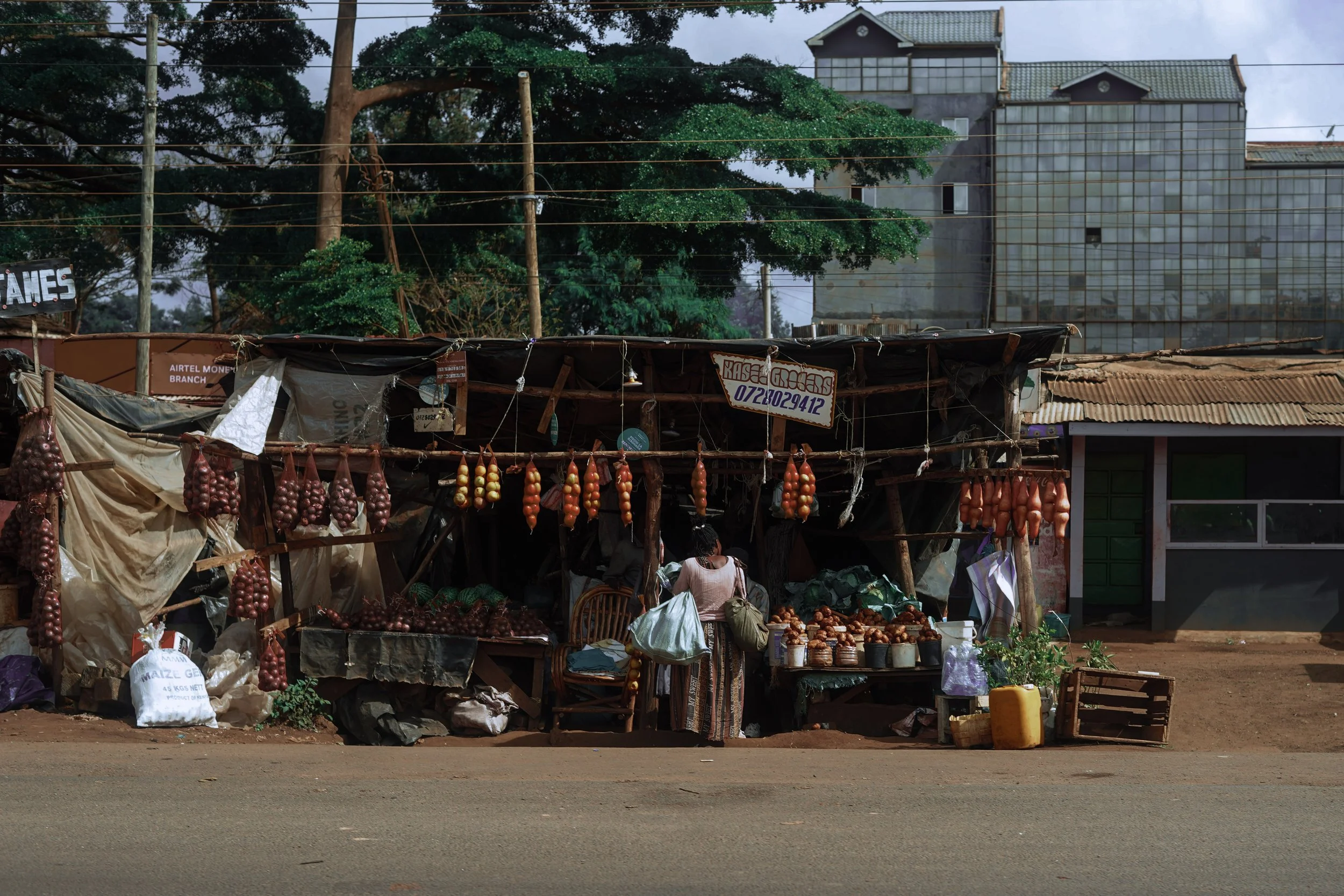
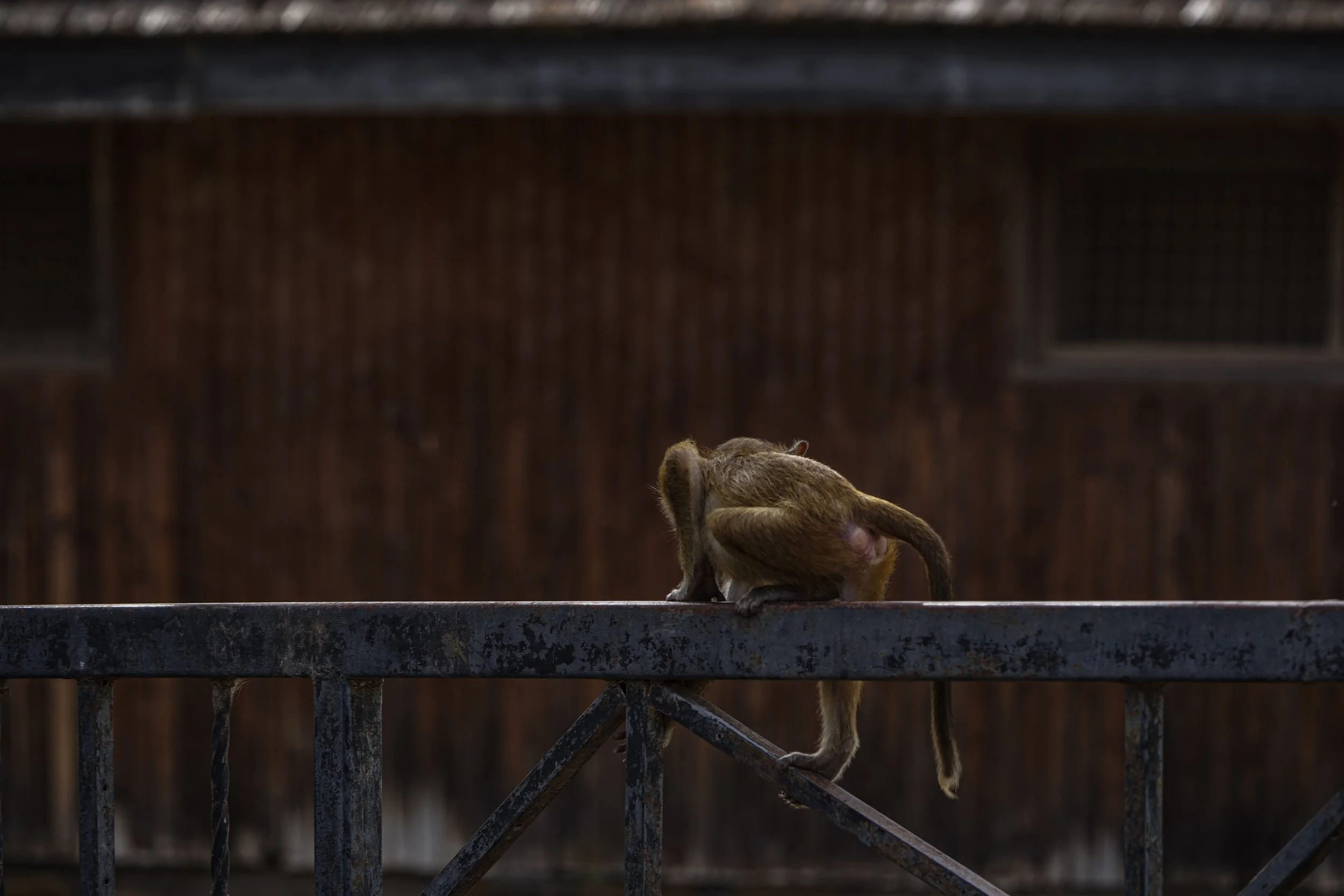

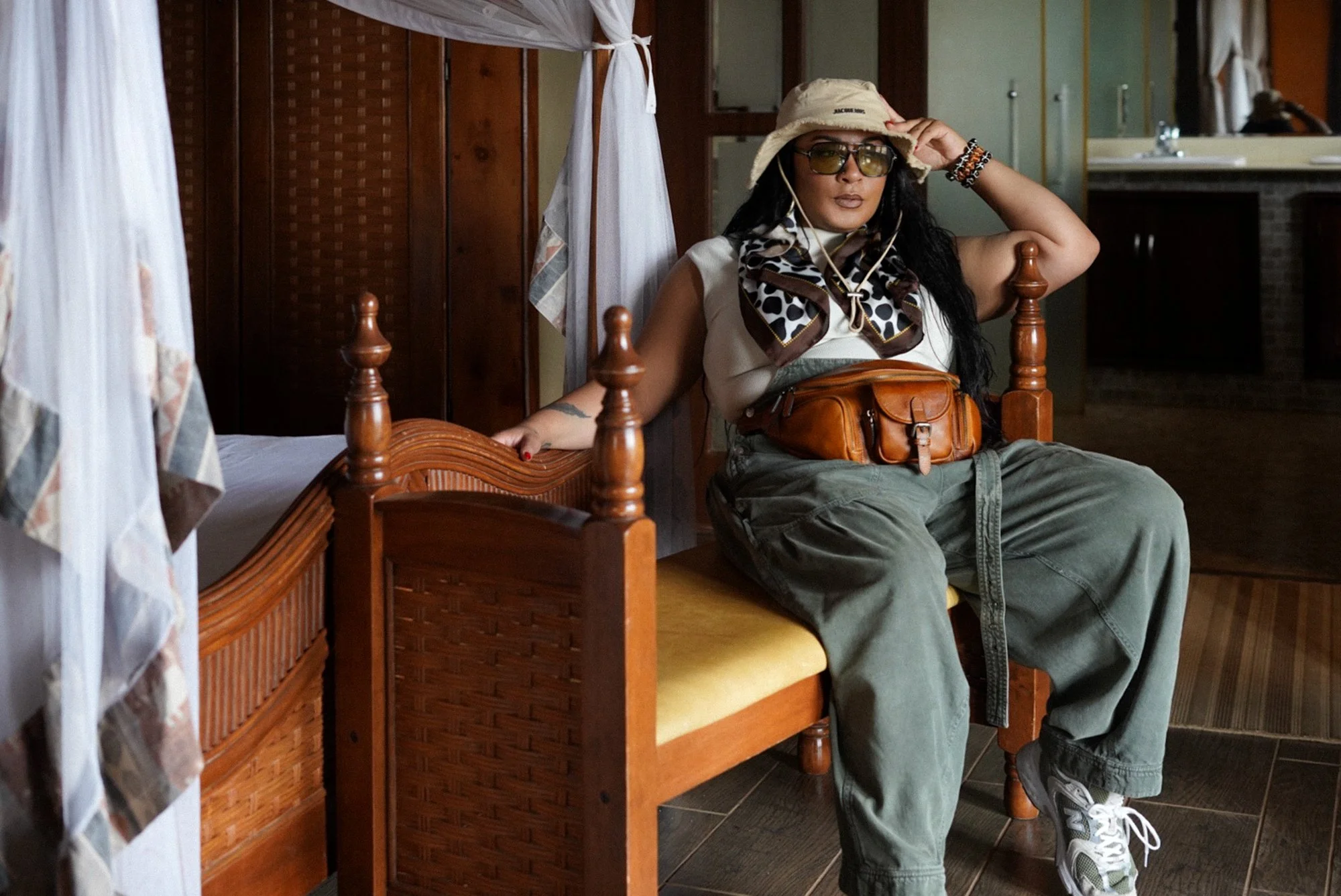

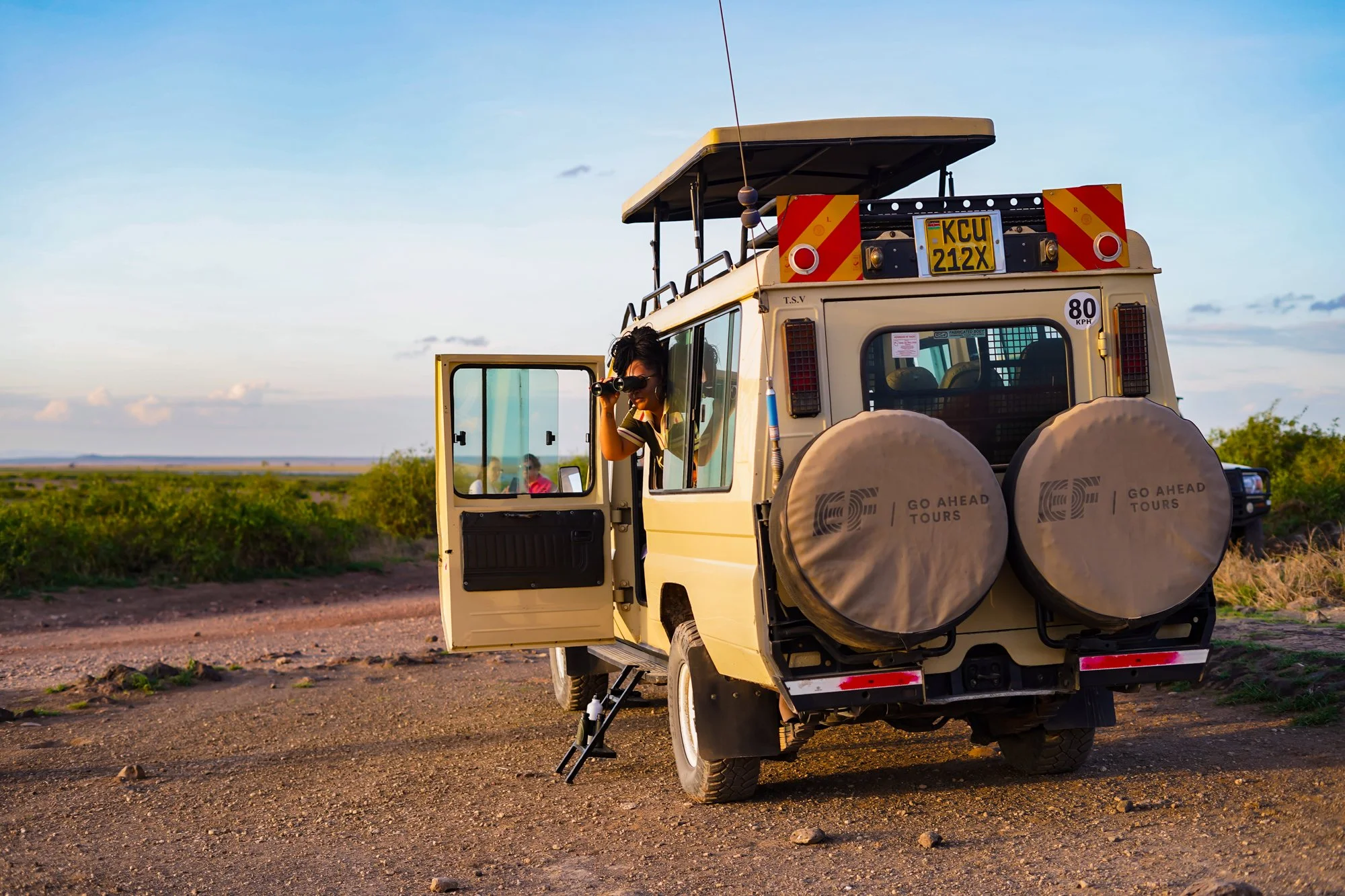


If you’re trying to figure out what to wear on safari, the answer is probably less than you think. I packed one pair of pants, changed my tops, used laundry services at every camp, and still felt put together in every photo. Here’s exactly what I wore on safari and the packing list I’d use again.