
Why November Might Be the Best Time for a Kenya Safari (And Why Almost Nobody Books It)
If you ask most people when to go on safari in Kenya, they'll tell you June through October, and they’ll mention dry season and migration season. You’ll see coverage of this season most across social media. People don’t really mention November, and when it does come up, there’s usually a warning about rain.
I went in November anyway, spent two weeks between the Maasai Mara, Amboseli, and the Great Rift Valley Lake System, and it was the best safari decision and maybe one of the best overall travel decisions I've made.
The Quick Answer, If You're Deciding Right Now
November in Kenya is the short rains season, which scares off a lot of first-time safari travelers. In two weeks across three regions, it only rained twice, and both times it was overnight after I was already back at camp. Every game drive happened under clear or lightly clouded skies. The landscape was lush, the crowds were noticeably thinner, and every animal we saw had a baby with it. I can't think of a real downside.
The Reputation vs. What Actually Happened
"Short rains" makes it sound like the whole trip is going to be soggy game drives and muddy roads, but that wasn’t my experience at all. As I mentioned, it only rained twice when I was already back at camp, and it was actually quite nice to hear it falling steadily on the tent roof. Not a single game drive got rained out or cut short.
That apparently tracks with how the season actually works. November showers in Kenya tend to be brief and concentrated in the afternoon or evening, which is a very different experience you might picture when you hear "rainy season."
Babies, Everywhere
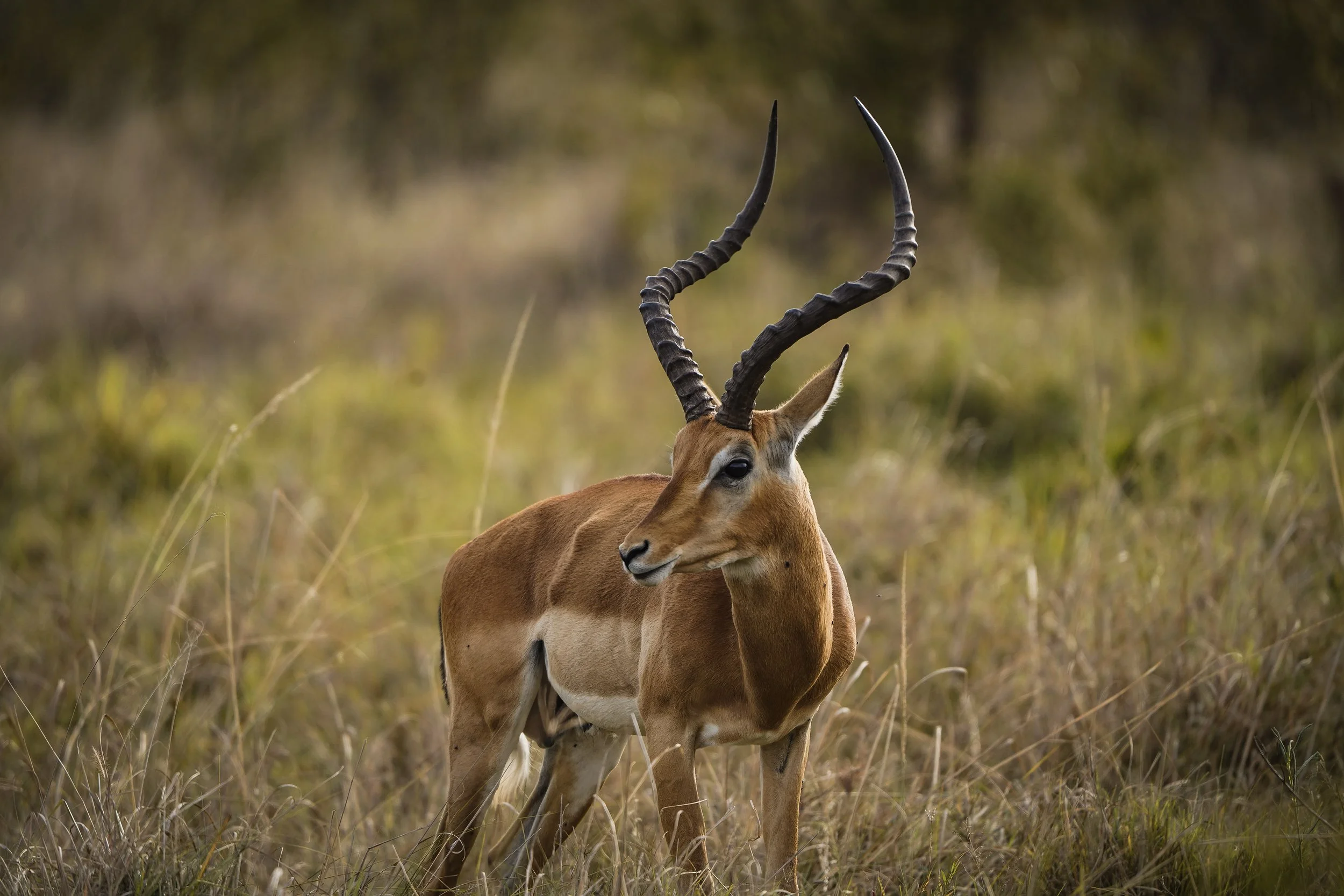
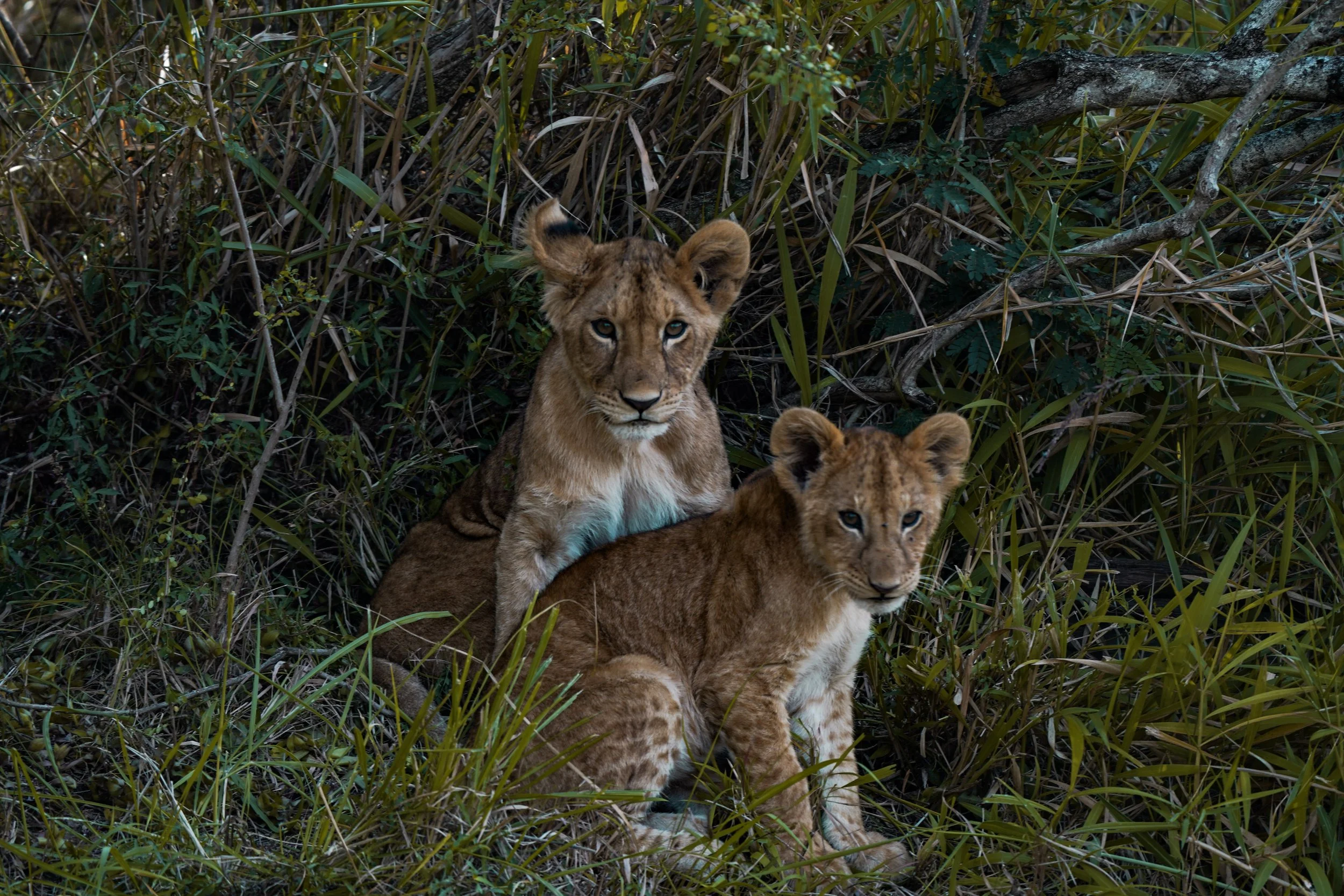
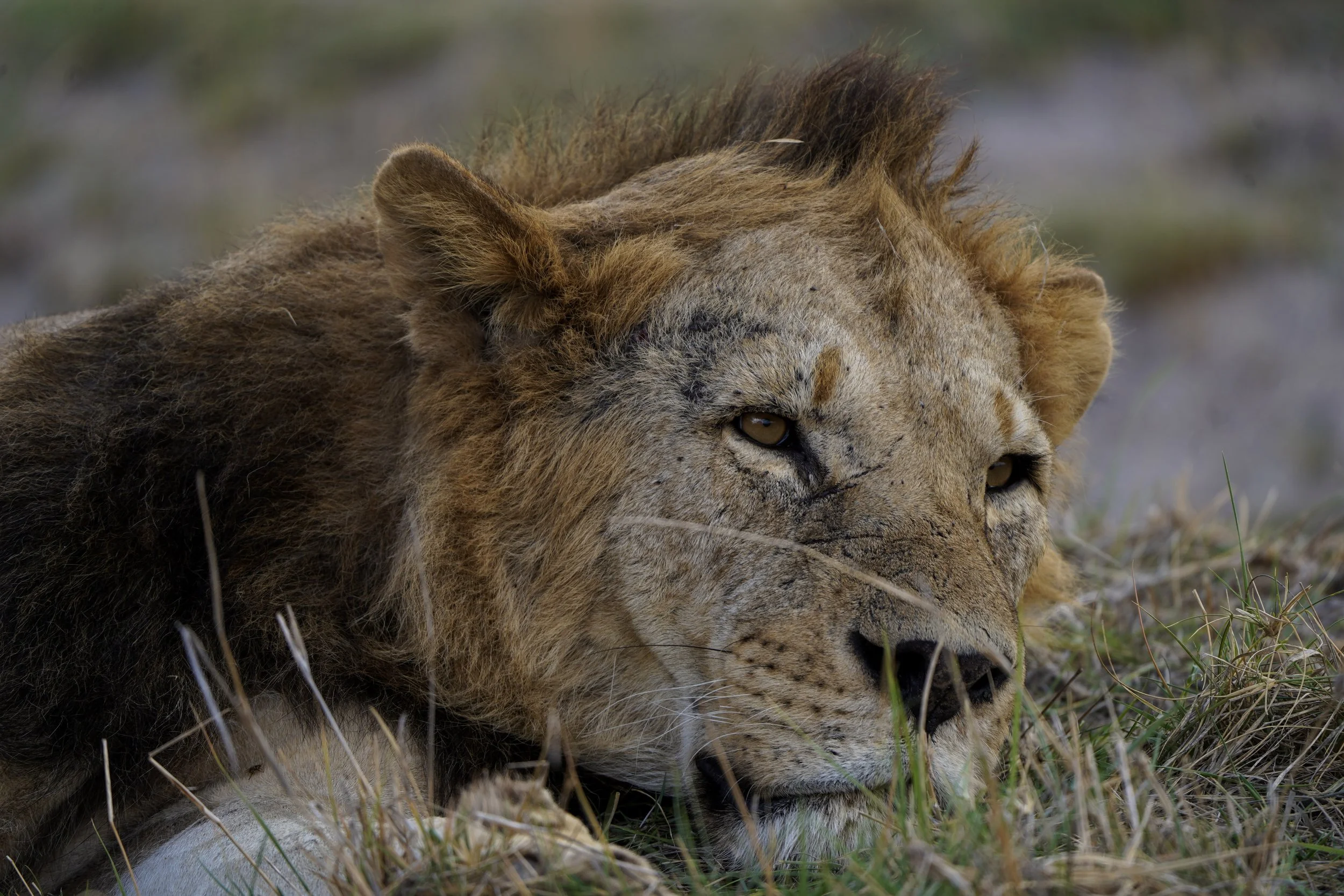
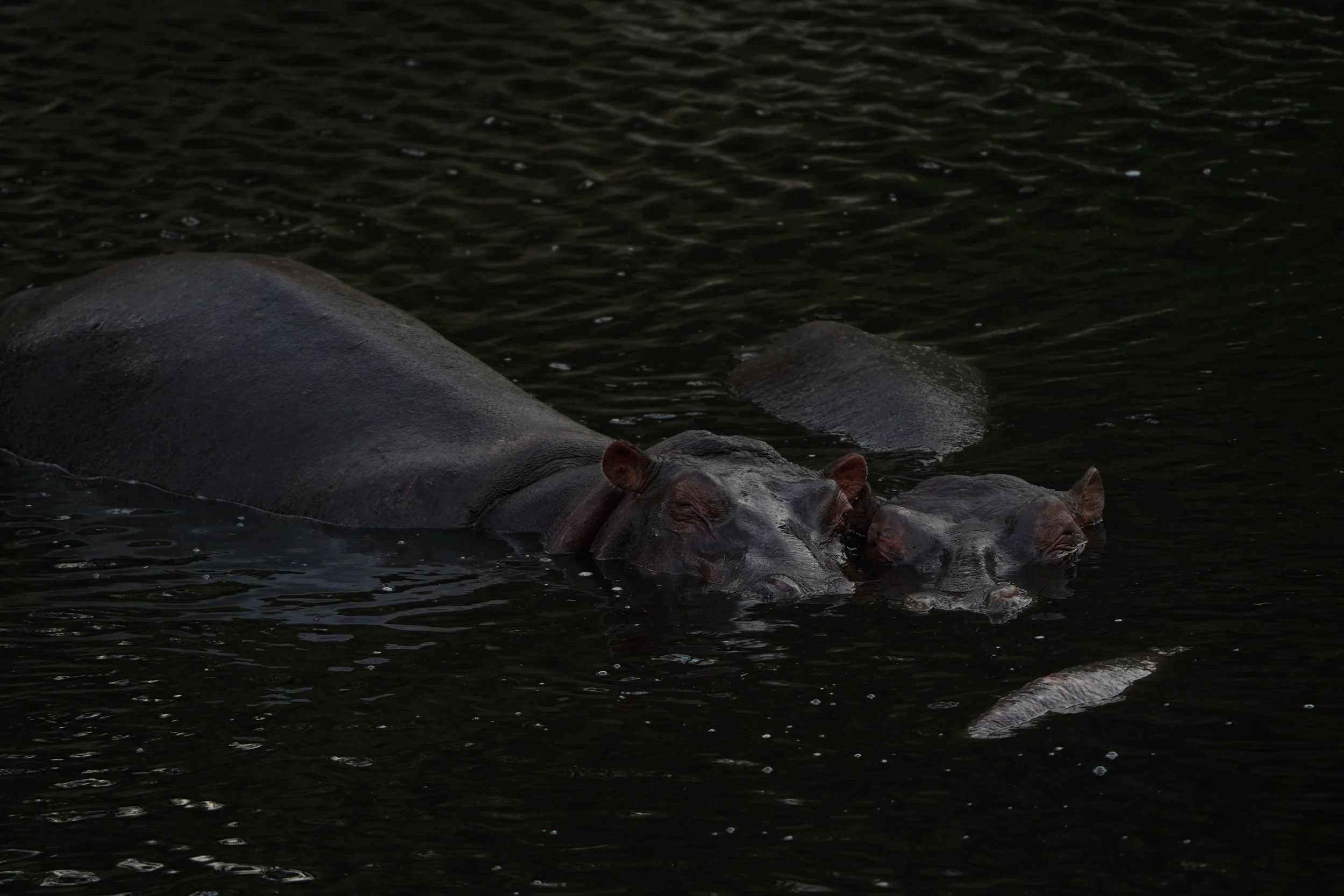
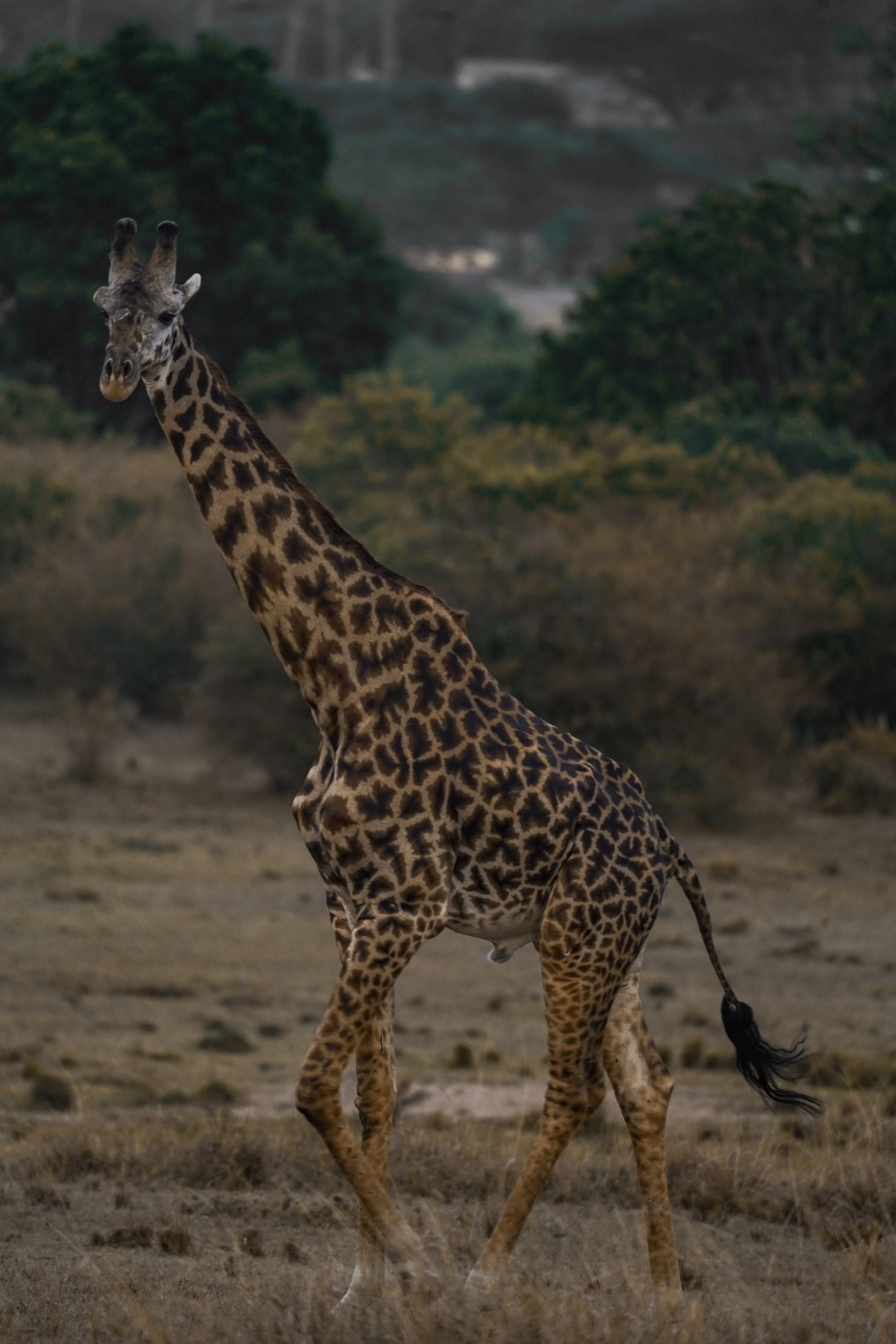
This was the real surprise. Every single animal we came across had a baby or several babies. Young impalas, elephant calves, lion cubs, hippos, giraffes, warthogs—you name it. After the short rains bring fresh grass back to the plains, the wildlife times their births based on availability of food. If you're someone who wants to see new life on safari, then November certainly delivered on that.
This isn't the famous wildebeest calving season you may have seen or heard about. That's a different event further south in Tanzania's Serengeti, and it happens around January through March. What I saw was the broader resident wildlife of the Mara, Amboseli, and the Rift Valley doing the same thing but on their own time. It was just as much of a payoff without the crowds that infringe on the animals’ migration routes.
Crowds and Pricing
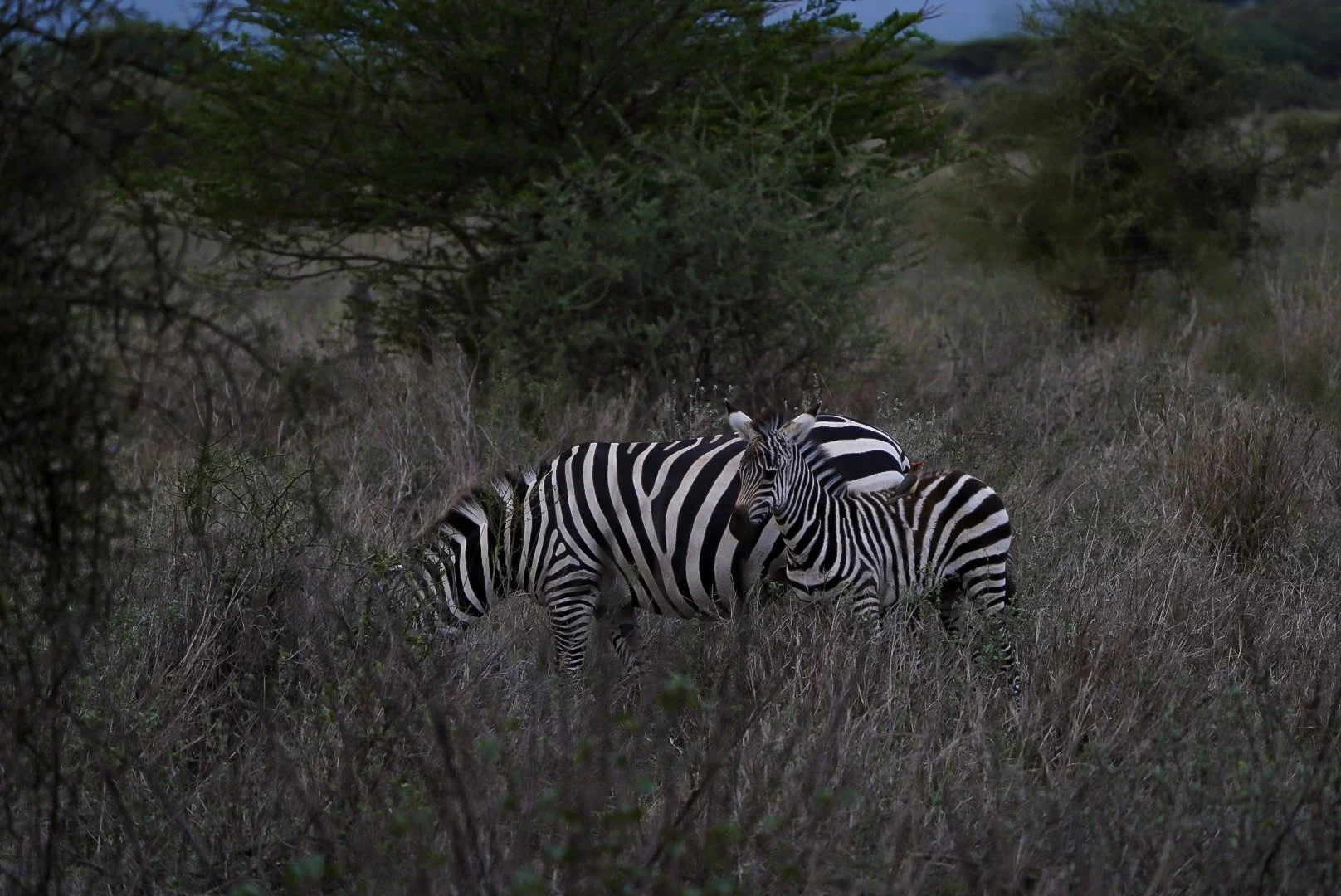
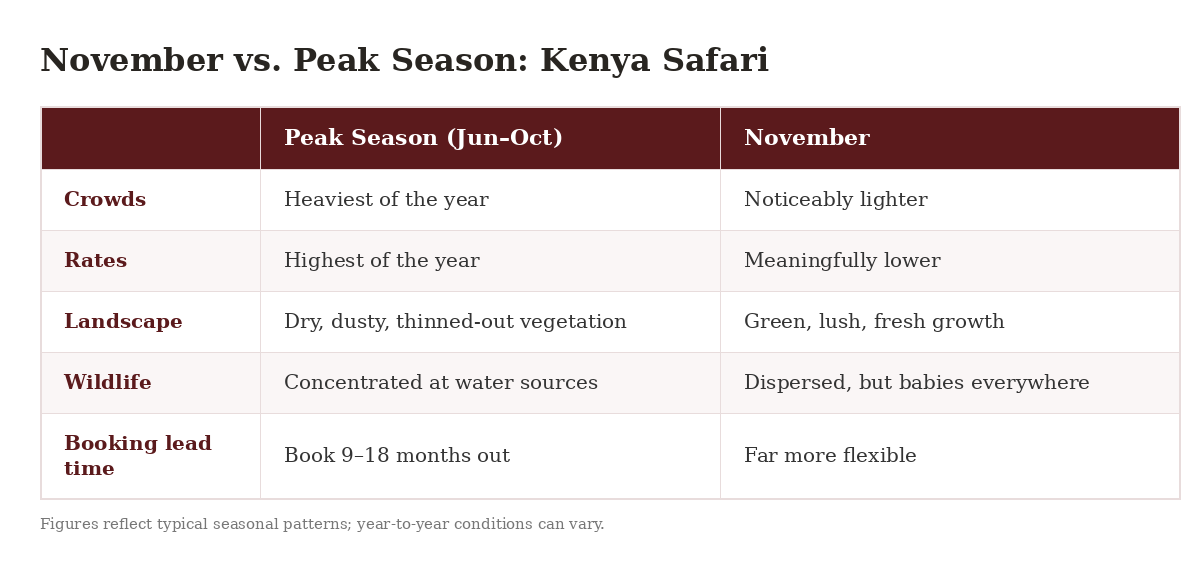
We weren't there alone because there were still other safari vehicles at most sightings, but for the most part, that didn’t get in the way of seeing whatever we wanted to see. Nobody was fighting for a spot at a sighting. That matches what you'd expect from the calendar since November is in the quieter, lower-cost stretch of the year outside the June–October rush when parks and camps are at their busiest and priciest.
What to Actually Pack
This was the biggest gap between what I expected and reality: it was still very hot. I packed a jacket assuming rainy season meant cool, damp weather, and I barely wore it. It was warm through the entirety of the day, so I suggest packing for heat first, and then have a light layer on standby for events like the hot air balloon ride over the Maasai Mara, which is going to start around 4am.
Where We Went + What Each Spot Offered
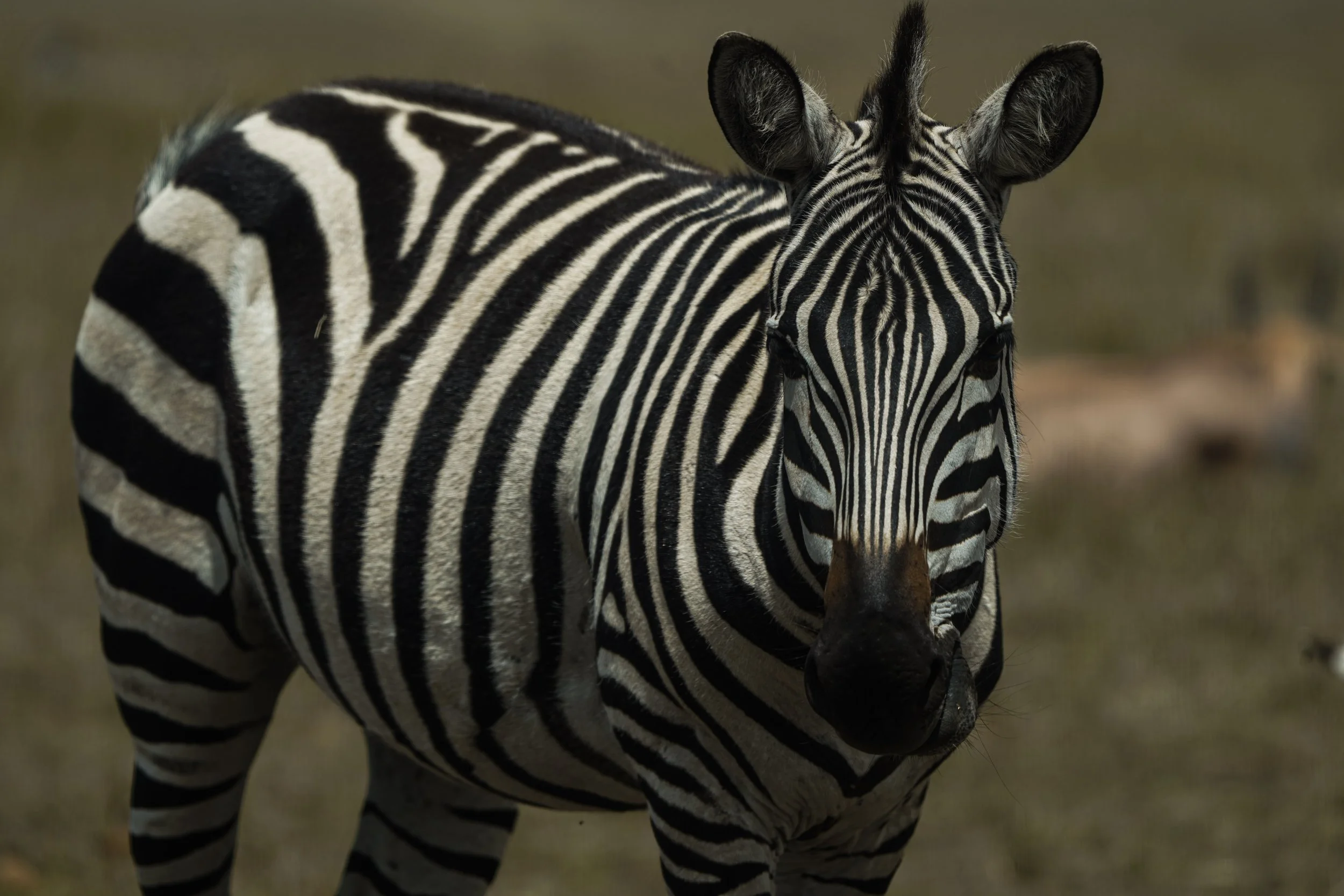
Maasai Mara
Resident wildlife was active and easy to find without the migration-season traffic jams at sightings. Read more →
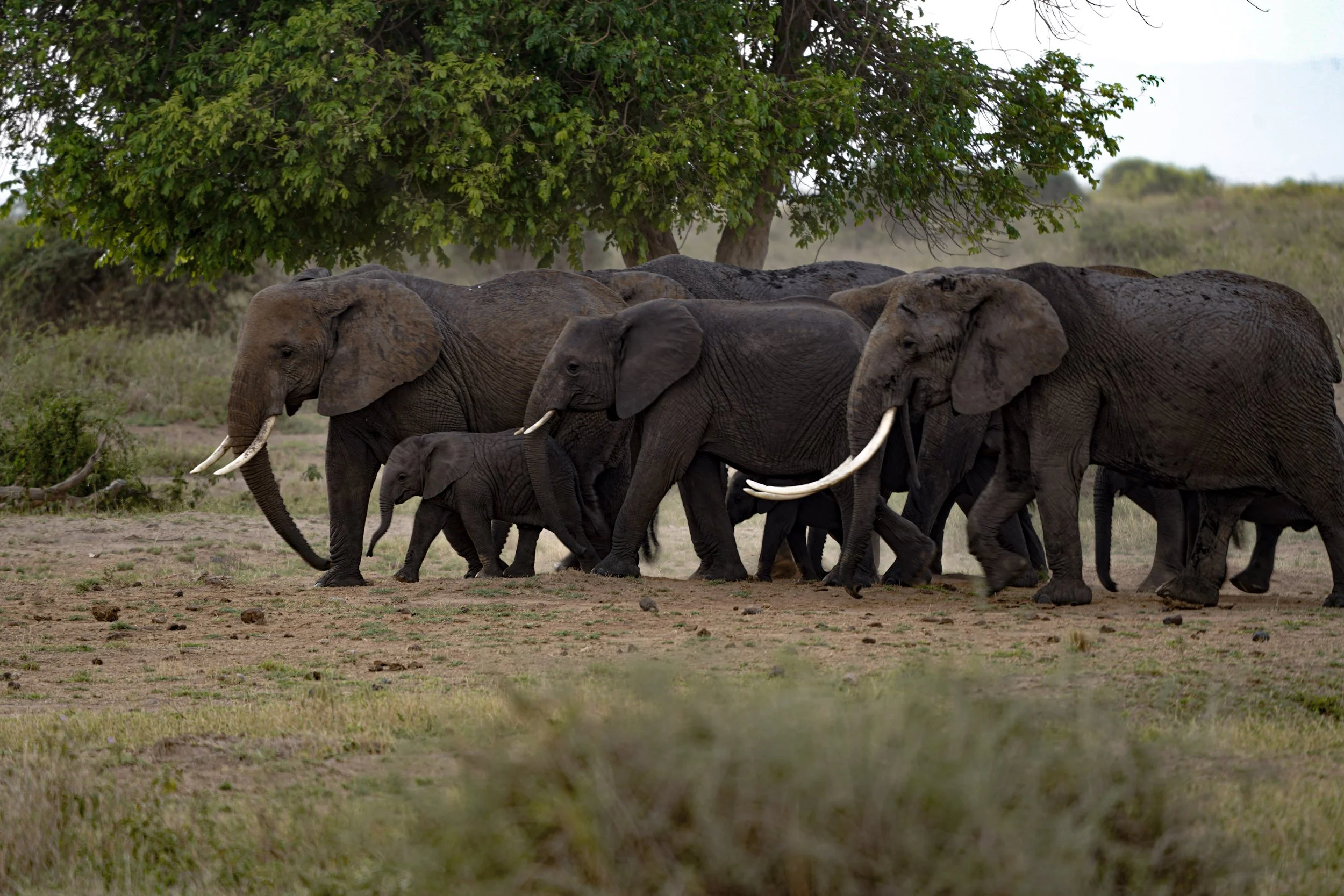
Amboseli
This is elephant country any time of year, but after the short rains, the swamps refill and the backdrop is even better if you can see Kilimanjaro in the distance. Read more →
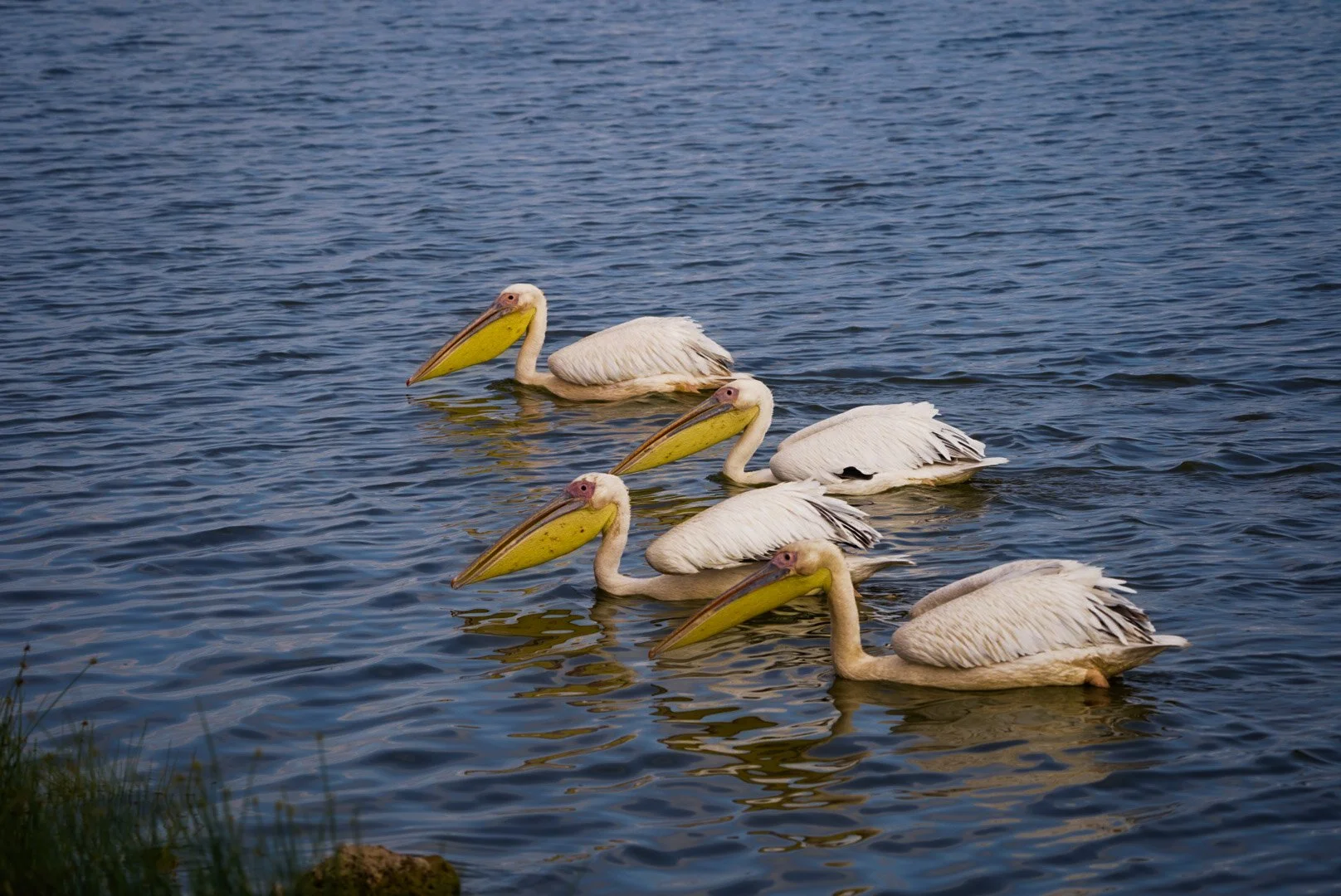
Great Rift Valley Lake System
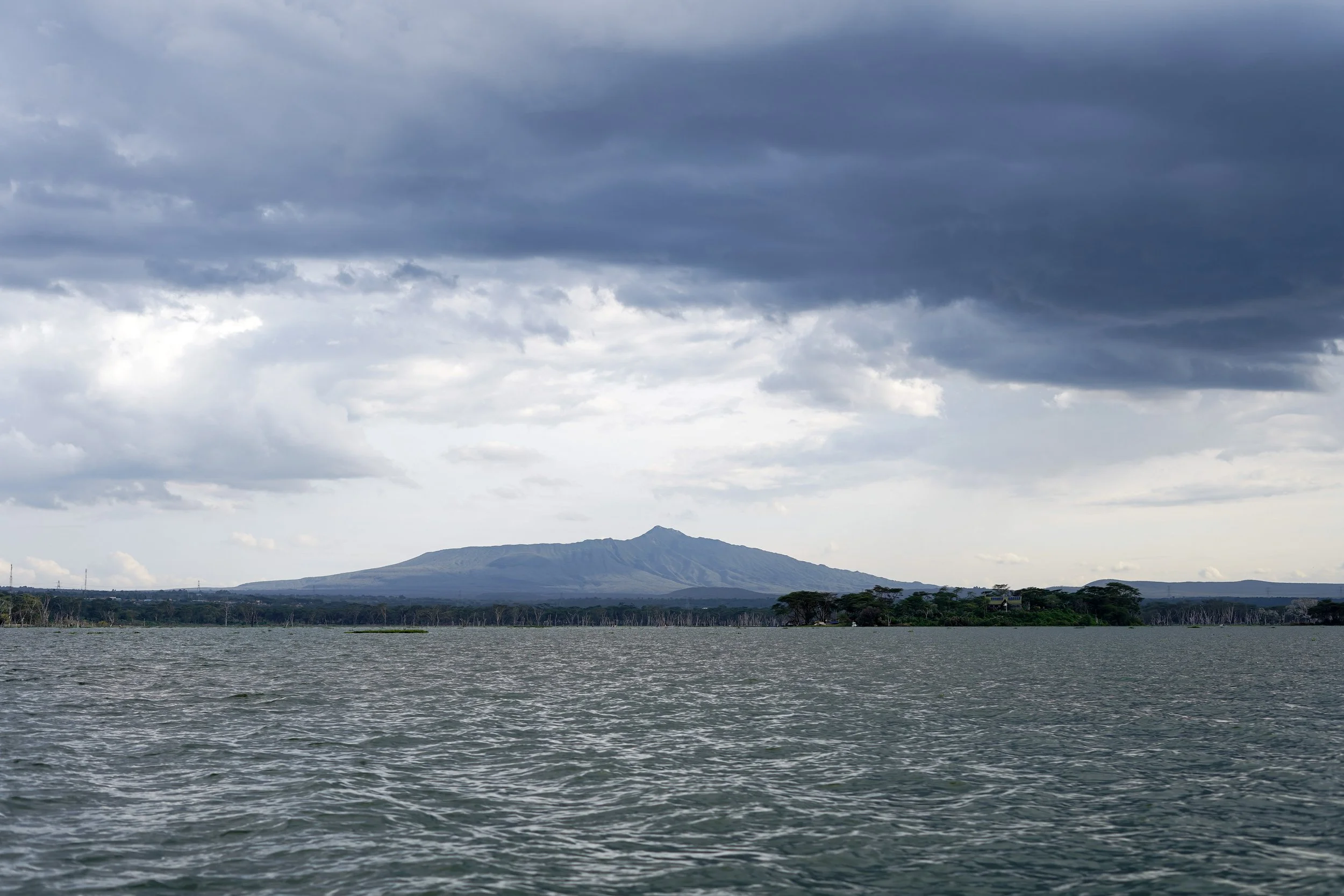
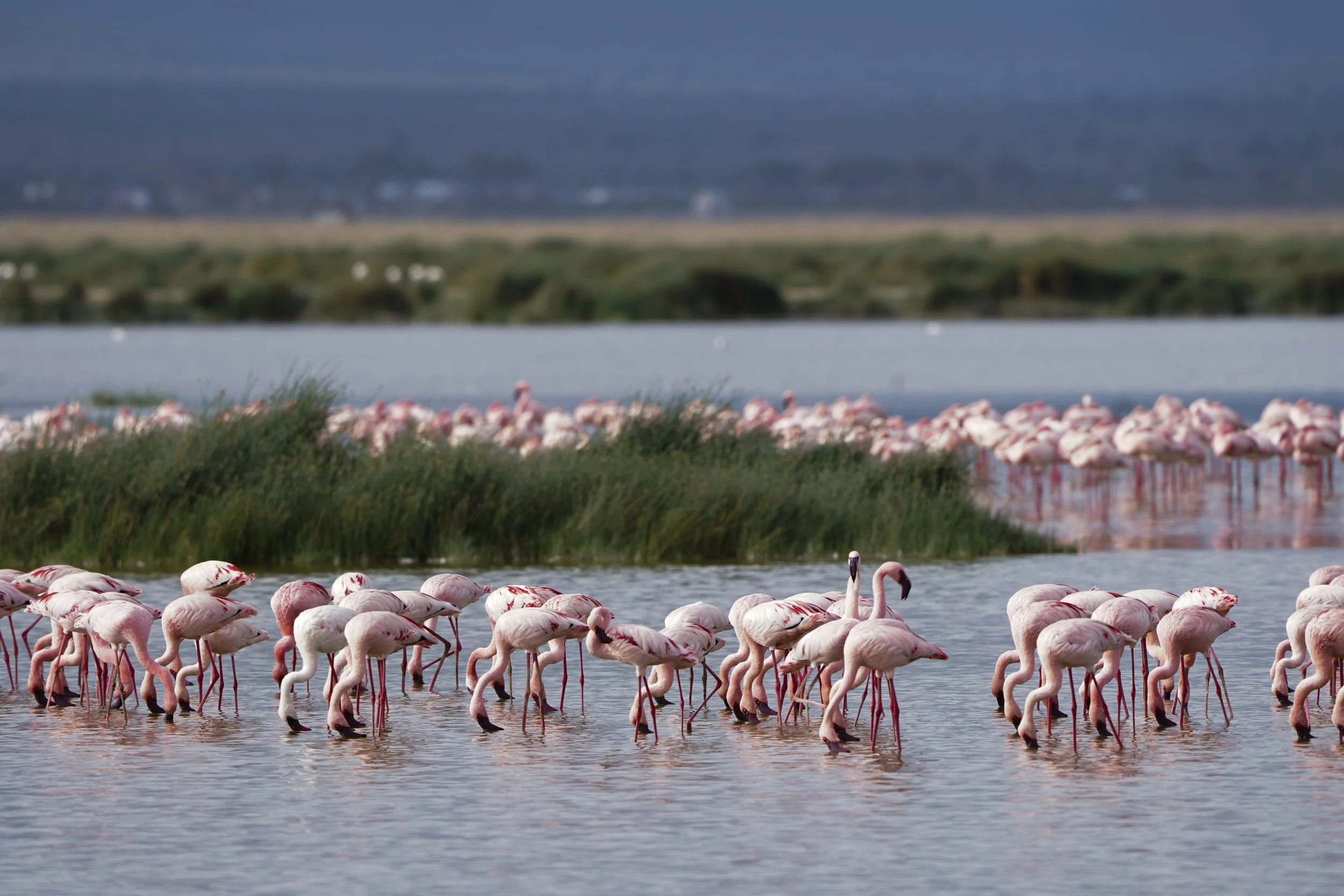
This is a completely different pace from the Mara and Amboseli. You’re going to slow down a bit here for the birdlife and the scenery.
Is There A Downside?
I've really thought about this honestly, and for my trip, no. I didn't run into one. If I'm being fair to anyone considering this for themselves, the general caveat worth knowing is that rainfall in any given year can vary, so roads in some areas could be muddier than what I experienced, and a first-timer who wants guaranteed dry, dusty safari conditions might still prefer the peak months, but if you're flexible and mostly want great wildlife without the crowds or the price tag, I don't think you're giving anything up by going in November.
Would I Do It Again?
Yes, and I would probably recommend it over peak season to most people who ask me. You trade a small chance of a rainy evening for a quieter, greener, cheaper trip where you also get to experience newborn wildlife.
FAQs
Is November a bad time to go on safari in Kenya?
Not based on my experience. It's the short rains season, which keeps some travelers away, but the rain tends to be brief and often falls overnight.
Will it rain every day?
No. In two weeks across three regions, it rained twice, both times overnight. Rain patterns vary year to year, but November showers are generally short.
Is the Great Migration in Kenya in November?
No; the migration herds have already moved south into Tanzania's Serengeti by this point. If the migration river crossings are your main goal, aim for July through October instead.
Will I still see a lot of wildlife?
Yes. Resident wildlife across the Mara, Amboseli, and the Rift Valley lakes is active year-round, and November's fresh grass brings a noticeable amount of newborn animals. I saw 4 of the big 5 and many, many other animals. Rhinos may have been the only animal I did not see.
Is November cheaper than peak season?
Generally, yes. November falls outside the busiest, highest-priced stretch of the year, and availability is far easier to come by than during peak migration months.
What should I pack?
Warm-weather clothing first with one light rain layer as backup.



Three days is the sweet spot for New York in December. It’s enough time for the tree, the windows, a Broadway show and a couple of museums without spending your whole trip in line. This itinerary draws on my two Christmas trips to NYC and groups each day by neighborhood, so you're walking between stops instead of crisscrossing the city in the cold, with meals and warm-up breaks built in.