
Travel Morocco
The Land of the Setting Sun
Destination Overview
Marrakech carries the influence of Berber, Arab, and French histories in the way the city looks and moves. It was shaped by trade, and you can still feel that today. The medina is old world and not a place built for visitors, as it is still home to over 160,000 people. Tourists just happen to visit. It is active and always in motion, and this is very important to keep in mind throughout your stay.
During my time in Morocco, I first stayed in the Kasbah where I could explore the city by foot and lean into the rhythm of Ramadan. I learned when and how to blend in, when to be direct, and when to step back and observe. In addition to Marrakech, I found myself in Essaouira, a cinematic coastal town, and the Atlas Mountains where I glimpsed the life of the Berber people. Being in Morocco during Ramadan showed me slower, intentional days and energetic nights that gave me new perspective on how I experienced everything. I also spent time at a Black-owned healing center on the outskirts of town that quite literally changed my life. This page brings together what I did and what I learned so you can approach Morocco with a bit of context and a lot of curiosity.
Before You Go
Best Time to Visit
The best times to visit Morocco are spring (March–May) and fall (September–November), when temperatures are warm but not extreme. Visiting during Ramadan was a unique cultural experience for me, but if you go during this time, you should expect slower days, later dinners, and adjusted business hours.
Currency
Morocco uses the Moroccan dirham (MAD), and it is largely a cash-based country, especially in the medina, souks, taxis, and smaller restaurants. Credit cards are accepted at many hotels, riads, and larger restaurants, but you should absolutely plan to carry cash daily. ATMs are available in cities like Marrakech, and I would recommend going early in the morning when there is not a lot of foot traffic.
Language
The main languages spoken in Morocco are Arabic and French. Not to worry, in tourist areas like Marrakech, most people also speak English, especially in hotels, restaurants, and tour companies. It wouldn’t hurt to learn a few basic French phrases.
Typical Cost for a Trip
On average, I spent between $70–$120 per day for food, getting around, and activities.
Including flights, guided tours, riads, and experiences, a rough total cost for a one-week trip from the U.S. is more likely between $3,000–$4,000 per person, the flight being the most expensive item.
The Morocco Edit
-
Marrakech Guide
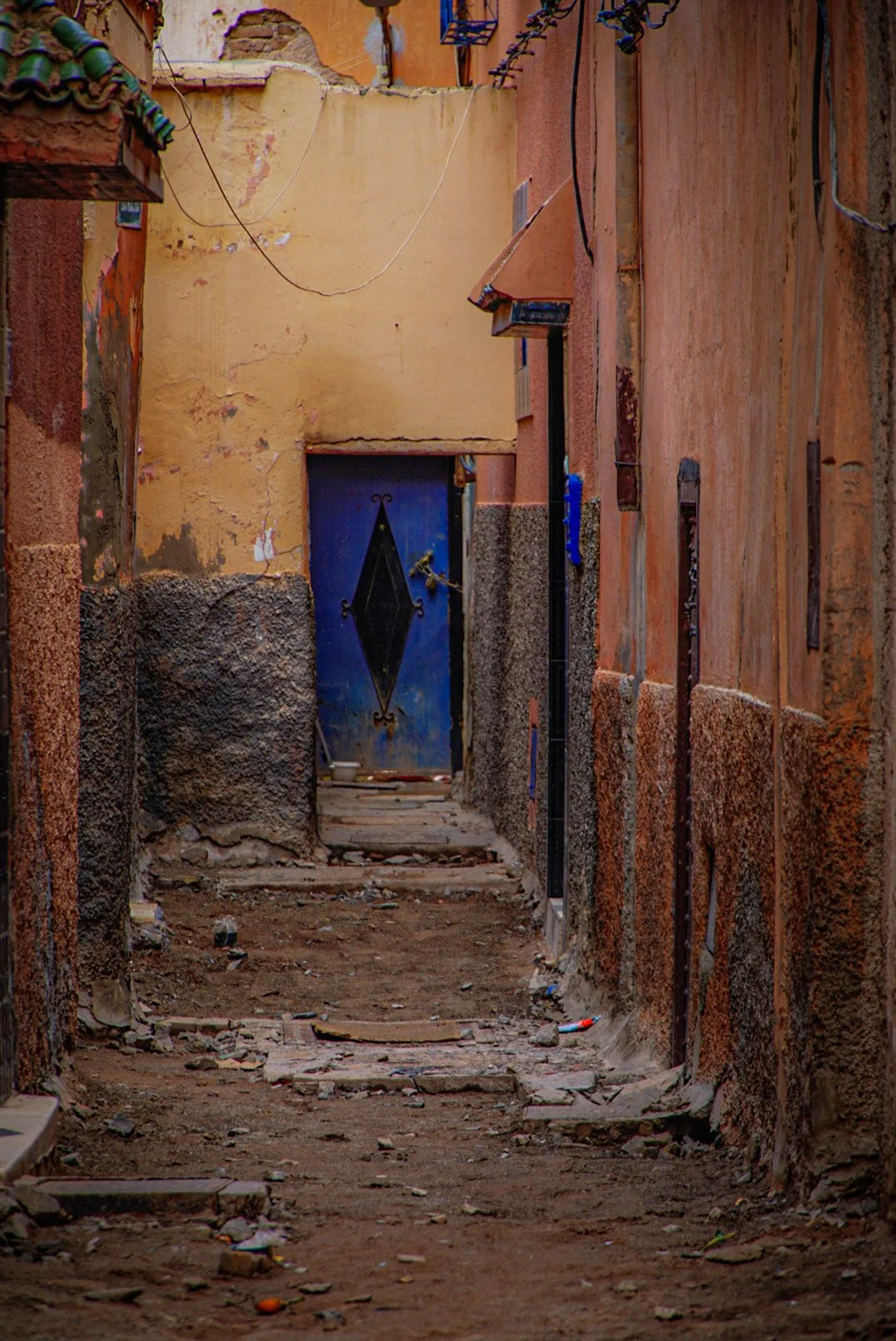
Currency, cell service, taxis, and how to navigate Marrakech
-
Essaouira Day Trip
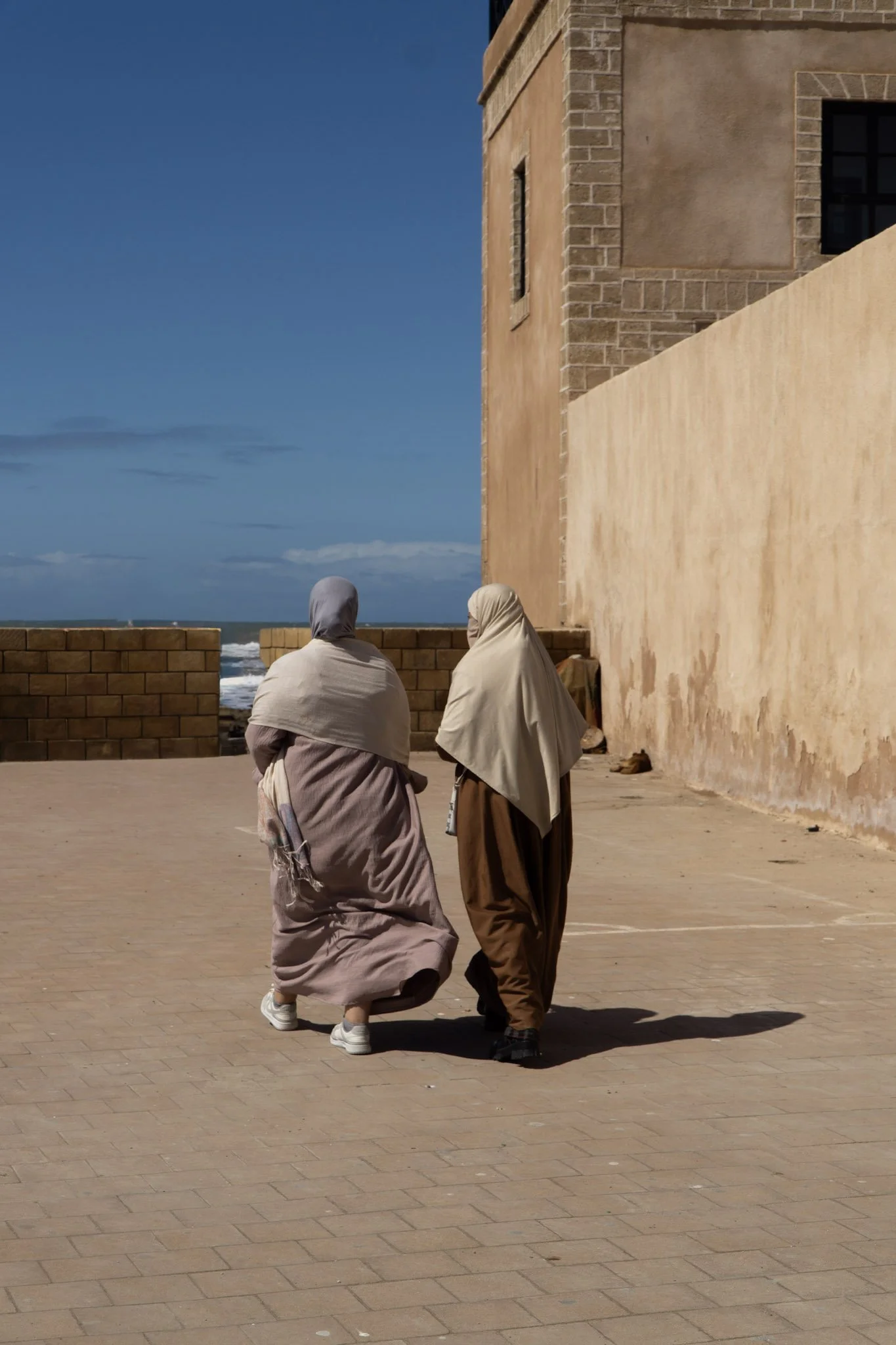
Want to visit a beach while in Morocco? Plan a day trip to cinematic coastal town Essaouira
-
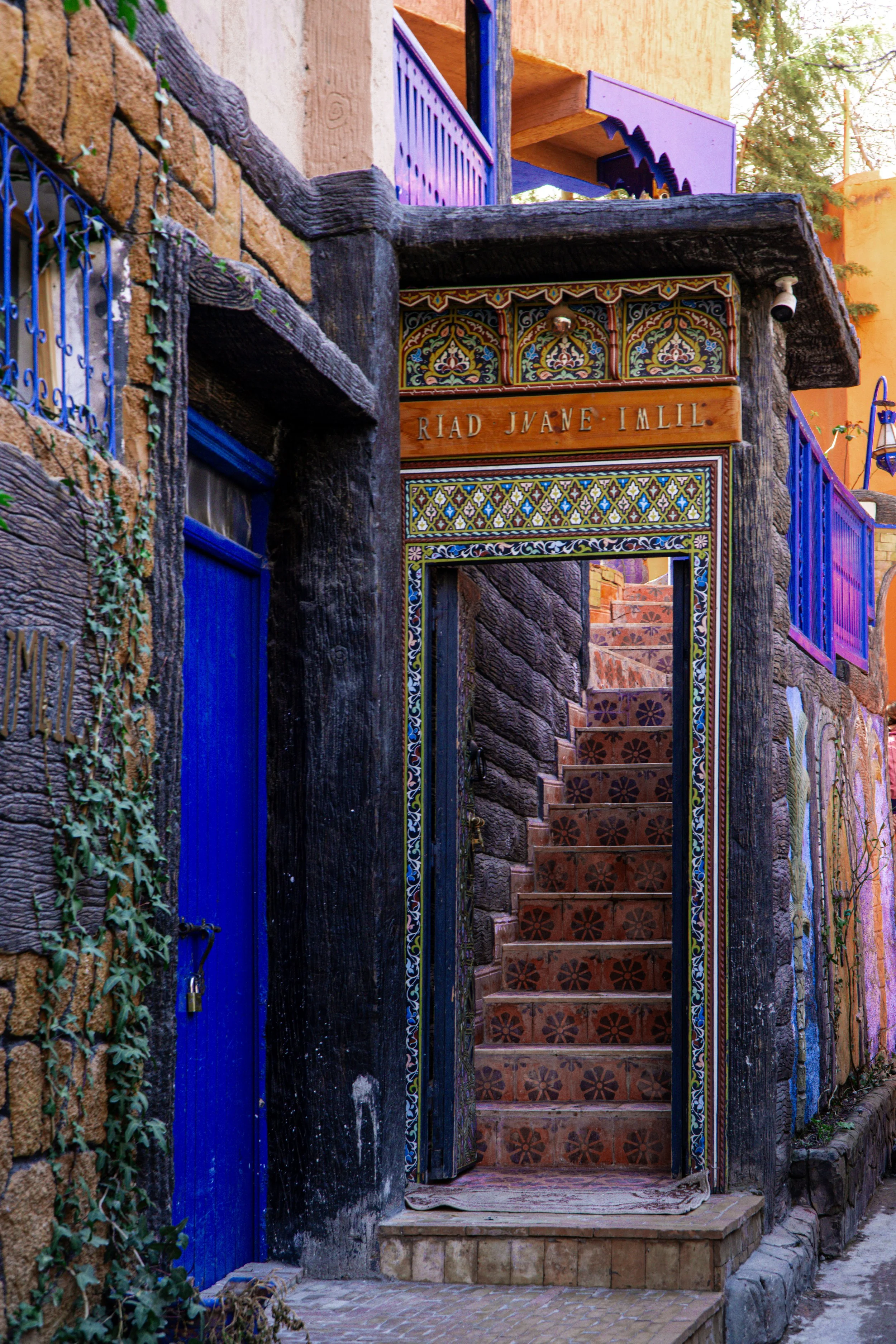
Where to Stay (Riads)
What to know about staying in a riad and how to choose the right area in Marrakech
-
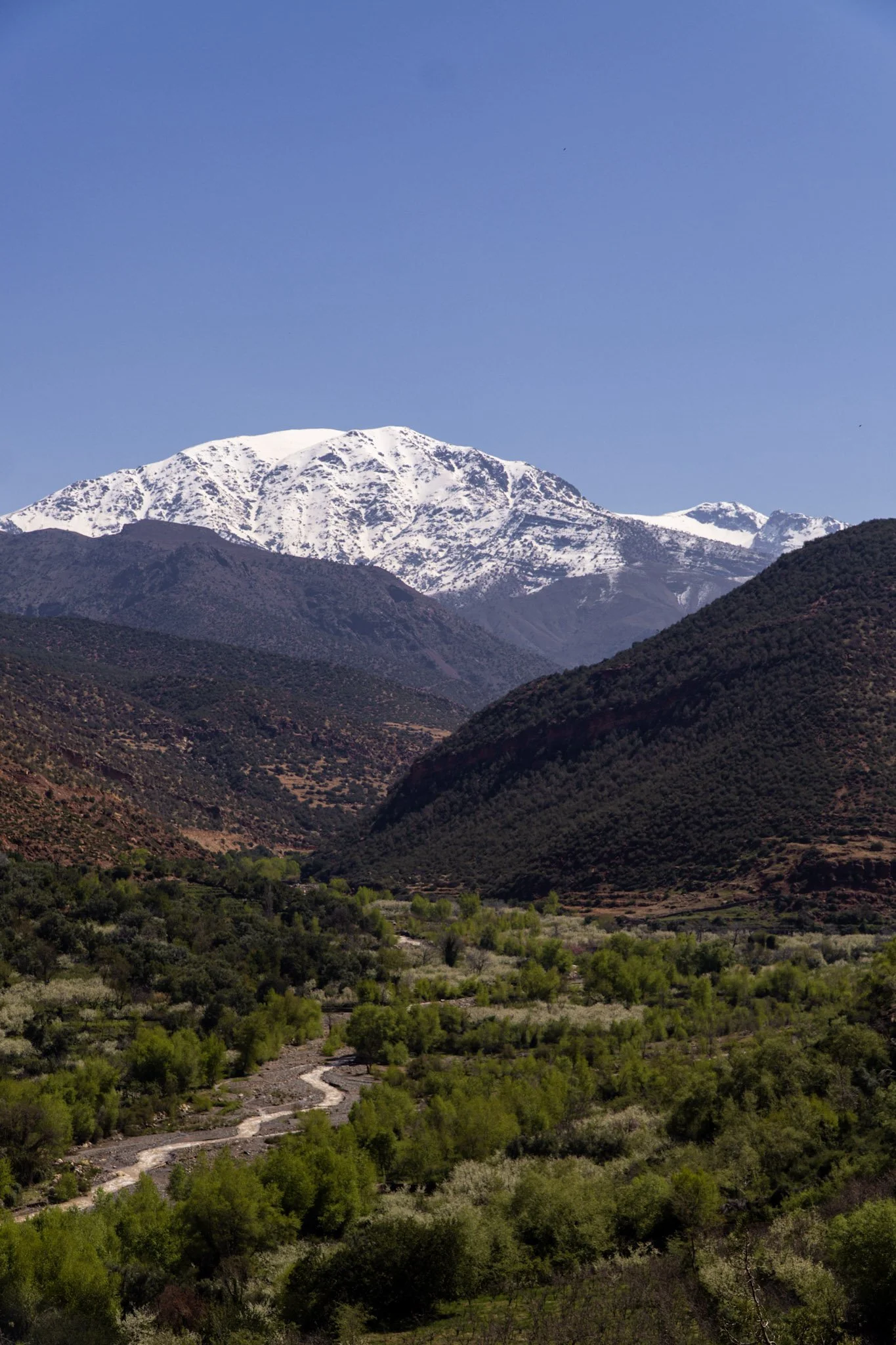
Atlas Mountains
What to expect on a day trip to the Atlas Mountains and Berber villages
-
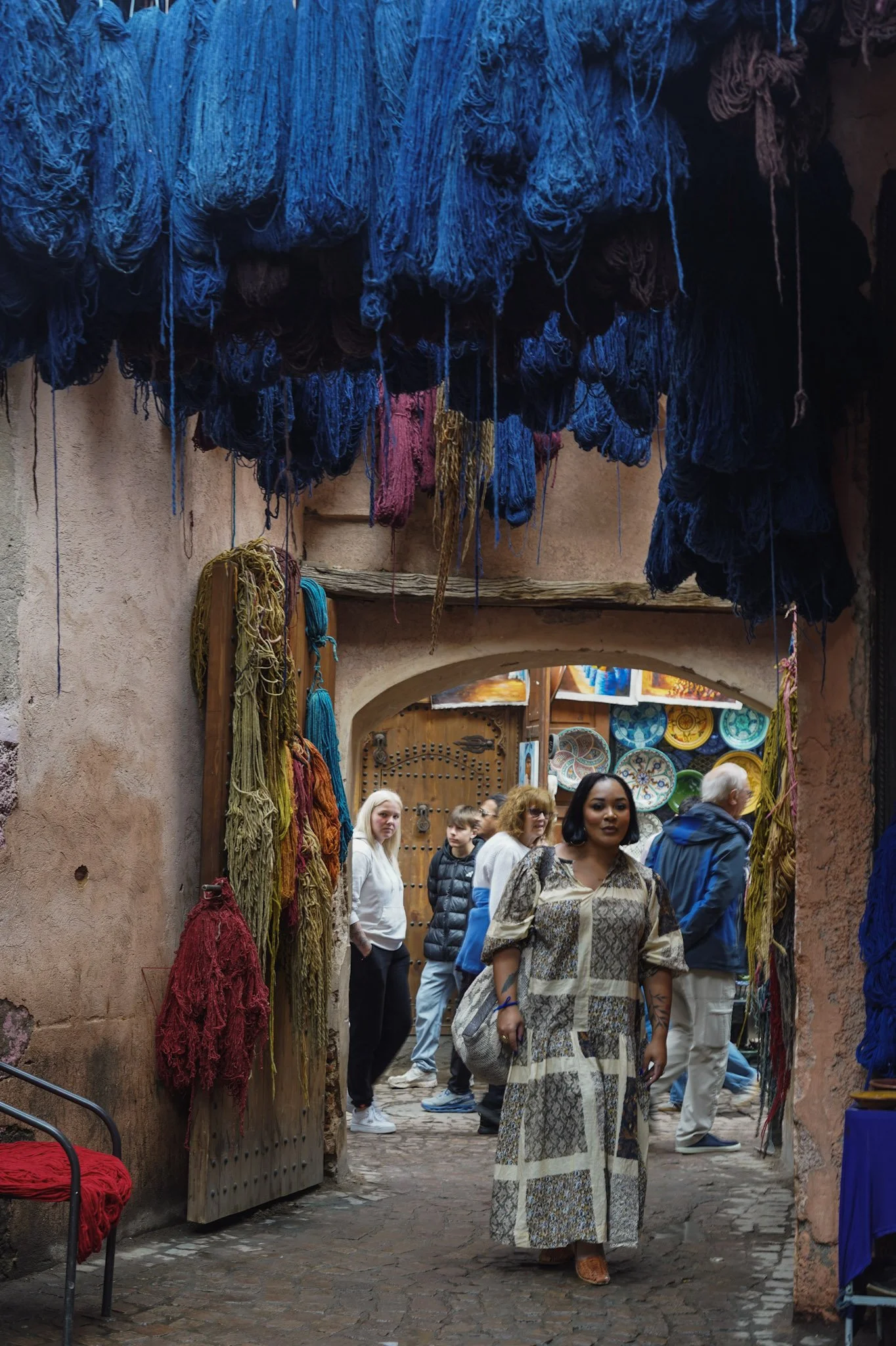
What to Wear in Morocco
What to wear in Morocco as a visitor, including modest outfit ideas for Marrakech and day trips
Experiences to Know
-
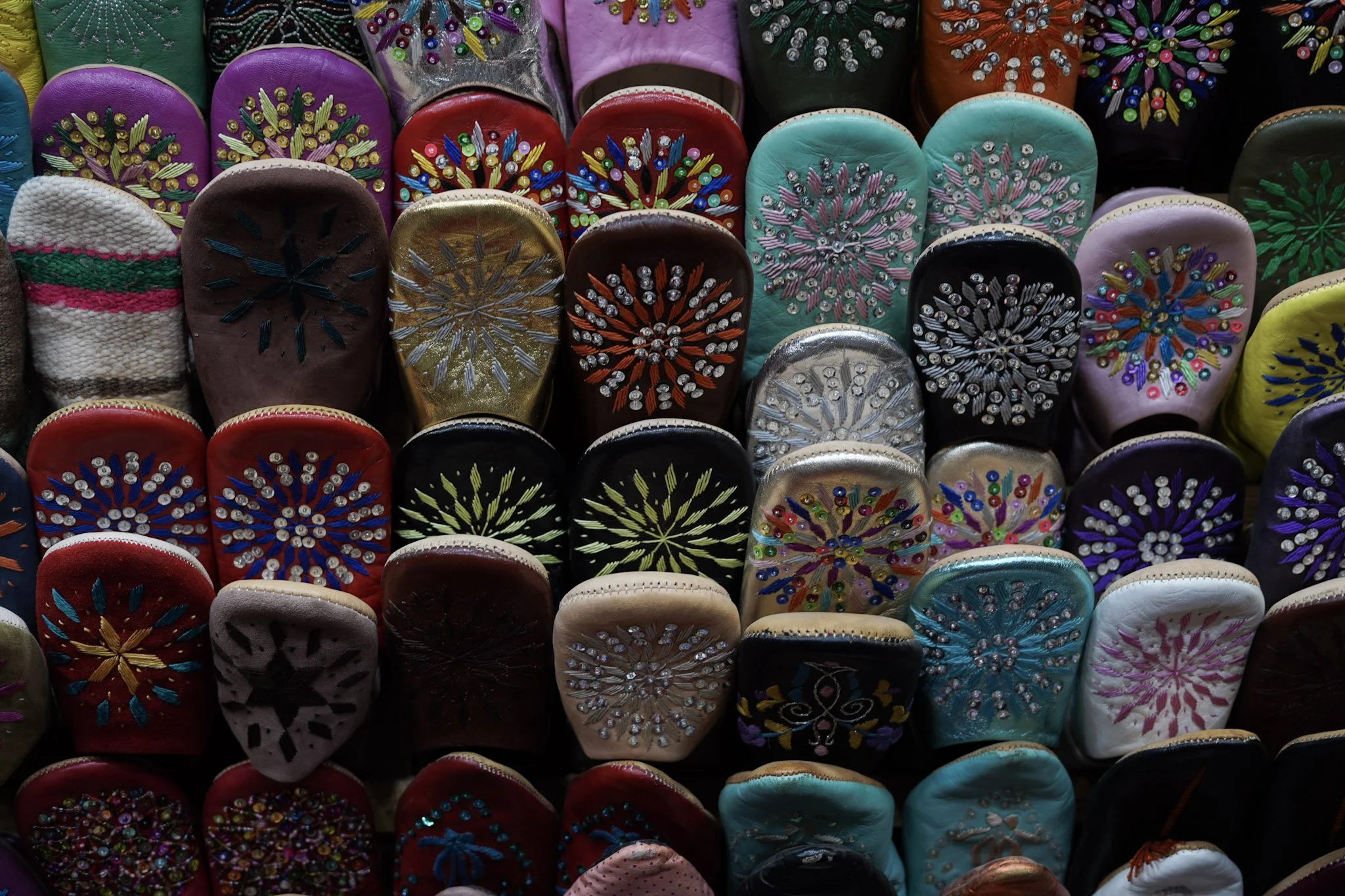
The Souks
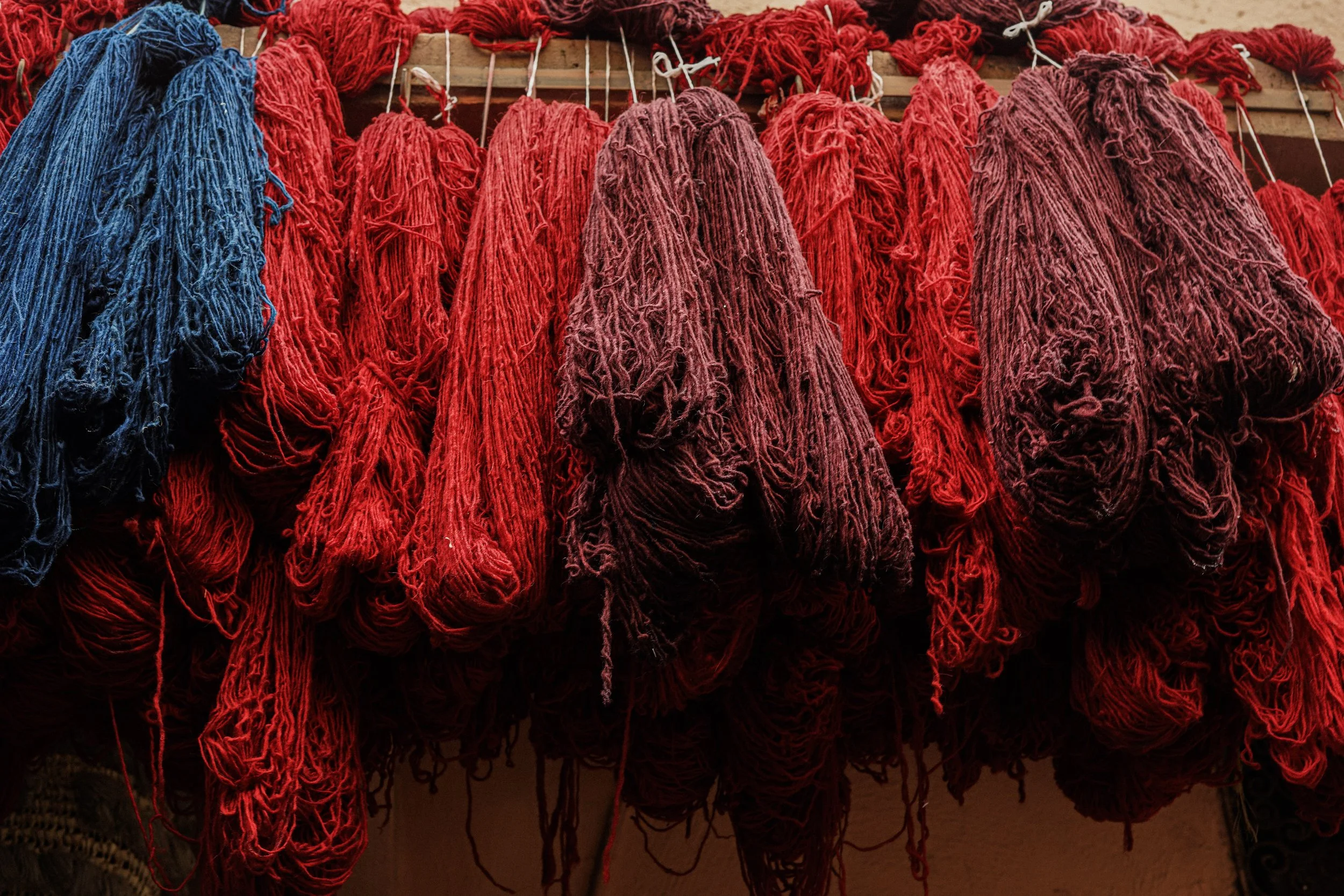
The souks are traditional markets located within the medina, made up of narrow alleyways filled with shops selling everything from spices and textiles to leather goods, lamps, and ceramics.
They can be overwhelming at first, but they are an essential part of experiencing Marrakech and understanding the city’s history of trade and craftsmanship. If you love to shop, you’ll love it here.
-
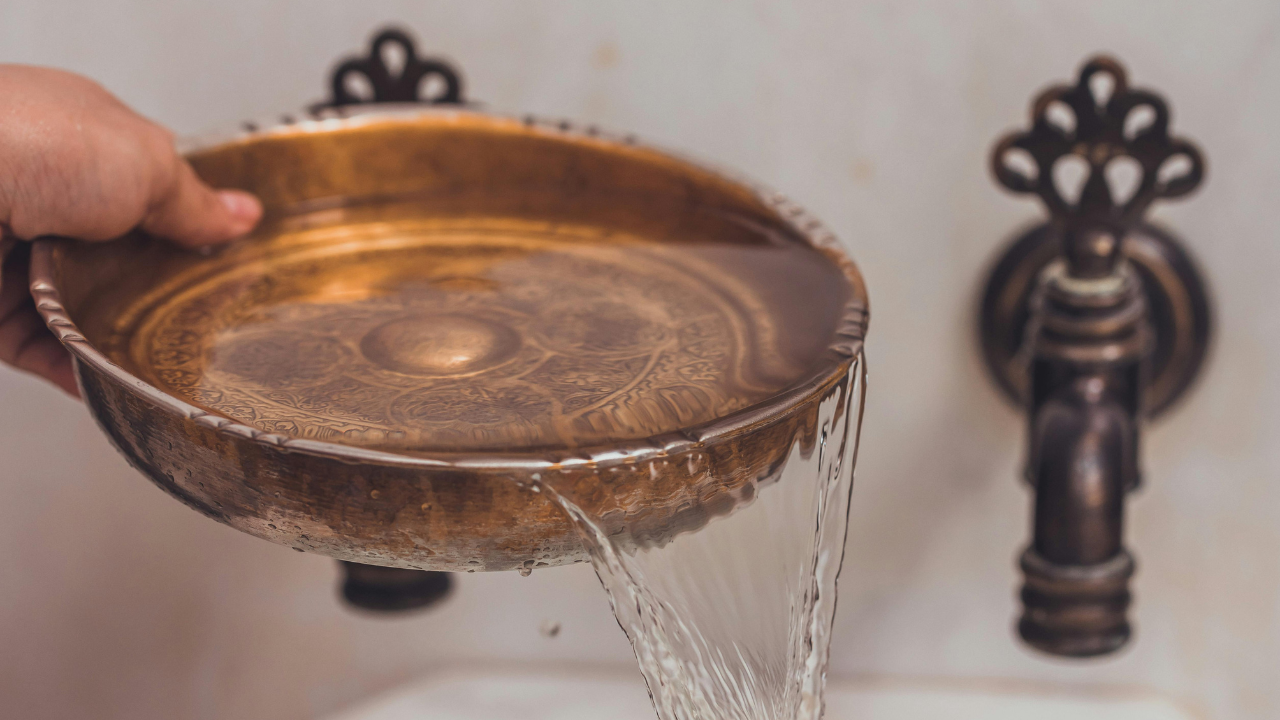
Hammams
A hammam is a traditional Moroccan bathhouse where you go through a series of steam rooms, exfoliation, and washing. This bath experience can be paired with a massage as a way to relax.
It’s a cultural experience that you usually can book at your riad for convenience.
-
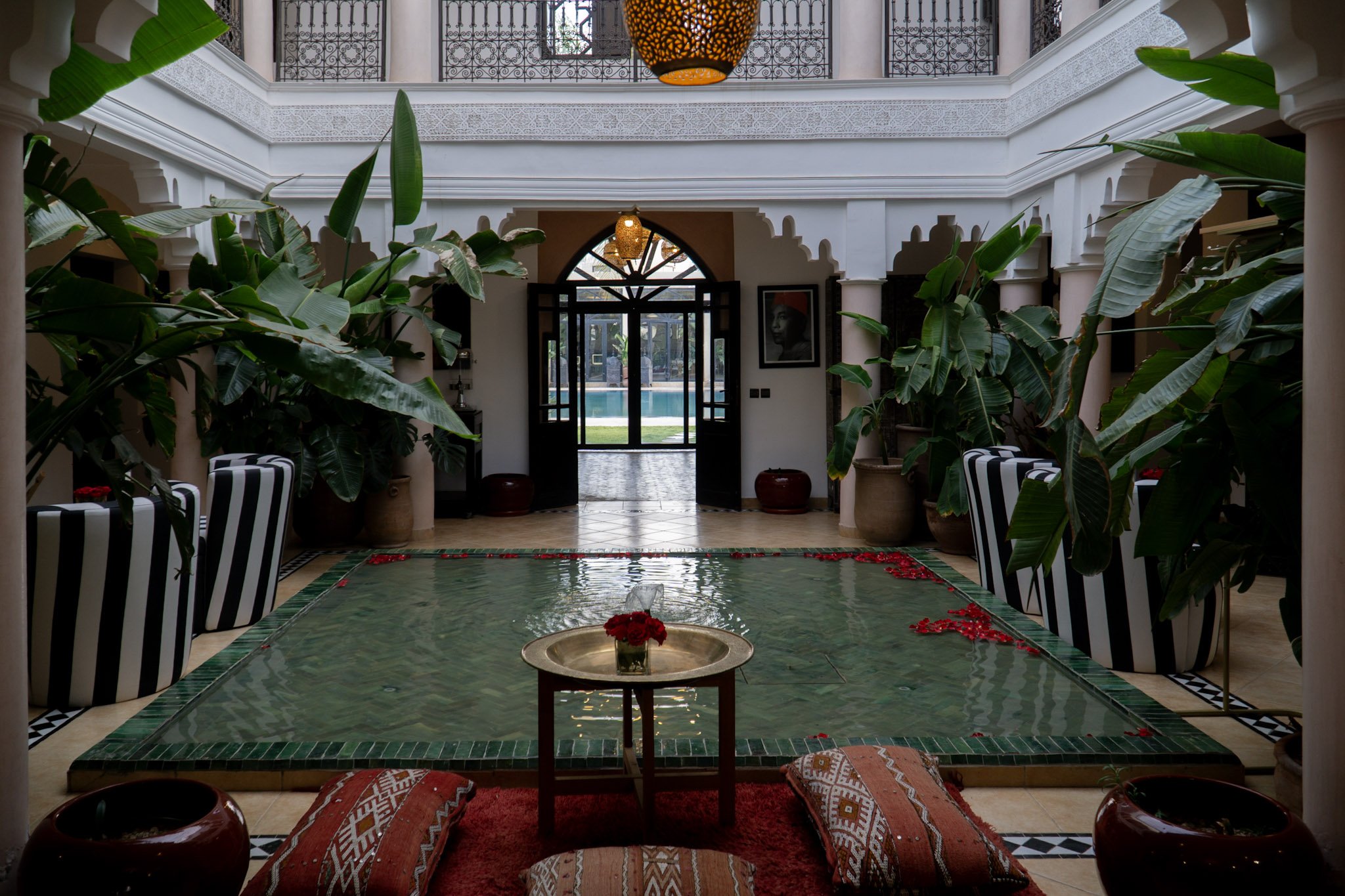
Riads
Riads are traditional Moroccan homes built around a central courtyard with rooms facing inward instead of toward the street. Many have been converted into small hotels, and staying in a riad is one of the most unique and peaceful ways to experience Marrakech.
I would recommend Médina Charme Riad & Spa in city center.
-
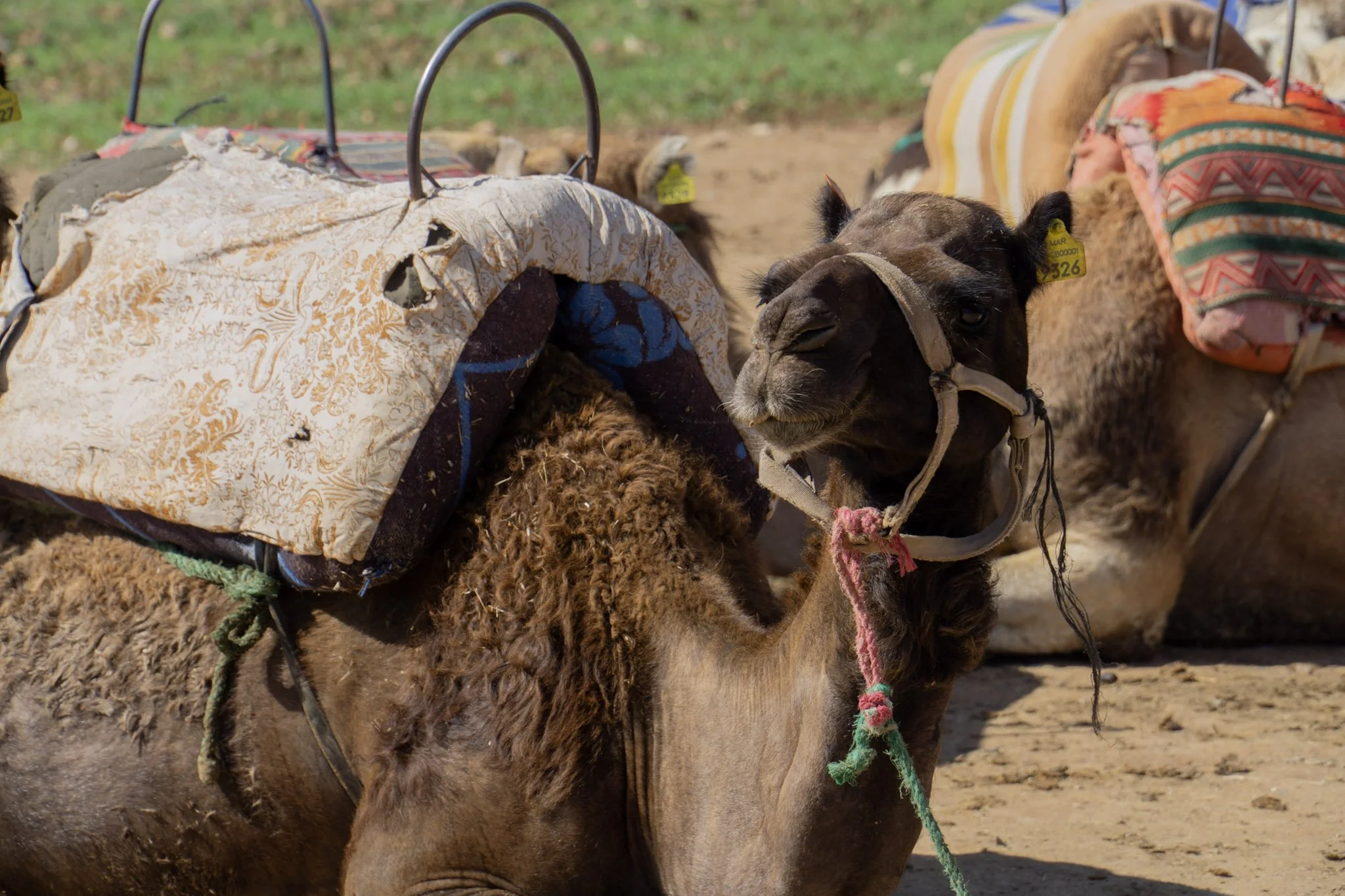
Camel Rides
Camel rides are a popular activity just outside of Marrakech, which you might see combined with trips to the Agafay Desert or Atlas Mountains. It’s certainly a very tourist-focused activity, but it’s a cute and memorable way to see the landscape and experience a different side of Morocco.
-
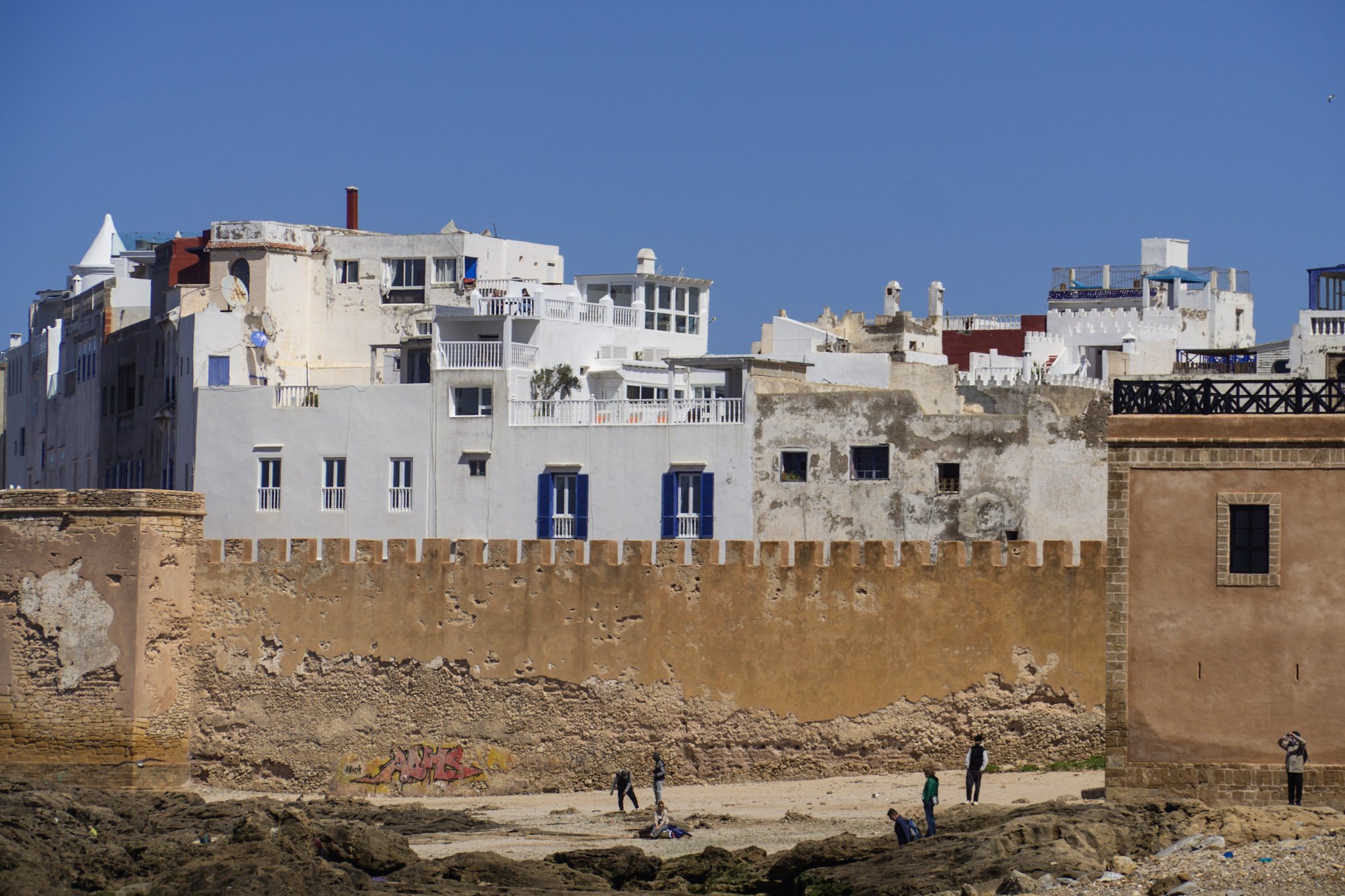
Day Trips
Many people use Marrakech as a base for day trips to places like Essaouira, the Atlas Mountains, or even other trips to Fes and Casablanca. These trips give you a chance to see the coastline, mountains, and smaller villages, which have different energy than Marrakech.
Depending on how long you plan to stay in Morocco, a trip to all of these places is feasible if you’re comfortable with 2 or 3 hour car rides. For a week long trip, 2 day trips is probably your sweet spot.
-
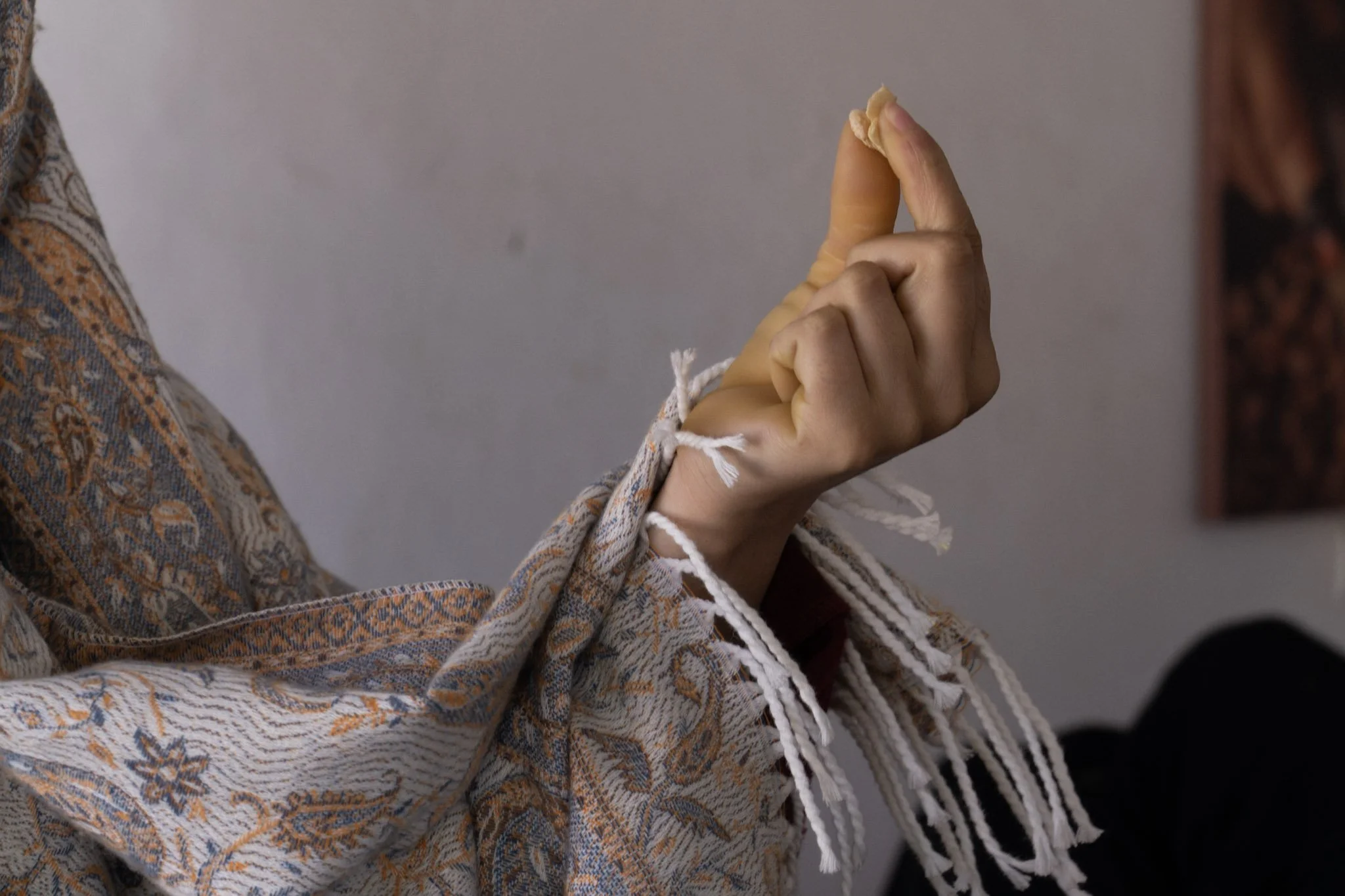
Argan Oil Cooperatives
Argan oil cooperatives are places where local women produce argan oil by hand, which is used for both cooking and skincare. Visiting a cooperative gives you a chance to see how the oil is made and support local women’s work and businesses.
If you have an opportunity to visit a cooperative, I recommend buying your argan oil products here where you know they are authentic and reasonably priced rather than in the city where they may be marked up or altered.
Right Now: Morocco
Everyone’s going. Here are things to consider.
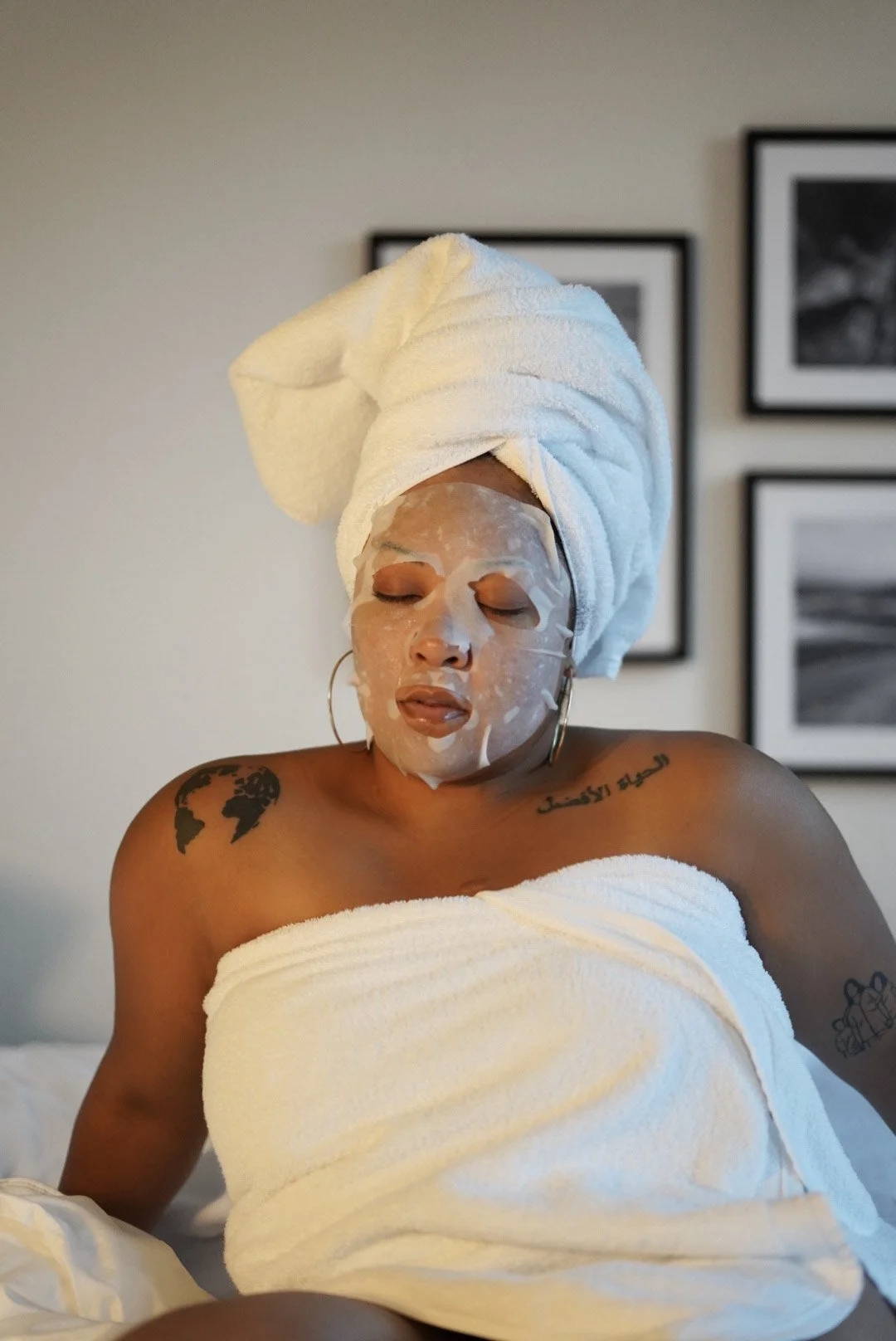
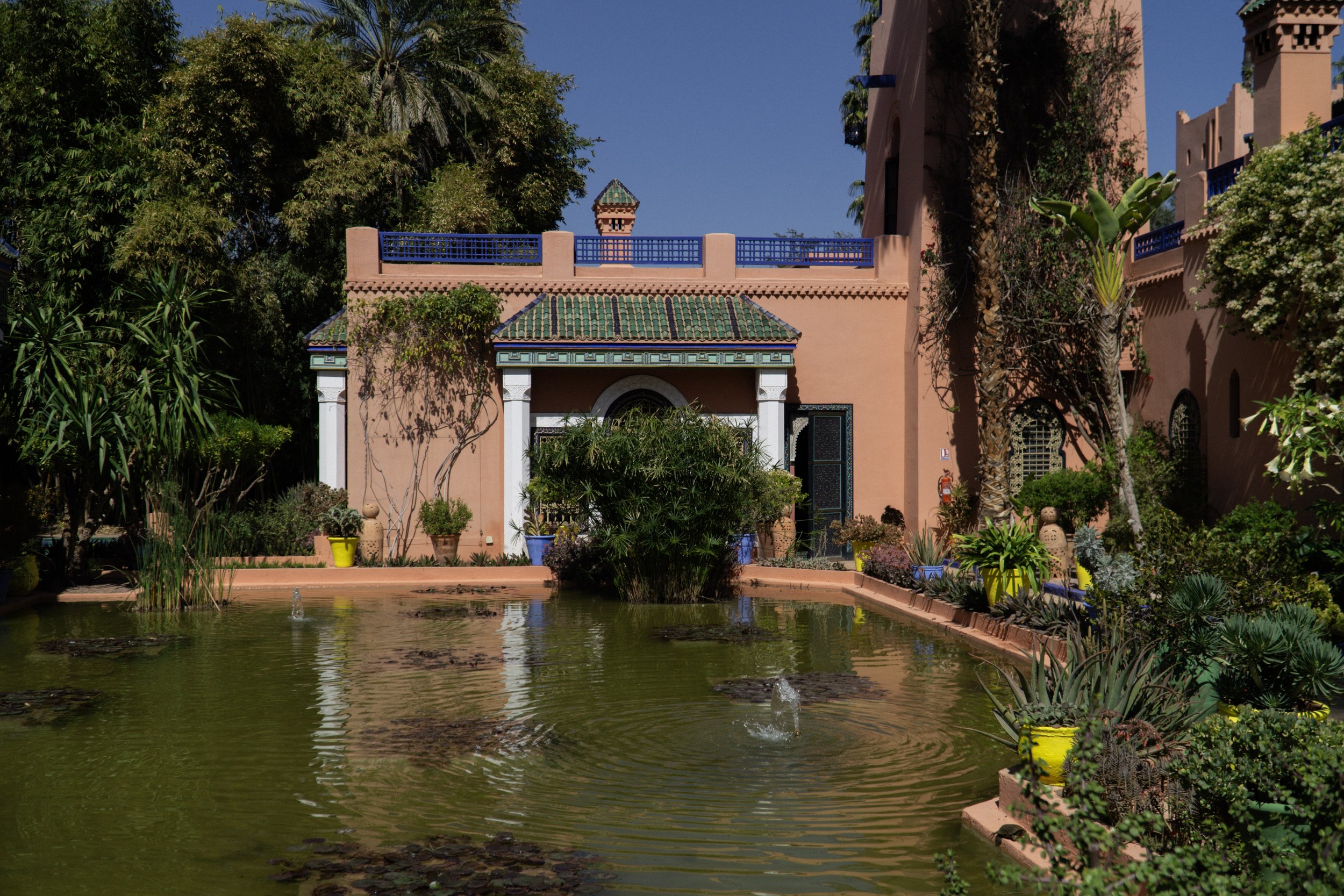
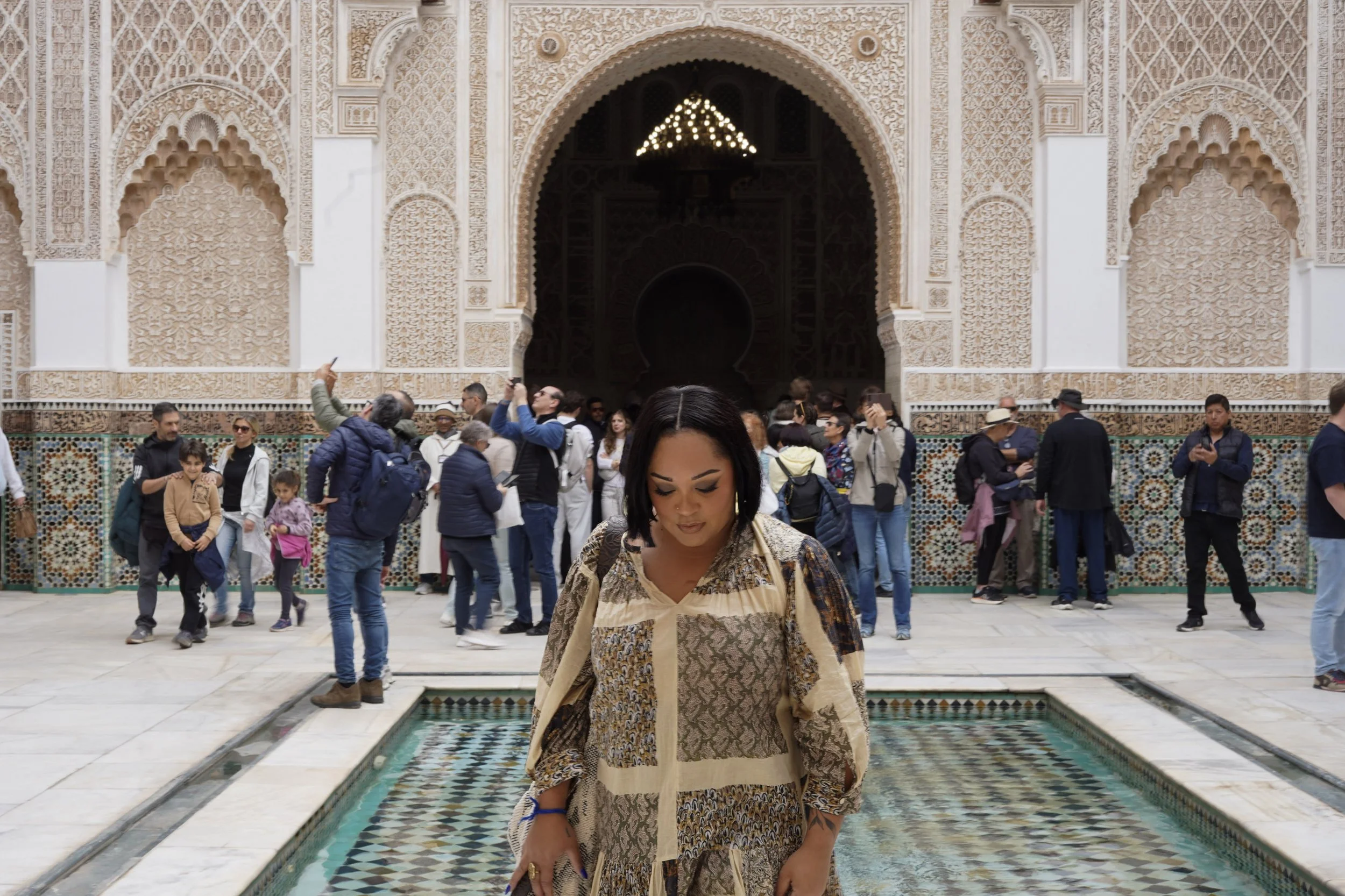
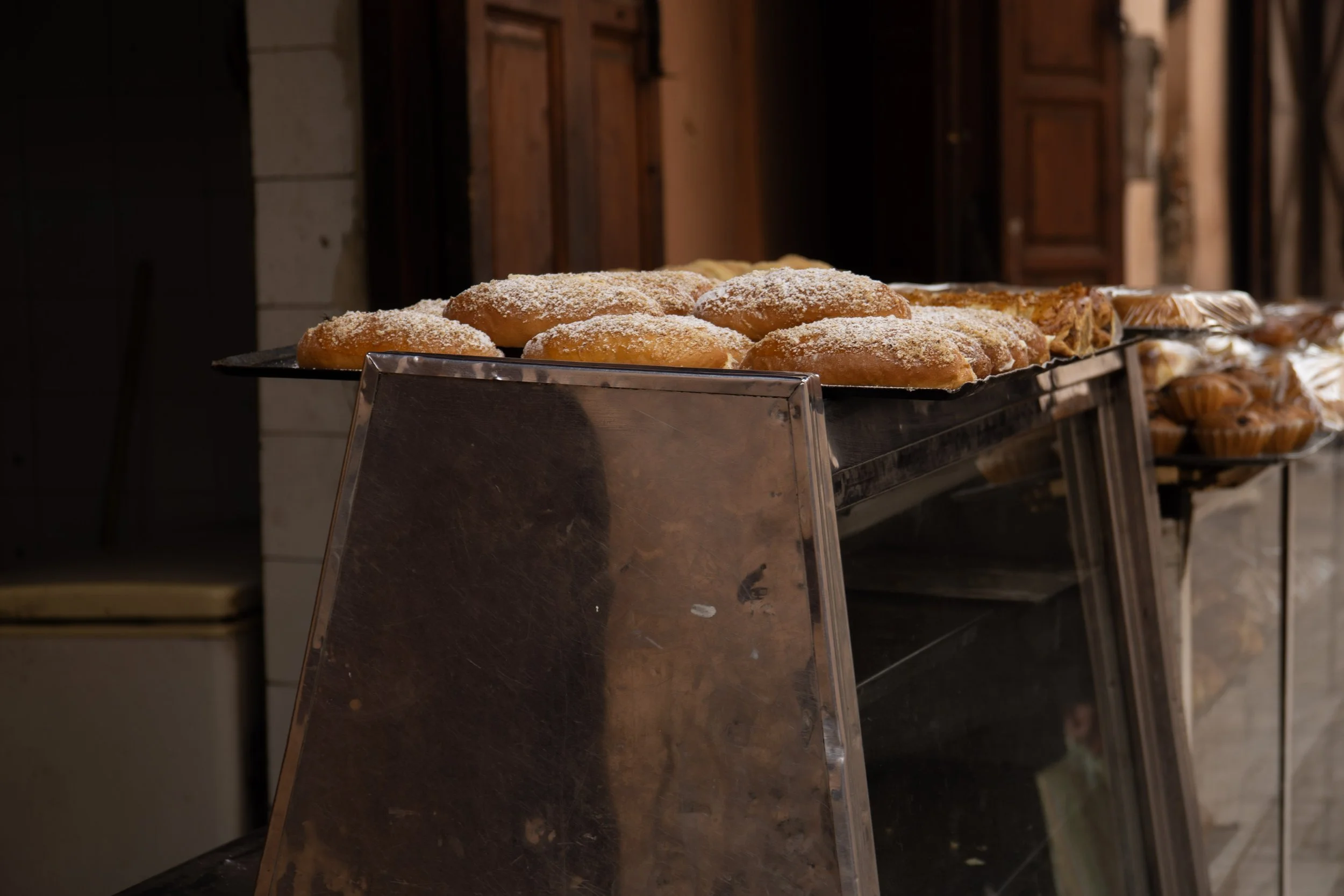
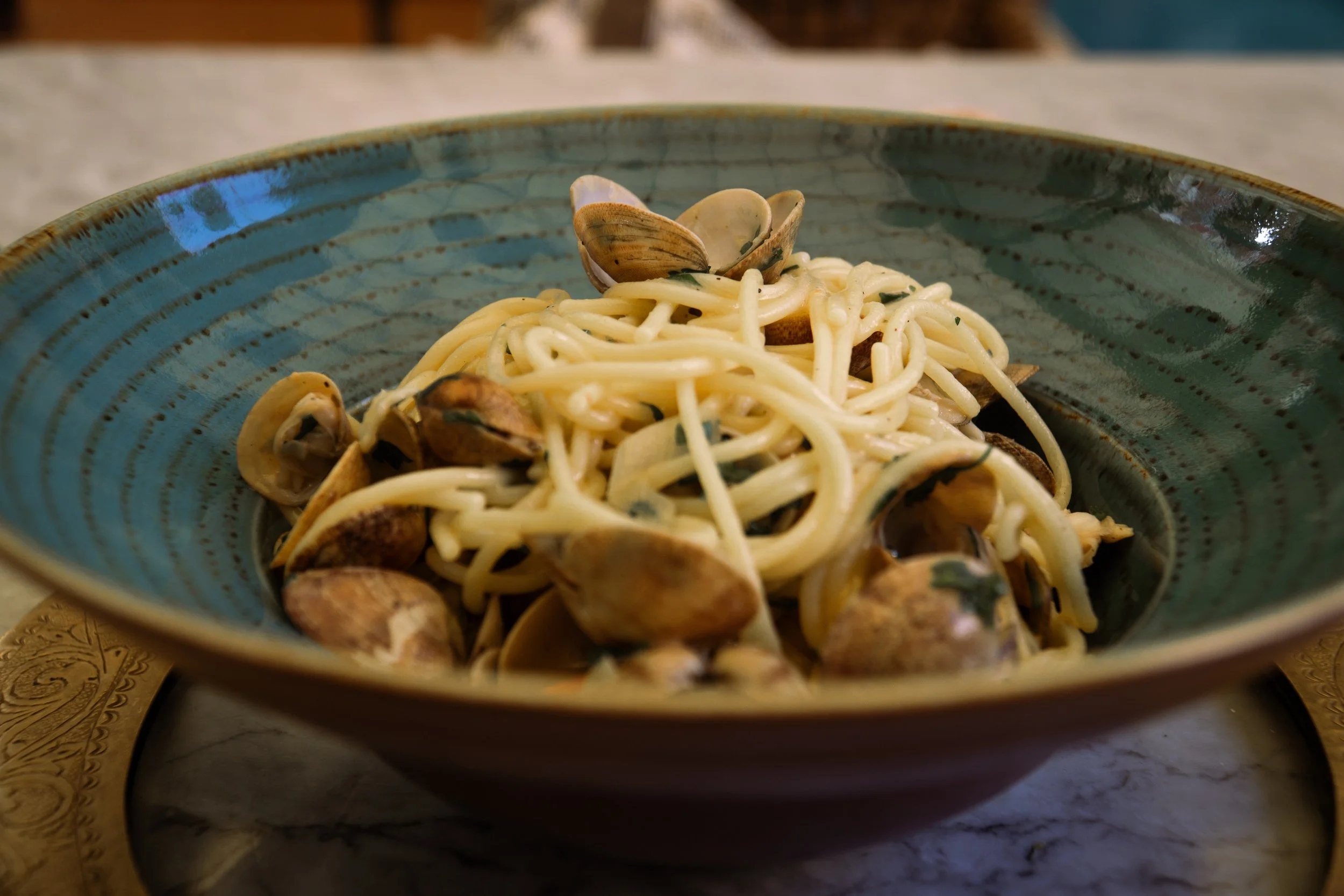
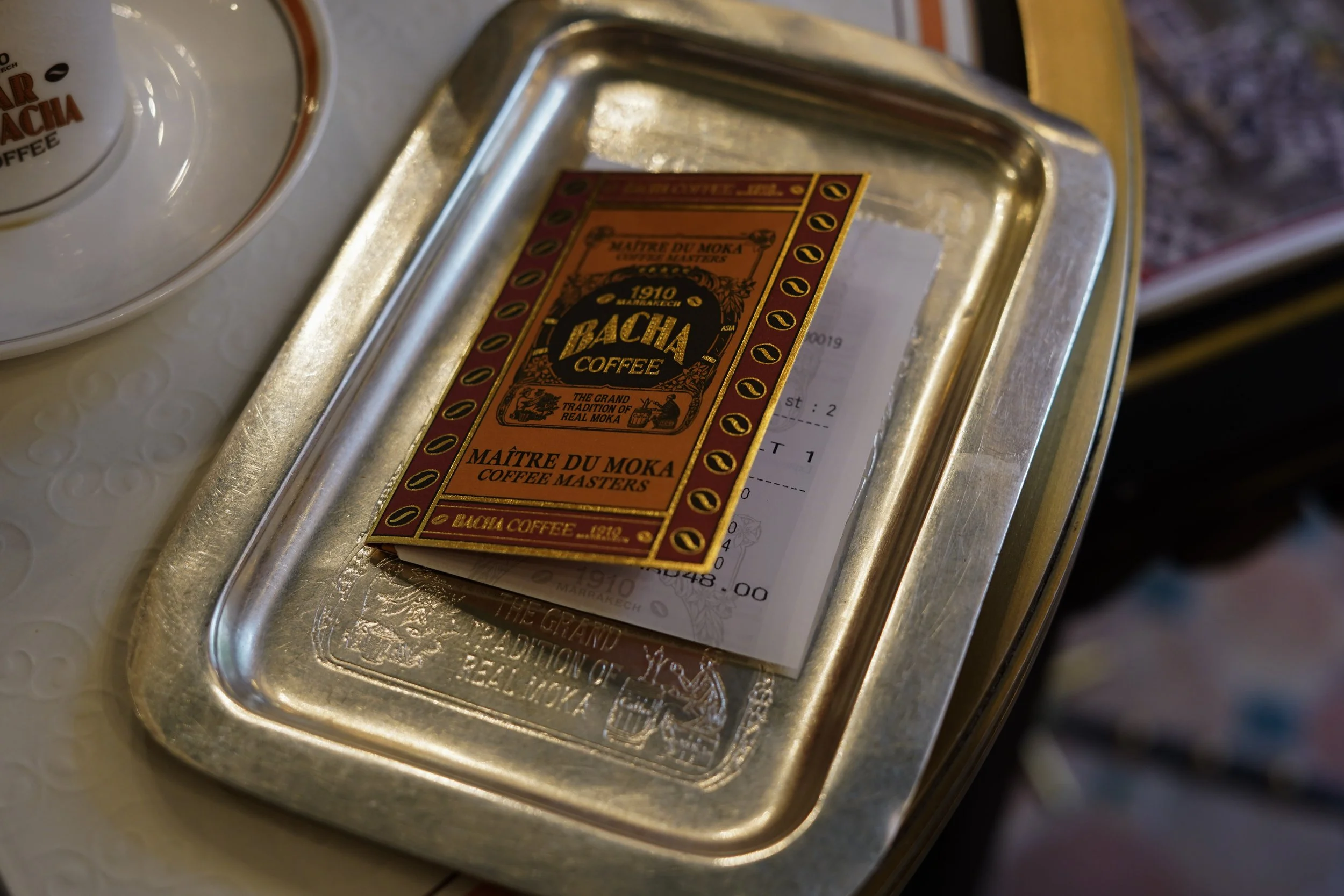
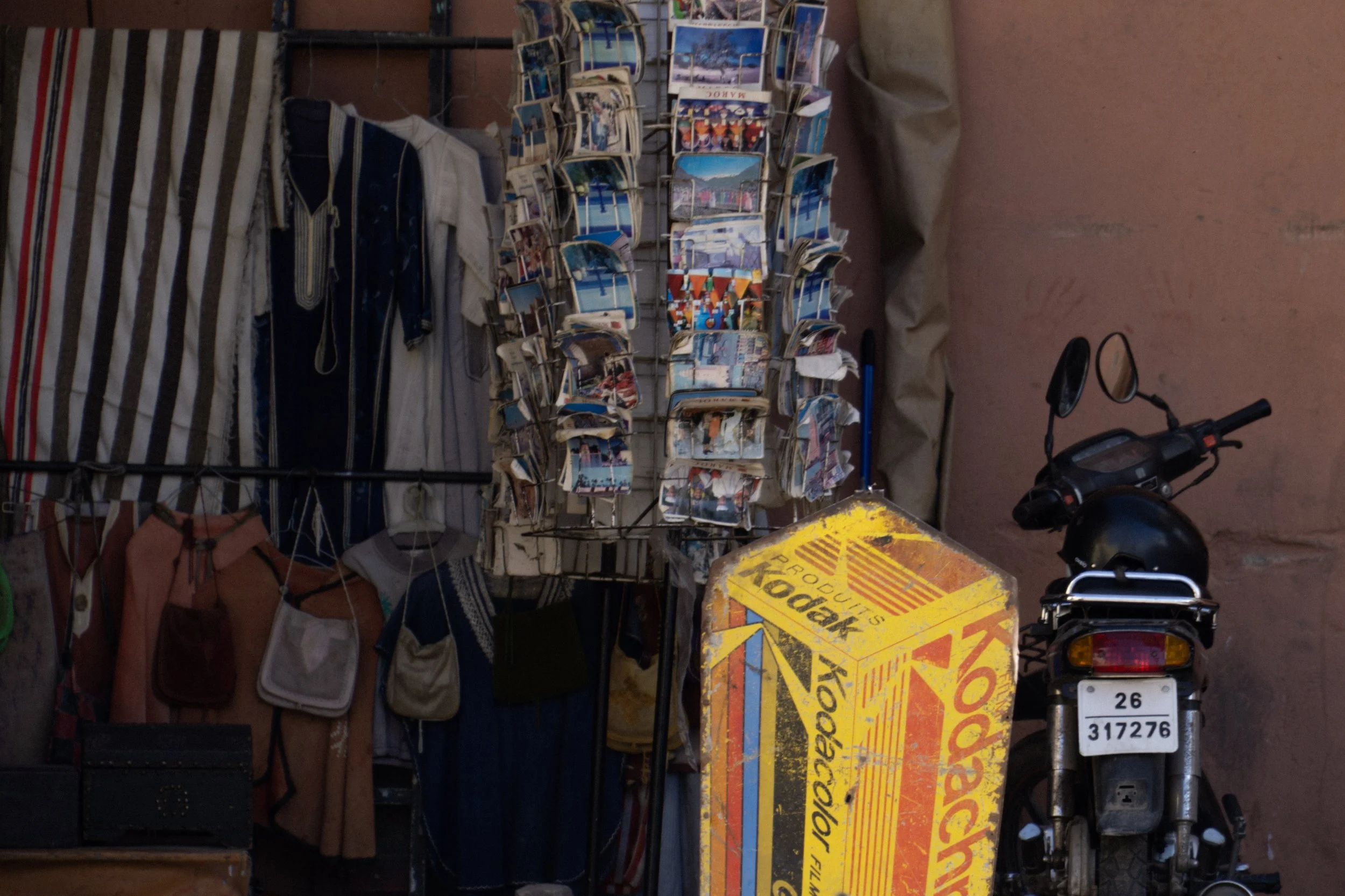
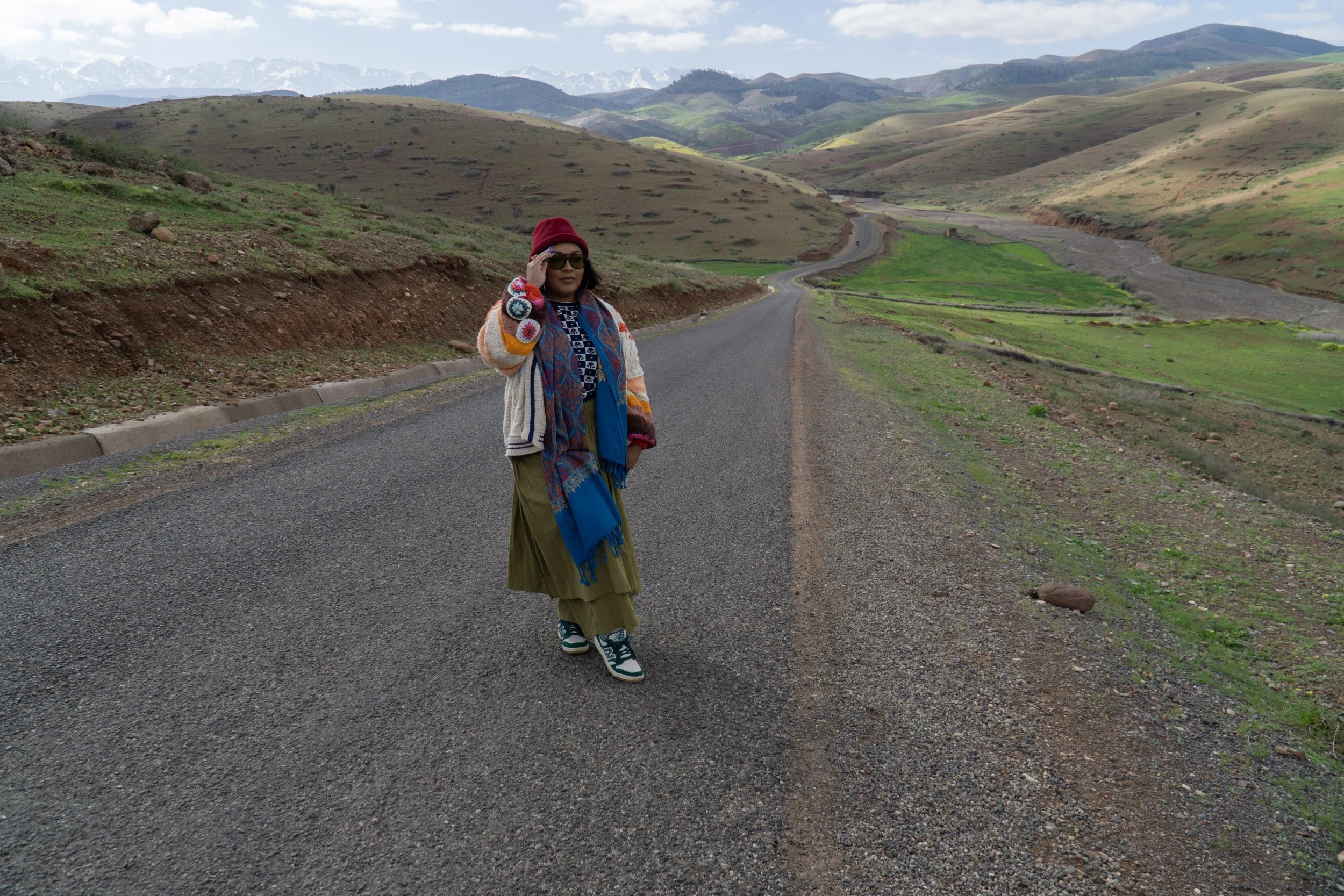
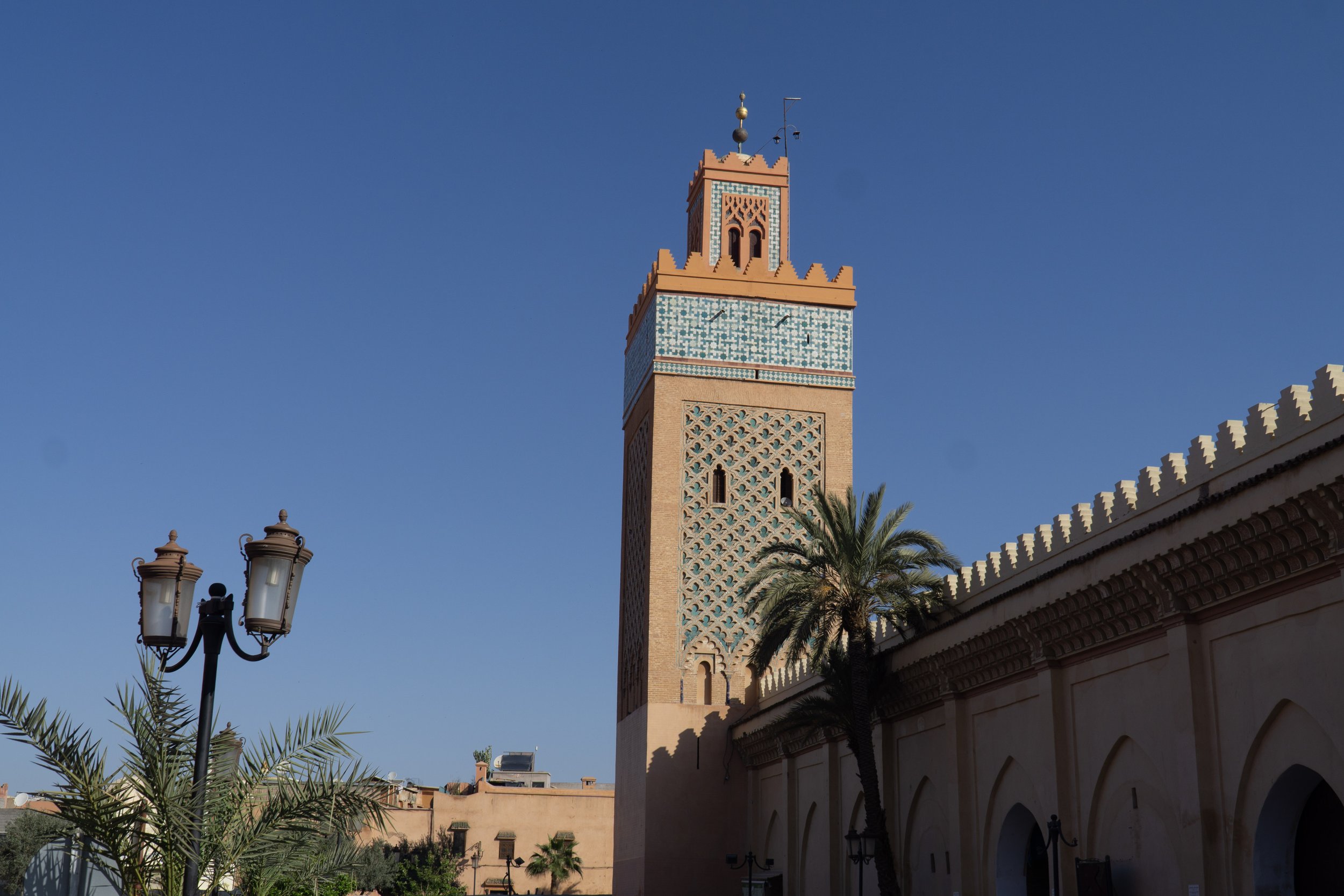
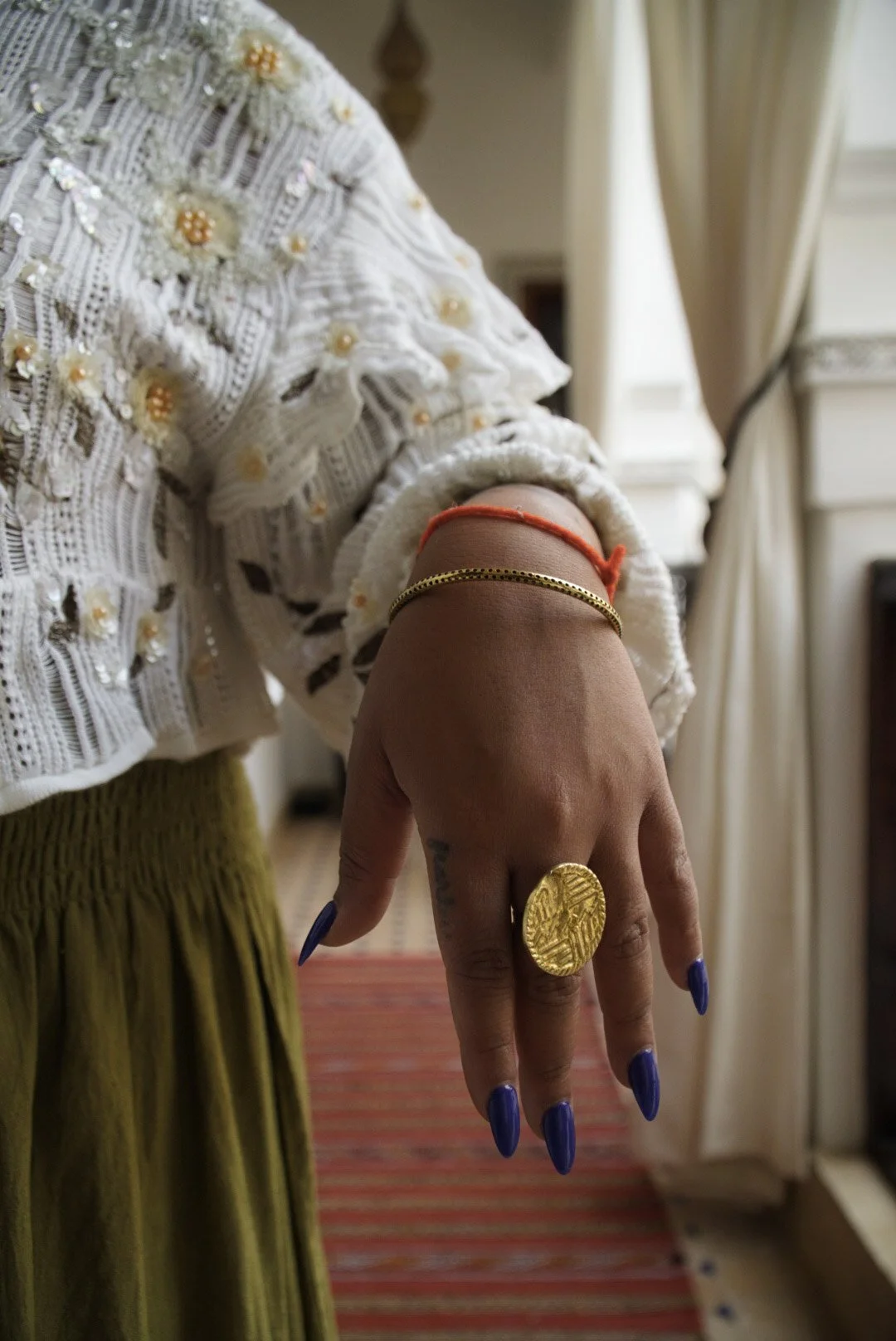
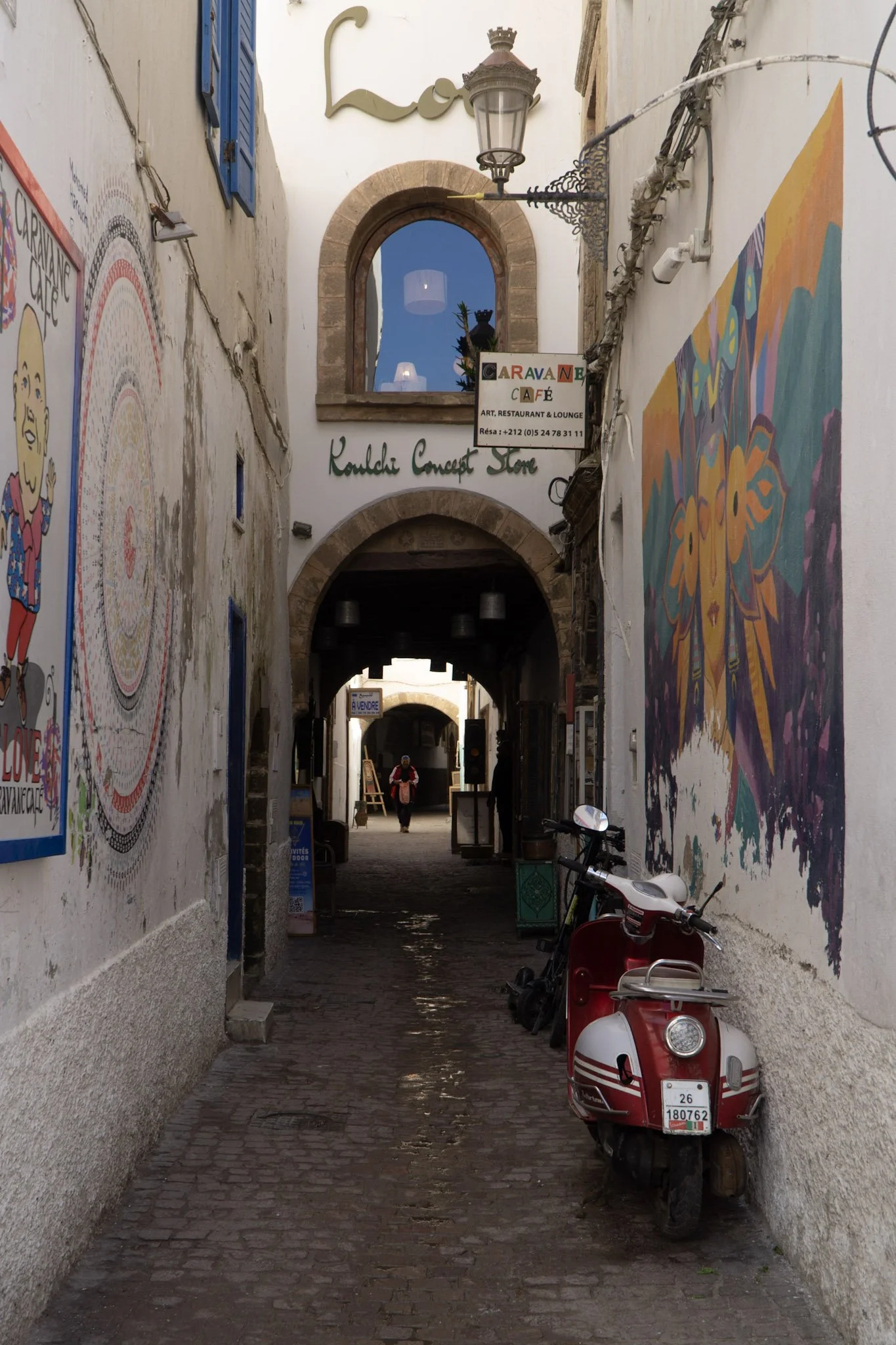
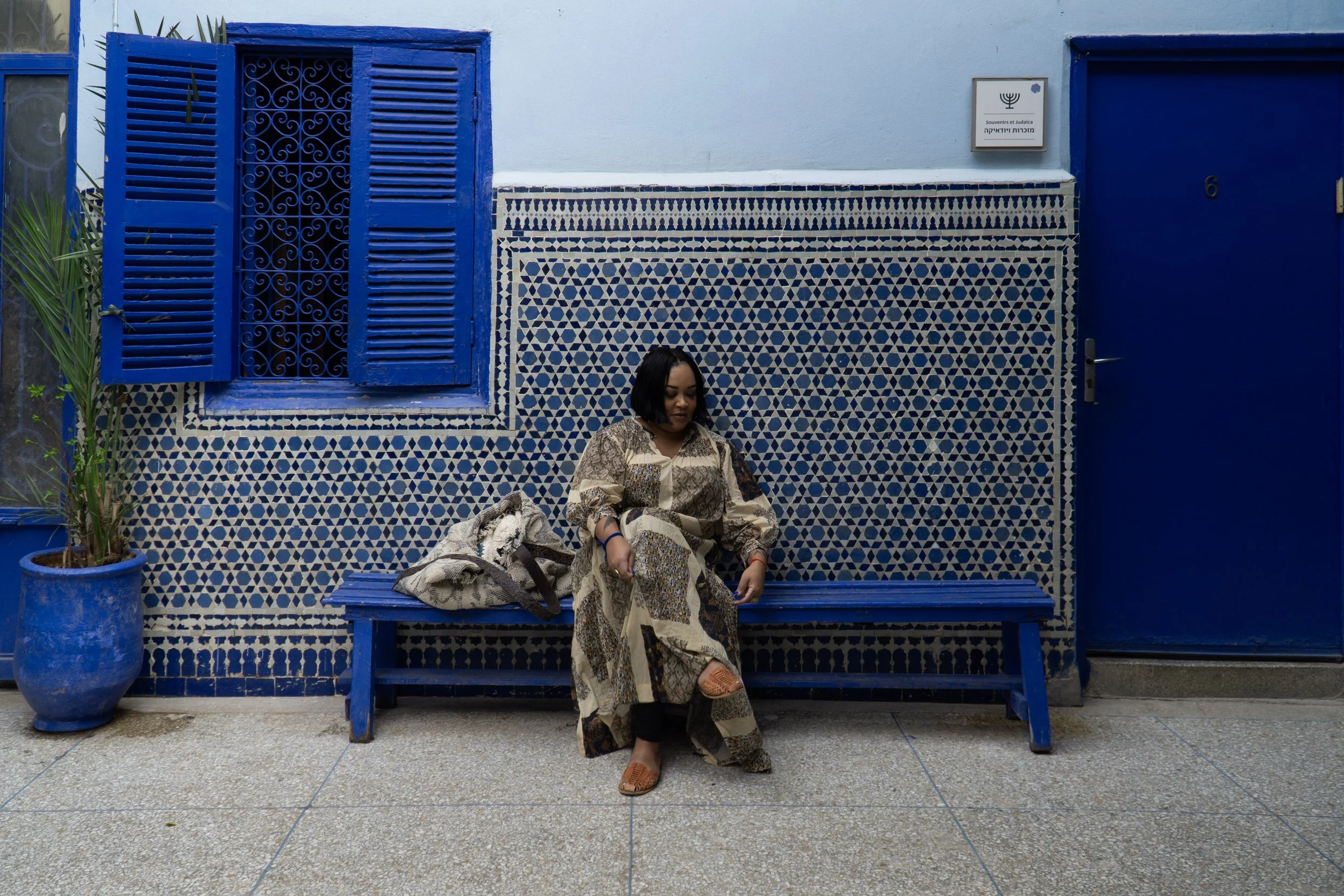
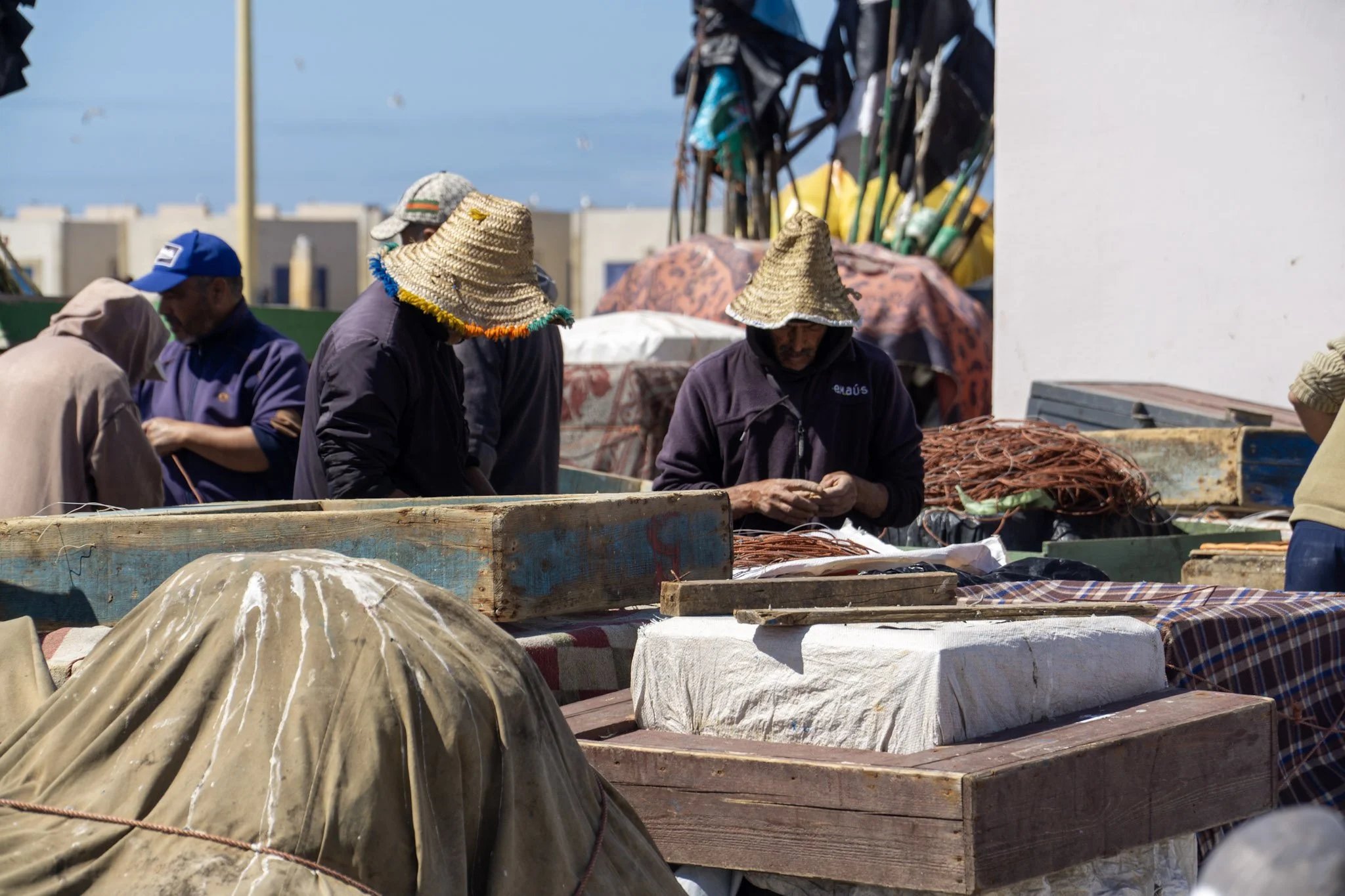
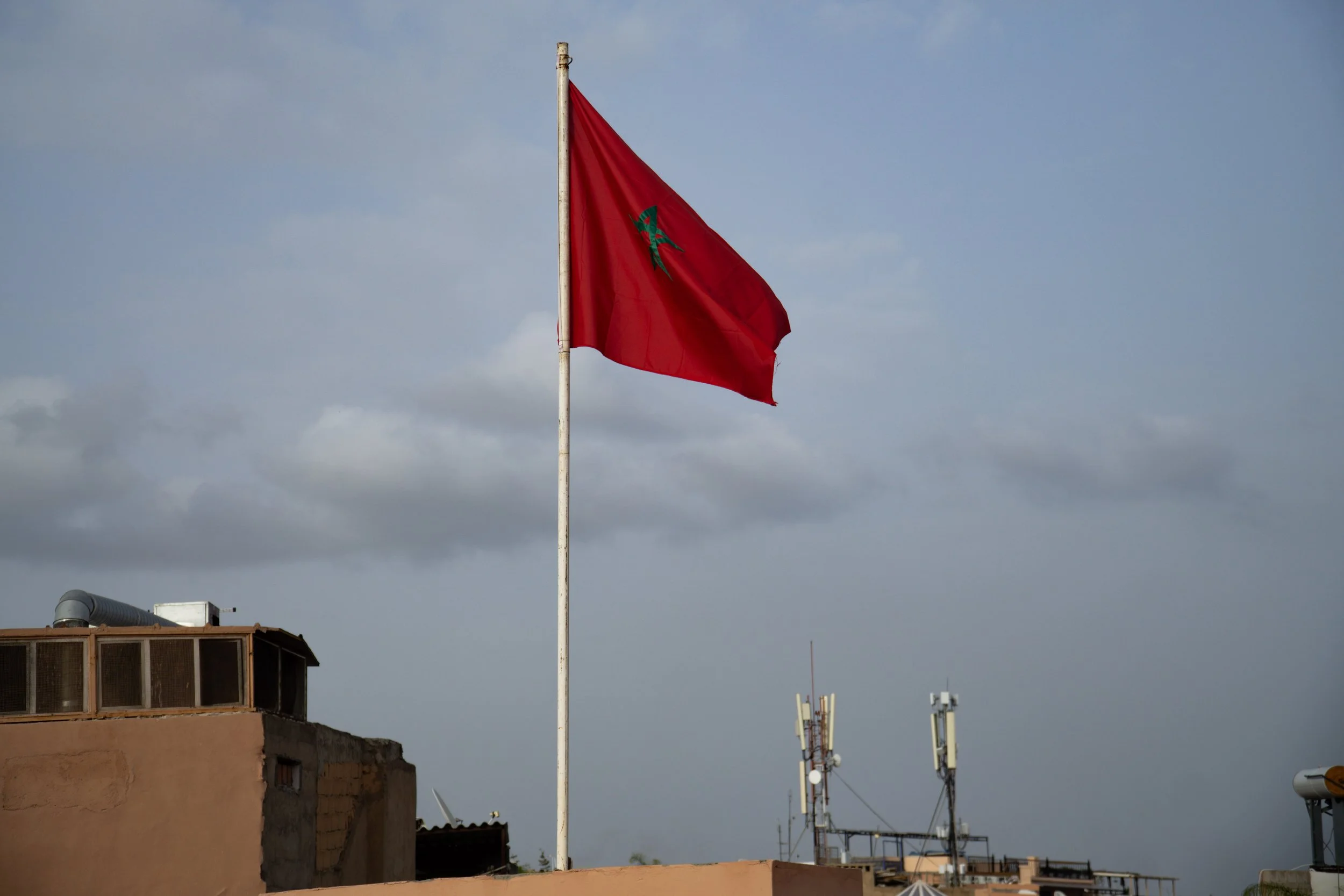
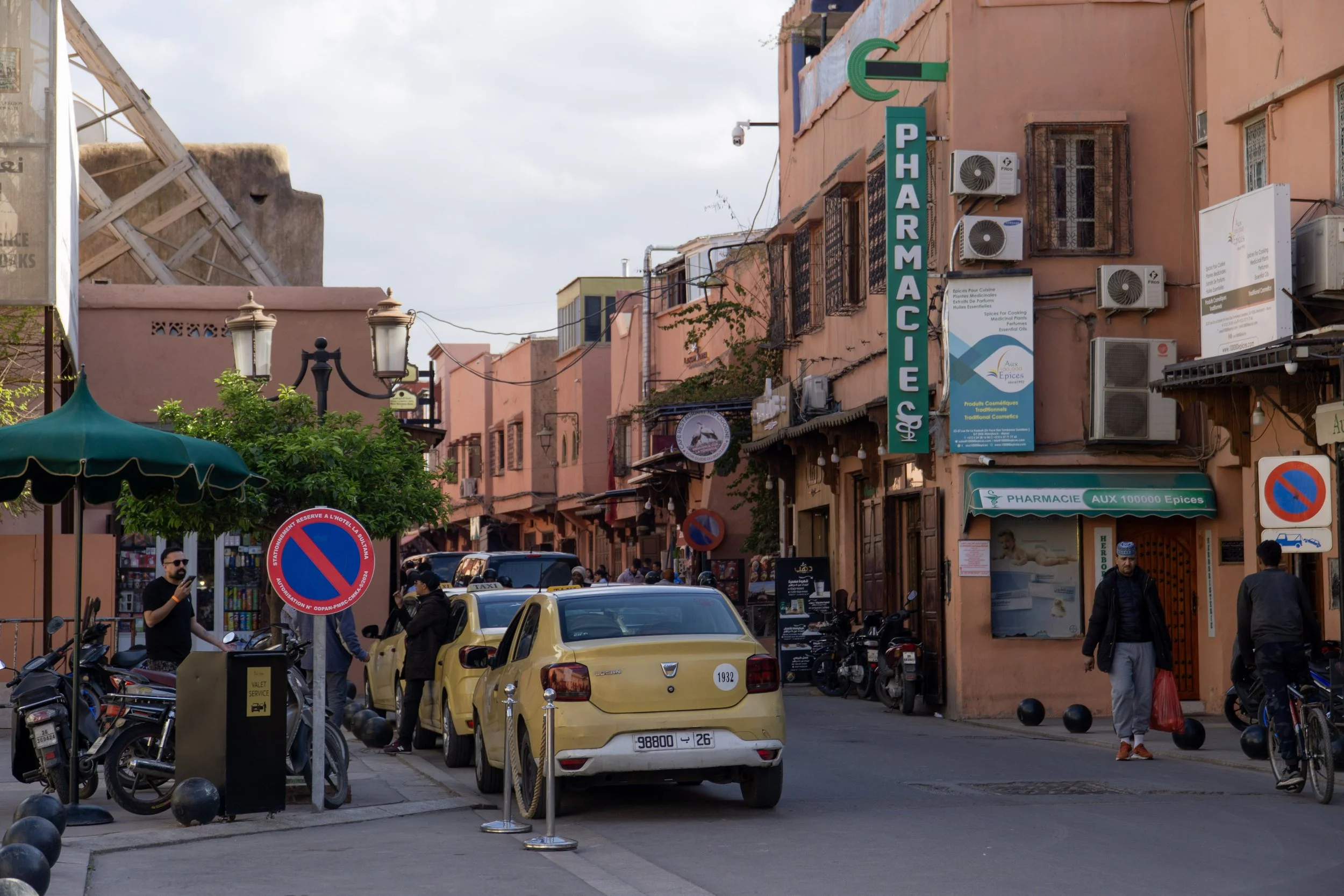
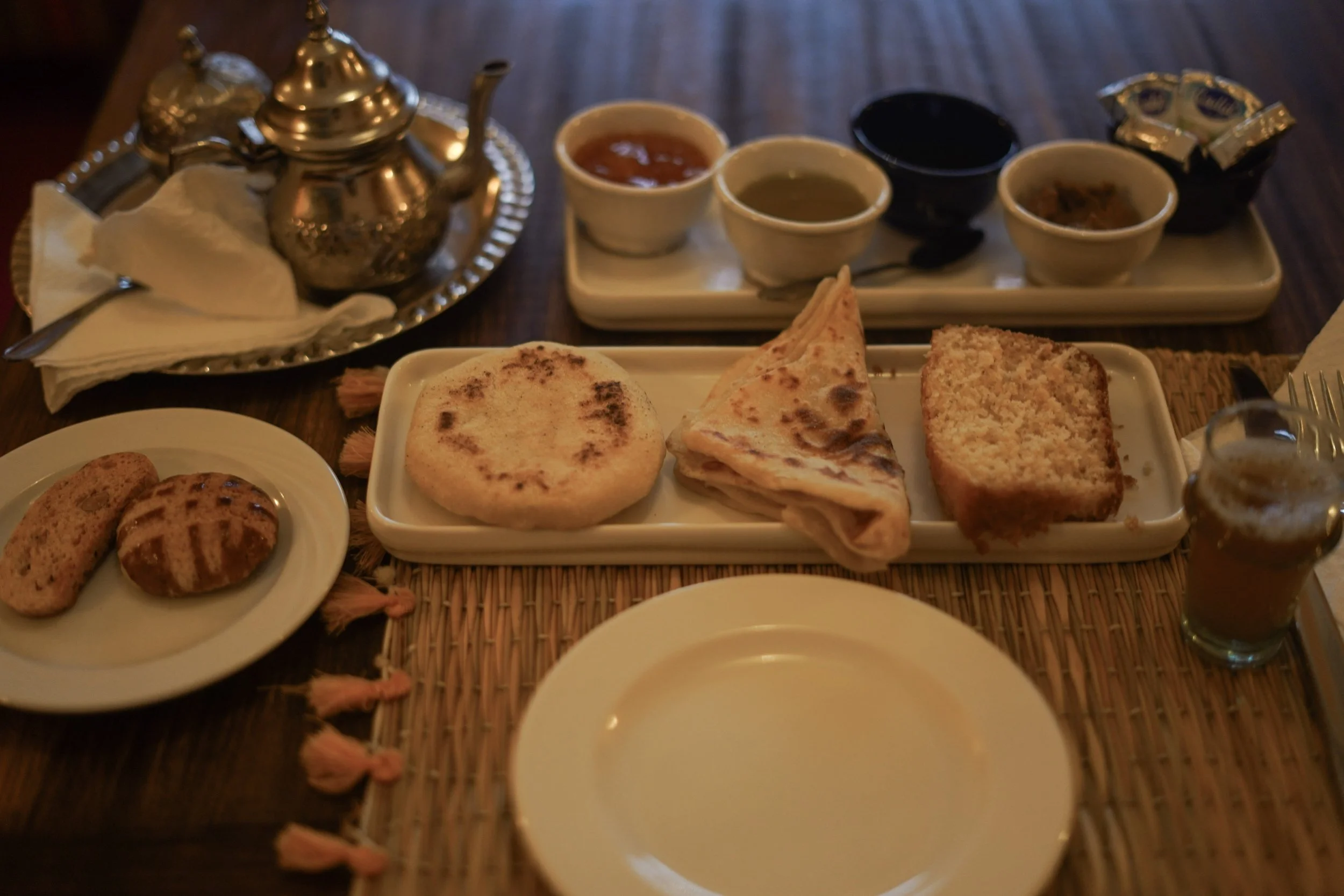
Living the Pace of Ramadan in Morocco
Visiting Morocco during Ramadan means quieter and slower days in some regards, with many shops opening later, shorter or different business hours, and a conservation of energy between breakfast and dinner.
But after sunset, there’s a noticeable change. The streets, especially markets are filled with people, restaurants are open and lines are sometimes down the street, and the city feels very much alive. I still was able to plan full days, but I did quickly learn to structure my days a bit differently, waking up much earlier than I normally would for breakfast and making dinner reservations much later than I usually would. This pace is something to adjust to for an enjoyable experience, not something to resist.
There are a few key terms that would be helpful to understand before you go:
Suhoor: the meal eaten before sunrise to begin the fast
Iftar: the meal at sunset when the fast is broken. Many restaurants do not open until after iftar, and reservations often start late in the evening.
Eid al-Fitr: the end of Ramadan and is a major holiday, so some businesses may close for a day or two while families celebrate together.
From a travel perspective, visiting during Ramadan can mean being more flexible. You should plan to eat larger meals in the morning and later at night. I would recommend carrying water with you during the day, and if you need snacks, you can eat them but try not to make a show of it. Most importantly, be respectful of people who are fasting. Tourist attractions remain open but at different operating hours.
Beyond logistics, visiting during Ramadan gave me a different view of Morocco. It was my first time in a Muslim country, and I came to value their sense of community and commitment to religious discipline and intention-setting. The trip was as much about seeing new and beautiful places as it was about finding a clarity I didn’t know I needed during their most spiritual season.
Frequently Asked Questions
-
Based on my experience, Morocco felt safe in the sense that I was able to walk through the medina daily, including at night, without being physically harmed or touched inappropriately. I stayed in the Kasbah area, where there were always people around, and I made sure I knew where I was going before leaving my riad.
In busy areas like the souks and Jemaa el-Fnaa, I experienced some harassment from vendors when I was alone, so I felt much more comfortable in the souks when I was with a guide.
So while I did not feel physically unsafe, solo female travelers should be prepared for a lot of attention and should move around with awareness, especially in crowded market areas.
-
In Marrakech, you can use a combination of walking, taxis, and guided tours. The medina is mostly walkable, but it is a maze, so it helps to learn your route or use offline maps.
For longer distances or going between the medina and the new city, taxis are easy and inexpensive. When you first arrive, I recommend having your riad call a taxi for you and possibly walk with you the first time so you can learn main areas where where taxis pass and pickup/drop off.
For places like the souks, historical sites, Atlas Mountains, or Essaouira, I found guided (private) tours very helpful because they made navigation easier and took some of the pressure off of me to know my way around.
-
Yes, you can visit Morocco during Ramadan, but the daily schedule is different. During the day, restaurants and shops may be closed, have later opening hours or have shorter overall hours.
After sunset, restaurants open and the streets are very busy and lively into the night. As a visitor, you probably should think ahead of time about adjusting your schedule for breakfast and plan to already have reservations for later dinners. It can be considered a slower pace of travel, but it’s also an interesting and beautiful cultural experience.
-
I would recommend at least 5–7 days for a first trip to Morocco, with Marrakech as a base and a few day trips. During my trip, I spent several days exploring Marrakech itself, took a day trip to Essaouira, and another day trip to the Atlas Mountains over the course of 7 days. That felt like a good and balanced pace for me.
If you want to visit multiple cities like Fes or Casablanca, you would probably need closer to 10 days because travel between cities can take several hours.
-
You can explore Marrakech on your own, especially if you are comfortable navigating and don’t mind getting a little lost in the medina. However, I highly recommend hiring a guide at least once at the beginning of your trip, especially for the souks and historical sites.
When I walked through the souks with a guide, no one bothered me, and I was able to actually enjoy the experience and learn about what I was seeing. When I went alone, the experience was a little more stressful because of how aggressive some vendors were. Having a guide can make a big difference in how comfortable and informative your experience is.
-
No, U.S. travelers do not need a visa to visit Morocco for tourism if you are staying 90 days or less. When you arrive, you will go through passport control, and your passport will be stamped for entry. Your passport should be valid for at least six months beyond your travel dates, and you may be asked for the address of where you are staying, so it’s a good idea to have your riad or hotel information available when you land.
I had never used an eSIM before this trip. I always just paid whatever my carrier charged. This time I went with Airalo's 7-day unlimited plan for Morocco, and it held up perfectly across Marrakech, Essaouira, and the Atlas Mountains. Here's exactly what I bought, how setup went, and what it actually cost me, top-up included.