
3 Things Ramadan in Morocco Taught Me About Discipline, Intention, and Time
I arrived in Marrakech just before sunrise, dragging my suitcase through a souk that hadn’t opened yet.
A few cats crossed my path, which wasn’t necessarily curious to me when I arrived, but I understood better by the time I left. One lone man cleaned his stall and stacked fruit quietly. There was no rush of people yet or noise of the city and certainly none of the urgency I feel at home. It was Ramadan, and everything was moving in slow motion.
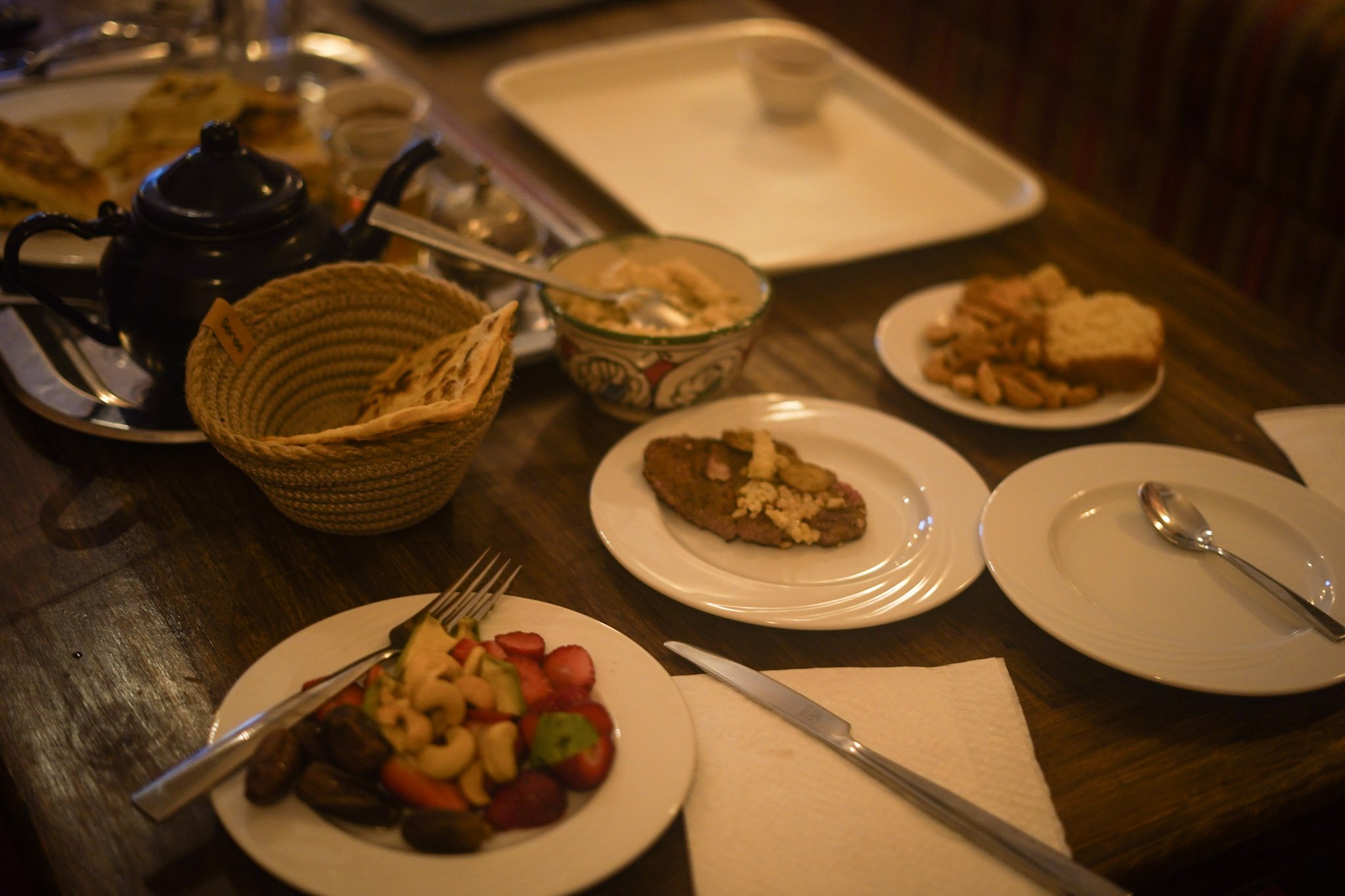
Since I arrived at suhoor, I immediately sat down to eat at my riad: mint tea, fresh bread, and a spread of things I wouldn’t normally pair together. Honey, olive oil, apricot, cacao mixed with peanut butter. It was simple but intentional and actually delicious.
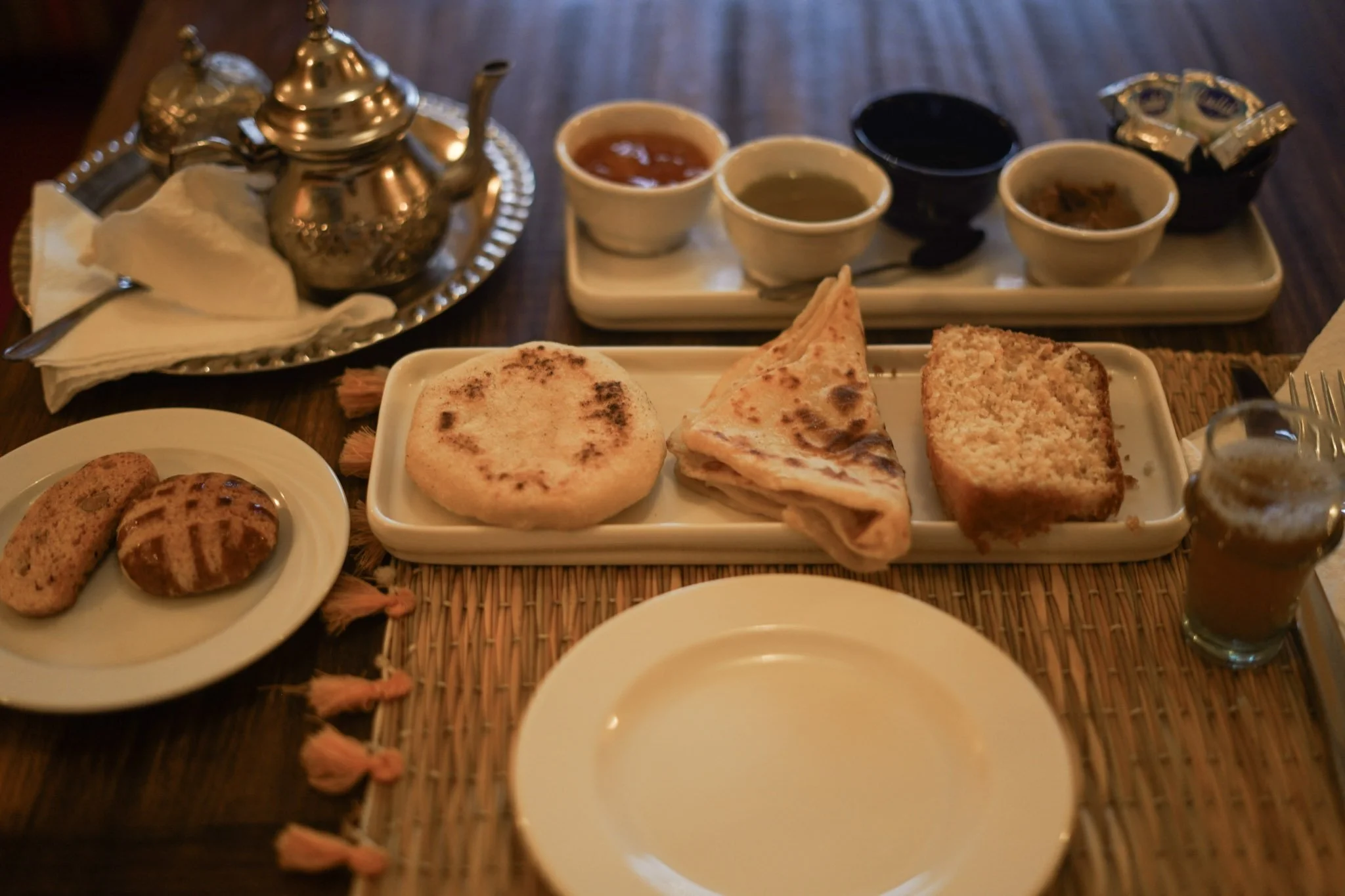
And then there was nothing.
I had been told before arriving that I didn’t necessarily have to participate in Ramadan as someone who is a tourist and not Muslim, but I actually wanted to.
So there was no snacking. No grazing. No constant thoughts about what I would eat next.
That first day, I didn’t even think about food or feel hungry until around 6:15pm, just before iftar, and even then, it wasn’t urgent.
That didn’t necessarily surprise me in the context that I don’t eat on a regular schedule at home, but it did surprise me because I had given a lot of weight to the fasting part of Ramadan mentally.
Here’s what I learned being in Morocco during the most holy time of year.
1. Discipline doesn’t always feel extreme.
I grew up disciplined in many ways, but food was not necessarily one of those areas. Before experiencing Ramadan for myself, I think I understood discipline one way. The idea most people have of it is that it must be something rigorous, something difficult, and something that challenges you in a major, lifechanging way. Looking at it from that standpoint makes it easier to feel like you may have failed if your process isn’t consistently stringent and demanding.
The discipline that comes with Ramadan is not loud or aggressive. It’s very much grounded in practice and daily habits. It looked like structure and intention that already exists within the culture.
This also points to the idea of community—because everyone is going about with a shared understanding of restraint, you may feel less pressure to perform.
Knowing that everyone wasn’t eating strangely made it feel more possible for me to fall in line.
What I took from this was that discipline isn’t necessarily about doing something drastic. It’s about making a choice repeatedly in the interest of long term goals, opposed to thinking only about what you’re not allowed to do. Discipline teaches patience, control, and focus for delayed gratification.


2. Intention changes everything.
One of the most impactful conversations I had in Morocco was with a man named Yousef.
We were talking about Islam, and he said something perceptive:
Because we are in God, God is in us. Prayer is simply talking to ourselves as motivation to do the right and honorable thing.
I grew up in a Christian household and still identify as one, but I make it a habit to question my own religion while welcoming thoughts and ideas for others, as the pillars of most religions are quite similar.
Yousef noted that the goal of all religion is inner peace.
It’s not perfection or performance. It’s peace.
At this moment, Ramadan made even more sense to me.
It’s not just about abstaining from food. It’s about creating space to think, reflect, and receive clarity that allows you to be intentional instead of constantly acting on impulse.
Setting intentions in a sustainable way after Ramadan could mean:
Waiting to eat, even when you can.
Choosing what you put in your body.
Being mindful of how you spend your time.
Moving in alignment with your deeper purpose rather than immediate desire.
Observing this kind of intention makes you question how often you move on autopilot, and it should. Intentions are not meant to cause anxiety or to make you feel like a failure. They’re meant to be a guide forward that keeps you on a focused path.

3. Time doesn’t have to feel urgent.
During Ramadan, shops open later, streets are quieter early in the day, and energy builds slowly toward sunset.
Nothing is urgent.
That idea shows up differently across the diaspora, but I’ve noticed it again and again. Many other places have a much better understanding than the U.S. of the idea that life doesn’t have to be rushed to mean something.
The urgency in the U.S. is built into systems and it surrounds jobs and productivity, daily schedules, meals, and conversations. This fast paced life doesn’t allow us opportunities to even slow down and question why.
Ramadan in Morocco forced me to slow down mentally, and when you have a moment to do that, you realize that you can actually be in charge of your own pace.

What I’m Taking With Me
I didn’t observe Ramadan in the traditional sense because I’m not Muslim and I didn’t engage the entire duration of the observance.
I did, however, take the time for that one week to experience the intention behind it, and that was enough to think about things differently going forward.
I left Morocco thinking more about:
How I eat, not just what I eat
How I spend my time, not just how much of it I have
How often I move with intention instead of urgency
Discipline doesn’t have to be extreme, intention doesn’t have to be complicated, and time doesn’t have to feel like it’s always running out.


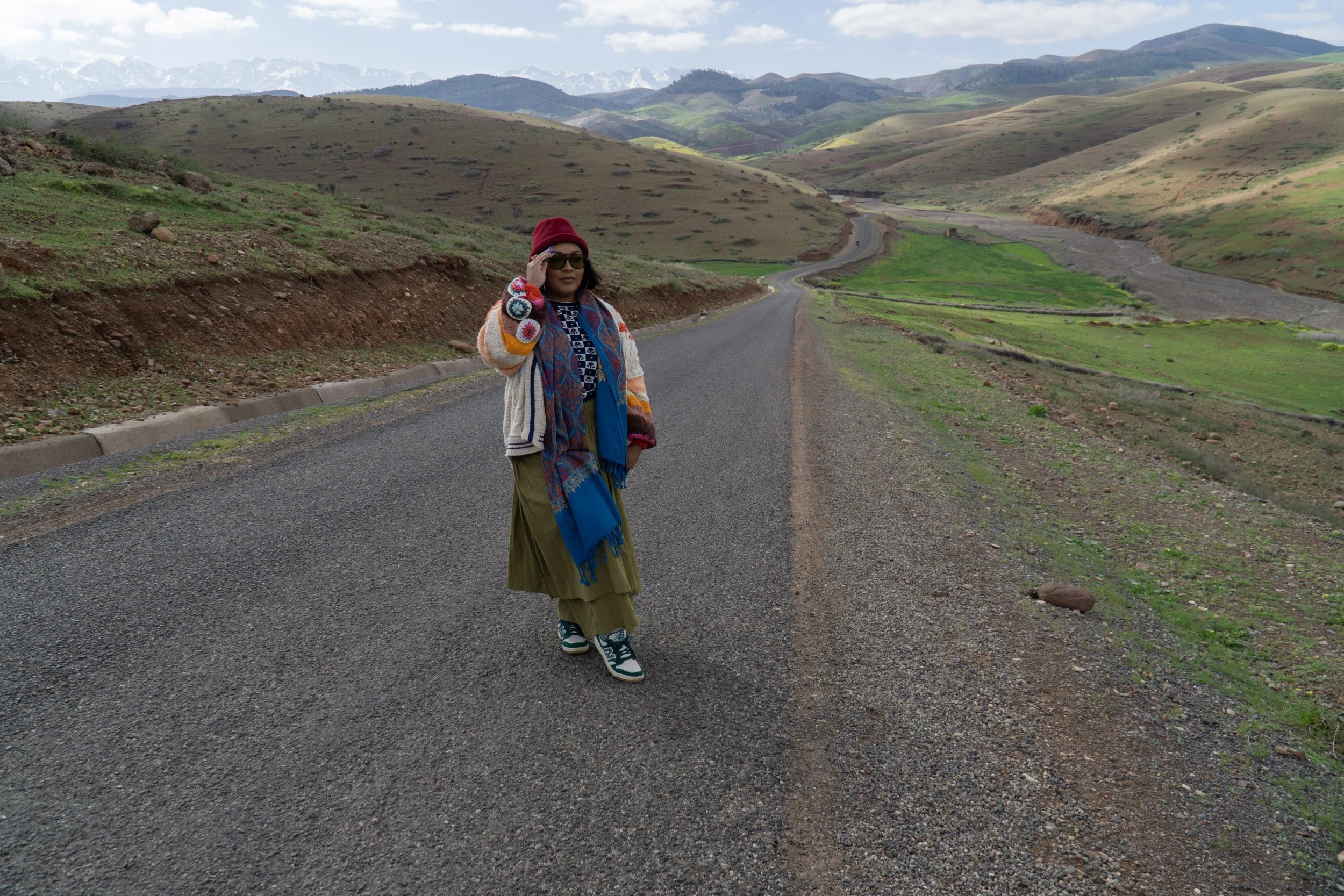
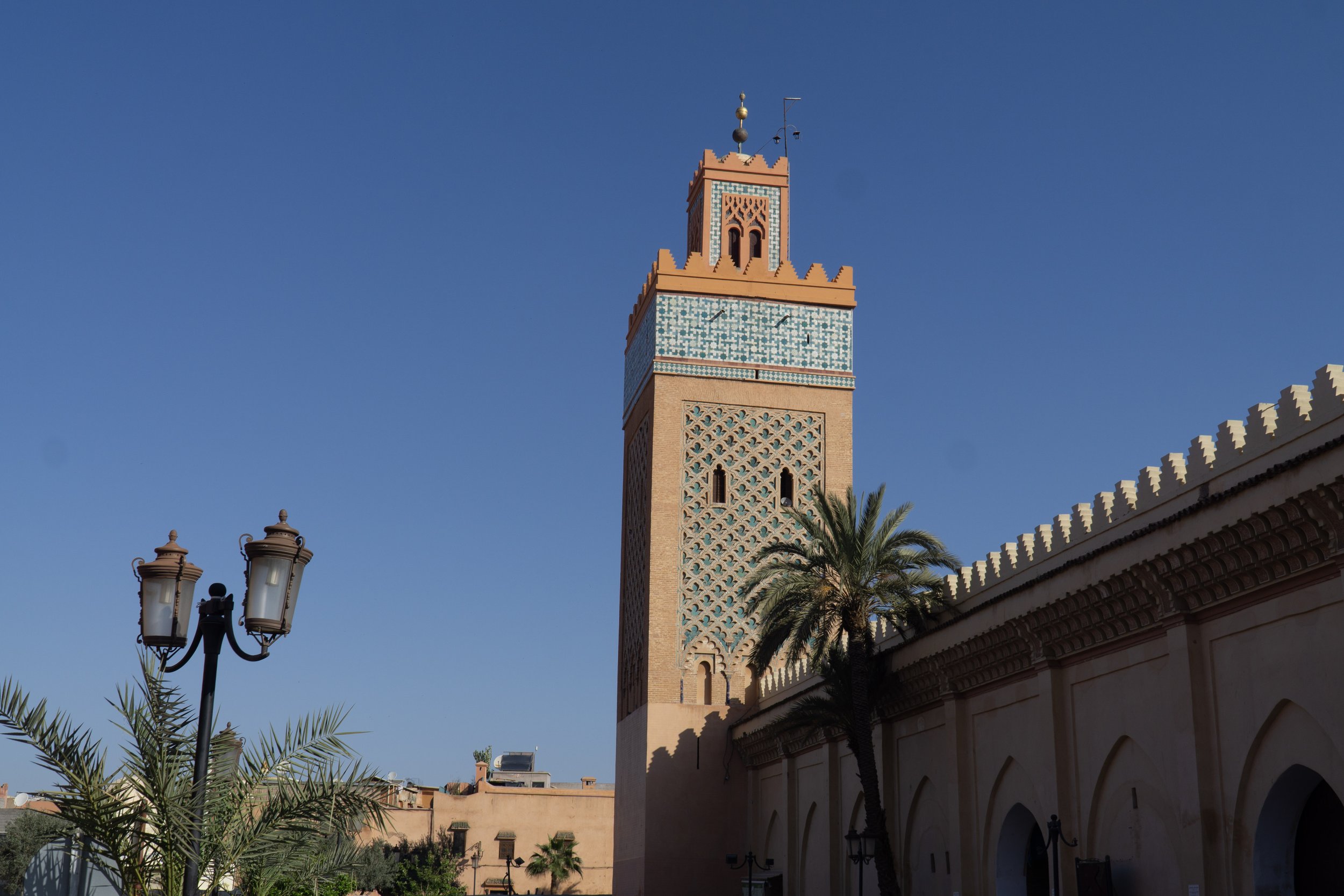
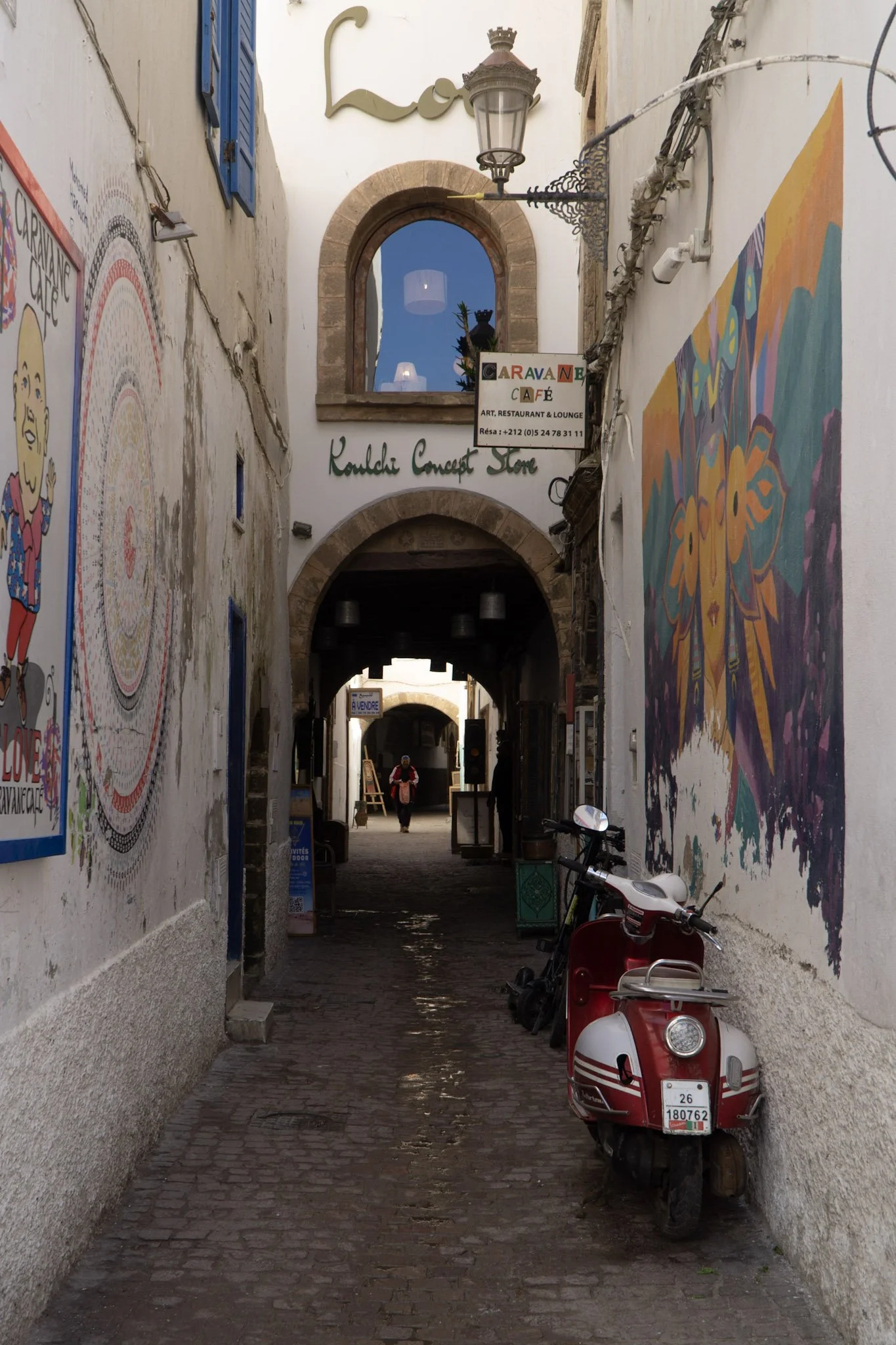

I had never used an eSIM before this trip. I always just paid whatever my carrier charged. This time I went with Airalo's 7-day unlimited plan for Morocco, and it held up perfectly across Marrakech, Essaouira, and the Atlas Mountains. Here's exactly what I bought, how setup went, and what it actually cost me, top-up included.