
What to Know Before Traveling to Marrakech (2026 Guide for First-Time Visitors)
Marrakech is an incredible place to visit, but it is very different from traveling in Europe or the United States. The city can be busy and crowded, the medina is not organized like your typical city, and the culture has slightly different expectations around dress, food, and daily life. The more you understand before you arrive, the more comfortable you’ll feel once you’re there. Here are the most important things to know before traveling to Morocco for the first time.
A Quick Summary
Be prepared to use cash more than your card, especially when shopping and catching taxis
Know the name and address of your riad for passport control
Expect a busy, high-energy city
Check if your phone is eSIM compatible and compare your carrier’s international plan vs. Airalo or other eSIM providers
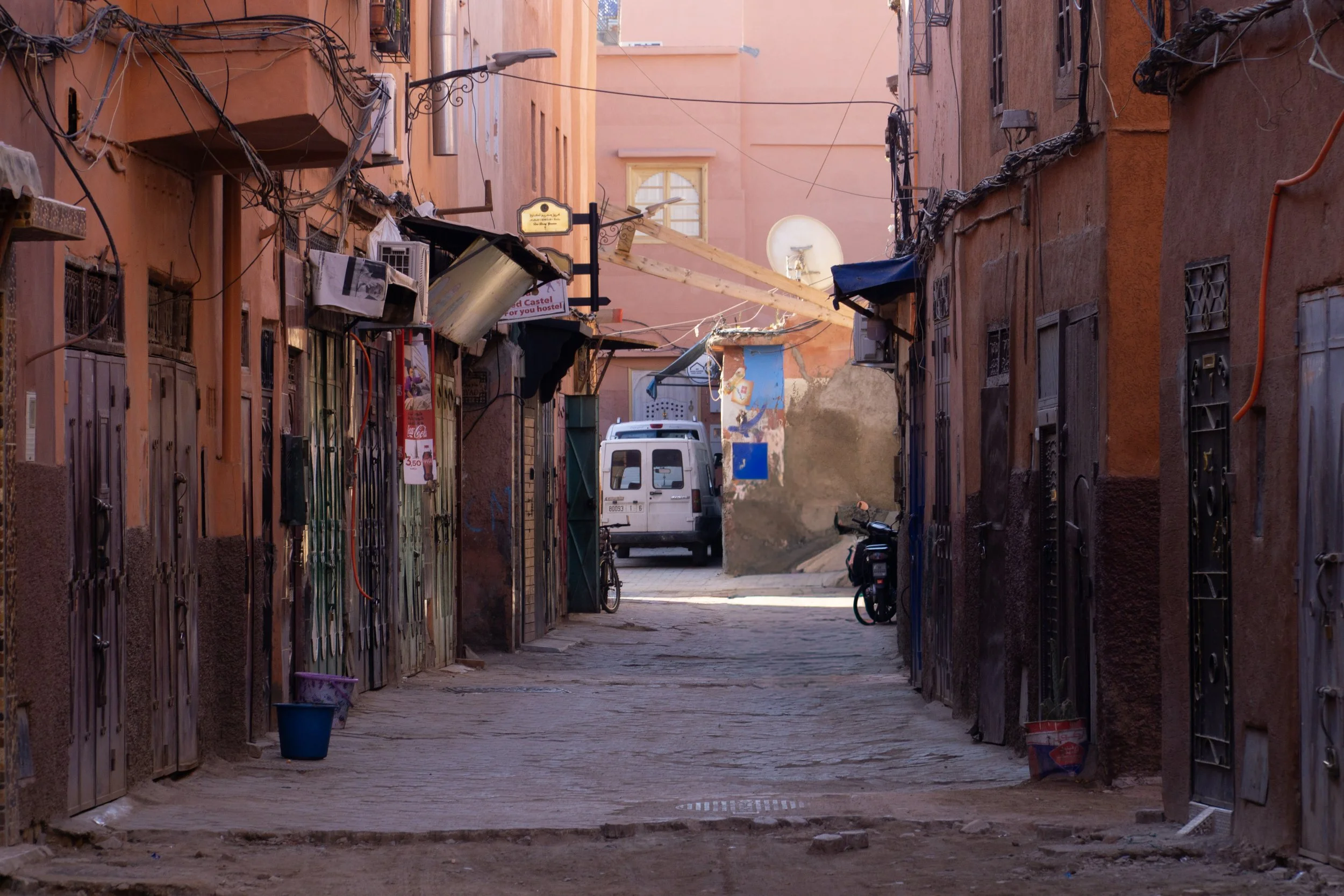
Listen and watch for scooters in the medina
Dress modestly
Stay in a riad, if not for your whole stay, at least for a few days
Download offline maps; I recommend Google
Consider hiring a guide at the beginning of the trip
Getting There and Arrival Tips
Most people visiting Marrakech will fly into Marrakech Menara Airport (RAK), which is the main airport. Conveniently, it is only about fifteen minutes from city center when traffic isn’t heavy.
When you land, you’ll go through passport control before you grab your luggage from baggage claim. The lines can be long, but they move quickly. In my case, they asked where I was staying so make sure you have the name and address of your riad or hotel ready.
One of the easiest things you can do to make your arrival smoother is to arrange an airport transfer through your riad or hotel ahead of time. This is especially helpful if it’s your first time in Marrakech, you’re arriving at night, or if you don’t have cash yet. Many riads will send a driver to meet you at the airport, and the cost is often added to your stay and paid at checkout, so you don’t need cash immediately.
Another reason this is helpful is because many riads are located inside the medina, where cars cannot drive. Your driver will drop you off at the closest point to the medina, and then someone from the riad will meet you and walk you the rest of the way. Without this, it might be very difficult to find your riad on your own the first time, especially at night.
You Absolutely Need Cash
Morocco uses the Moroccan Dirham (MAD), and it is still largely a cash-based country, especially in the medina, souks, taxis, markets, and smaller restaurants. Hotels, riads, and nicer restaurants may accept credit cards, but you should prepare to pay for most daily costs in cash.
In my experience, it’s best to use ATMs in the city instead of exchanging a large amount of money at the airport or using currency exchange counters because they will most likely have worse rates. There are many ATMs in Marrakech, especially near the medina and in the new city, and withdrawing cash as needed is usually the easiest option.
Cell Service and eSIMs
If you have a U.S. phone plan, check your international options before you travel. I have Verizon, and the international travel pass was about $12 per day. Instead of using that, I turned my primary cellular data off, and I purchased an eSIM through Airalo, which was cheaper and worked well for my entire trip.
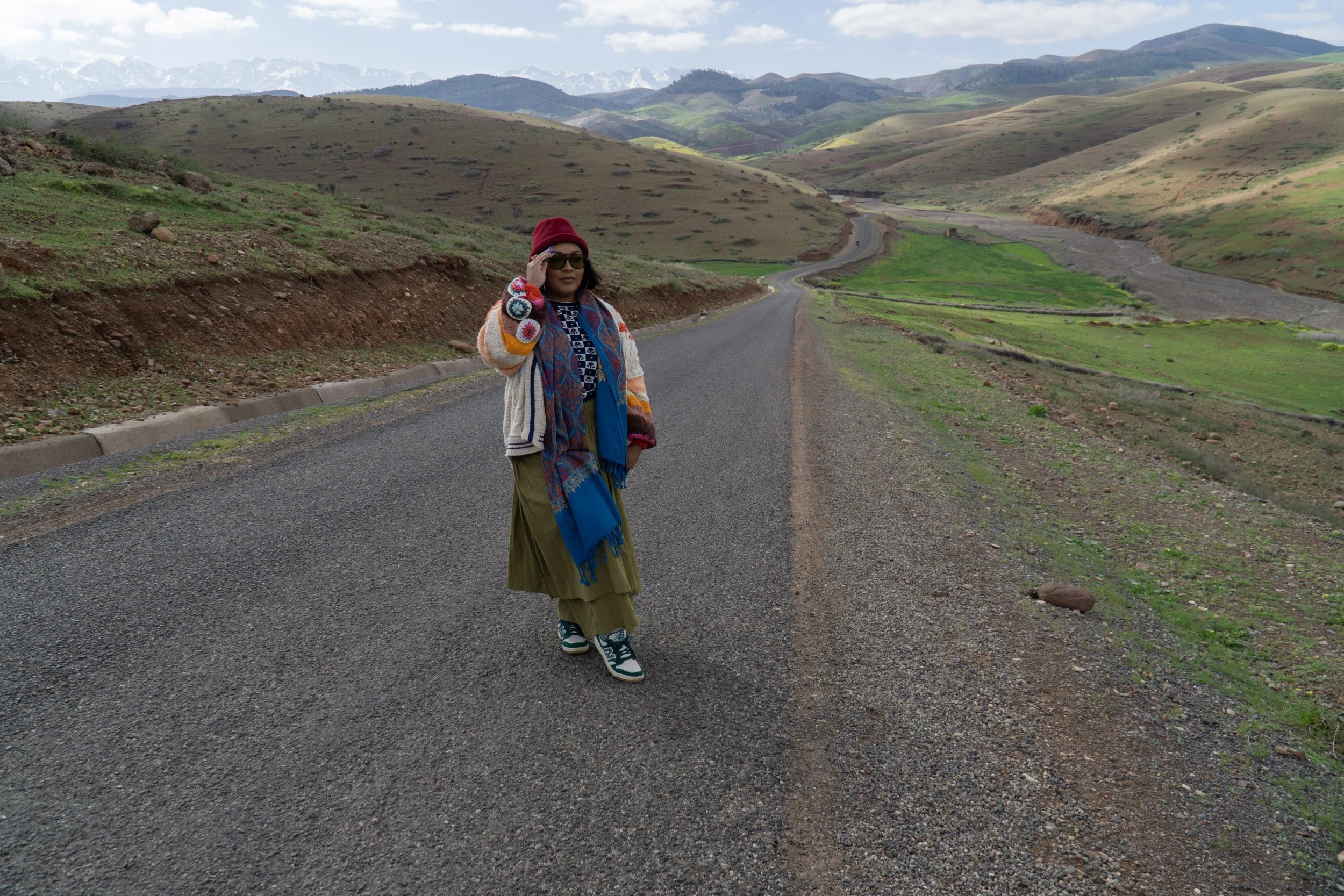
I had service everywhere in Marrakech, including the medina and even during my day trips to places like the Atlas Mountains and Essaouira. I was able to use Google Maps, WhatsApp, and even use social media without relying on Wi-Fi.
If your phone supports eSIM, this is one of the easiest things you can set up before your trip so you have data as soon as you land.
Marrakech Is High Energy
Marrakech is not a quiet, slow-moving city. It is busy and very high energy, especially:
In the morning when shops and markets open
In the late afternoon and evening during rush hour
Around Jemaa el-Fnaa and the souks
The medina is very busy with people walking, scooters speeding through narrow streets as well as taxis that can barely fit, vendors shouting, and carts moving goods, especially produce. If you don’t love high energy or you’re easily overstimulated, then you might be overwhelmed at first, but you get used to it quickly, especially once you know where you’re going and get a feel for the city.
Watch for Scooters in the Medina
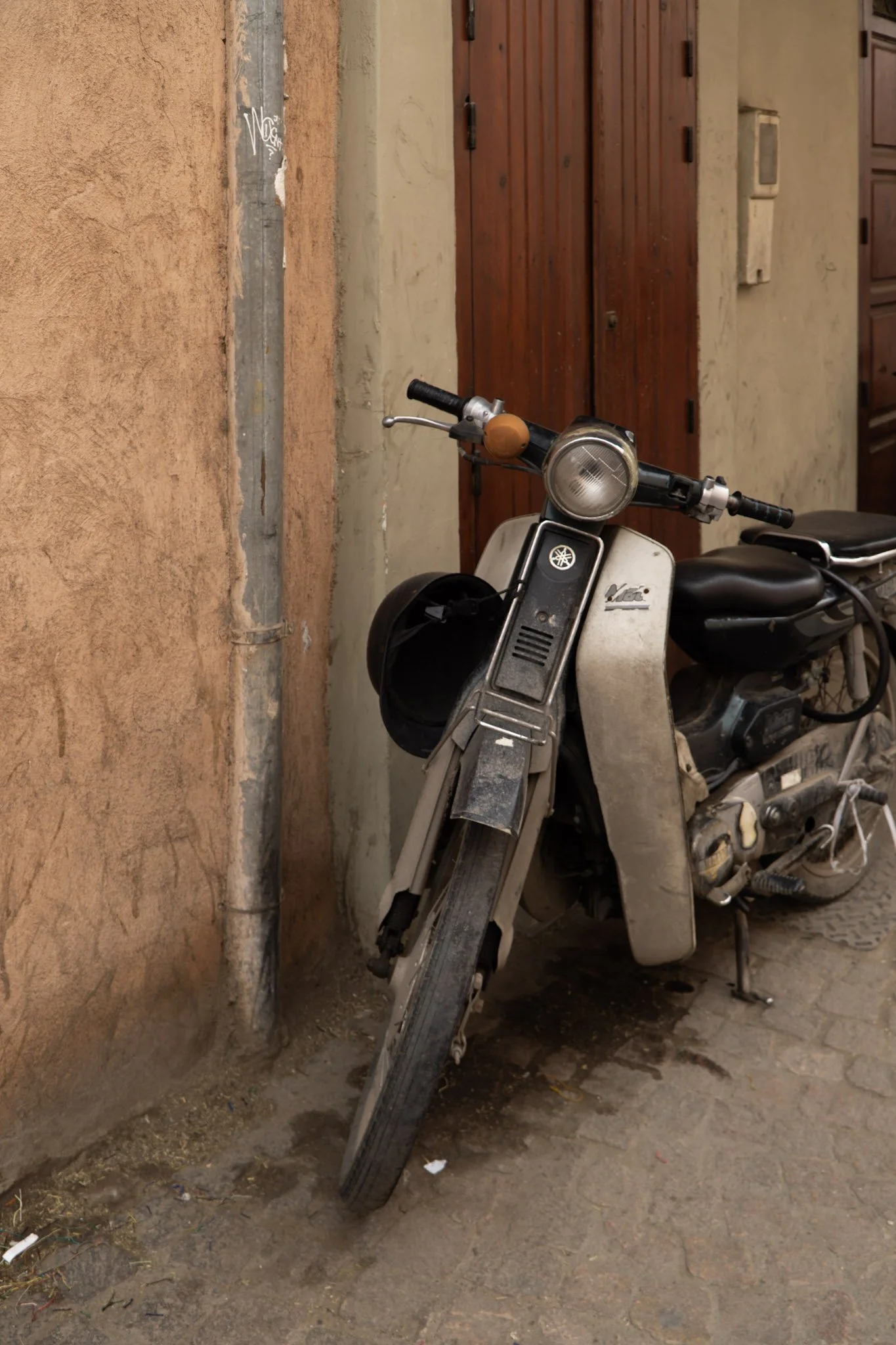
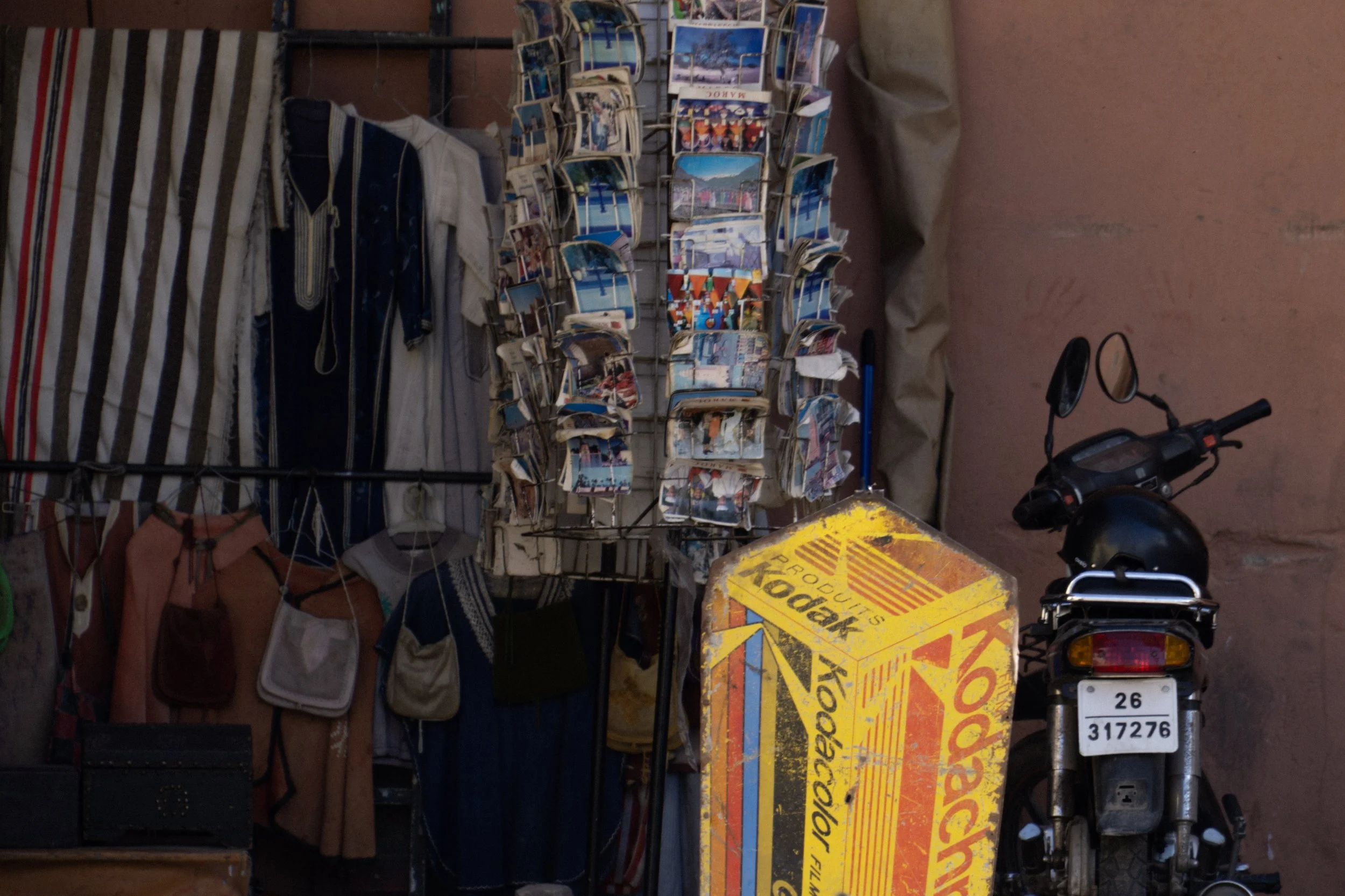
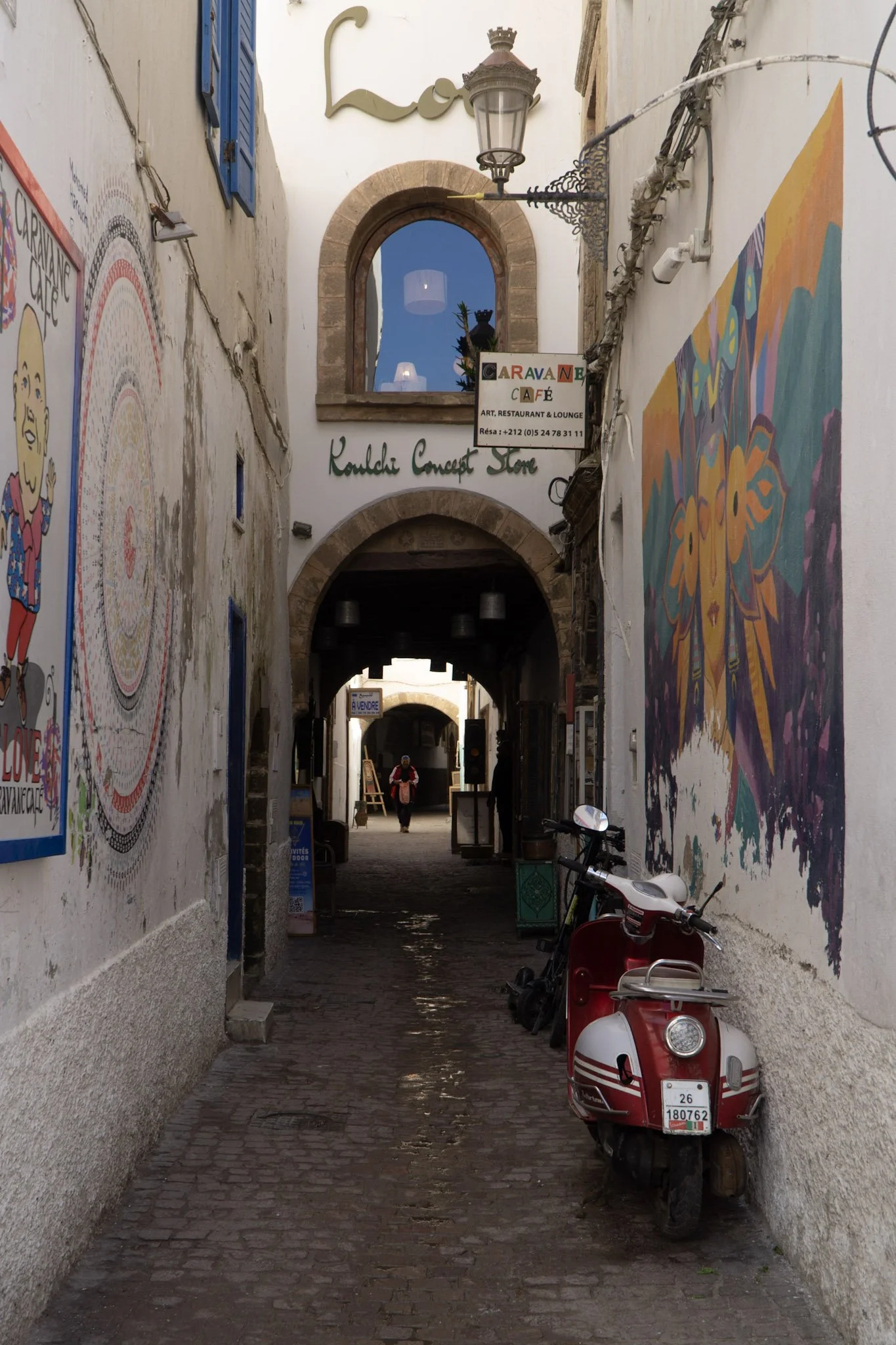
One thing that surprised me is that scooters and small motorbikes drive through the medina, even in very narrow alleyways and through crowds. When you’re walking through the medina or the souks, always stay to one side and learn to listen for the sound of the scooters behind you. They can also be very impatient, so you’ll hear honking, but even if you don’t hear honking, stay alert, especially during rush hour. Wearing headphones while walking is definitely not recommended here.
Morocco Is a Muslim Country
Morocco is a Muslim country, and that influences daily life, food, how you dress, and business hours.
A few things to keep in mind:
You will likely not see pork on menus
Most traditional meals are chicken, beef, lamb, vegetables like carrots, several kinds of bread, and black and/or green olives
Couscous is the national dish, and you may be offered savory or sweet versions of this dish
Tagine is the most common dish; it’s a slow-cooked stew with meat, vegetables, and spices
During Ramadan, restaurants may be closed during the day and open late at night
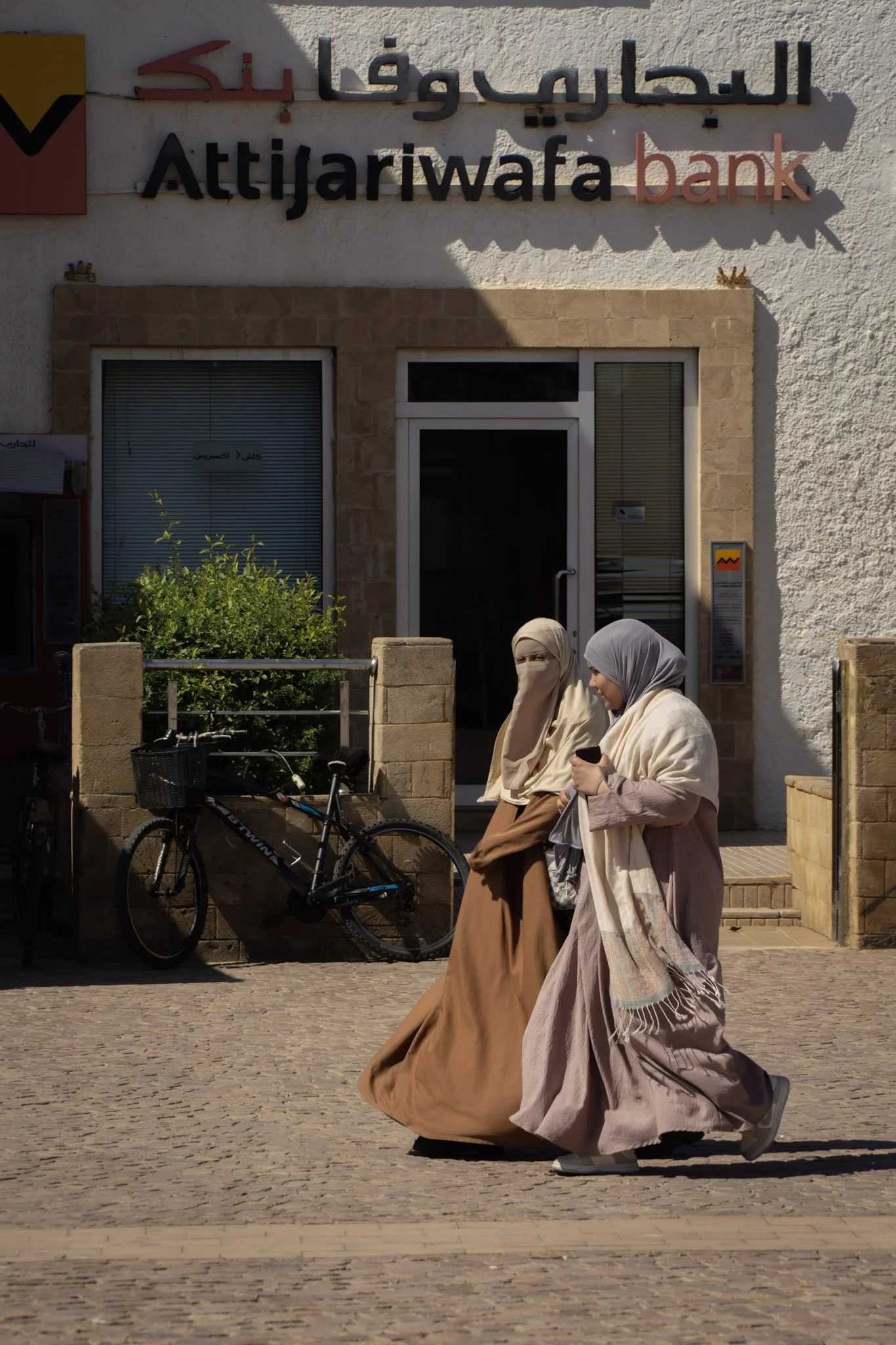
You don’t necessarily need to dress like a local, but dressing modestly, including covered shoulders, longer skirts or pants and looser clothing is not only recommended but the most respectful choice. While there, I saw booty shirts a couple times, which is not only inappropriate for the environment, but it also may attract attention you don’t want.
Stay in a Riad
If you are visiting Marrakech, I highly recommend staying in a riad instead of a large hotel.
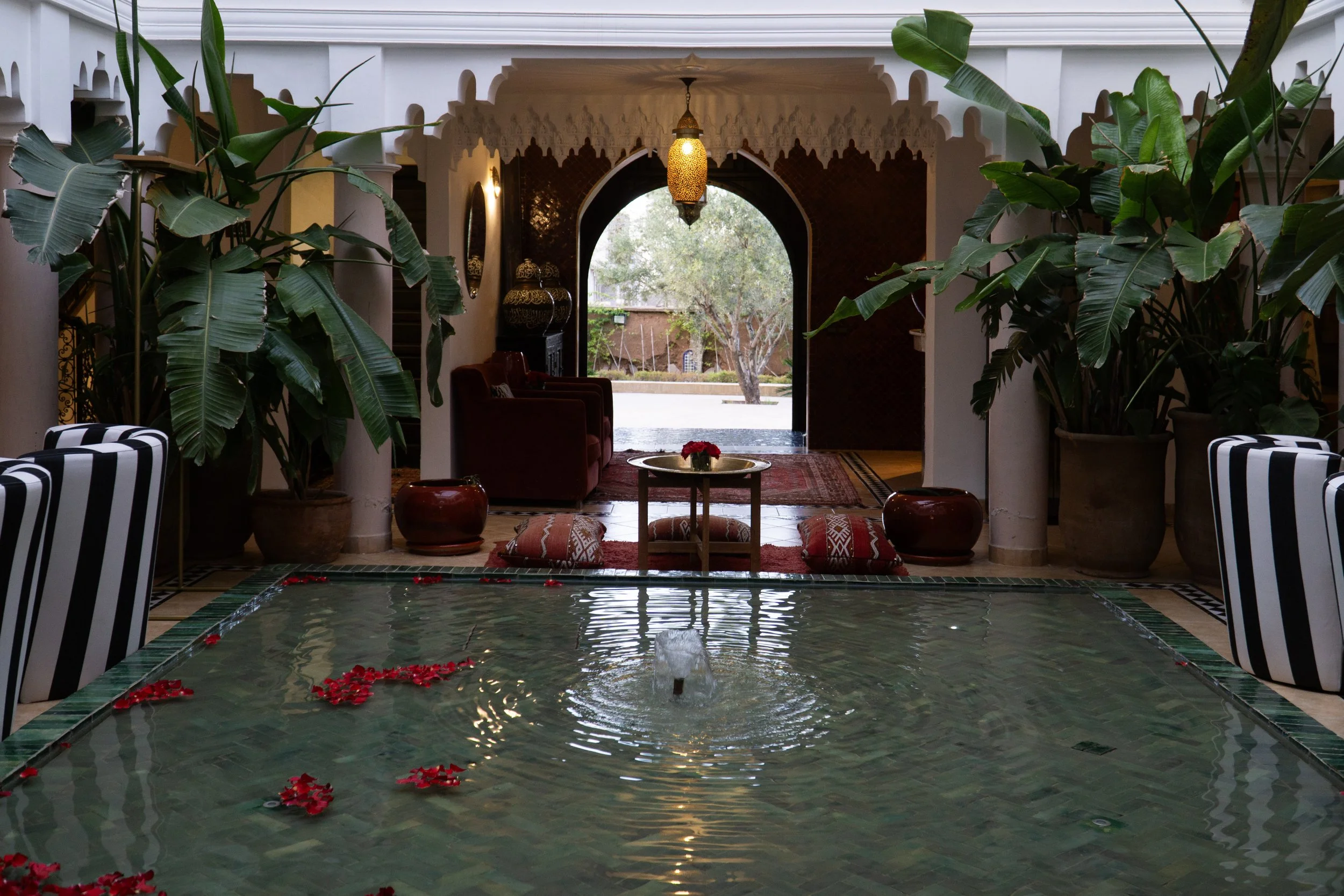
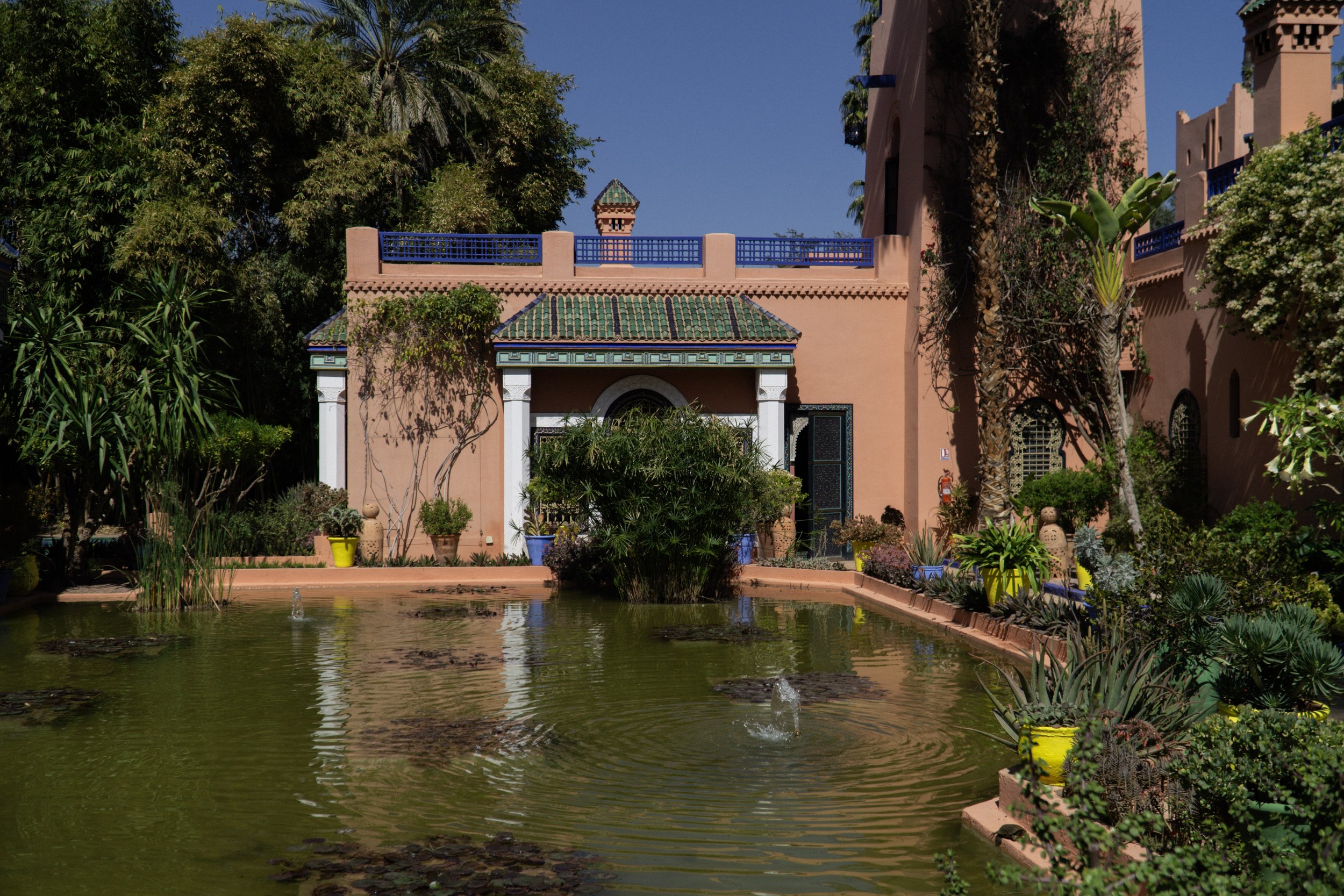
Riads are traditional Moroccan homes built around a central courtyard, which have been converted into small boutique hotels. From the outside, they may look like plain, unremarkable doors on a street, but inside they are beautiful, quiet, and actually quite peaceful.
I stayed in two I can recommend, including:
Médina Charme Riad & Spa in city center inside the medina
Mwasi Healing & Restoration Center, a black owned facility on the outskirts of town
The Medina Is a Beautiful Maze
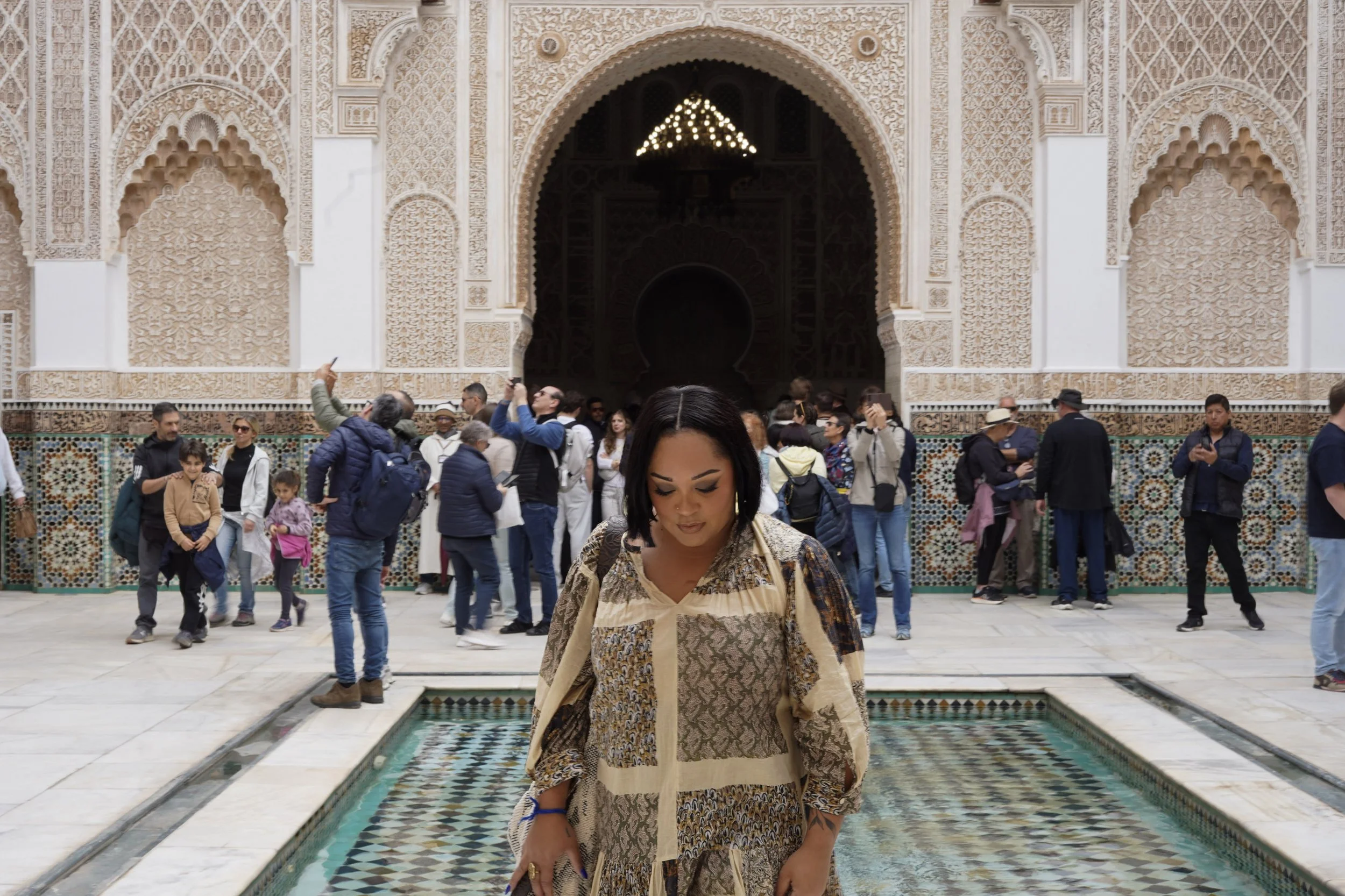
The medina is not organized like a typical city with a grid system. It is an old world creation, now a UNESCO World Heritage Site, that is a collection of narrow streets and alleyways, and you could possibly get lost at least once, which would be totally normal.
A few tips:
Download offline Google Maps
Ask your riad for a landmark near your street; for example, staying in the Kasbah neighborhood, your landmark would be the Saadian Tombs, Kasbah Cafe, or La Sultana Hotel
Look for main roads and gates like Bab Agnaou to orient yourself
Learn your route to and from your riad as soon as you possibly can
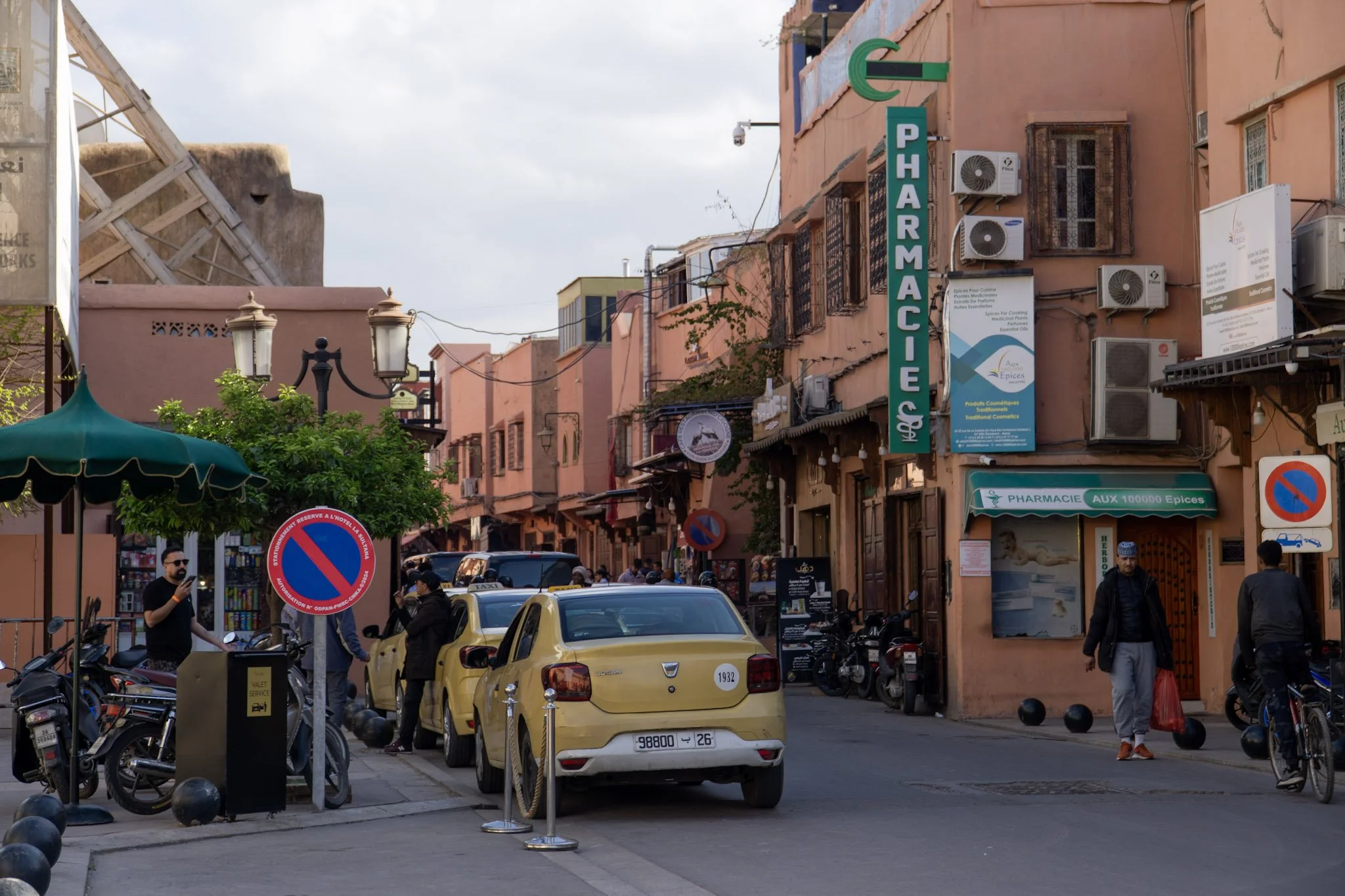
Taxis and Getting Around
You will most likely use a mix of walking and taxis in Marrakech.
Here’s what’s important to know:
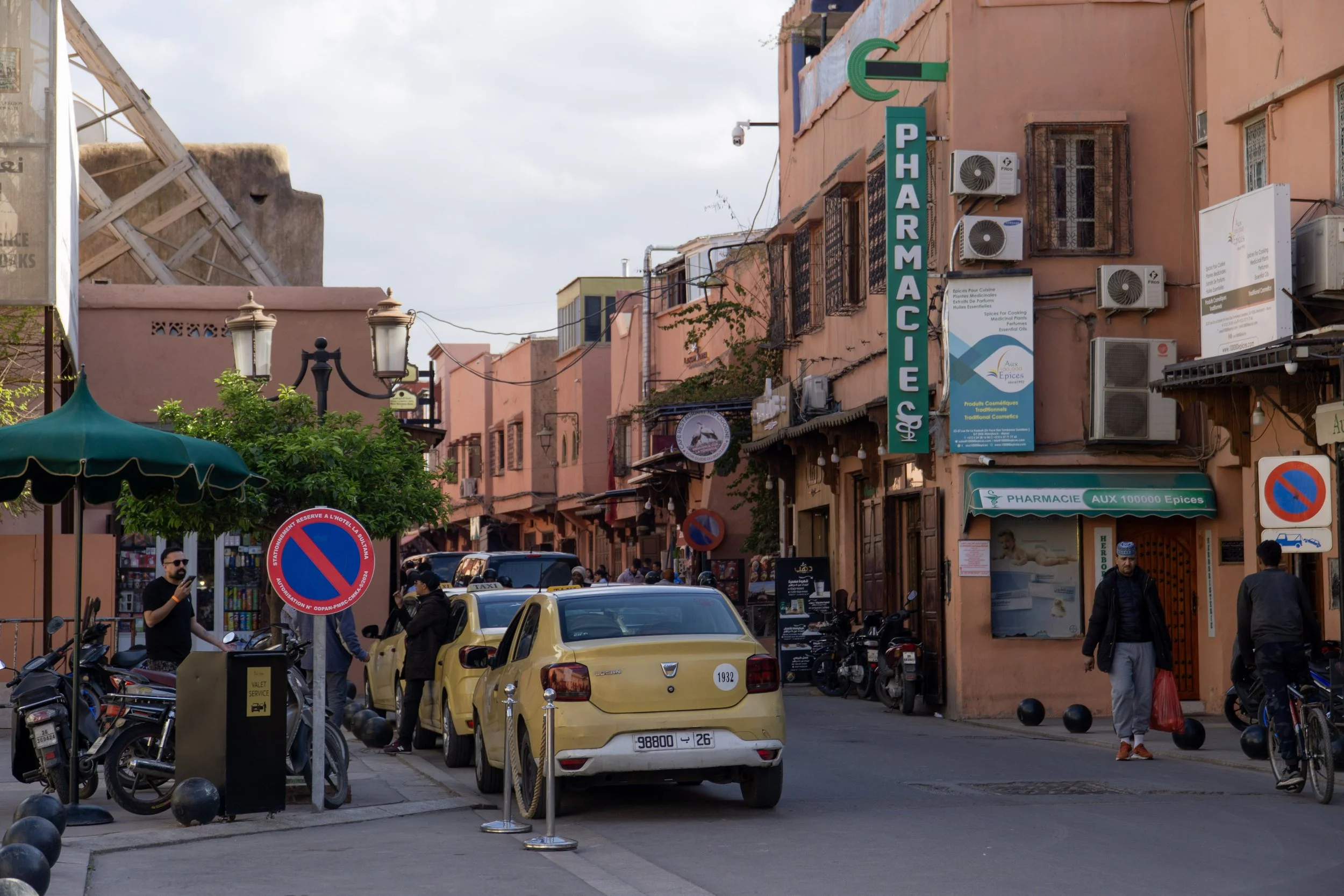
The taxis you’ll want to take are the petit taxis, or small taxis, that are yellow. You can’t miss them.
Many streets in the medina are not accessible by car
You may need to walk to a main road to catch a taxi or use a landmark like I mentioned earlier
Depending on where you’re going and what time, it might help to have your riad call a taxi for you; some taxi drivers will also offer their WhatsApp contact so you can text them directly for dropoffs and pickups.
Taxis are relatively inexpensive compared to the U.S. and you shouldn’t be paying anymore than $10 (100MAD) $15 (150MAD) to get anywhere in city center. During busy hours or in route to common, high traffic tourist sites, they may charge $20(200MAD).
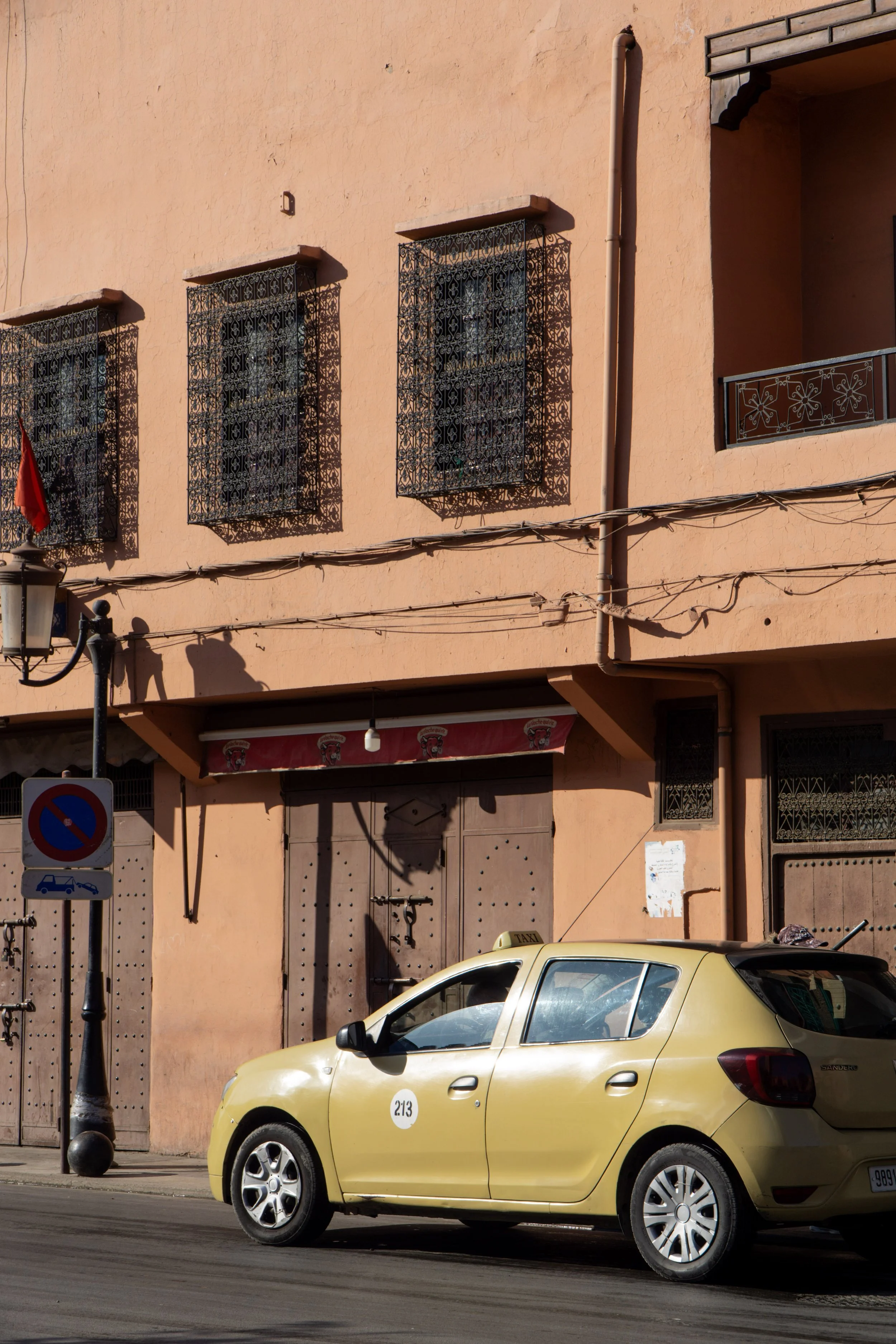
Guided Tours Are Worth It (Especially at First)
You can certainly explore Marrakech on your own, but I found that booking a guided tour the very first day helped me have more confidence moving around the rest of my time there. Having a guide certainly makes a difference for the souks, historical sites and cultural background and context, and finding places you would never find on your own. It also made the experience much less stressful in very busy areas.
One of my biggest tips for hiring a guide is that when you are accompanied by one, you get to skip the line at many of the tourist attractions like Dar El Bacha Museum, Madrasa Ben Youssef, and Bahia Palace. When you might have waiting an hour to get in, going with a tour guide ensures you don’t have to wait at all. For someone like me who doesn’t love lines, this was one of my best discoveries in Marrakech.
It’s a Sensory Experience
I’m not going to lie, every evening when I returned to my riad, I was worn out. One thing Marrakech is not is a passive destination. It can be very loud, colorful, crowded, fragrant, and constantly moving. That’s also what makes it memorable, though, and most travelers know this when they sign up for a trip there. If you arrive prepared after reading a guide like this, then the goal is to just be flexible and patient enough to truly enjoy your trip.

I had never used an eSIM before this trip. I always just paid whatever my carrier charged. This time I went with Airalo's 7-day unlimited plan for Morocco, and it held up perfectly across Marrakech, Essaouira, and the Atlas Mountains. Here's exactly what I bought, how setup went, and what it actually cost me, top-up included.