
Visiting Morocco During Ramadan: What to Expect as a Traveler
You don’t necessarily have to plan your entire trip to Morocco around Ramadan, but it is something you should consider and be prepared for. If you’ve never been and don’t know the normal rhythm of things, then it may not necessarily make a difference to you, but it’s important to know that everything slows down, and as a visitor, all you have to do is pay attention, be flexible, and be respectful. Morocco is very used to tourists, so you’re not expected to follow every Islamic practice, but there are a few things worth knowing so you can have a smooth experience.
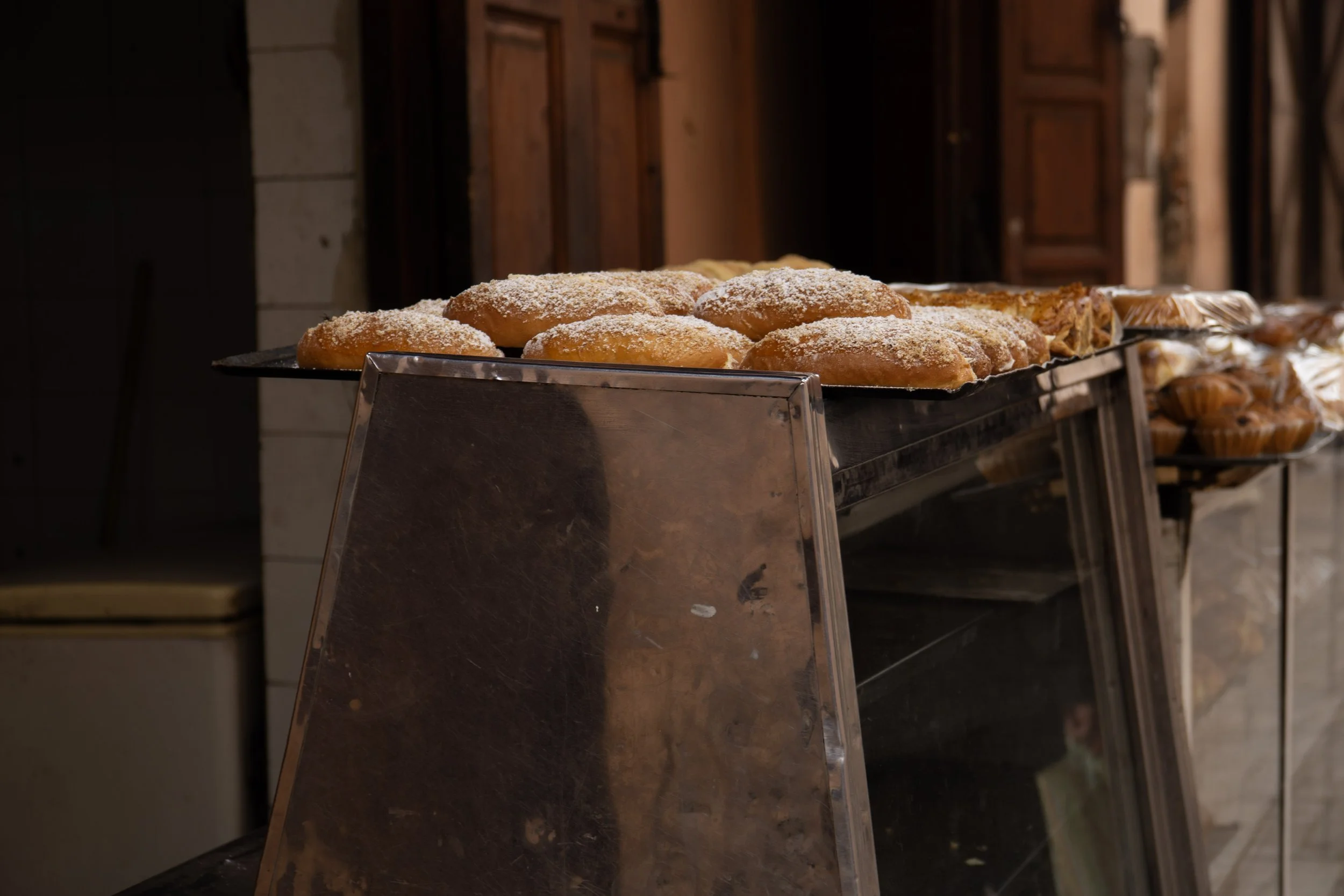
Expect a Different Daily Flow
Ramadan changes the flow of the day because there are no midday meals and prayer is central to this time. Mornings are very early, afternoons can be quiet, and the energy of the city builds toward sunset.
Many restaurants, shops, and cafes open later than usual, and this is important to know because these adjusted times may not be reflected on Google. Some places may close in the afternoon and reopen after iftar, and during this time, nights are more active than days.
For any tour you’re interested in or any restaurant you may want to try, make sure to check individual websites for adjusted times and any updates for late openings or closings.
I was able to still hit all of the major things on my itinerary, but it was helpful to do some research beforehand and make online reservations directly from websites whenever I could.
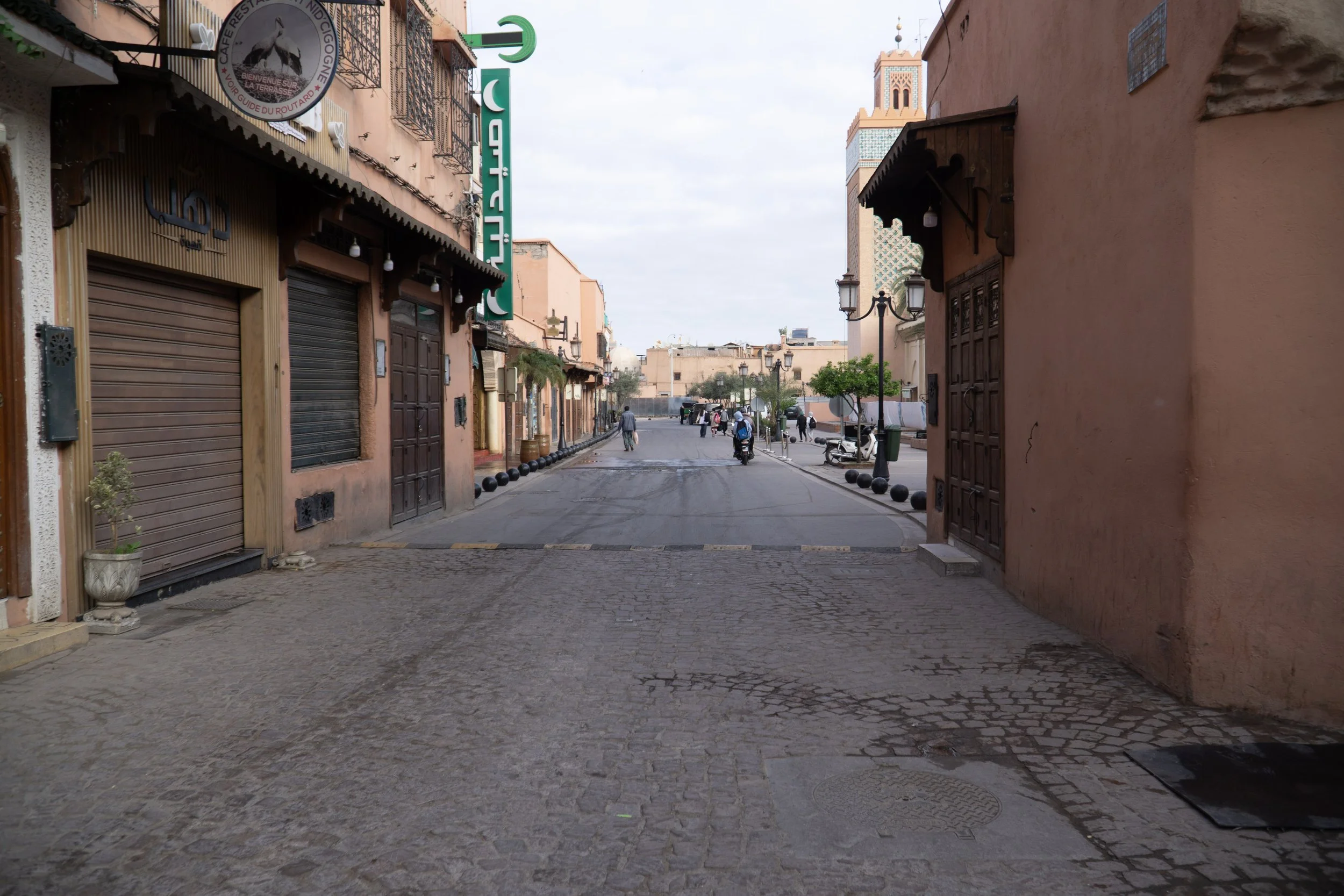
Plan Around Suhoor and Iftar
In terms of eating, there are two important moments to know:
Suhoor is the pre-dawn meal that is very early, often before sunrise. If you are staying in a riad that serves breakfast, they will likely want to serve you very early. If you let them know you want to sleep in, though, they are accommodating.
Iftar is the meal to break the fast at sunset, and this is the one you may want to give extra consideration to, as restaurant reservations fill up quickly, taxi prices may go up slightly, and there can be heavy traffic around this time. Right before sunset, you’ll notice that the streets getting busier, people are heading home quickly, and there is a noticeable pause as the fast is broken.
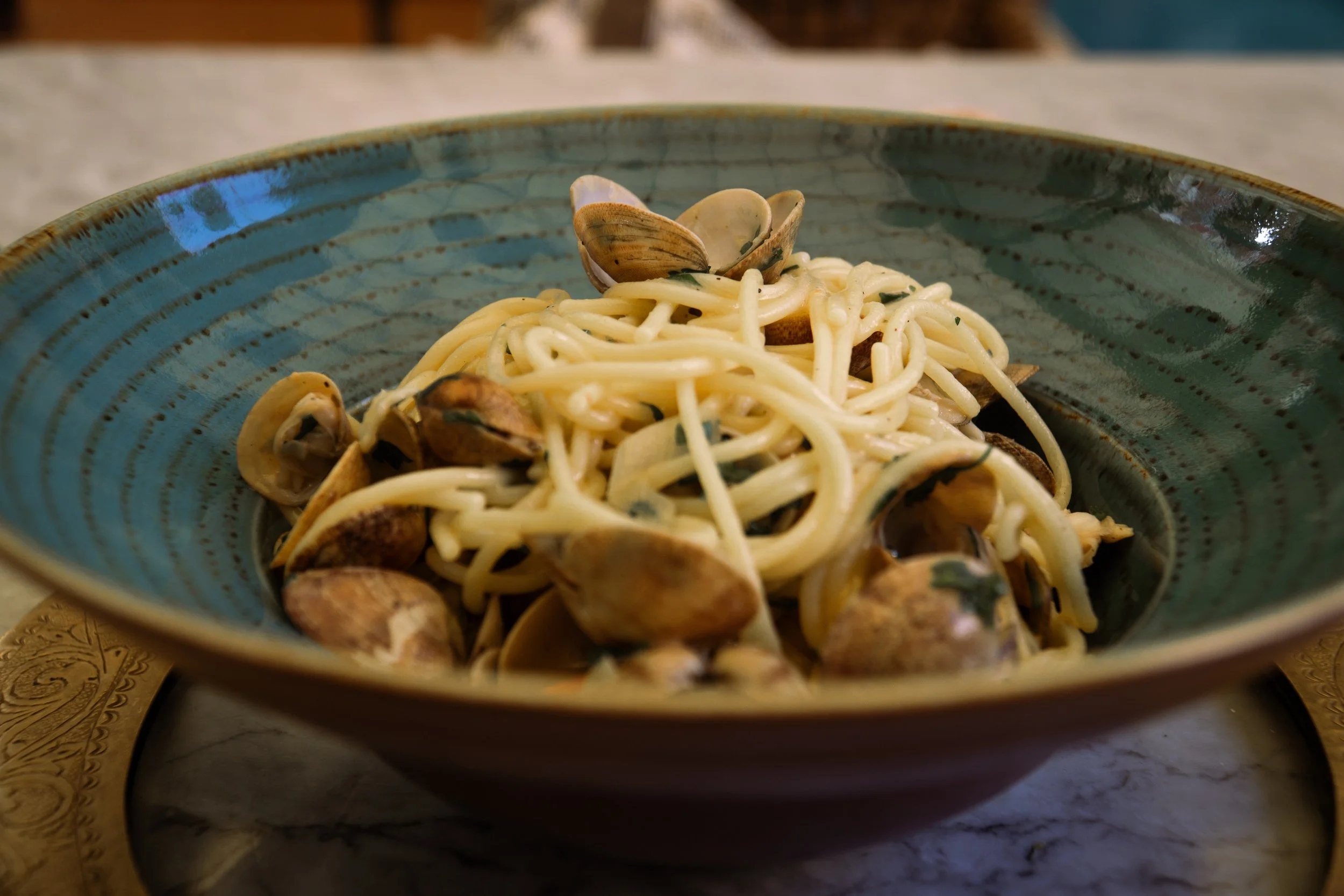
If you can, experience iftar intentionally at your riad or a restaurant offering a set menu. It’s one of the most meaningful and communal parts of being there during Ramadan.
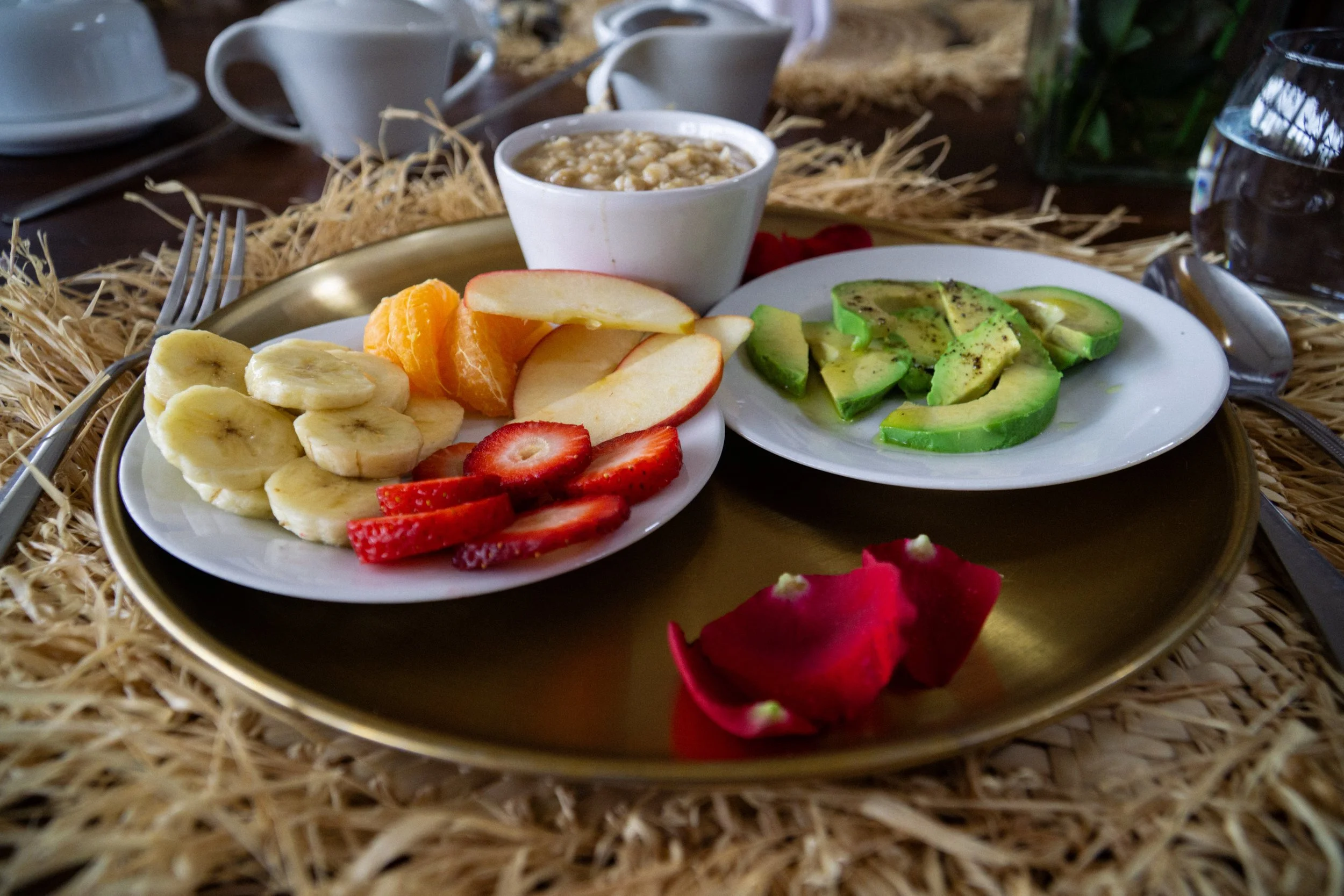
Eating as a Non-Muslim Traveler
You can eat during the day, but me mindful of how you do it.
Some restaurants will still serve food, especially in tourist areas, and it’s okay to sit down and dine here.
It’s okay to eat, especially if you get hungry and need to snack during the day, but I would avoid doing it in a way that feels overly visible or inconsiderate.
Be mindful in quieter, more local neighborhoods.
Also, you won’t see pork, as it’s not part of the cuisine, and that doesn’t change during Ramadan.
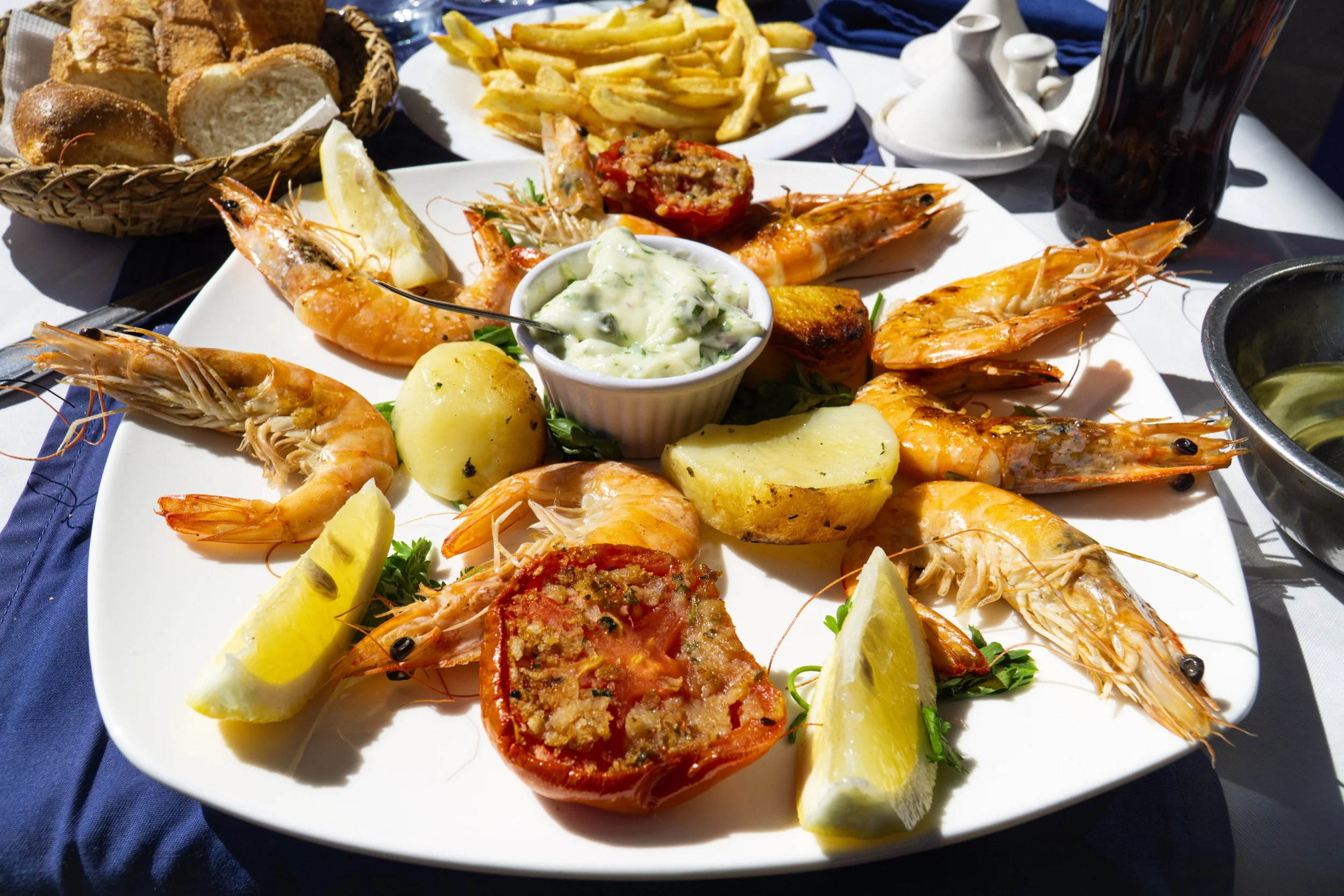
Be Mindful of Energy Levels
Fasting from sunrise to sunset means no food or water during the day. People are still working, moving around, and helping you as a tourist, but they are doing it while fasting.
Expect a slower pace in service at times.
Be patient and kind when you interact with people.
Try not to be overly demanding, especially late in the day.
A little awareness and consideration goes a long way here.
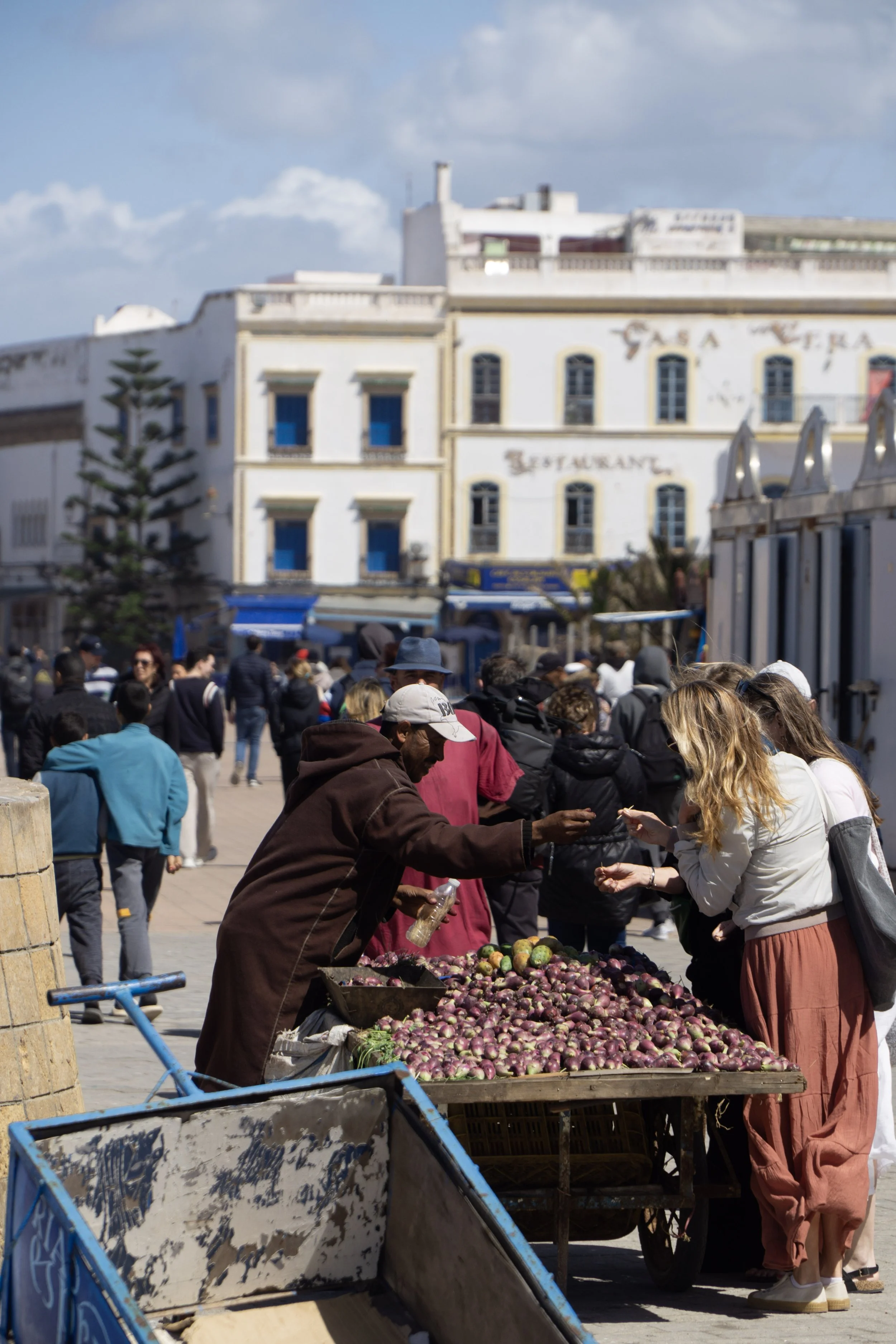
Respect Prayer Times and Sacred Spaces
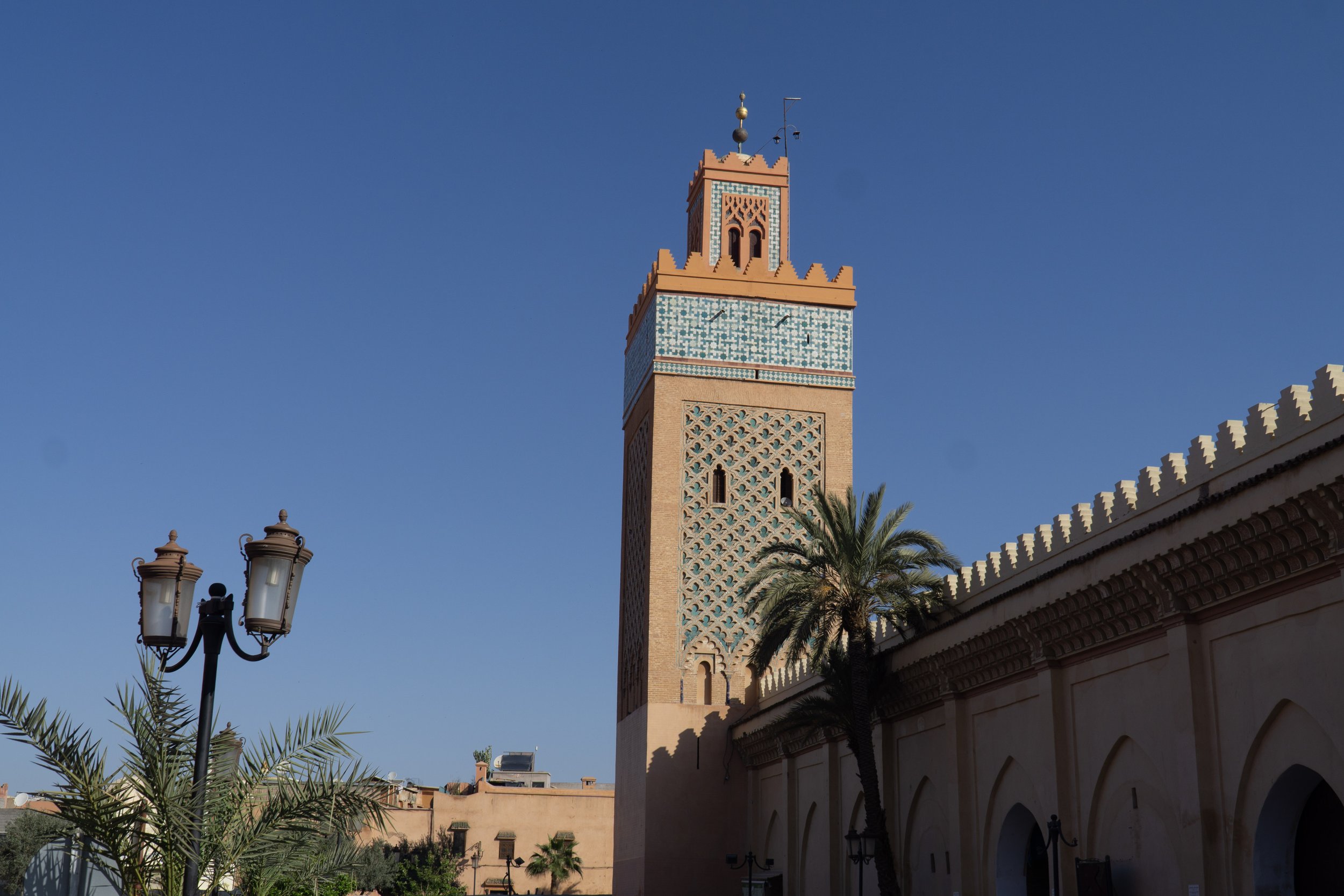
You’ll see people stepping away to pray or heading into mosques, especially throughout the day and around sunset. Sometimes you may even see them street side kneeling in prayer.
Don’t ever interrupt someone who is praying.
Keep your voice low near mosques and people who are praying.
Avoid taking photos of people during prayer.
This is not a very complicated thing to consider, just read the room.
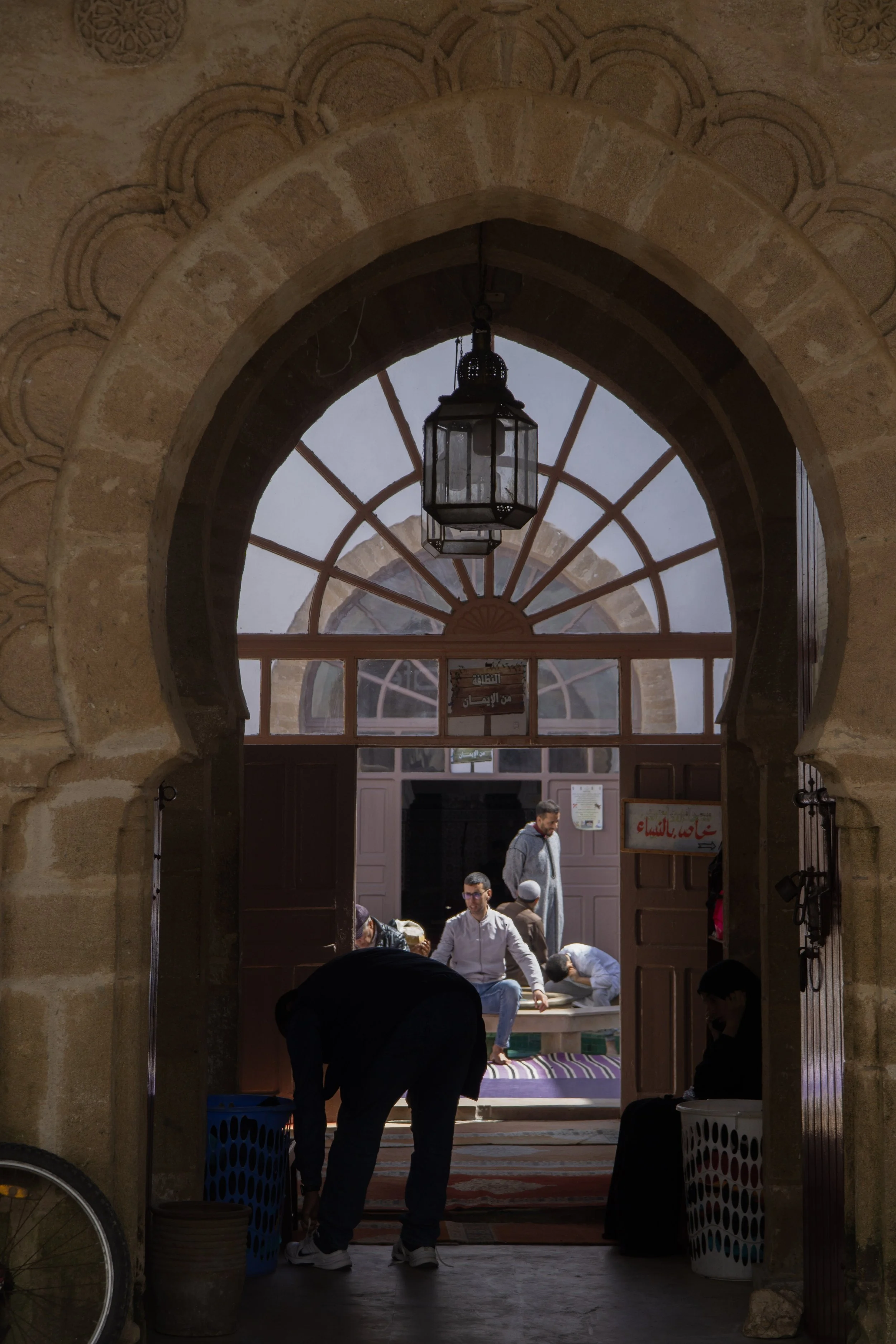
Cleanliness Matters
This is a small detail, but it’s still important and something you should consider wherever you are, not just in Morocco during Ramadan. Cleanliness is and should be part of daily practice.
Wash or sanitize your hands before eating. Sometimes they actually will bring you a steaming towel infused with essential oils to clean your hands. Please take the towel and use it.
If you’re sharing food (especially at iftar), be mindful and respectful.
Dress Appropriately
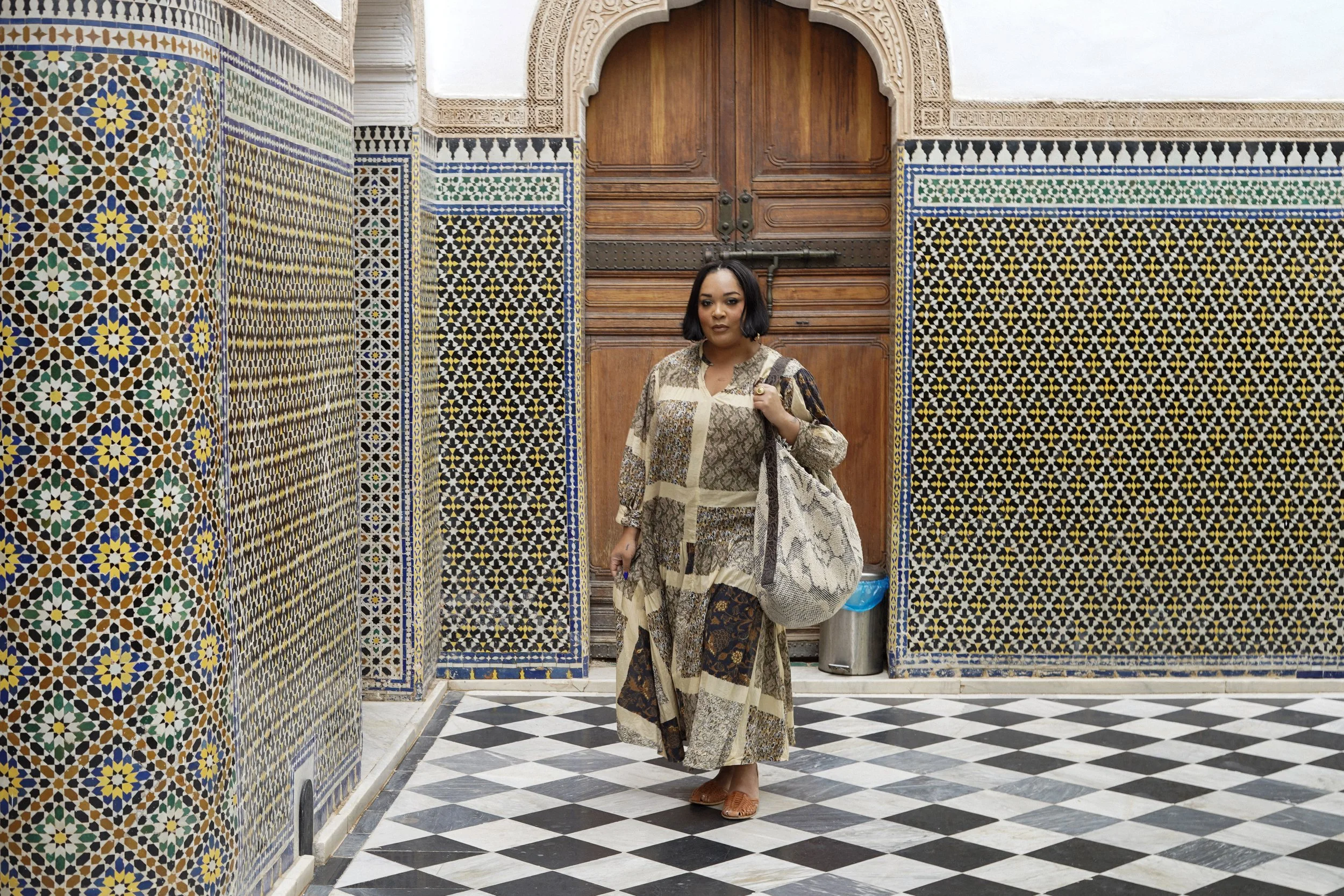
Morocco is generally modest year-round as it is a Muslim country and quite conservative. That expectation can be even more pronounced during Ramadan.
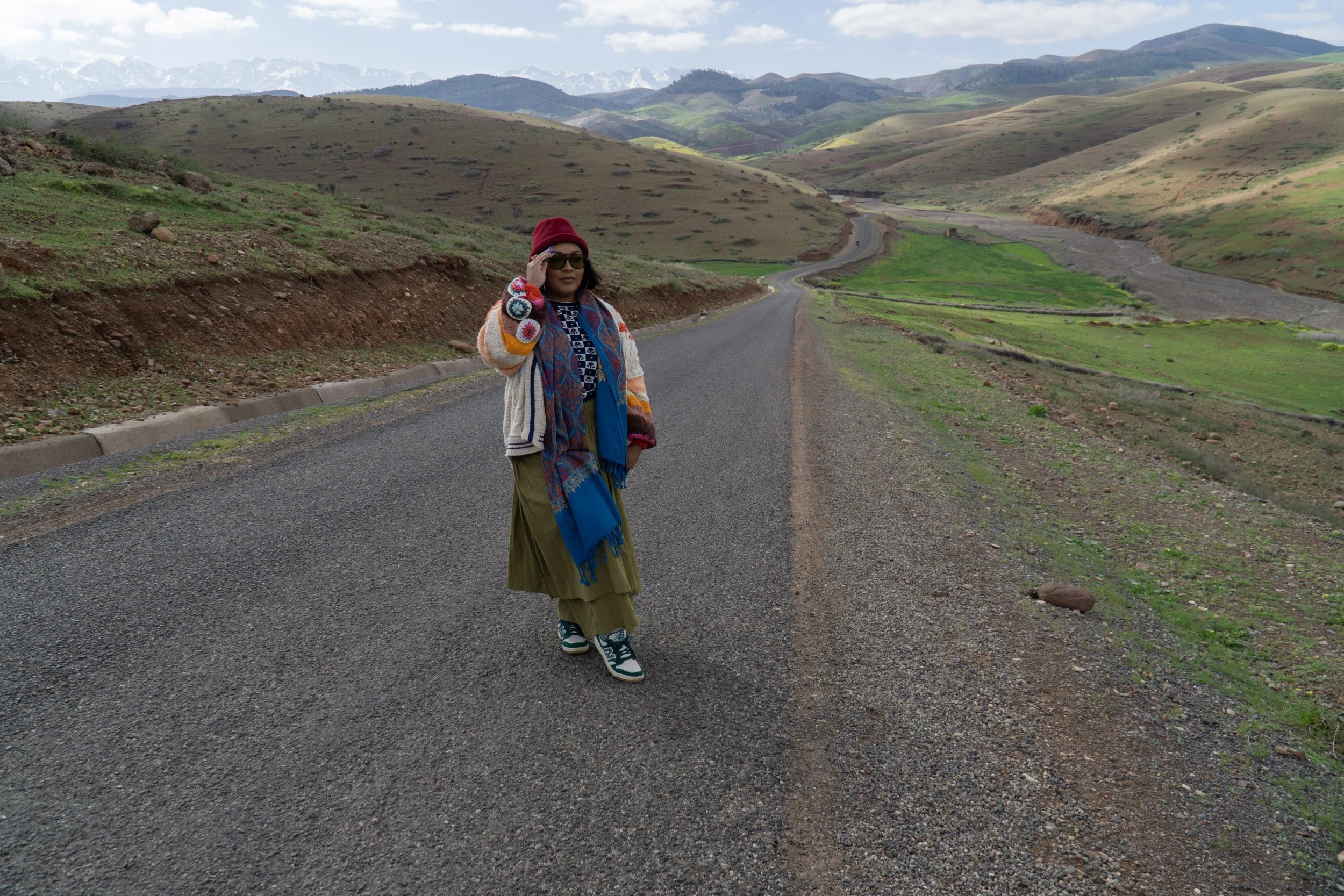
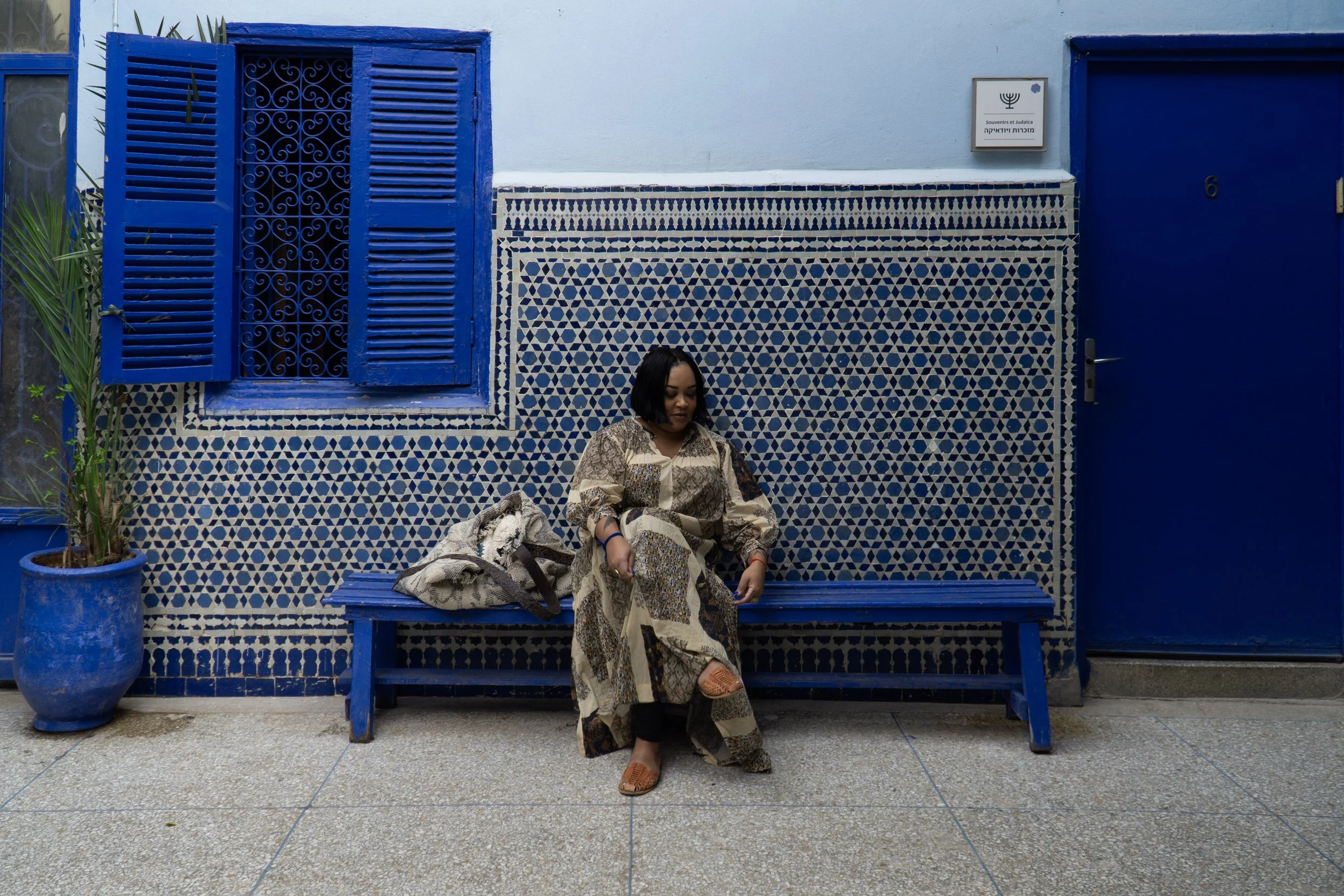
Try to cover your shoulders and wear long pants or lengthier skirts and dresses.
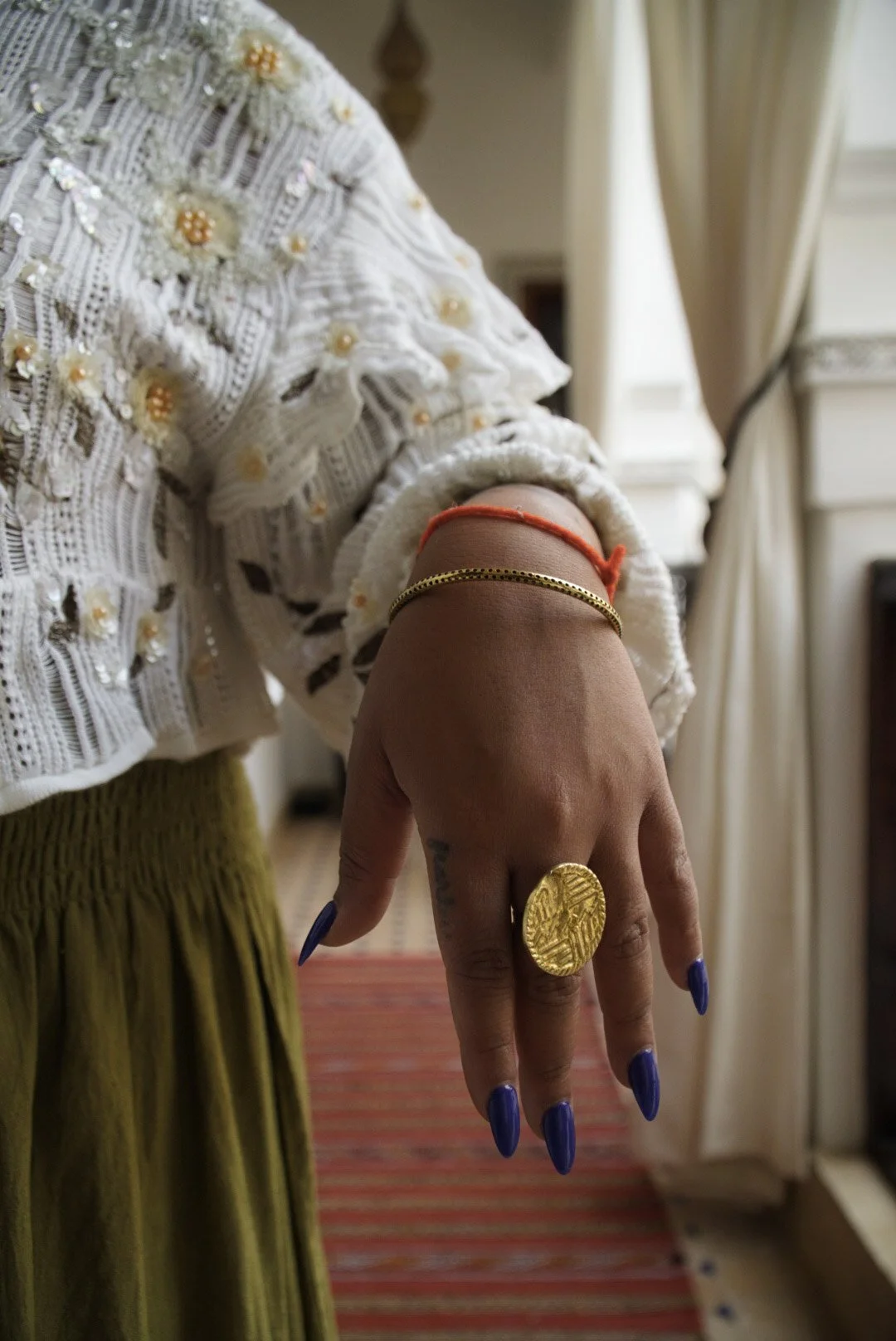
It can get very hot, especially being so covered up, so flowy pieces work best.
You don’t need to be overly conservative, but do try to be thoughtful.
Expect a Shift Around Sunset
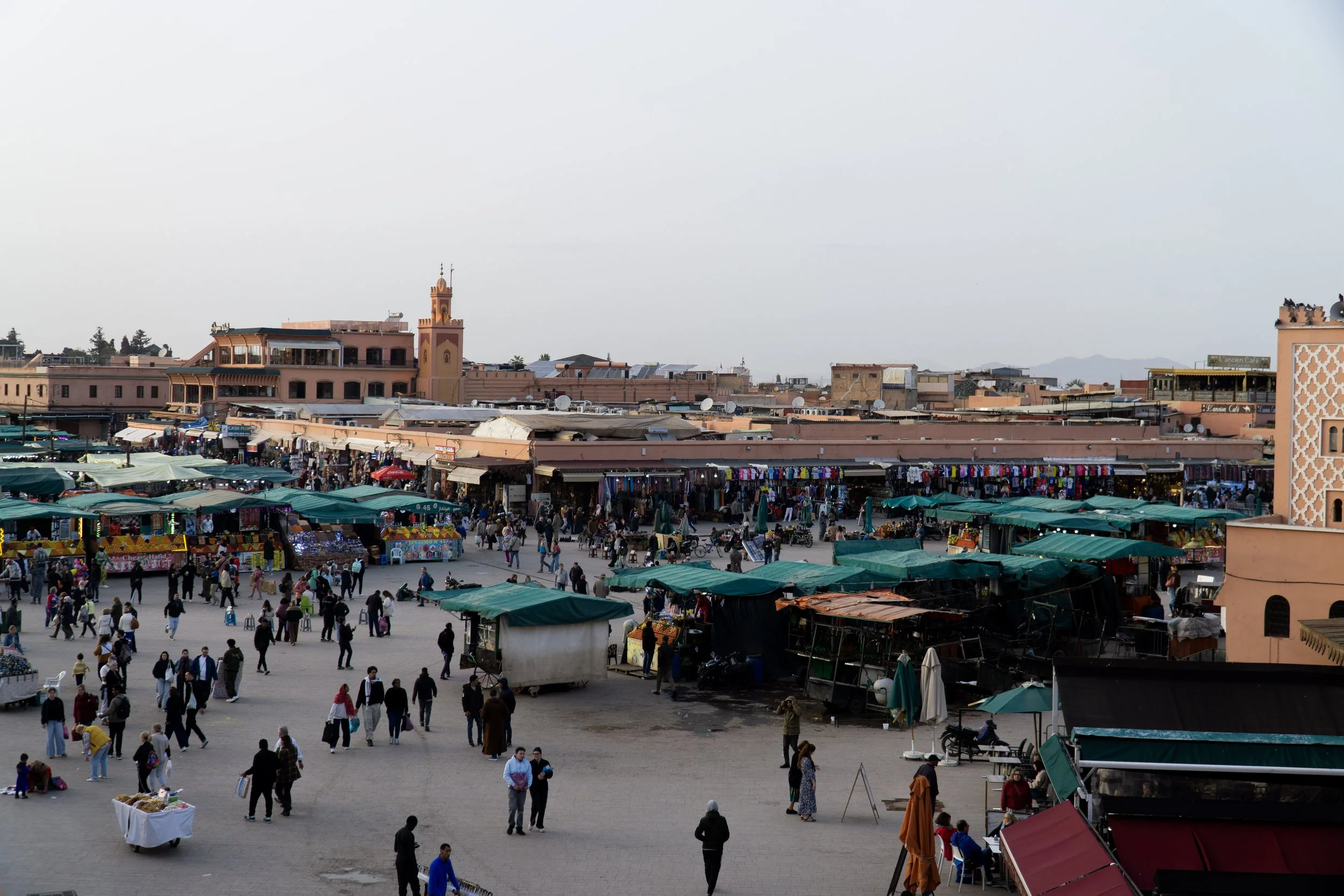
Right before iftar, you will notice that traffic picks up quickly, shops may close abruptly, and there is a felt sense of urgency as people prepare to break their fast. Try not to schedule anything important right at that time. Either be settled somewhere or intentionally heading to iftar, otherwise, you may run into delays, be caught in traffic, or just experience more resistance moving around.
The Overall Experience
Visiting Morocco during Ramadan actually isn’t restrictive at all, you just need to be aware. You’re entering the country in a time that is very meaningful for the people around you, and the best thing you can do is move with that. If you stay flexible, pay attention to your surroundings, and be kind and respectful, you’ll find that it’s actually a really special time to experience the country.

I had never used an eSIM before this trip. I always just paid whatever my carrier charged. This time I went with Airalo's 7-day unlimited plan for Morocco, and it held up perfectly across Marrakech, Essaouira, and the Atlas Mountains. Here's exactly what I bought, how setup went, and what it actually cost me, top-up included.