
Color, Fashion, and Marrakech: Jardin Majorelle & The YSL Museum
There are a lot of loud moments in Marrakech. The medina is busy, the souks have so much movement and color, and many streets feel like sensory overload at certain times of day. This works overall if you’re prepared for that, but then there’s Jardin Majorelle.
It’s calm and quiet.
The garden and museums feel much slower than most of Marrakech. If you want a more relaxed afternoon that still feels interesting and is culturally connected to the city, this is a good addition to your itinerary.
The experience includes Jardin Majorelle itself, the Berber Museum, and the Yves Saint Laurent Museum, all located within the same area. I ended up spending around 2.5 hours there total, and it was one of the more lowkey things I did during my time in Morocco.
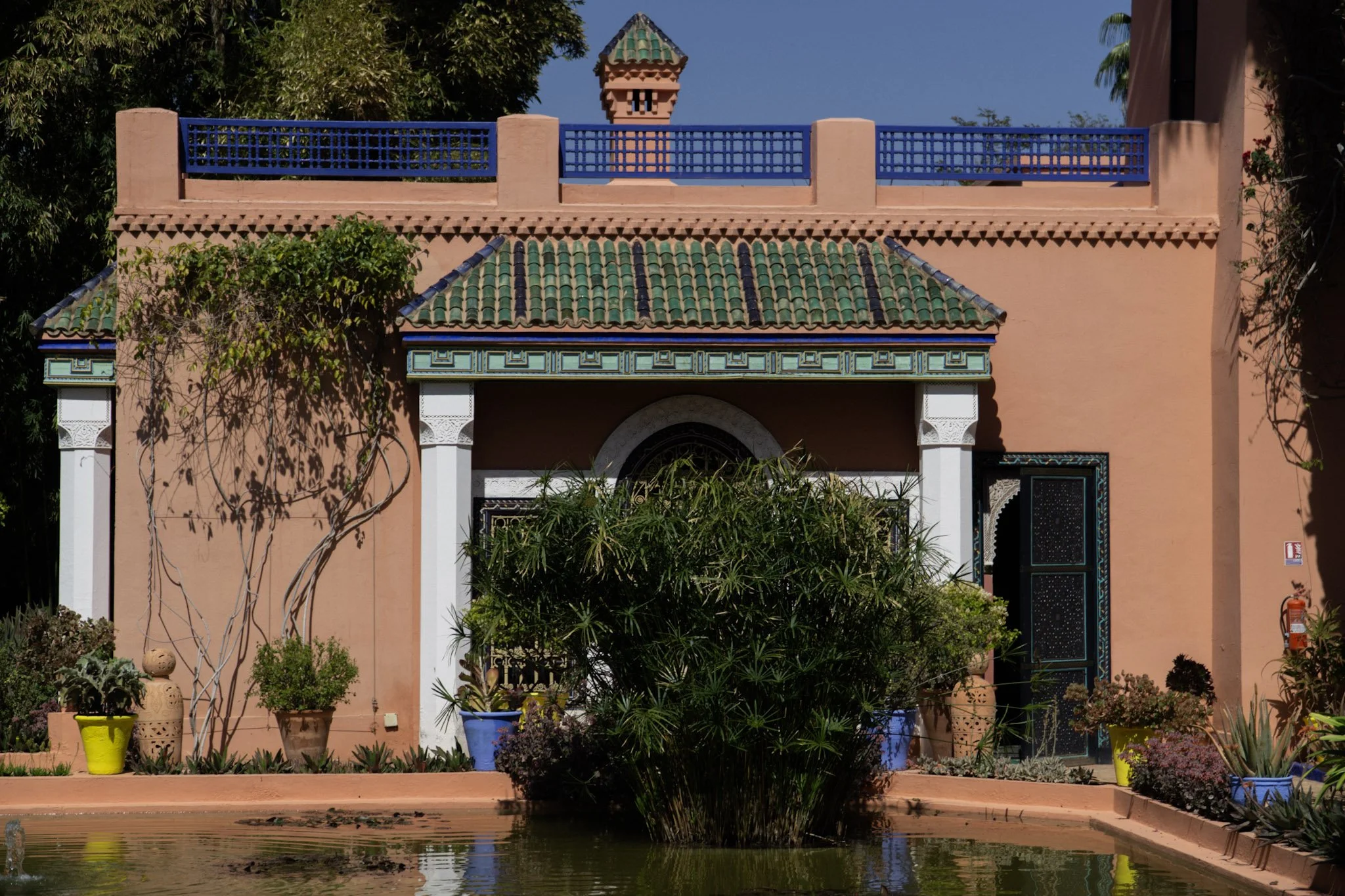
Buy the Combined Ticket in Advance
Logistically, the easiest thing to do is purchase the combined ticket online several days before your trip. The combined ticket includes:
Jardin Majorelle
The Berber Museum
The Yves Saint Laurent Museum
All three are located together or within walking distance of each other, so it makes the most sense to experience them all in one visit. If you purchase the combined ticket, you will have to begin at Jardin Majorelle and go in order.
I bought the combined ticket and was still surprised at how long the line was even with timed-entry tickets. They only let visitors enter in waves, so I recommend arriving at least 45 minutes to an hour before your entry time if you want to end up at the front of the line.
Especially during peak travel seasons, tickets do sell out. Trying to purchase them on your phone while standing outside in the crowd seems like it would be stressful to me, so this is one of those attractions I would plan ahead for.
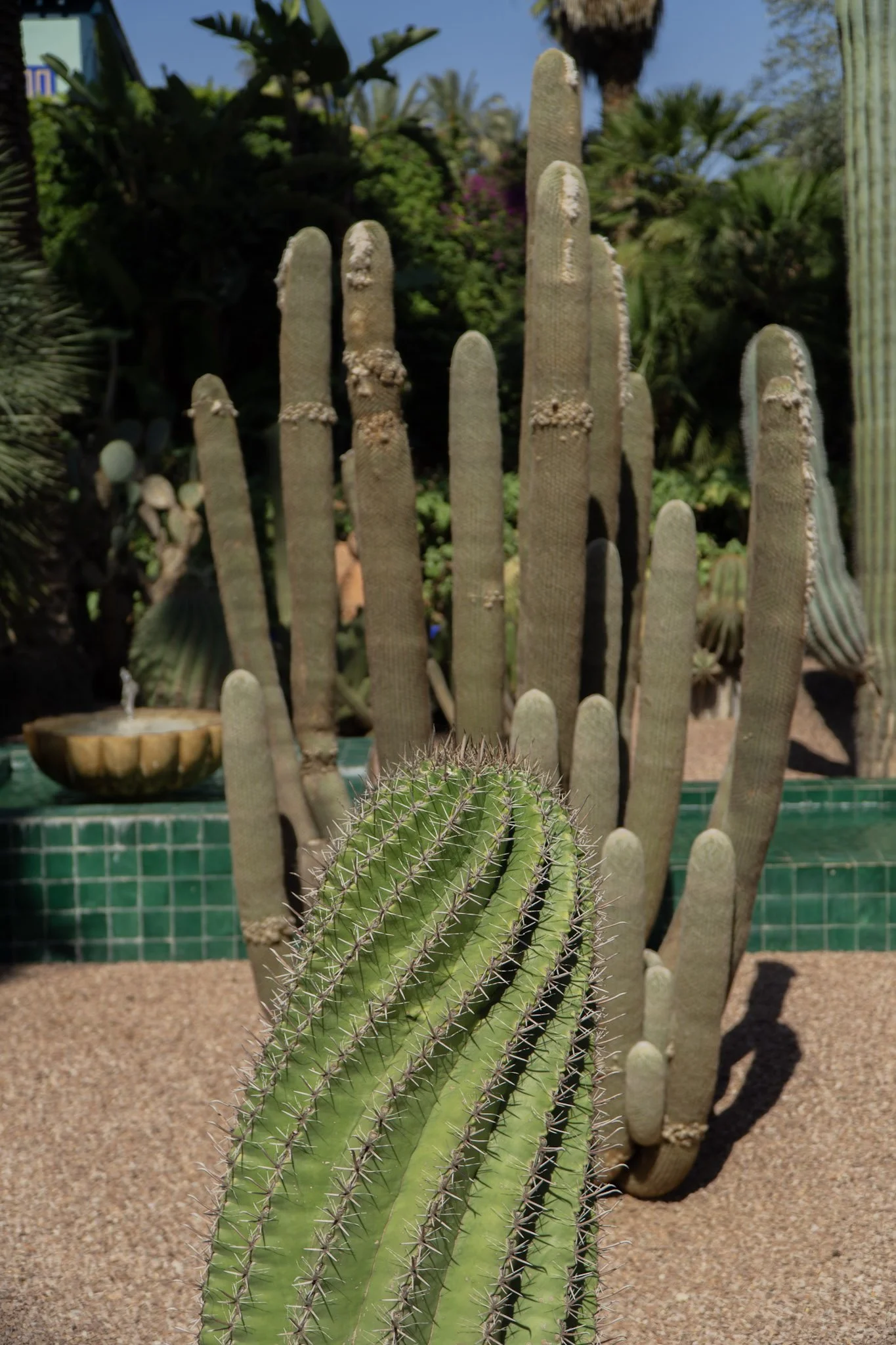
Jardin Majorelle: A Different Side of Marrakech
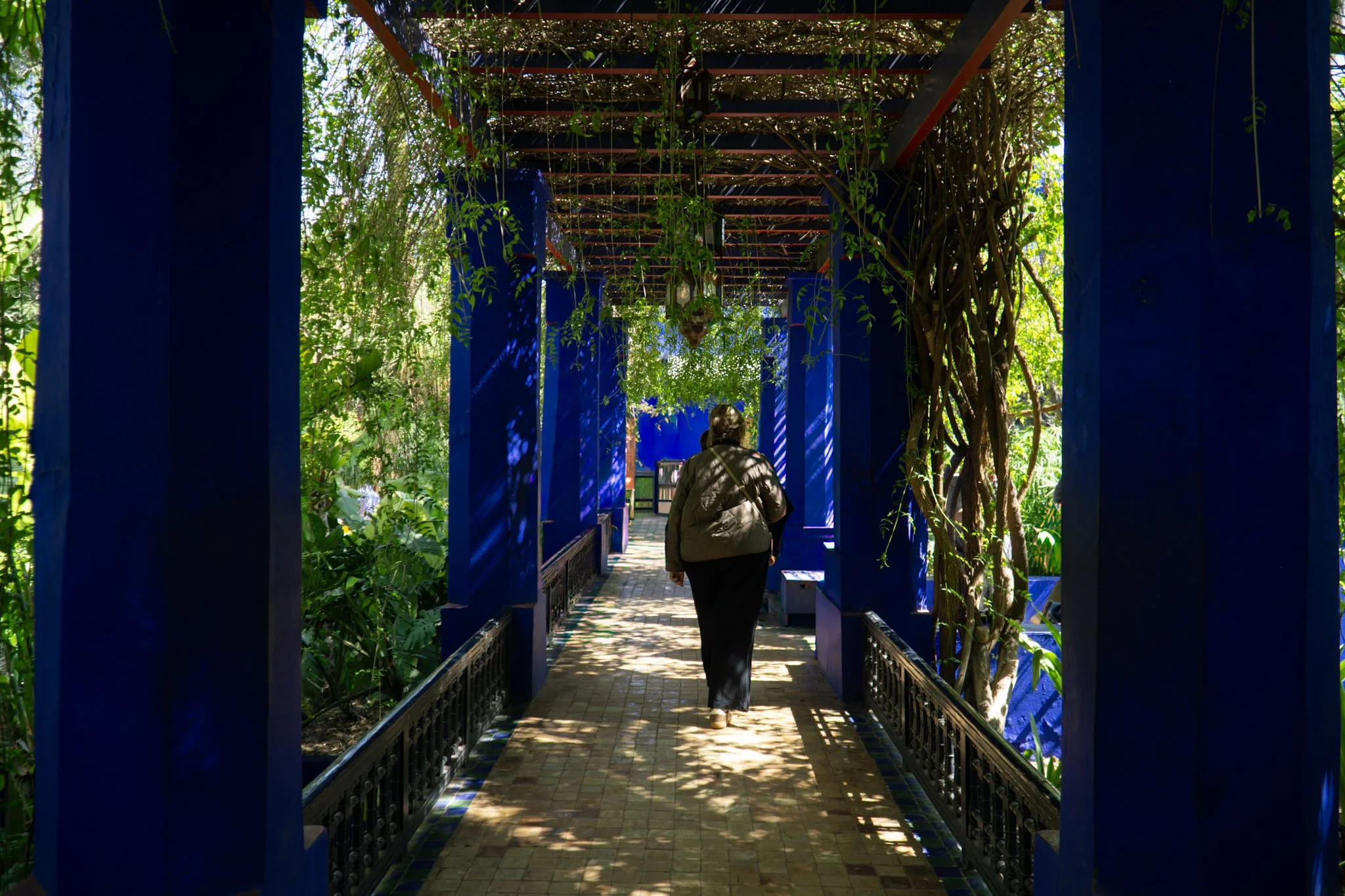
The first thing you notice about Jardin Majorelle is the color.
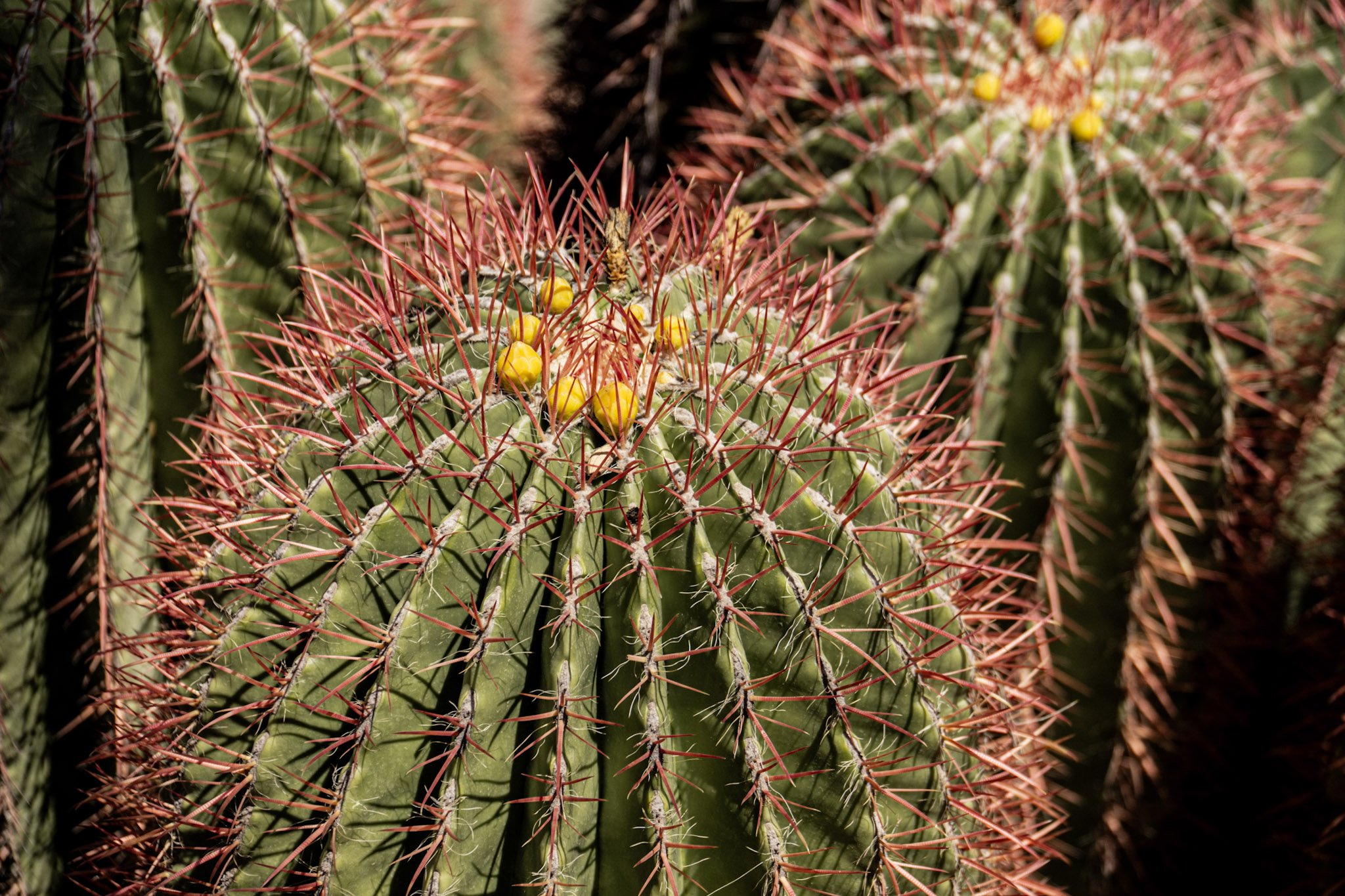
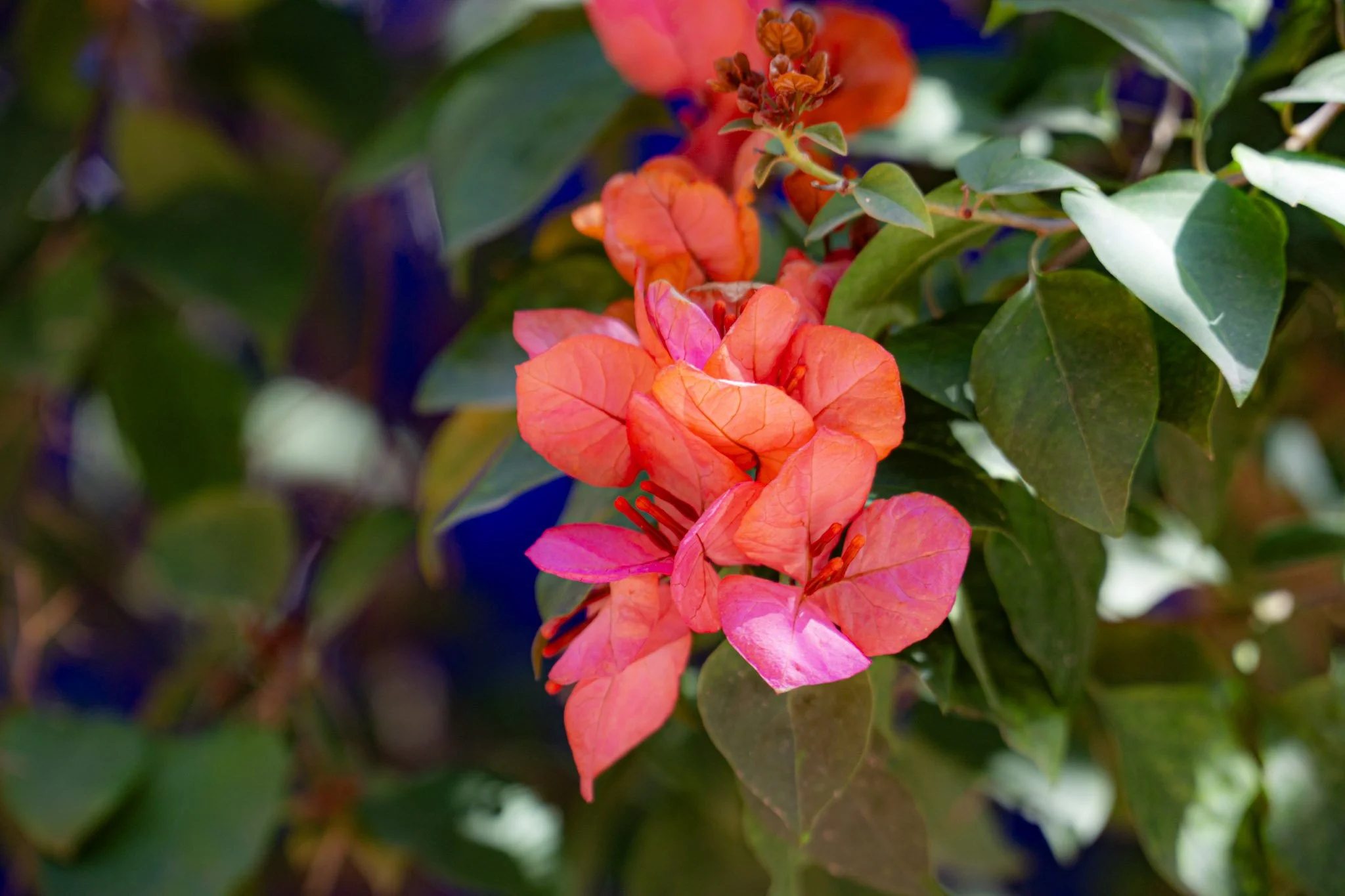
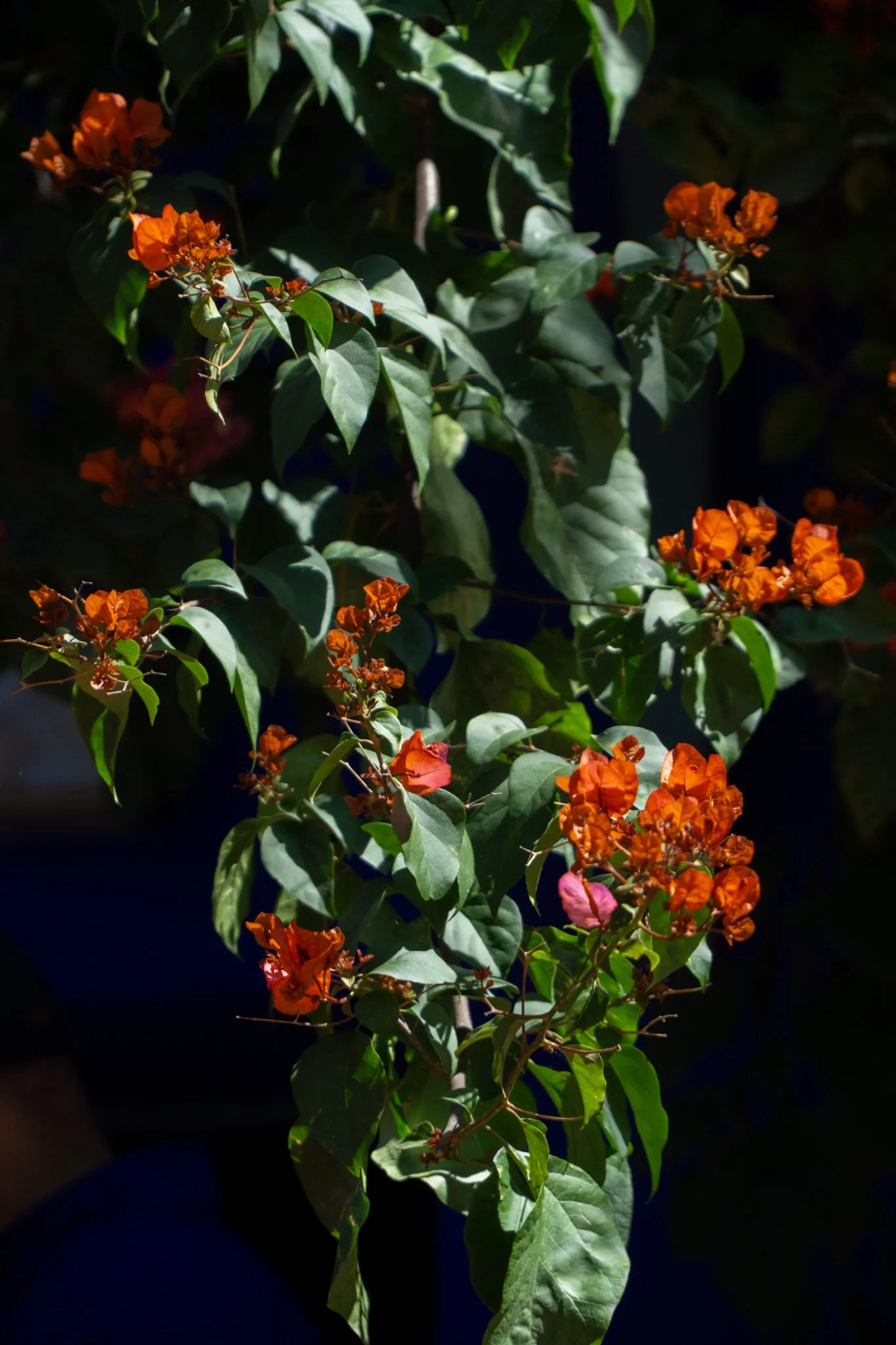
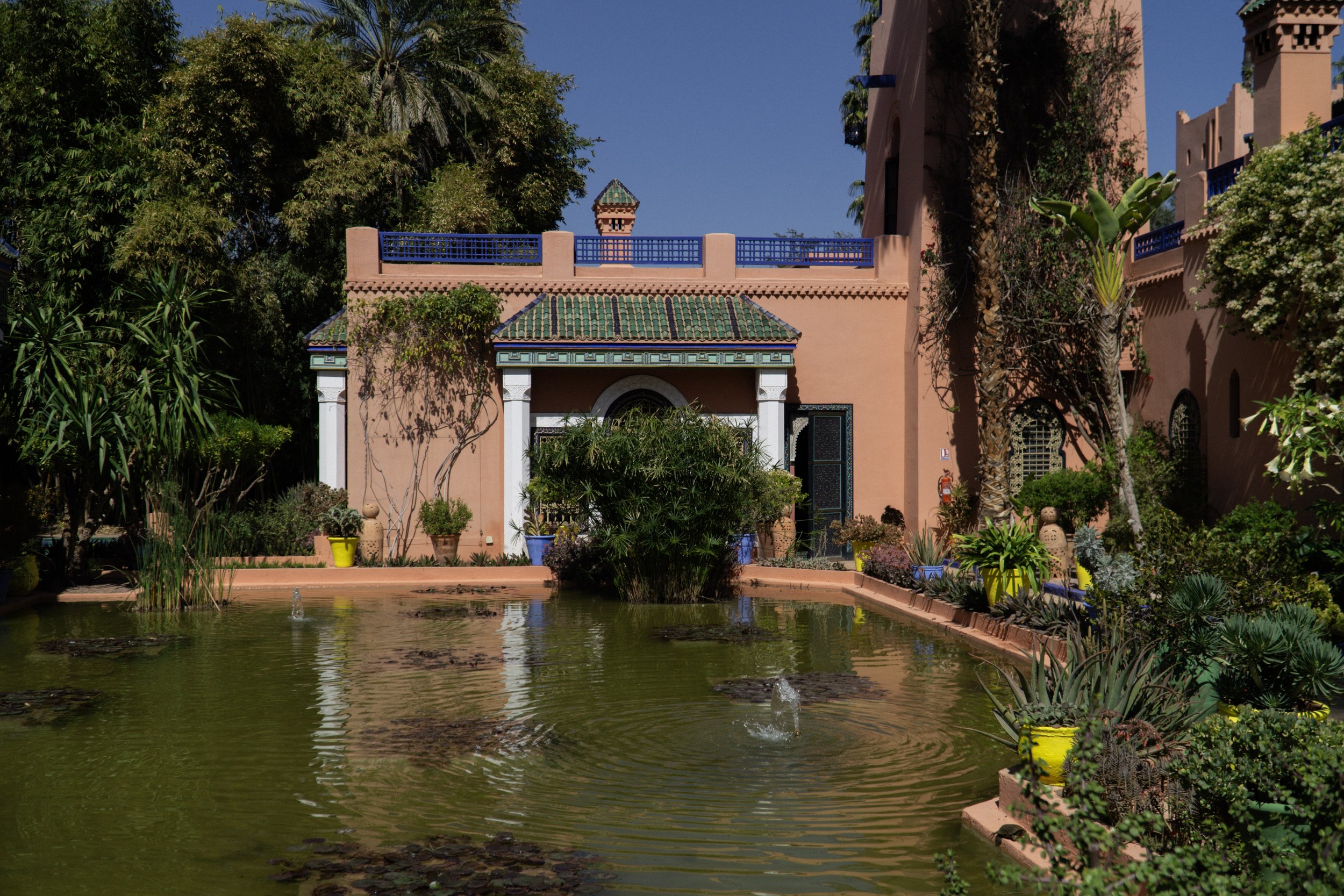
I learned that they love an electric blue in Morocco, and then there are the terracotta tones, plus oranges, yellows and teals that all standout against the greenery. The blue shade is so iconic that it’s called “Majorelle Blue,” named after French artist Jacques Majorelle, who created the garden in the 1920s.
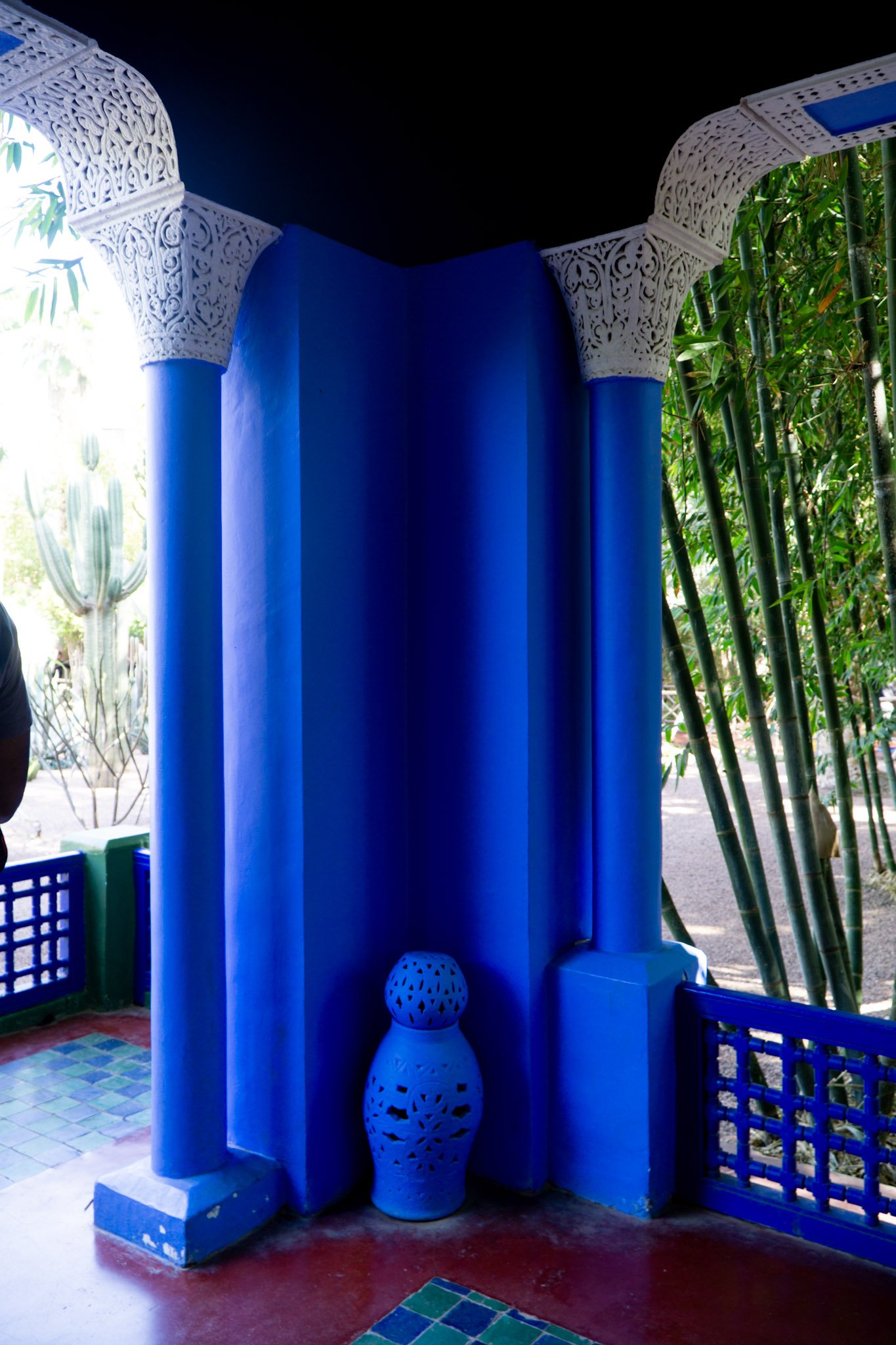
Years later, Yves Saint Laurent and Pierre Bergé helped restore and preserve the property after it had fallen into disrepair, which is a huge part of why the space exists in the form people know today.
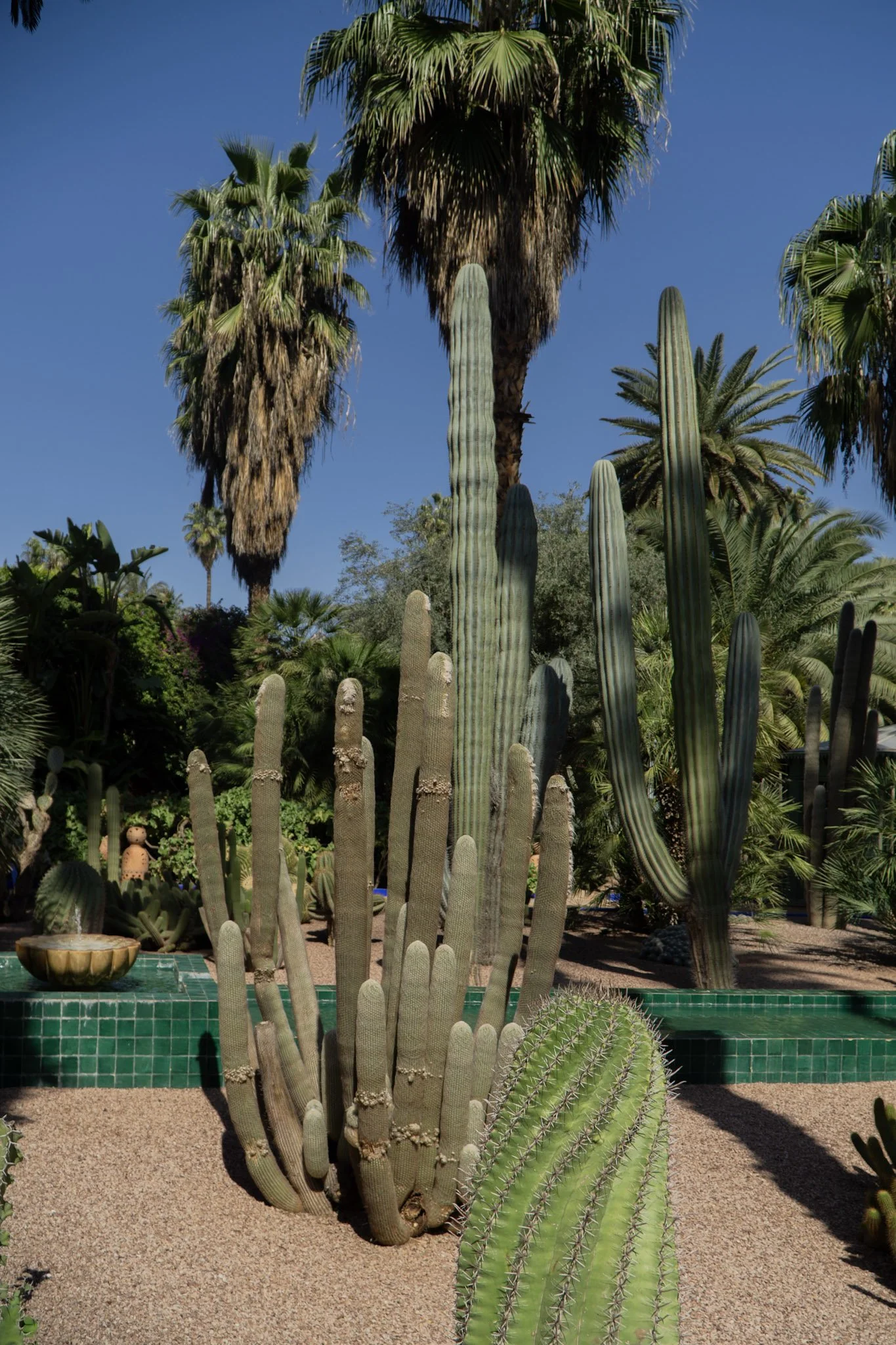
The garden itself is not huge, but that’s part of what makes it enjoyable.
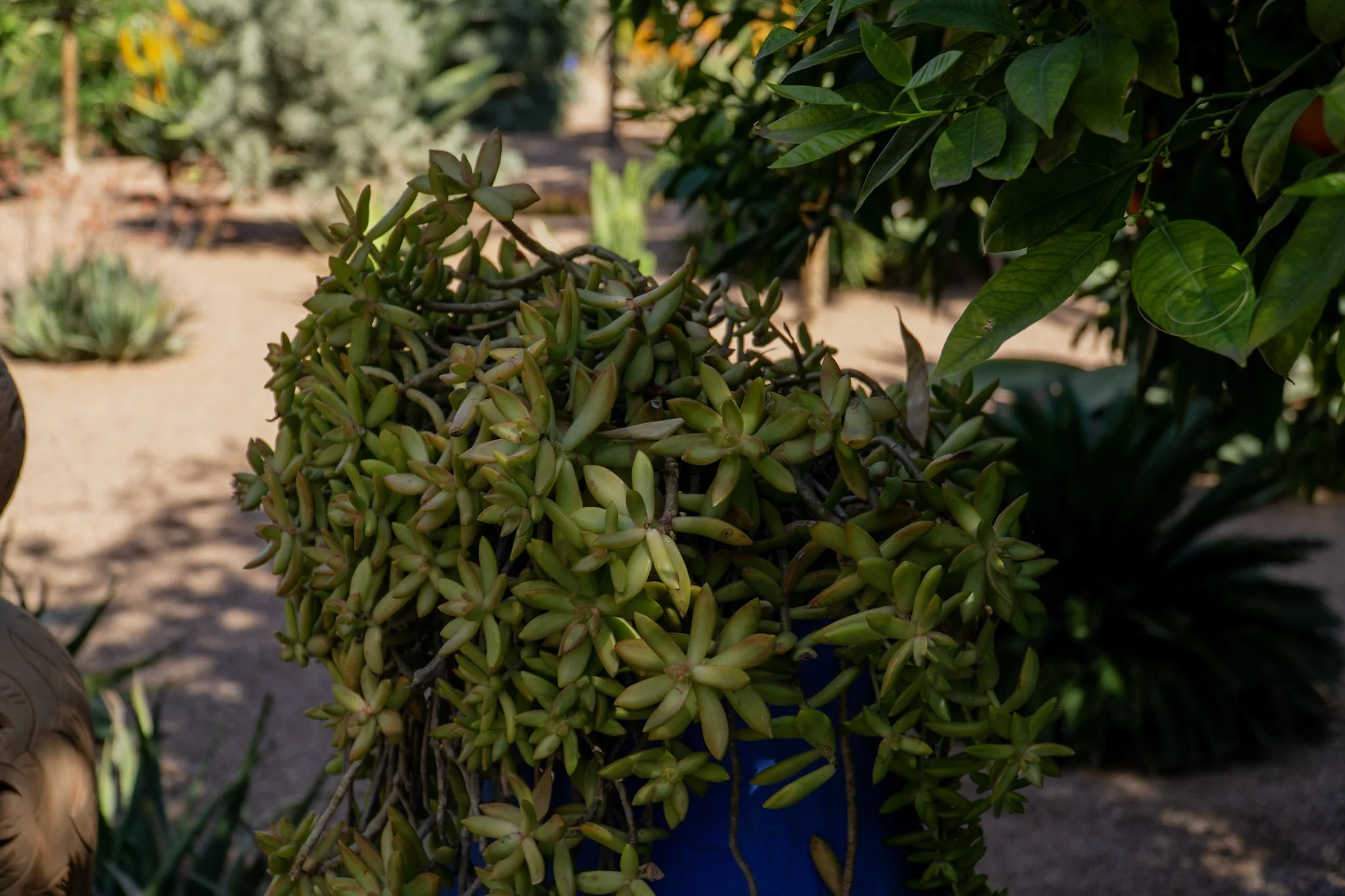
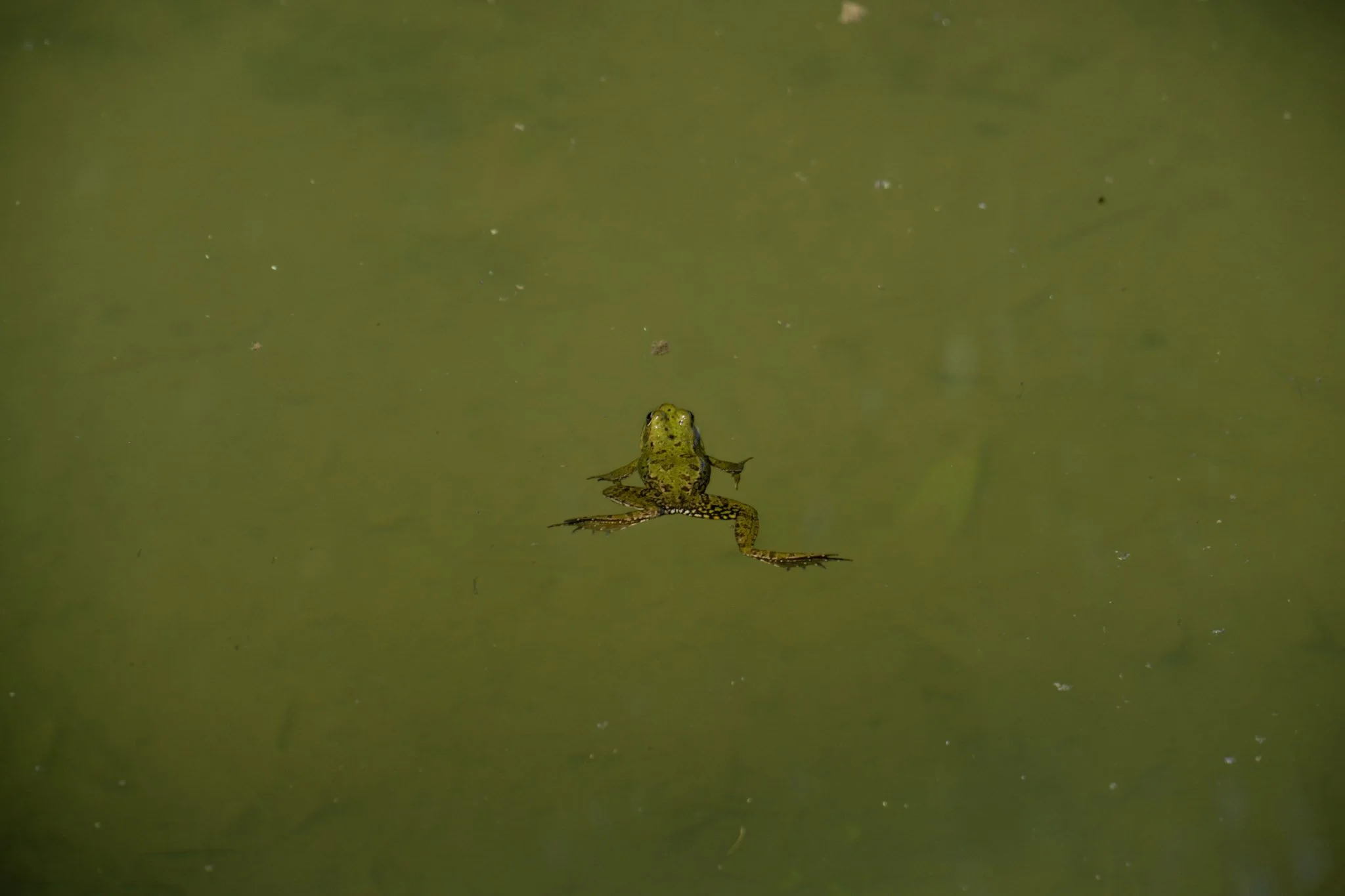
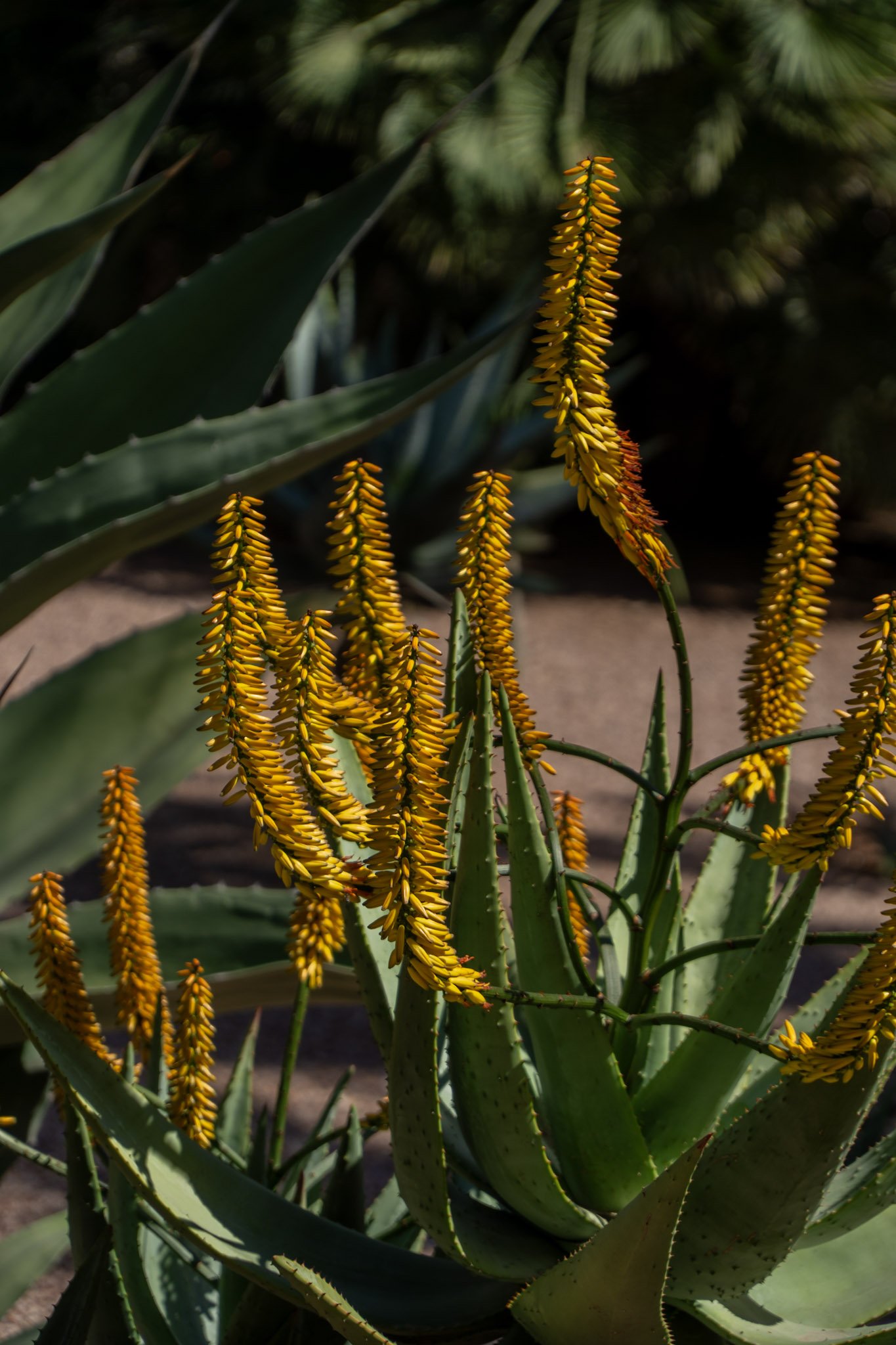
If you enjoy color, architecture, photography, fashion, design, or unique plant life, this place is worth experiencing in person because pictures can’t necessarily capture how layered or peaceful it really is.
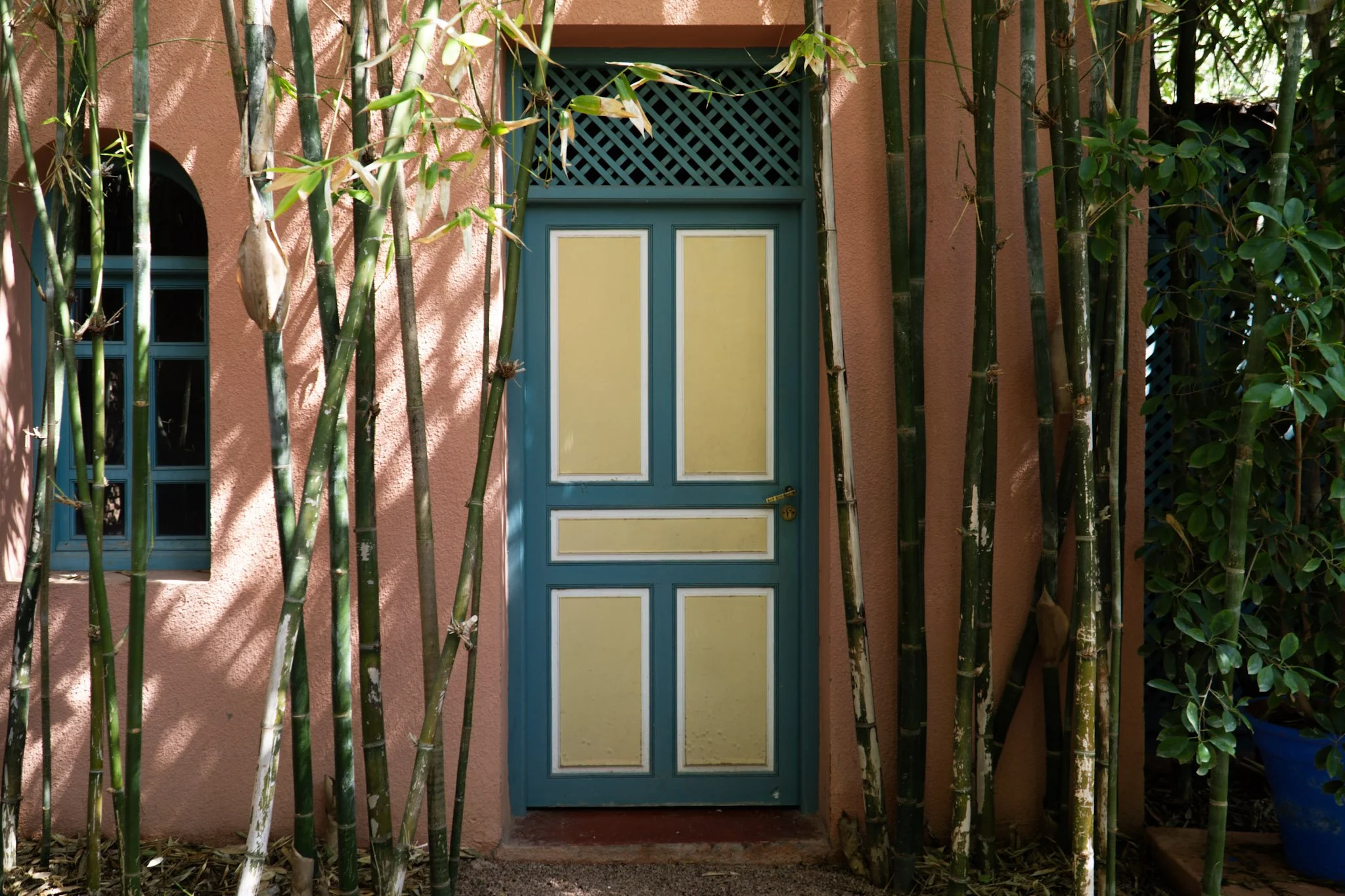
The Pierre Bergé Museum of Berber Arts
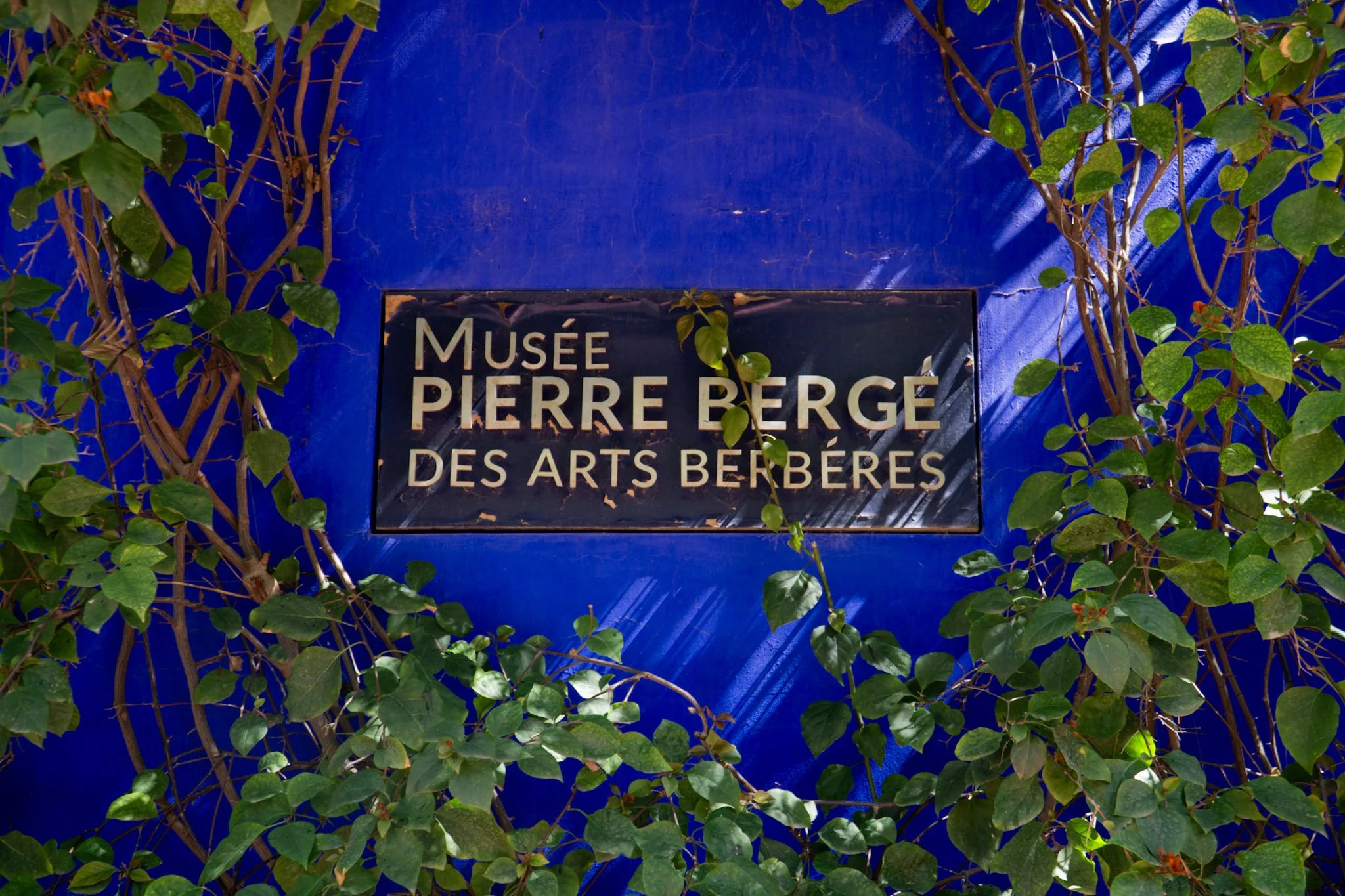
The Berber Museum is located inside the garden and focuses on the history and artistry of Morocco’s Indigenous Amazigh (Berber) communities through jewelry, textiles, clothing, artifacts, and cultural objects.
Personally, this ended up being my least favorite part of the experience, mostly because I had already spent time visiting Berber villages in the Atlas Mountains earlier in my trip. It’s a small exhibit and some of the pieces and themes felt more familiar to me at that point.
That said, if you have not had that experience elsewhere in Morocco, I think this section adds valuable context to the country’s history and artistic traditions.
One thing to note is that photography is not allowed inside the museum.
The Yves Saint Laurent Museum
The Yves Saint Laurent Museum was the highlight for me.
Like most people, I was familiar with the brand and some of Yves Saint Laurent’s most recognizable work, but I didn’t fully understand the breadth of his influence across fashion, art, costume design, and culture until I visited this museum.
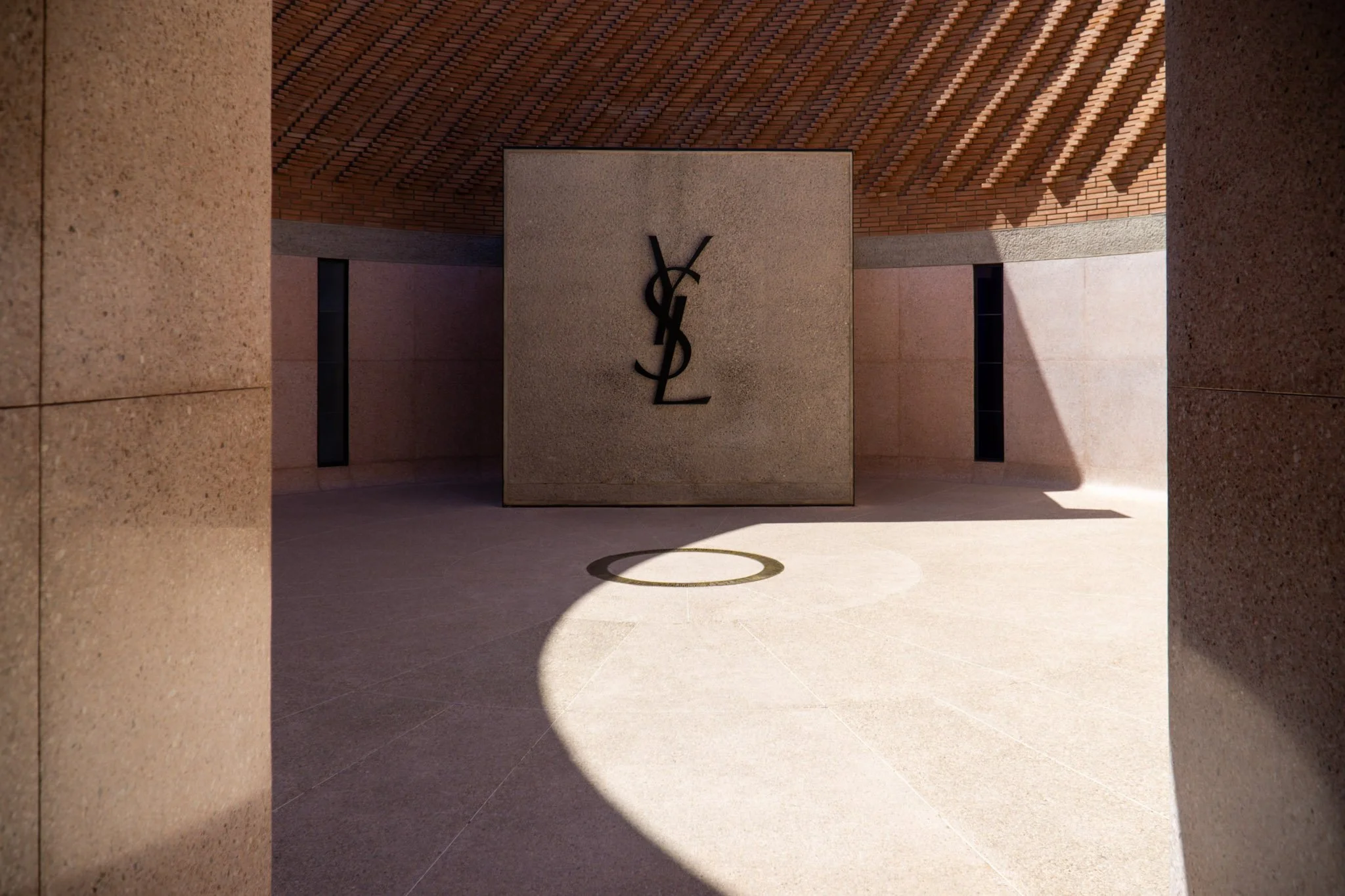
You have probably seen many photos outside the entrance with the YSL sign because it’s stunning but also because photography is also not allowed inside the YSL Museum.
I loved seeing his process. There were finished garments behind glass, but there were also original sketches and concepts plus glimpses of his inspirations, textures, fabrics, and how ideas evolved into actual collections over time. Seeing his raw hand-drawn designs made the work feel very human and artistic as opposed to this idea of him that I had about luxury fashion.
You can also see clearly how Morocco influenced his creative world. The color palettes, textures, gardens, architecture, and craftsmanship of Marrakech were obvious in his work.
Is It Worth It?
Marrakech is a place that makes you want to go, go, go all the time, but it actually is nice to spend a day just walking through beautiful spaces and learning something new, especially if you happen to be there when the weather is nice.


I had never used an eSIM before this trip. I always just paid whatever my carrier charged. This time I went with Airalo's 7-day unlimited plan for Morocco, and it held up perfectly across Marrakech, Essaouira, and the Atlas Mountains. Here's exactly what I bought, how setup went, and what it actually cost me, top-up included.