
The Red String Around the World: Protection, Fate, and Blessing Across Cultures
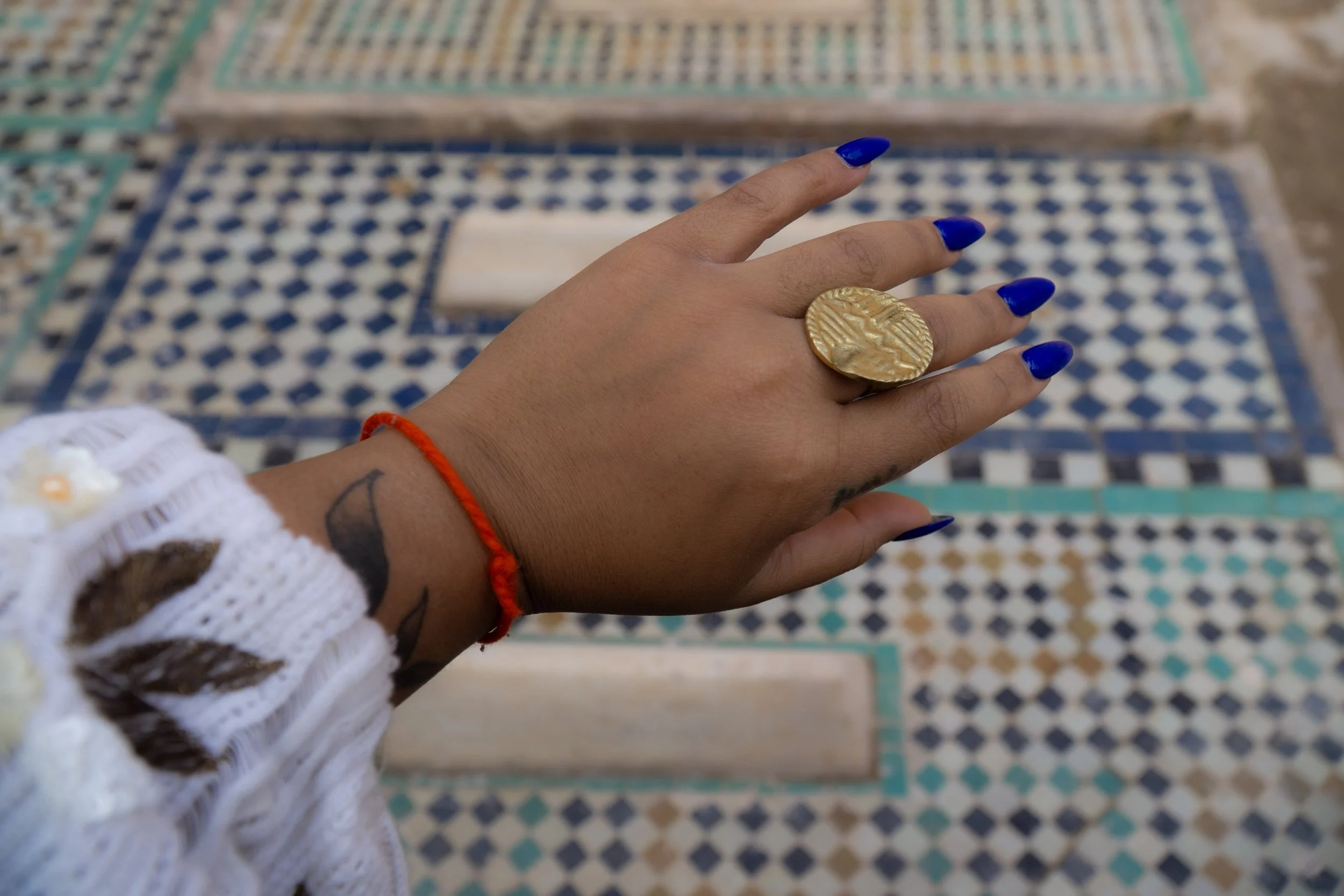
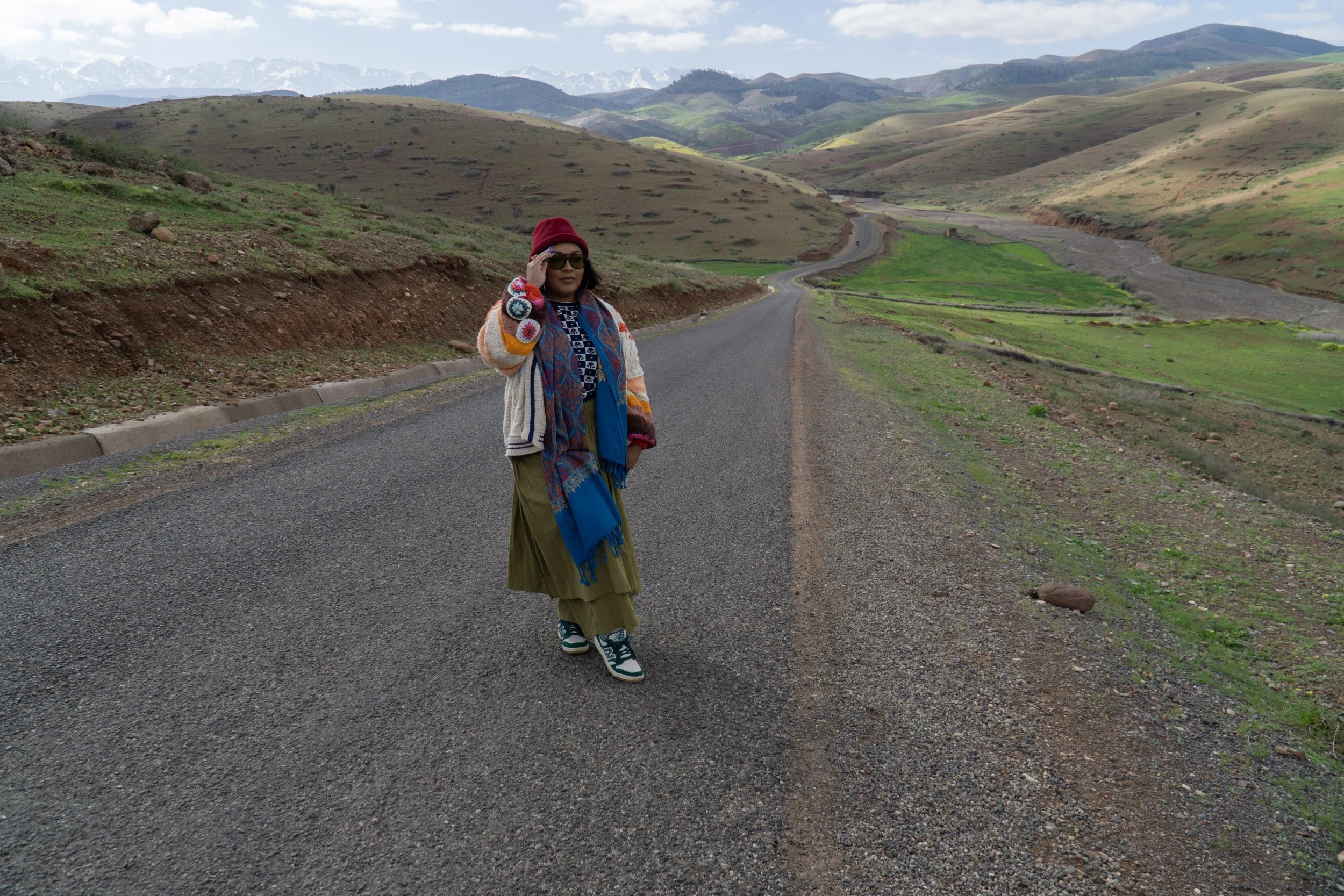
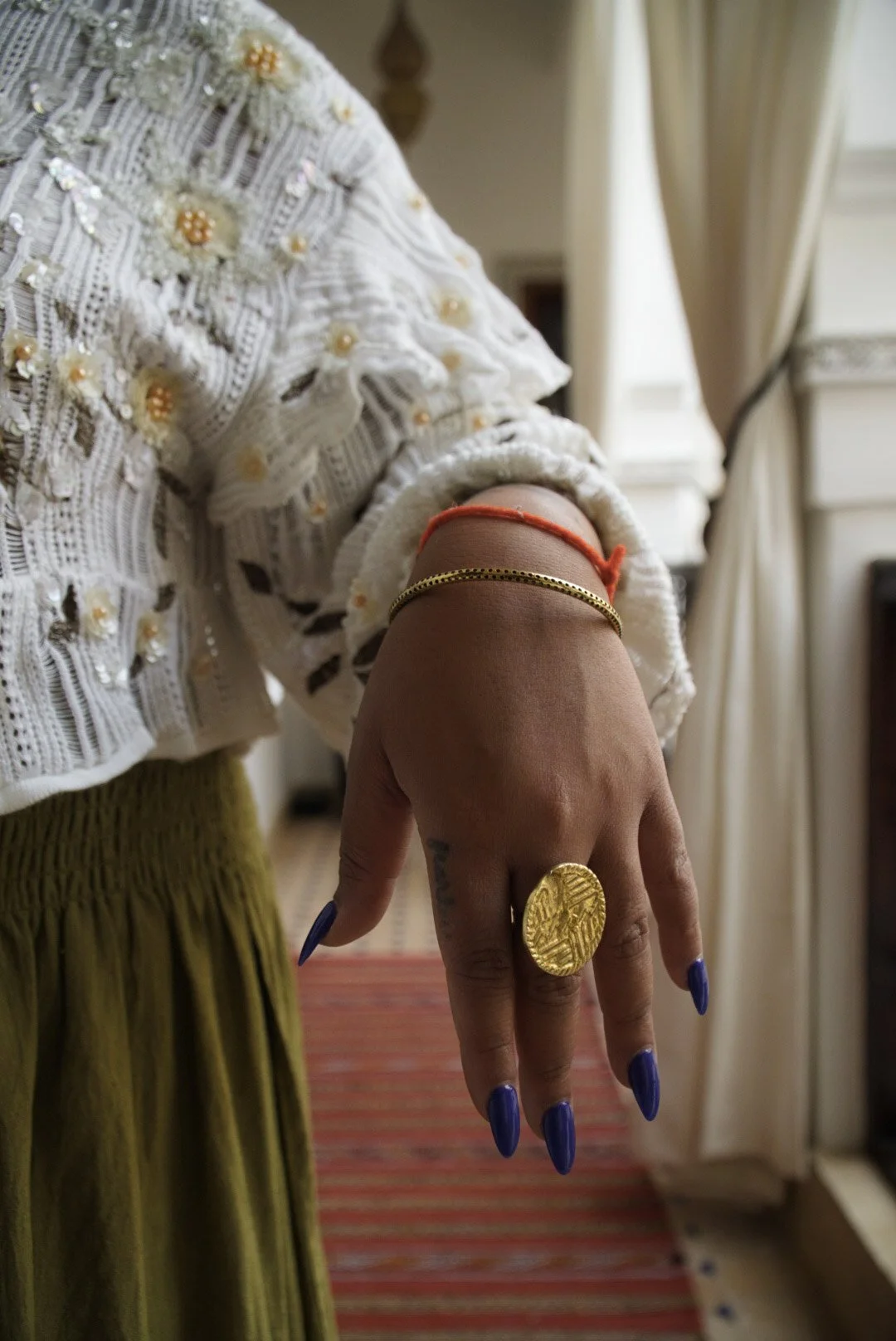
In Morocco, a weaver tied a red thread around my left wrist and a blue one around my right. She only spoke Berber, so she didn’t explain why, and I couldn’t ask any questions. I personally love travel moments like this because I actually don’t have to immediately know why. If someone offers a gesture, I accept it as it is, and understand that it’s meaningful even if we don’t speak the same language.
Before this happened, the only time I had ever heard anything about red thread was the Chinese Red String Theory. When I started looking into it, I realized that the red string wasn’t just a Moroccan or Chinese tradition. Versions of the red thread appear in cultures all over the world, across North Africa, the Middle East, Asia, and parts of Europe. The meanings vary, but they all center the same ideas of protection, fate, blessing, and connection.
Morocco and North Africa
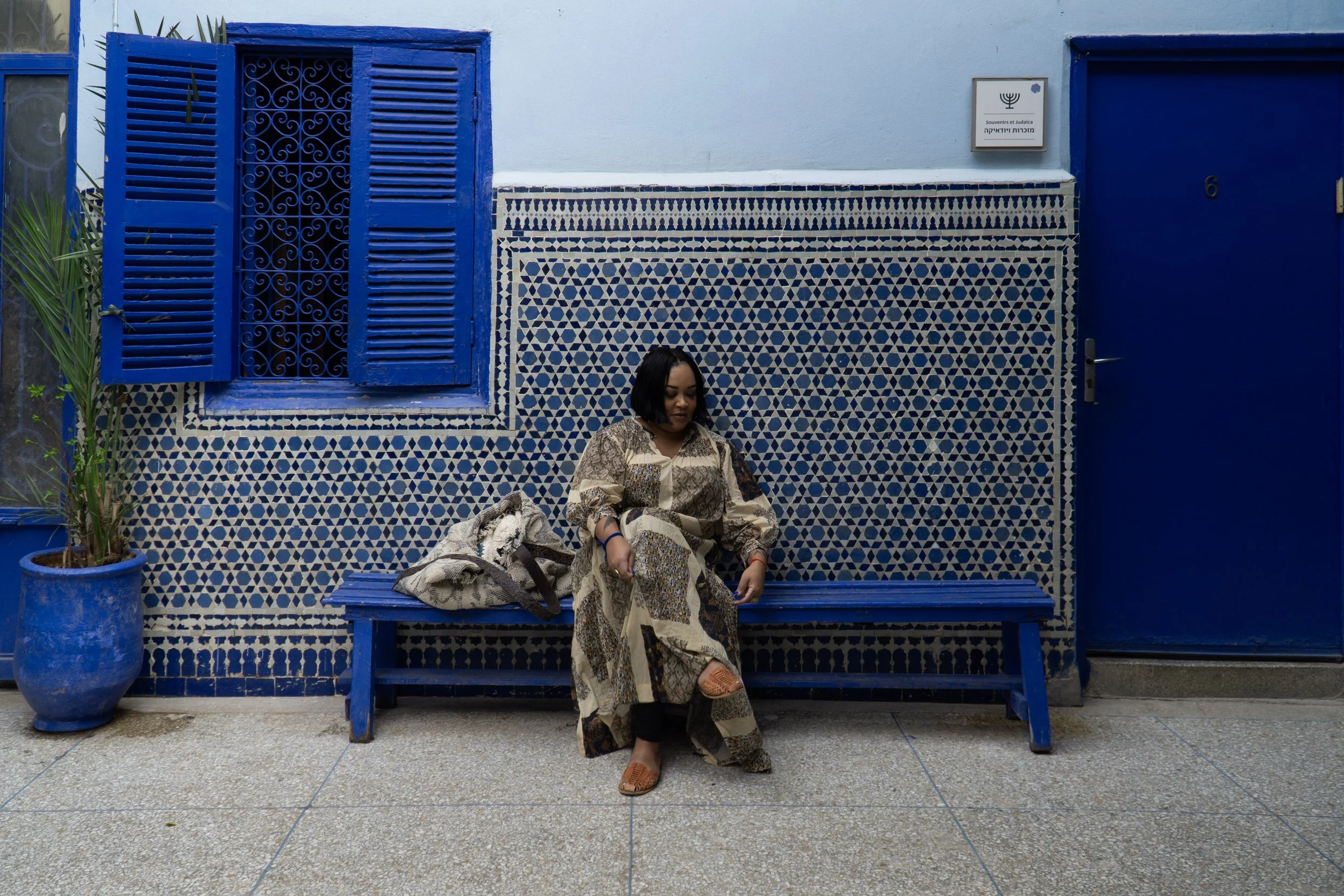
In Morocco and across parts of North Africa and the Mediterranean, red thread is worn for protection from the evil eye. The evil eye is the belief that jealousy or negative attention can bring misfortune or harm. The thread acts as a small protective barrier worn on the body to guard against unseen forces. Blue, which is why blue beads and blue doors are so common in Morocco, is also believed to offer protection and peace. Together, the red and blue threads I was given were a gesture of goodwill and protection, especially for someone traveling.
Kabbalah/Jewish Tradition
In Jewish Kabbalistic tradition, a red string is also worn to protect against the evil eye, known as ayin hara. It is typically worn on the left wrist, which is believed to be the side of the body that receives energy. The string is sometimes wrapped around Rachel’s Tomb in Israel before being worn, symbolizing protection, compassion, and spiritual safeguarding.
Chinese Tradition
In Chinese folklore, the red thread represents something entirely different: fate. This is the one I had heard most about because of a viral TikTok moment. The legend of the red thread of fate says that people who are destined to meet are invisibly connected by a red string tied by the gods. The thread may stretch, tangle, or pull, but it will never break. No matter how far apart two people are, if they are meant to meet, they will. As someone who is chronically single, I passively wondered if I’m tied to anyone by a red string.
Hindu Tradition
In Hindu traditions, a red thread called kalava or mauli is tied around the wrist during religious ceremonies. It represents blessing, protection, and a sacred vow. The thread is usually tied by a priest after a prayer ritual and worn until it naturally falls off, symbolizing that the blessing remains with the person.
Buddhist Traditions
In some Buddhist traditions, particularly in places like Thailand and Nepal, monks tie blessed threads around the wrist during ceremonies. These threads symbolize protection, good fortune, and spiritual blessing. Like in Hindu traditions, the thread is often worn until it naturally breaks.
Final Thoughts
What struck me most when I learned all of this was not how different the meanings were, but how similar the intention was. Across continents and religions, people develop the same small ritual: tie a thread, make an intention, offer protection, and send someone on their way with a blessing.
It made me think about how human beings, no matter where we are, want many of the same basic things. We want to feel protected. We want to believe we are guided. We want to believe some connections are meant for us. Ultimately, we want to believe we are not alone.
My threads have since fallen off, but the moment that Berber woman tied them around my wrists with a smile will always be a beloved memory of mine and a reminder that sometimes the smallest things carry the oldest stories.
I had never used an eSIM before this trip. I always just paid whatever my carrier charged. This time I went with Airalo's 7-day unlimited plan for Morocco, and it held up perfectly across Marrakech, Essaouira, and the Atlas Mountains. Here's exactly what I bought, how setup went, and what it actually cost me, top-up included.